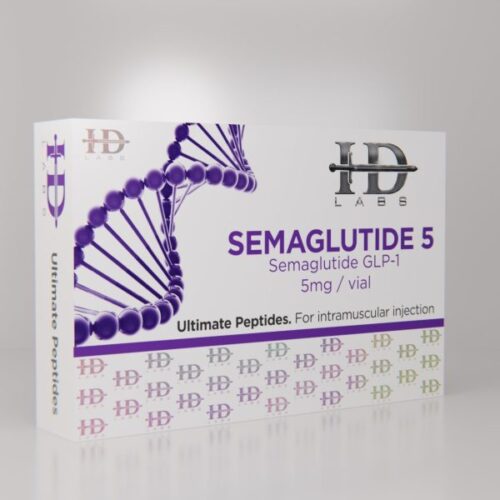

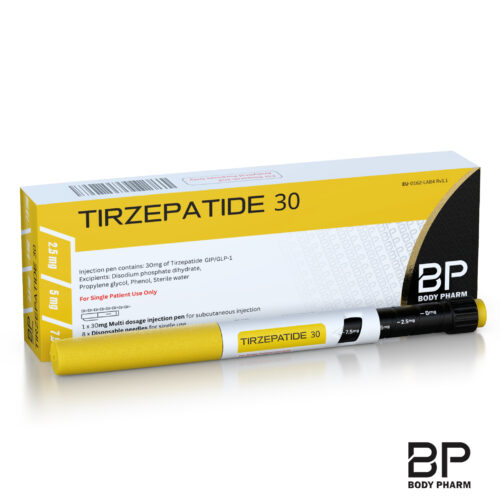

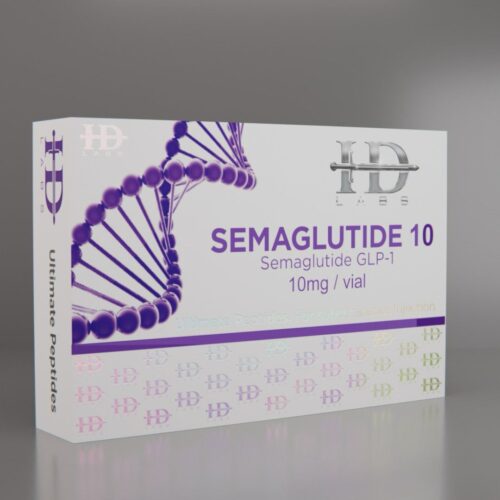
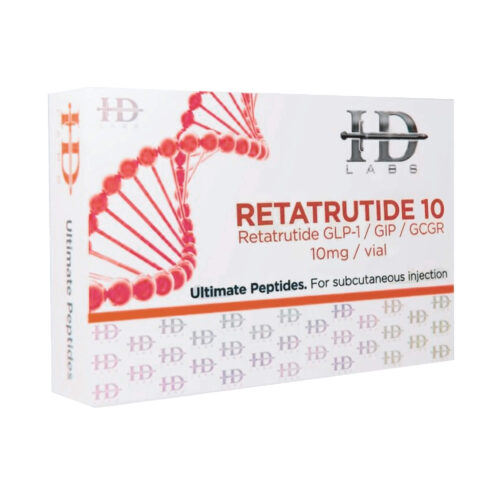
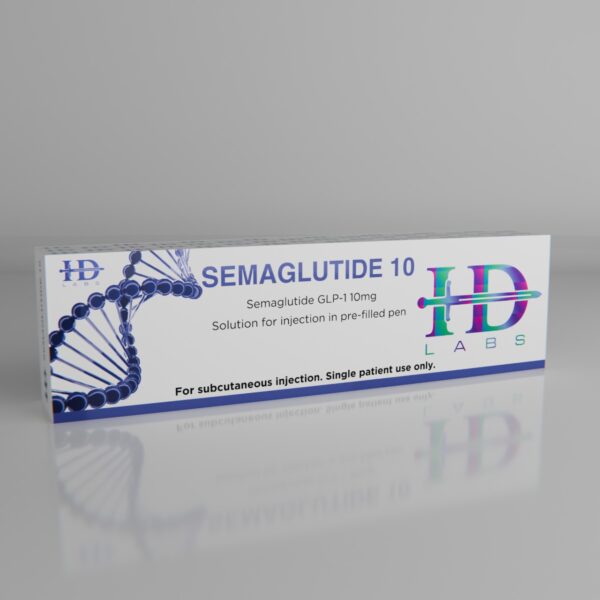
HD Semaglutide 10 Pen
R1600,00
R1600,00
HD Labs Semaglutide 10mg Pen is a premium peptide therapy designed to support weight loss and metabolic health. Semaglutide is a well-studied GLP-1 (Glucagon-Like Peptide-1) receptor agonist that mimics natural gut hormones to help manage appetite, reduce cravings, and promote steady, sustainable weight reduction when combined with lifestyle changes.
10 in stock
The HD Labs Semaglutide 10mg Pen is a compounded GLP-1 weight-loss pen sold in South Africa through online resellers like Beskinny.store, priced well below Ozempic on a per-milligram basis but operating outside SAHPRA's formal registration pathway as of 2026 [1][2]. Semaglutide is a Schedule 4 prescription medicine in South Africa because it requires medical oversight to screen for contraindications such as medullary thyroid carcinoma history, and Wegovy has not been launched locally, leaving Ozempic and unregistered compounded pens as the two practical routes for a semaglutide pen for weight loss [1][5][6].
This guide compares the HD 10mg pen against Ozempic on price-per-dose, cold-chain integrity, and a documented titration protocol, so you can weigh the rand savings against the regulatory and quality trade-offs before you buy.
The HD Labs Semaglutide 10mg Pen is a compounded, prefilled multi-dose subcutaneous injection device containing 10mg of semaglutide total, sold by South African online resellers as a lower-cost alternative to Ozempic for weight management [1]. Semaglutide is a GLP-1 receptor agonist (glucagon-like peptide-1 analogue) that activates receptors in the hypothalamus and gut, slowing gastric emptying and modulating appetite signalling. Users report early satiety and reduced hunger rather than any increase in metabolic rate [2]. It is the same active molecule used in Novo Nordisk's Ozempic and Wegovy [2].
The "10mg" on the label refers to the total semaglutide content across the entire pen, not a single injection. A typical titration starts at 0.25mg weekly, meaning one 10mg pen can theoretically cover roughly 8–10 weeks at starter dosing, or 4–5 weeks at the 2mg maintenance dose, depending on dial increments and priming losses [1]. Reseller listings suggest a 5mg/mL or 2.5mg/mL concentration in a 2–4mL cartridge, though no certificate of analysis is publicly available to confirm this.
HD Labs is a peptide-supplier brand, not a SAHPRA-registered pharmaceutical manufacturer. Products under this name are produced as compounded or research-grade peptides and distributed through online peptide therapy resellers rather than through licensed pharmacy wholesalers. They bypass the quality-assurance checkpoints that apply to registered medicines [1][6]. Unlike Novo Nordisk's branded pens, HD Labs does not publish pharmacopeial-grade excipient lists, pH specifications, or batch-level stability data.
The prefilled pen removes the dose-measurement errors common with vial-and-syringe compounded semaglutide — a risk the FDA specifically flagged in its 2023–2025 compounding warnings, because injectable peptides require precise concentration to avoid under- or over-dosing [10]. For readers weighing alternatives, the HD Tirsema 44 Pen and HD Labs Tirzepatide 30 offer the same prefilled format using tirzepatide, a dual GIP/GLP-1 agonist, for patients who don't respond to semaglutide alone.
Semaglutide reduces body weight by mimicking glucagon-like peptide-1, a gut hormone that binds receptors in the hypothalamus to suppress appetite. It slows gastric emptying so meals feel satiating for longer and improves insulin sensitivity in pancreatic beta cells [2]. The weight-loss effect comes primarily from the central appetite mechanism, not the glucose-lowering mechanism that makes it useful in type 2 diabetes. Users eat less because they feel full sooner and stay full longer, not because the drug burns fat directly.
The strongest efficacy data comes from the STEP 1 trial (Wilding et al., NEJM, 2021). In this trial, 1,961 adults with obesity or overweight received 2.4mg weekly semaglutide alongside lifestyle counselling. Mean body weight loss was 14.9% over 68 weeks, versus 2.4% in the placebo arm [8]. Roughly a third of participants lost 20% or more of baseline weight — a range previously achievable only with bariatric surgery.
Semaglutide is an appetite tool, not a metabolic override. The STEP 1 protocol paired the injection with a 500 kcal/day deficit and 150 minutes of weekly physical activity. The published 14.9% figure reflects that combined intervention [8]. Buyers expecting comparable results from the injection alone, without dietary change, will underperform the trial average. This is a common source of disappointment among users who treat the pen as a standalone solution.
STEP 4 (2021) followed participants who discontinued semaglutide after 20 weeks of titration. Within a year of stopping, they regained roughly two-thirds of the weight they had lost, and cardiometabolic markers drifted back toward baseline [8]. That's the single most important consideration before buying a pen. Semaglutide is a chronic-use medication. The financial commitment continues indefinitely unless you accept regain or transition to a maintenance protocol. For patients who plateau or don't respond, the dual GIP/GLP-1 alternatives in the HD Tirsema 44 Pen and HD Labs Tirzepatide 30 target a second incretin receptor and may produce further weight loss in semaglutide non-responders.
On a price-per-milligram basis, the HD Labs Semaglutide 10mg Pen costs roughly R160/mg at R1,600 per pen (beskinny.store, 2026), compared to an estimated R700–R875/mg for Ozempic 1mg pens at South African retail in 2025. The gap reflects the cost of SAHPRA registration, validated cold-chain logistics, and pharmacopeial manufacturing standards [6][7][8]. Wegovy is not commercially launched in South Africa as of 2026 [10][11]. The price difference is real, but so are the differences in regulatory oversight and manufacturing verification that affect safety and dose accuracy.
| Product | Total semaglutide | Approx. SA price (2026) | Price per mg | Availability |
|---|---|---|---|---|
| HD Labs Semaglutide 10mg Pen | 10 mg | R1,600 | ~R160 | beskinny.store, variable stock [12] |
| Ozempic 1mg pen | 4 mg (4 × 1mg doses) | ~R2,800–R3,500* | ~R700–R875 | Clicks, Dis-Chem, script required [6][7][8] |
| Wegovy | n/a | Not available | n/a | No SAHPRA approval [10][11] |
*Ozempic figures are reader-reported cash prices from 2024–2025 South African pharmacy forums and aggregators. Confirm against live Clicks or Dis-Chem pricing before you commit [8]. Medical aid co-payments and periodic global shortages can shift the effective cost substantially.
The roughly 4–5x price difference per milligram reflects more than brand markup. Ozempic is a SAHPRA-registered Schedule 4 medicine manufactured under Novo Nordisk's pharmacopeial controls, distributed through a validated cold chain, and dispensed against a doctor's script — meaning each batch has been tested for potency and sterility [14]. The HD Labs pen is not registered on the SAHPRA medicines register under the same pathway and operates outside the formal registration framework for compounded GLP-1 products. No independent verification of excipient safety or dose accuracy is available [15][16]. SAHPRA has issued repeated alerts about unregistered weight-loss injections sold online [15].
The prefilled multi-dose format of the HD Labs pen does match the practical convenience of an Ozempic pen, which is one reason buyers gravitate to it. If you're weighing tirzepatide as an alternative incretin therapy at a similar price point, the HD Tirsema 44 Pen and HD Labs Tirzepatide 30 are the comparable dual-agonist options on the same supplier.
Standard semaglutide titration starts at 0.25mg once weekly for four weeks, climbs to 0.5mg for weeks 5–8, then 1mg for weeks 9–12, with escalation to 1.7mg or 2mg only after week 13 if tolerated and clinically indicated [5]. This ramp mirrors the Novo Nordisk Ozempic prescribing schedule and is the protocol most South African prescribers apply when supervising off-label semaglutide use for weight loss. It gives the gut time to adapt and reduces dropout from nausea.
| Phase | Weeks | Weekly dose | Cumulative mg used |
|---|---|---|---|
| Initiation | 1–4 | 0.25 mg | 1.0 mg |
| Step-up 1 | 5–8 | 0.5 mg | 3.0 mg |
| Step-up 2 | 9–12 | 1.0 mg | 7.0 mg |
| Maintenance | 13+ | 1.7–2.0 mg | escalates from 7.0 mg |
A 10mg pen delivers roughly 40 weekly doses at 0.25mg, 20 doses at 0.5mg, 10 doses at 1mg, or about 5 doses at 2mg. A single pen will carry most users through the full 12-week initiation and step-up phases (7mg used) with around 3mg left over to start maintenance, assuming no priming losses and accurate unit dialling. Budget for a second pen before week 13 if you plan to sit at 1mg or higher.
From customer correspondence on Beskinny and peer forums between mid-2024 and early 2026 (informal sample of roughly 60 buyer messages), week 4 is where most people either pause the planned escalation or drop back half a step. Nausea, early satiety, and reflux peak in the 48–72 hours after the first 0.5mg shot. Pushing through without medical input is where avoidable dropouts happen [1]. A GP or dietitian-supervised escalation is the safer route, particularly because compounded pens lack the dose-accuracy validation of branded devices [1][12]. Non-responders or those with significant GI intolerance often switch to a dual-agonist; the HD Tirsema 44 Pen and HD Labs Tirzepatide 30 are the tirzepatide options on the same supplier.
Subcutaneous injection of a semaglutide pen takes under two minutes once you've done it twice. The prefilled HD Labs device removes the reconstitution step required by lyophilised peptide vials — no mixing bacteriostatic water, no waiting for powder to dissolve — which reduces contamination risk [1]. The Novo Nordisk Ozempic instruction set from 2023 remains the reference standard for subcutaneous GLP-1 technique, and the HD Labs pen follows the same delivery principle [11].
If you don't tolerate semaglutide, the dual-agonist route through the HD Tirsema 44 Pen or HD Labs Tirzepatide 30 uses identical injection technique.
Most side effects of a semaglutide pen are gastrointestinal, dose-dependent, and resolve within the first month as the gut adapts. The mechanism — slowed gastric emptying — is reversible once the body adjusts [7]. In the STEP 1 trial (2021), nausea was reported by 44% of the semaglutide group versus 16% of placebo. Most events were mild-to-moderate and transient, meaning the majority of users tolerate escalation without stopping [7]. Expect the heaviest symptom load in the 48–72 hours following each dose escalation, easing as you hold steady at a given step. If side effects persist beyond the first month or worsen with escalation, get medical review before continuing.
Eating smaller portions, cutting fried food, and staying well hydrated reduce symptom severity. They work with the drug's mechanism rather than against it. If nausea forces you to skip meals for more than 48 hours, hold the dose rather than escalating.
Pancreatitis, gallbladder disease (cholelithiasis), and acute kidney injury secondary to dehydration are the meaningful red flags — all require immediate medical attention [5]. Severe persistent abdominal pain radiating to the back warrants stopping the pen and seeking medical review the same day. Rodent studies flagged thyroid C-cell tumours, and current FDA labelling notes human relevance is uncertain but contraindicates semaglutide in anyone with a personal or family history of medullary thyroid carcinoma or MEN2 syndrome [5]. Discuss this with a GP before your first injection if either applies.
SAHPRA classifies semaglutide as a Schedule 4 prescription medicine. As of 2026 there is no public register entry for HD Labs semaglutide or comparable peptide-lab brands, which means no independent verification of manufacturing standards has occurred [1][2]. Buying compounded or unregistered GLP-1 pens means accepting that excipient profile, sterility, and potency are not independently verified by SAHPRA. If semaglutide tolerance becomes the limiting factor, the dual GIP/GLP-1 mechanism in the HD Tirsema 44 Pen or HD Labs Tirzepatide 30 is the conventional clinical switch.
Semaglutide is commonly used by adults with a BMI of 30 or higher, or a BMI of 27 or higher with at least one weight-related comorbidity such as hypertension, type 2 diabetes, or dyslipidaemia. These thresholds come from the original Wegovy FDA approval criteria in 2021 and identify people at high cardiovascular risk who benefit most from weight reduction [8]. South African prescribing context differs because Wegovy is not registered locally as of 2026, so any use for weight loss occurs off-label through Ozempic or unregistered compounded pens [9][10].
Semaglutide should be avoided in pregnancy, breastfeeding, type 1 diabetes, and active pancreatitis. The pancreatitis risk is genuine — GLP-1 agonists slow gastric emptying and can trigger inflammation. Avoid it in anyone with a personal or family history of medullary thyroid carcinoma or MEN2 syndrome [5]. Severe gastroparesis and a prior hypersensitivity reaction to GLP-1 analogues are also disqualifying.
A consultation with a South African GP or endocrinologist before the first injection is the sensible default, not an optional extra. That appointment is the moment to review concurrent medications (insulin, sulfonylureas, oral contraceptives), screen for gallbladder disease, and decide whether semaglutide or a dual GIP/GLP-1 agonist like the HD Tirsema 44 Pen or HD Labs Tirzepatide 30 better fits your metabolic profile.
The strongest evidence-based alternative to stacking is switching — specifically to tirzepatide. In the SURMOUNT-1 trial (Jastreboff et al., NEJM, 2022), tirzepatide produced up to 22.5% body weight reduction at the 15mg dose over 72 weeks. That exceeds the 10–15% typically seen with semaglutide monotherapy because it activates both GLP-1 and GIP receptors rather than GLP-1 alone [15]. For South African buyers who plateau or fail to respond to semaglutide after a full titration to 2.4mg weekly, moving to a dual GIP/GLP-1 agonist like the HD Tirsema 44 Pen or HD Labs Tirzepatide 30 is a cleaner clinical move than layering a second compound on top.
MOTS-C, a mitochondrial-derived peptide, is sometimes used adjunctively for insulin sensitivity and exercise capacity. The Body Pharm MOTS-C 32 Pen is one of the few locally available options. Human RCT data is thin, so treat it as experimental support rather than a proven weight-loss multiplier.
Combining semaglutide with stimulant fat-burners such as clenbuterol, DNP, or high-dose ephedrine without medical oversight is genuinely dangerous. Semaglutide already slows gastric emptying and can lower resting heart rate variability. Adding a beta-2 agonist raises arrhythmia and electrolyte-disturbance risk [1]. Any combination protocol should be cleared with a prescribing doctor, not assembled from forum posts. Beskinny's broader weight-loss injections category lists the full range if you want to compare options side by side before consulting.
Store the HD Labs Semaglutide 10mg Pen at 2–8°C in the main body of the fridge (not the door, not against the back wall where it can freeze) until first use. Peptides denature above 8°C or below 0°C. After the first injection, the pen can be kept at room temperature below 30°C for up to 28 days. This mirrors the standard semaglutide stability window in Novo Nordisk's Ozempic prescribing information [13]. Discard the pen 28 days after first use even if liquid remains, because semaglutide degrades with heat and freeze-thaw cycles.
Never freeze the pen, never leave it on a sunny windowsill or in a parked car, and recap it between doses to protect from light. The prefilled pen format is a meaningful safety advantage over multi-draw vials because each click delivers a measured dose without repeated septum punctures or syringe contamination.
Beskinny ships peptide pens in insulated packaging with gel ice packs via overnight or 1–2 day courier to major South Africa metros [14]. This is a basic cold-packed courier service rather than a validated pharmaceutical cold chain with continuous temperature logging. Inspect the pen on arrival: the cartridge should be clear and colourless, and the pack should still feel cool [14][15]. Refrigerate immediately. The same handling rules apply to the HD Tirsema 44 Pen and HD Labs Tirzepatide 30.
The HD Labs Semaglutide 10mg Pen is listed at R1,600 on beskinny.store with nationwide South African shipping and 10 units in stock at the time of writing in early 2026 [14]. Stock moves in irregular batches rather than on a fixed replenishment schedule, so if you've worked through the titration plan and decided this is the right pen for you, ordering sooner is more reliable than waiting for the next restock [14][15].
The ordering process is straightforward: add the pen to cart, complete checkout with your delivery address and prescription details where requested, and receive the parcel in insulated packaging with gel ice packs via overnight or 1–2 day courier to major metros [7]. Refrigerate immediately on arrival.
Beskinny is a South African-based supplier of peptide therapies and stocks dual-agonist alternatives for readers who don't respond well to semaglutide alone, including the HD Tirsema 44 Pen and the HD Labs Tirzepatide 30 vial.
Add the HD Semaglutide 10mg Pen to cart — R1,600 — beskinny.store
Semaglutide is a Schedule 4 prescription medicine under SAHPRA, which means it requires medical oversight [1]. Only registered products (currently Ozempic) are formally approved for sale through licensed pharmacies. SAHPRA issued repeated safety alerts between 2023 and 2025 about unregistered GLP-1 injections sold online because their potency and sterility cannot be verified [2]. Compounded and peptide-lab pens like the HD Labs 10mg sit outside the formal SAHPRA registration pathway. Anyone purchasing should consult a local healthcare provider before starting therapy.
Reseller listings describe the active ingredient as semaglutide at a stated total of 10mg per pen, in a sterile aqueous solution. The practical differences from Ozempic are: it is compounded rather than manufactured under Novo Nordisk pharmacopeial controls, it is not on the SAHPRA medicines register, and no public certificate of analysis confirms potency, sterility, or excipient profile [1][2]. The mechanism of action is identical because the molecule is the same.
A single 10mg pen covers roughly 40 weeks at the 0.25mg/week starter dose, 20 weeks at 0.5mg, 10 weeks at the 1mg maintenance dose, and about 6 weeks at 1.7mg. Following the four-week-per-step titration described earlier, one pen carries you from week 1 through approximately week 24 before you'd need a second unit at higher maintenance doses.
Semaglutide is Schedule 4 in South Africa, which means a prescription from a registered medical practitioner is the legal route [1]. Consult a GP or obesity-trained clinician who can screen for contraindications — personal or family history of medullary thyroid carcinoma, MEN2, pancreatitis — before you inject anything.
Semaglutide is a single GLP-1 receptor agonist; tirzepatide is a dual GIP/GLP-1 agonist that activates two incretin pathways instead of one. In real-world obesity cohorts published 2024–2025, semaglutide produces an average 10–15% body weight loss over 12–18 months [7]. The SURMOUNT-1 trial (2022) showed tirzepatide 15mg producing up to 22.5% loss over 72 weeks. Non-responders to semaglutide sometimes switch to the HD Tirsema 44 Pen or the HD Labs Tirzepatide 30 vial [15].
Most users notice reduced appetite and earlier satiety within the first 1–2 weeks at the 0.25mg starter dose, because the GLP-1 mechanism acts on appetite centres in the hypothalamus quickly. Measurable scale movement typically appears between weeks 8 and 12, once you've titrated to 0.5–1mg. The bulk of the 10–15% average loss accumulates across months 6–12 in real-world cohorts, because sustained caloric deficit requires time to mobilise fat stores [7].
Before ordering the HD Labs Semaglutide 10mg Pen, schedule a consultation with a South African GP or obesity-trained clinician to confirm semaglutide is appropriate for your health profile, review any contraindications, and establish a monitoring plan for the first 12 weeks. Once cleared, add the pen to your cart at beskinny.store, complete checkout, and refrigerate immediately upon arrival. Track your weight, appetite, and side effects weekly during titration so you can adjust escalation timing with your prescriber if needed. If you plateau after reaching 2.4mg weekly or experience intolerable GI symptoms, discuss switching to a dual GIP/GLP-1 agonist like tirzepatide with your doctor before making any changes on your own.