
The lineup
Shop everything.
Each compound, in the strengths that matter. Clean, effective, third-party tested.
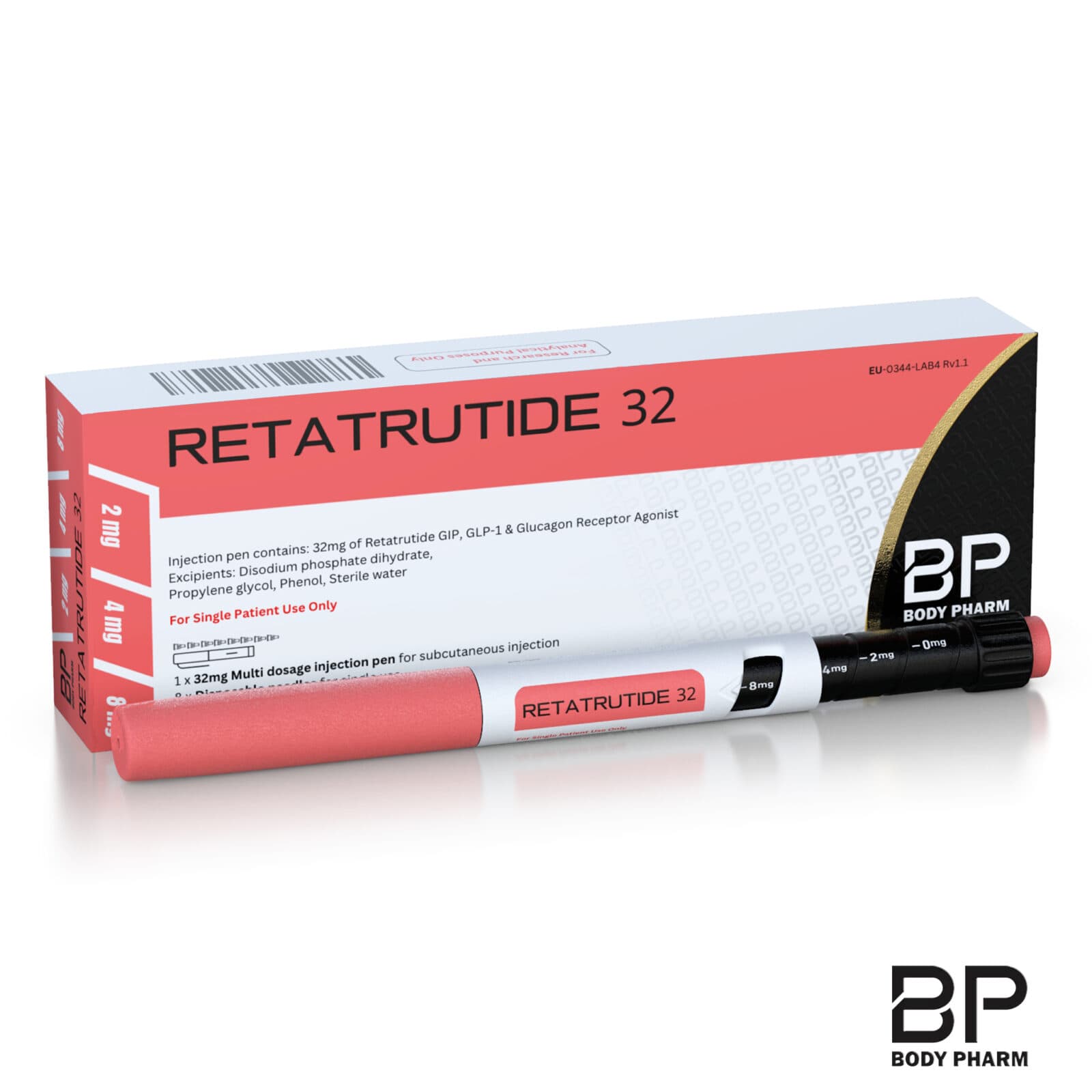
Body Pharm Retatrutide 32 Pen
R3 200.00
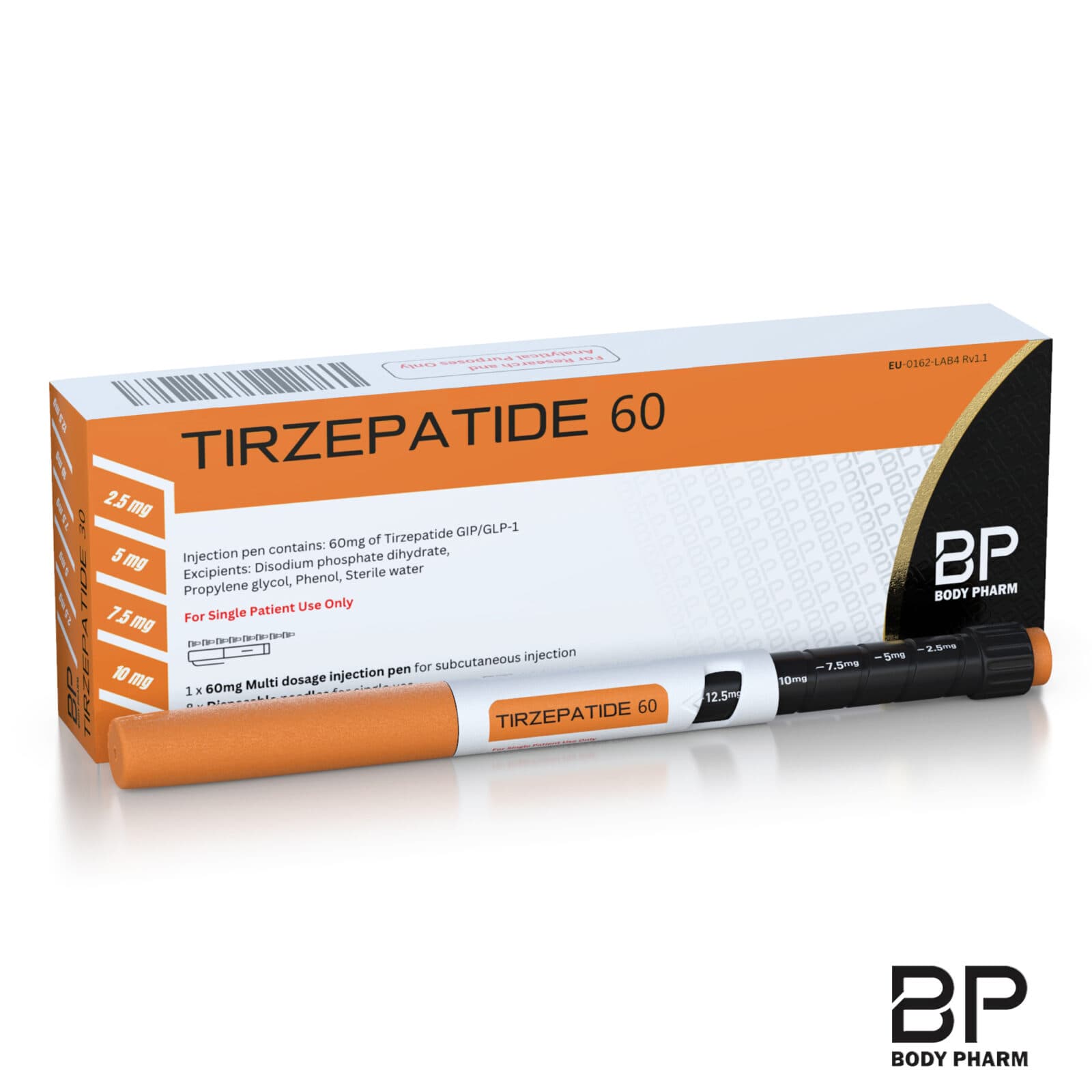
Body Pharm Tirzepatide 60 Pen
R3 500.00
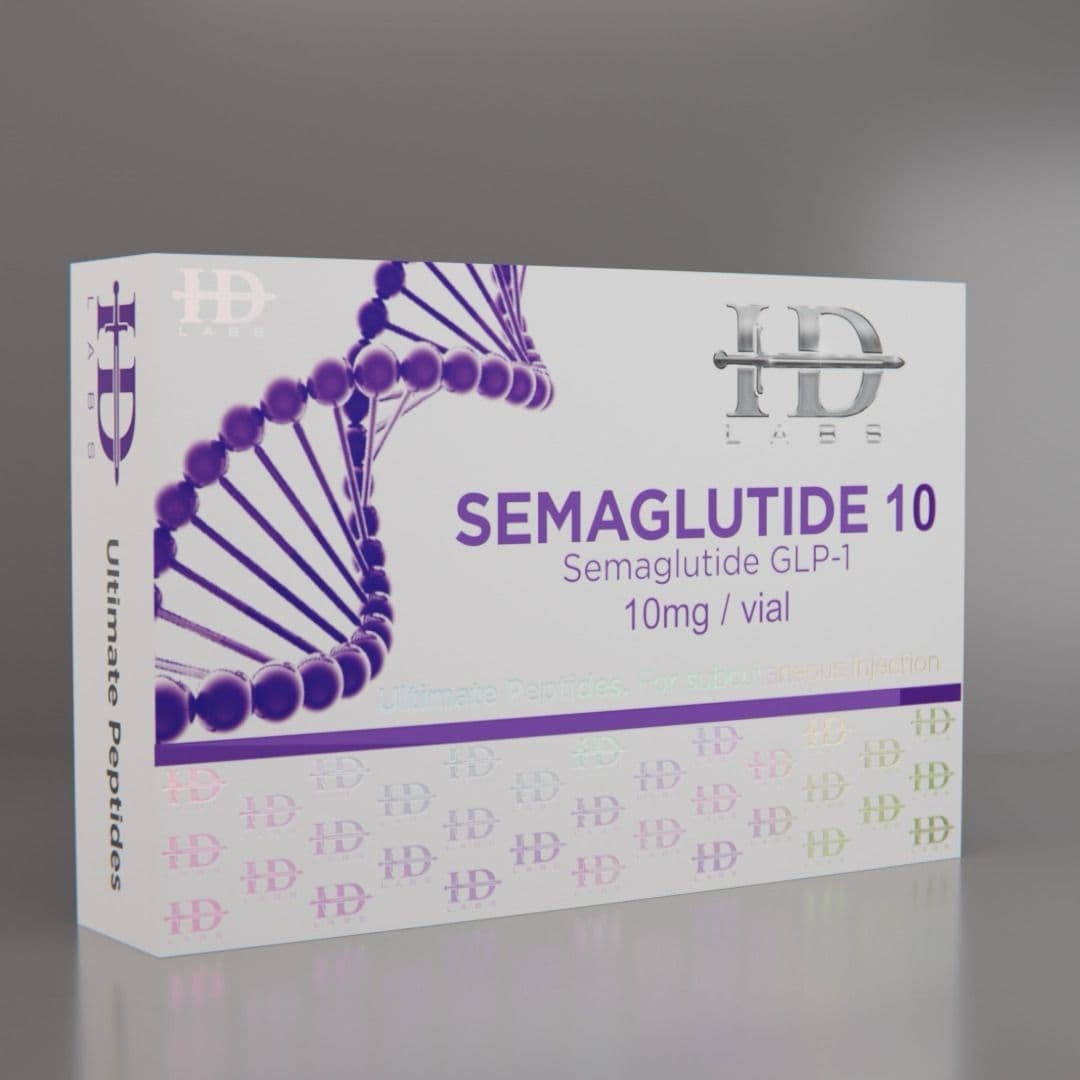
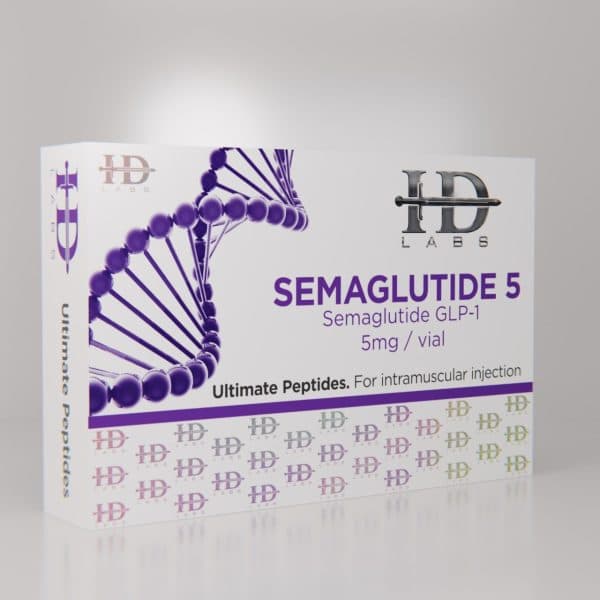
HD Labs Semaglutide 10 Vial
R1 400.00
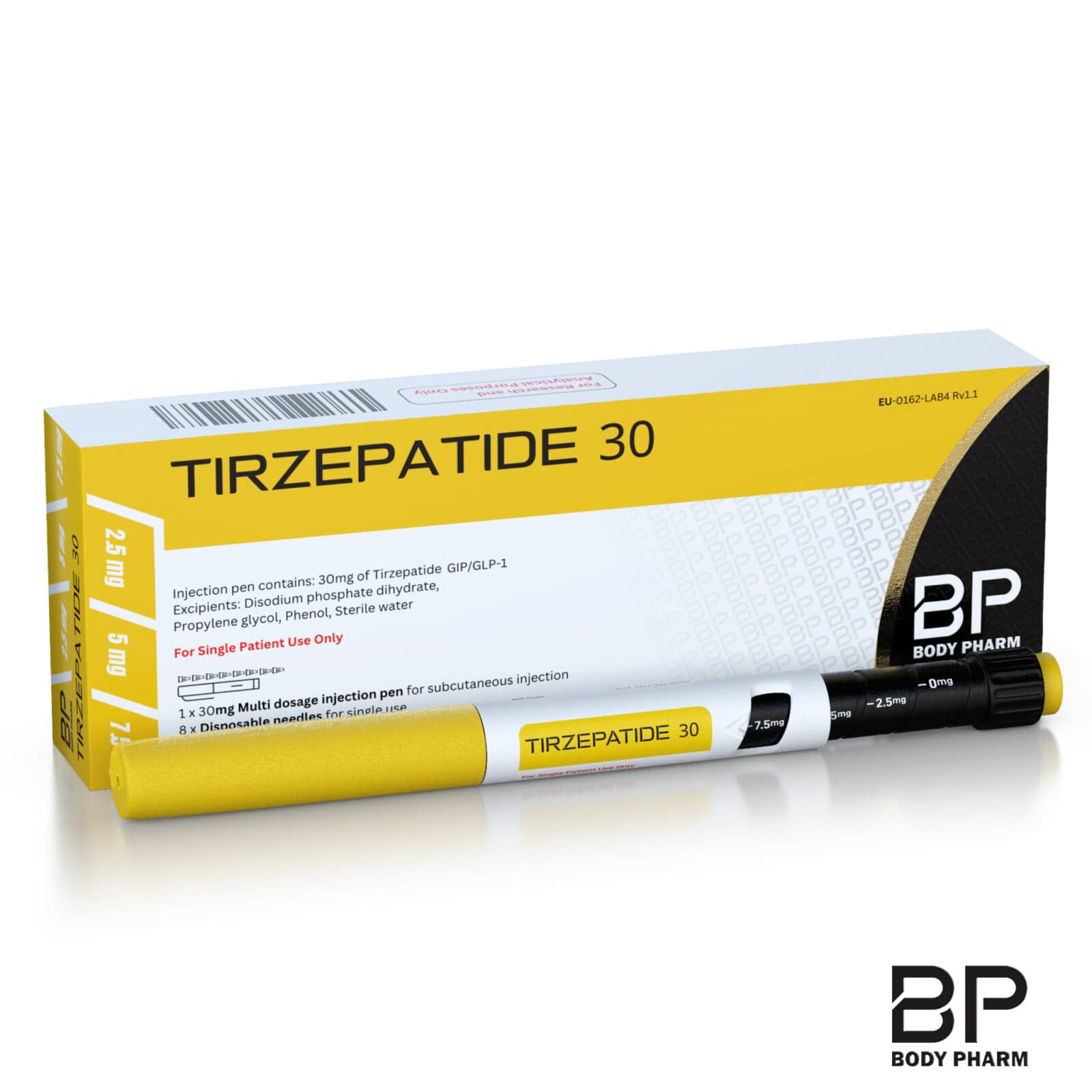
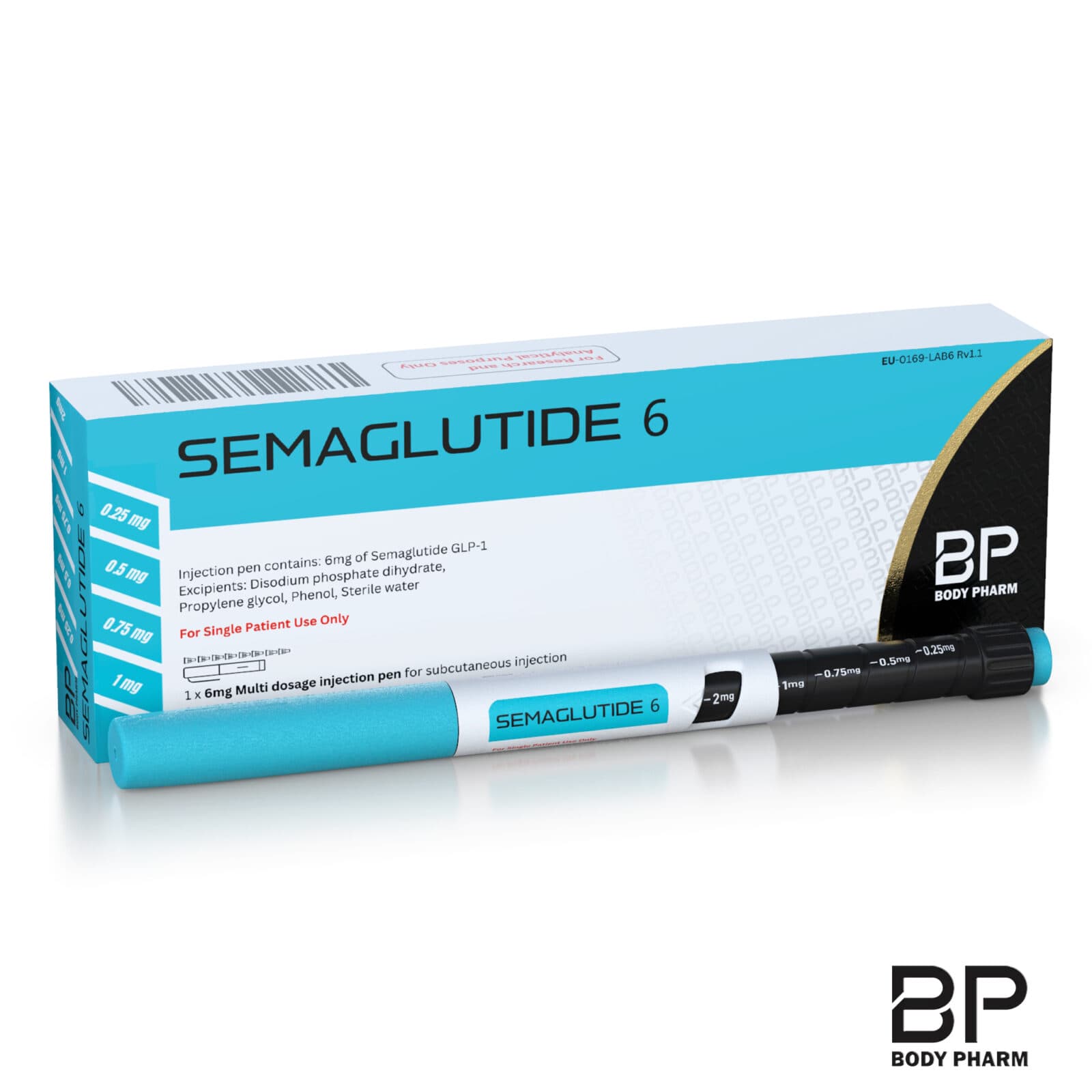
Body Pharm Semaglutide 6 Pen
R1 600.00
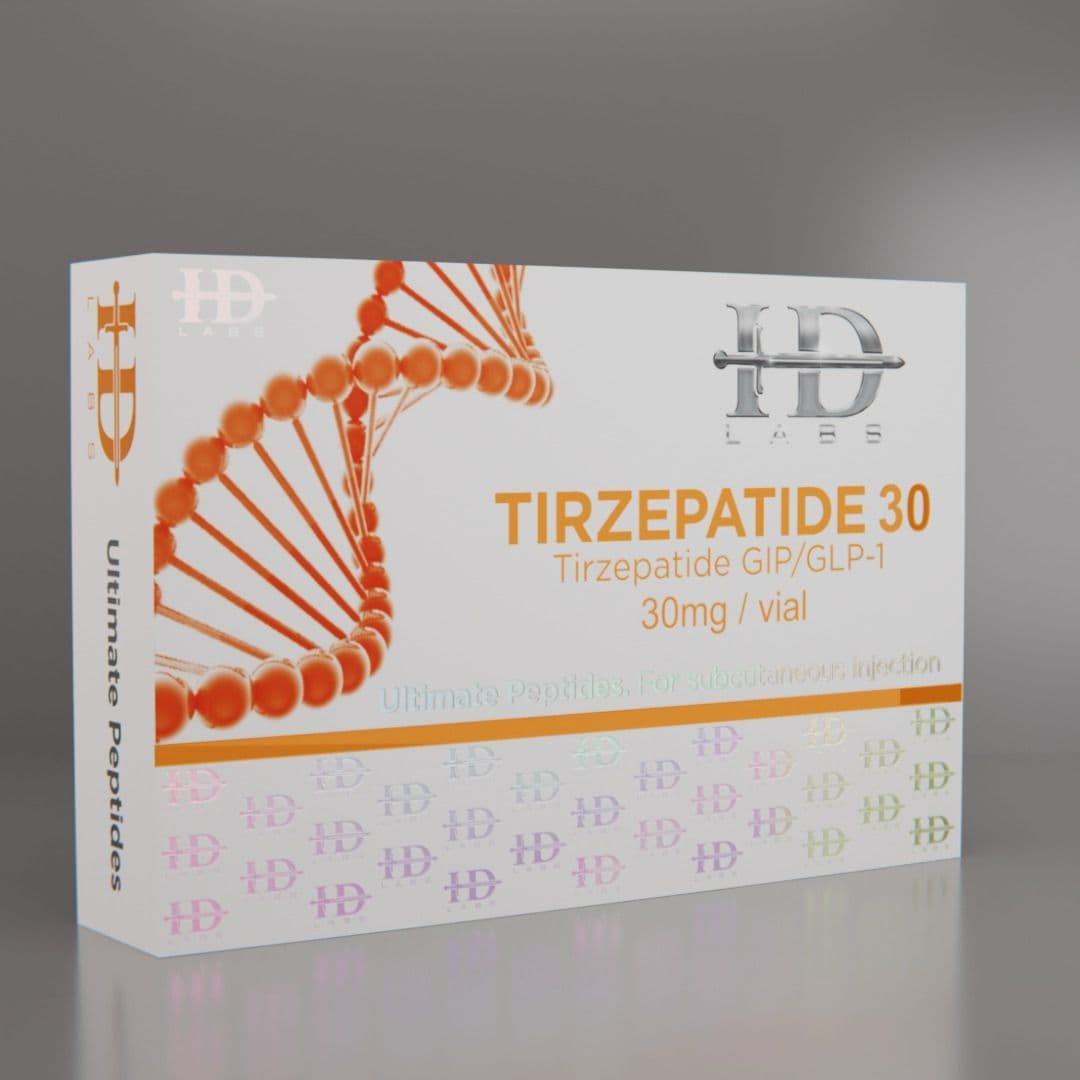
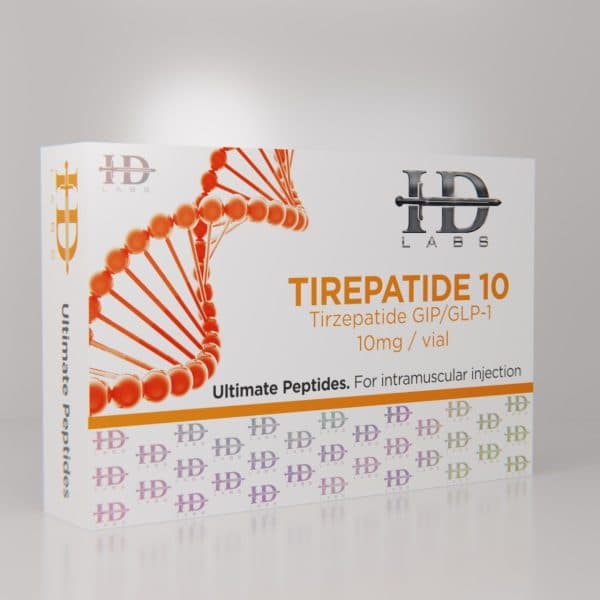
HD Labs Tirzepatide 30 Vial
R1 800.00
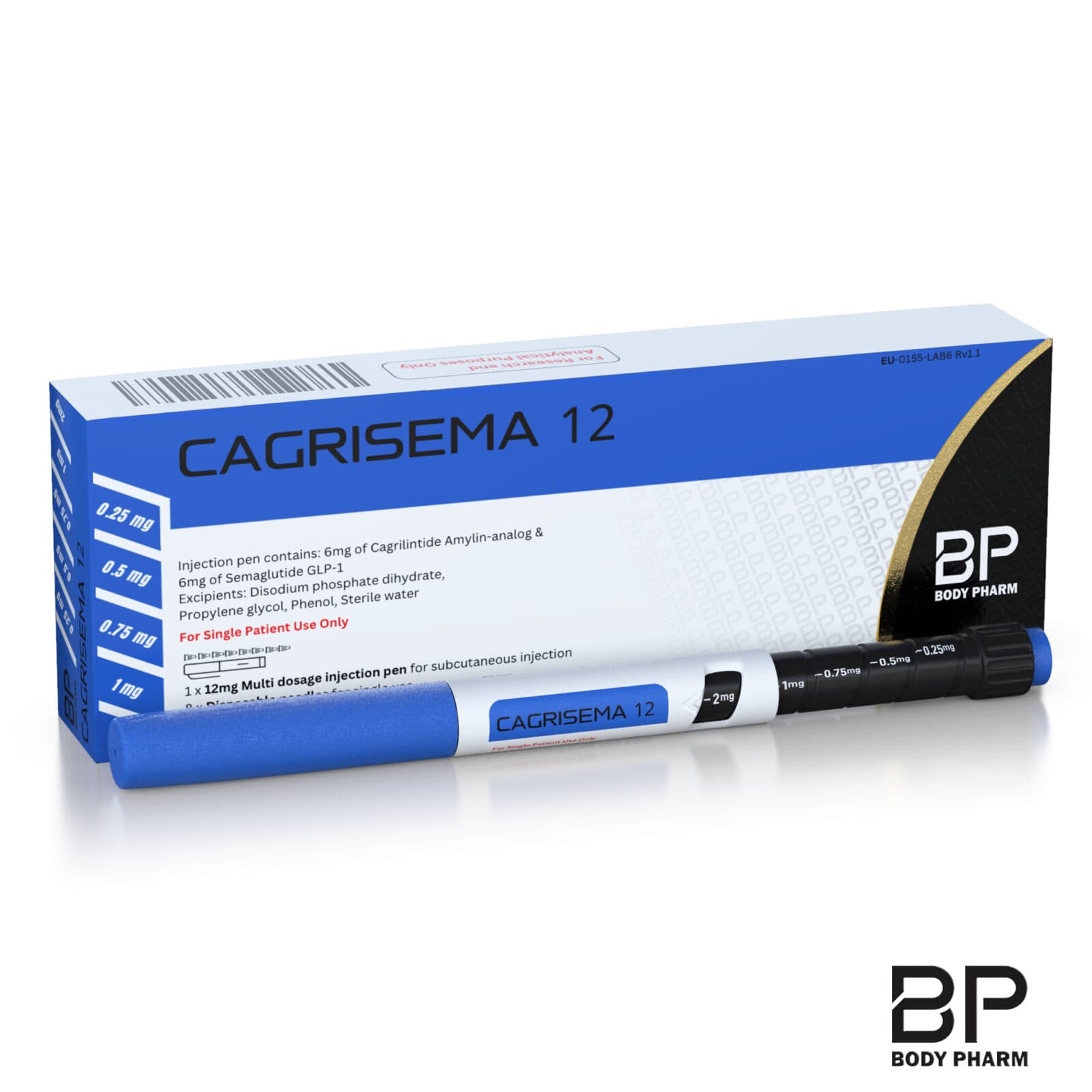
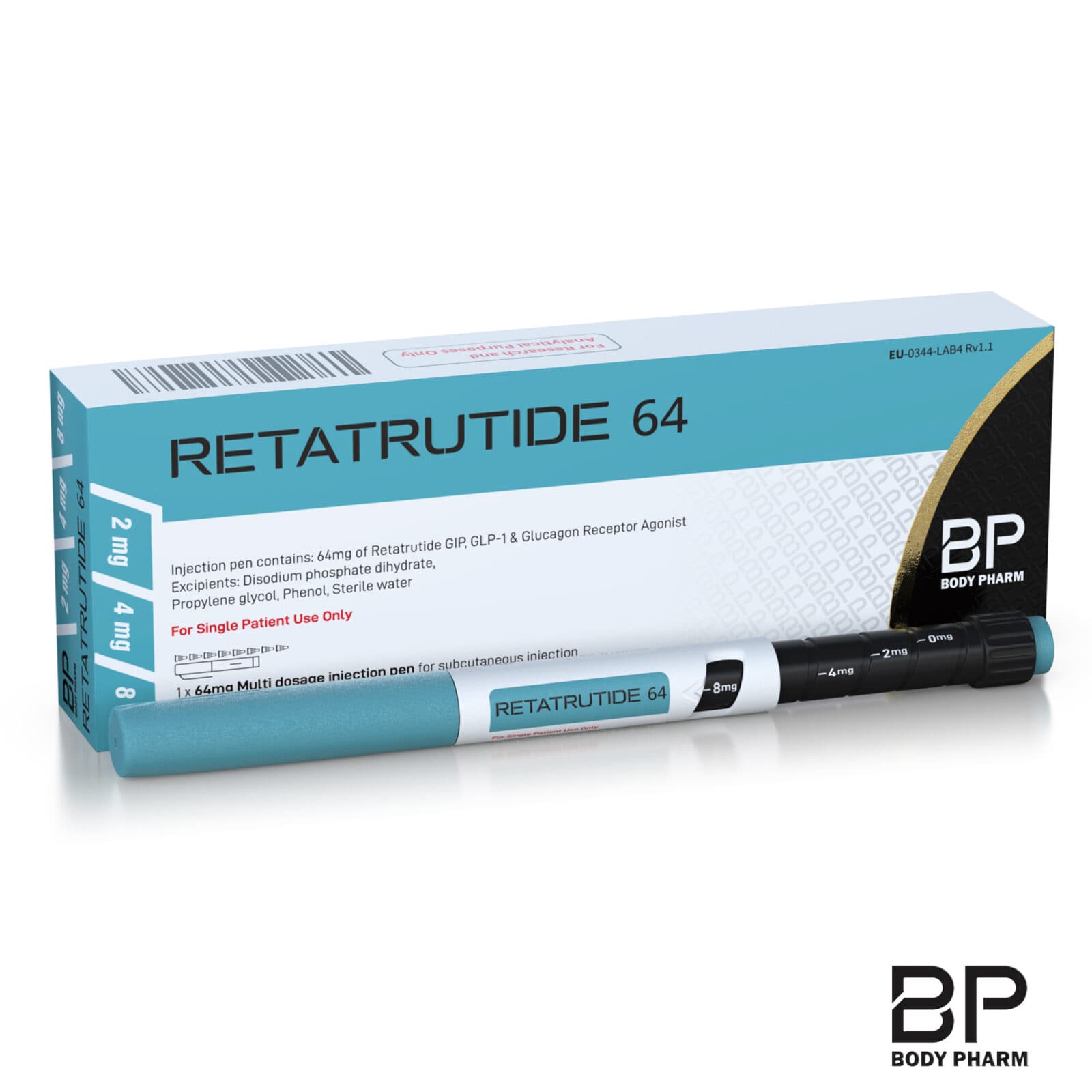
Body Pharm Retatrutide 64 Pen
R5 000.00
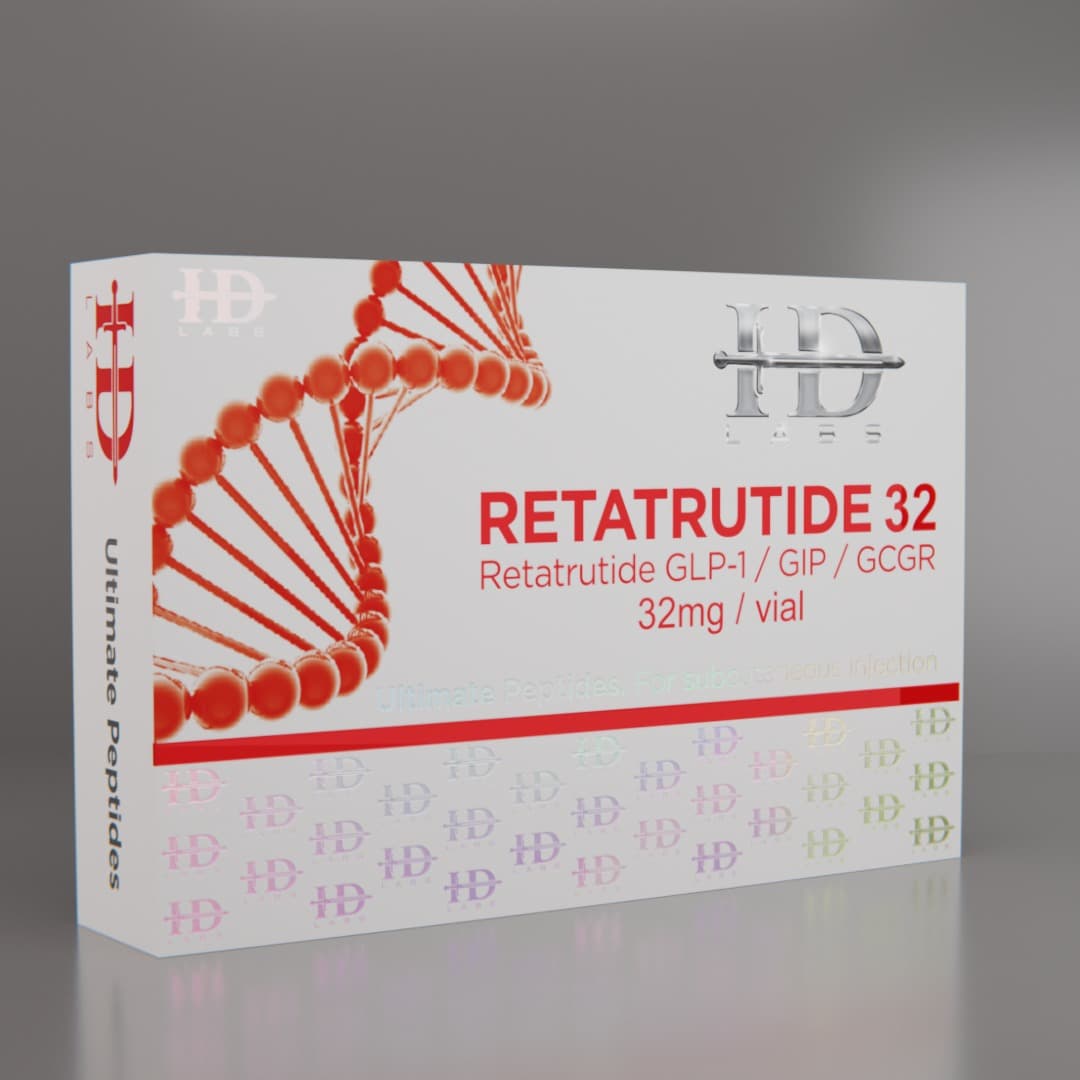
HD Labs Retatrutide 32 Vial
R2 300.00
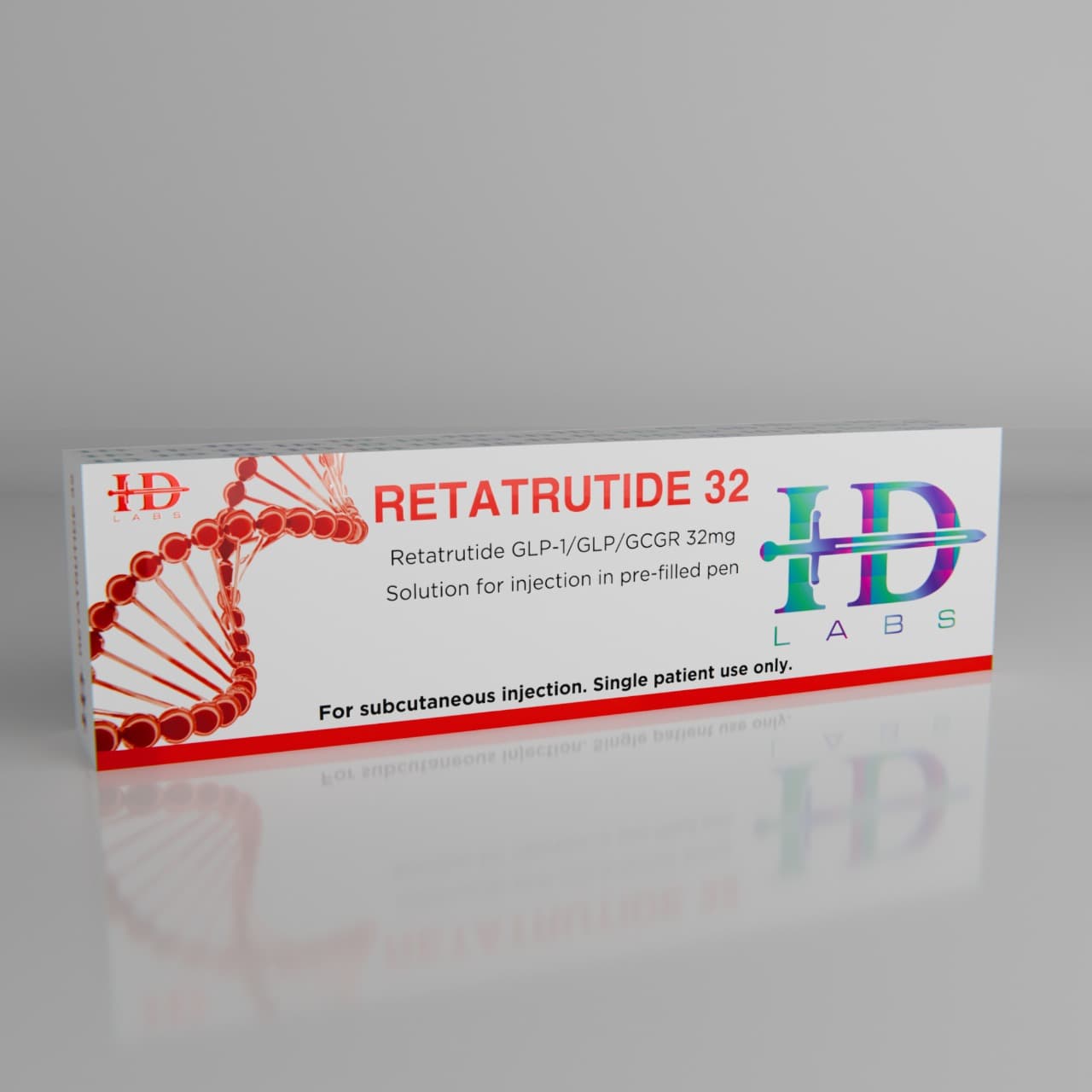
HD Retatrutide 32 pen
R2 500.00
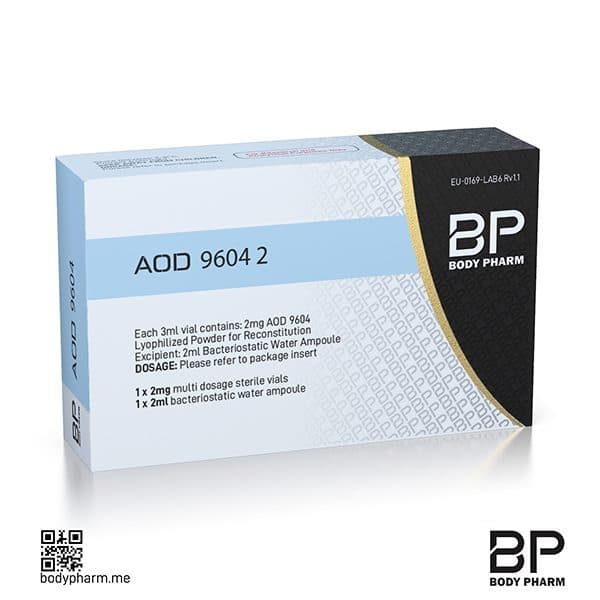
Body Pharm AOD 9604 2 Vial
R350.00
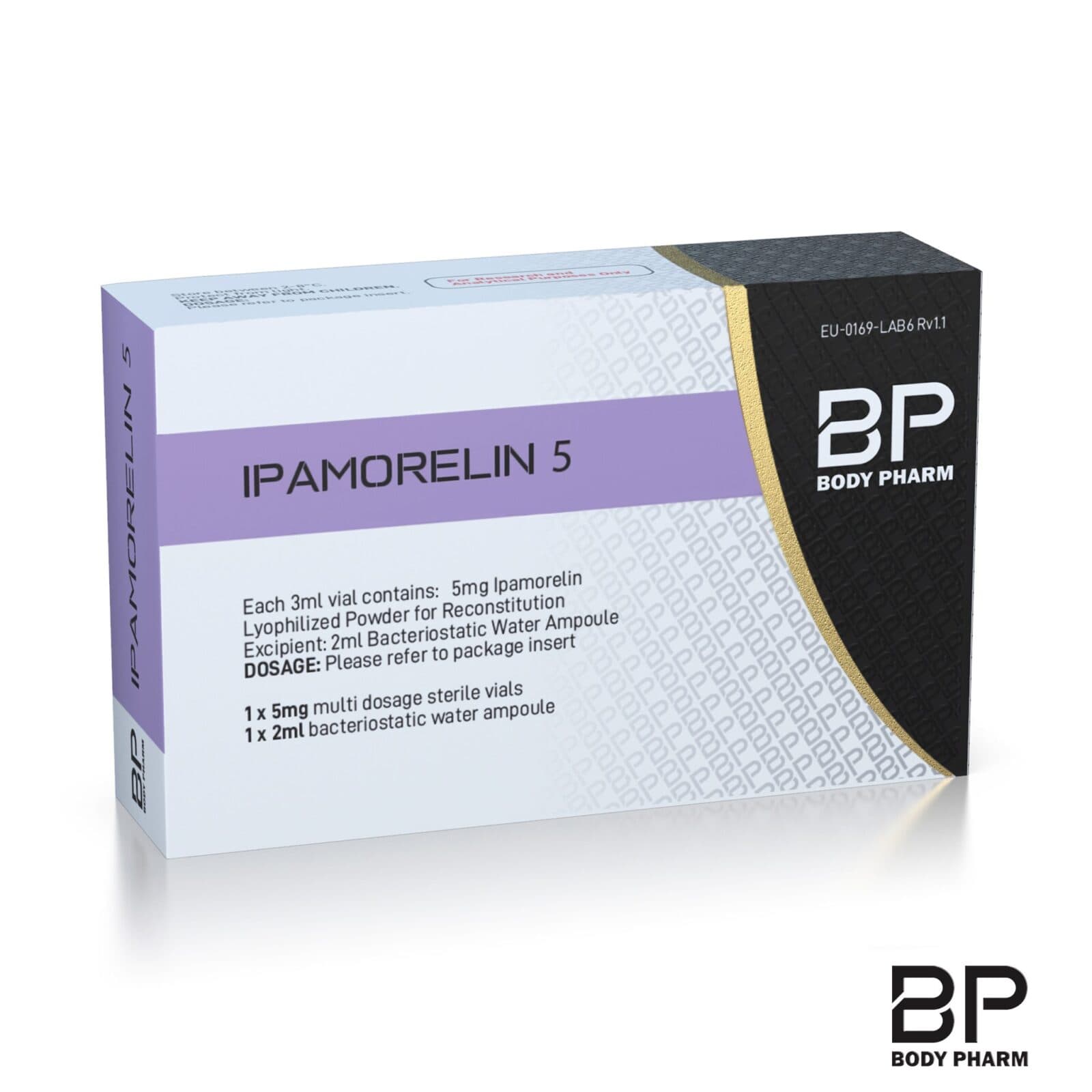
Body Pharm Ipamorelin 5 Vial
R360.00

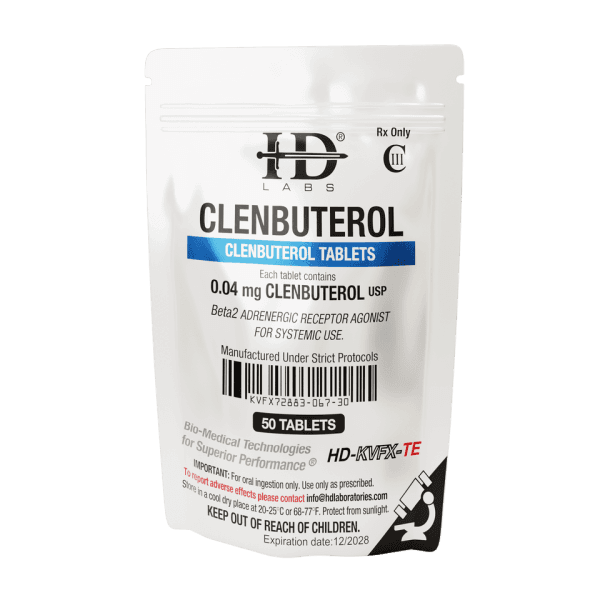
HD Labs Clenbuterol 40
R160.00
Retatrutide 10mg Vial
R1 500.00
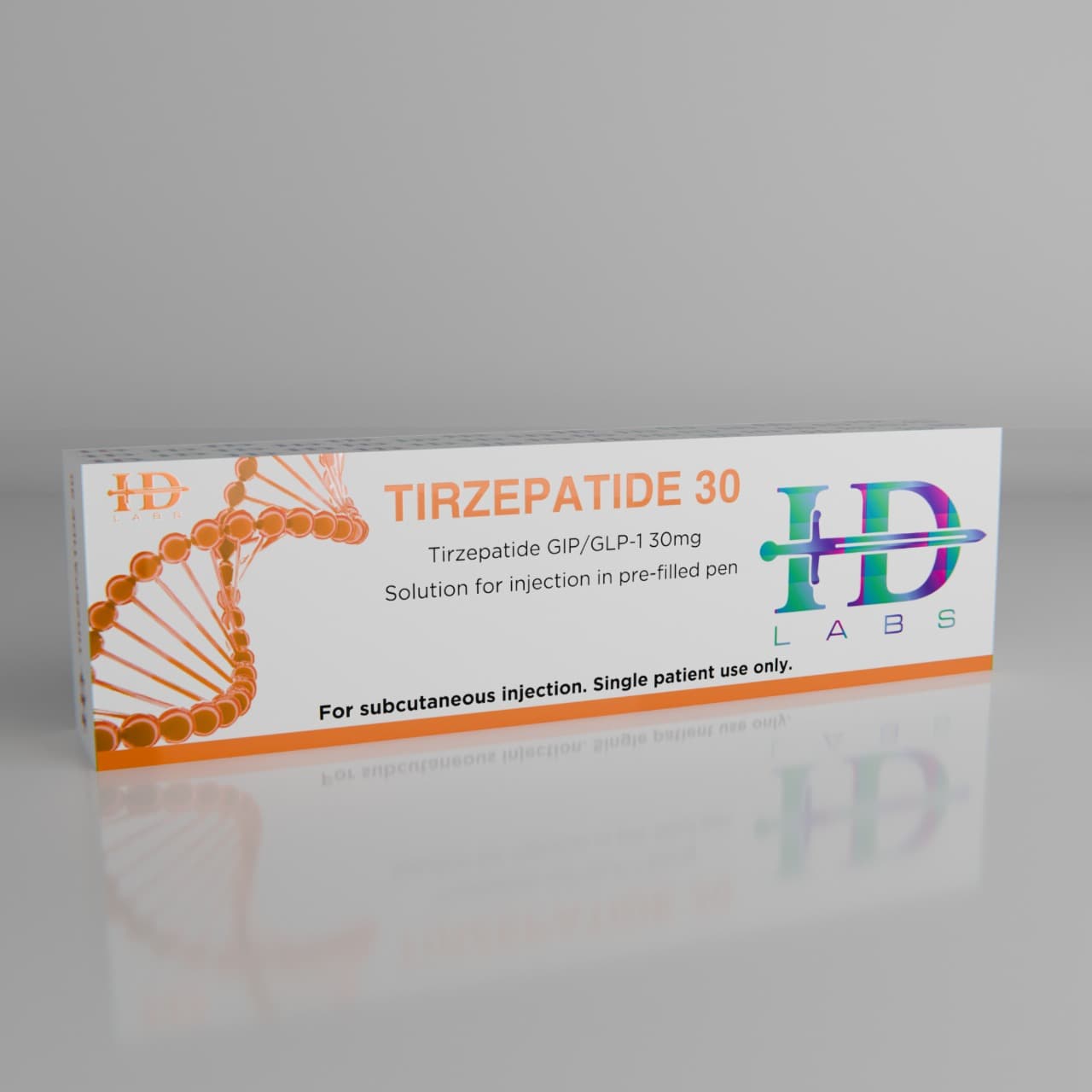
HD Tirzepatide 30 pen
R2 100.00
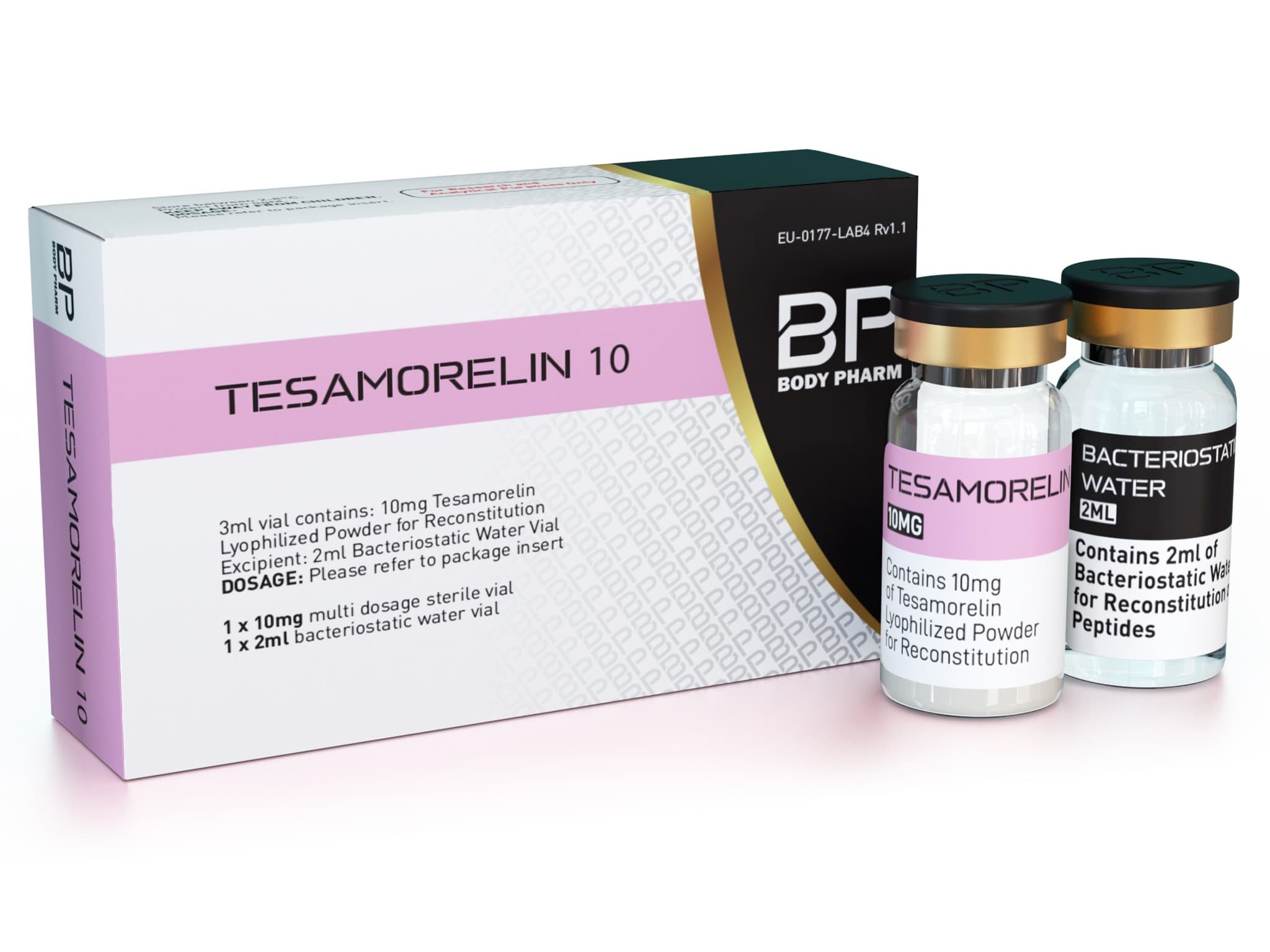
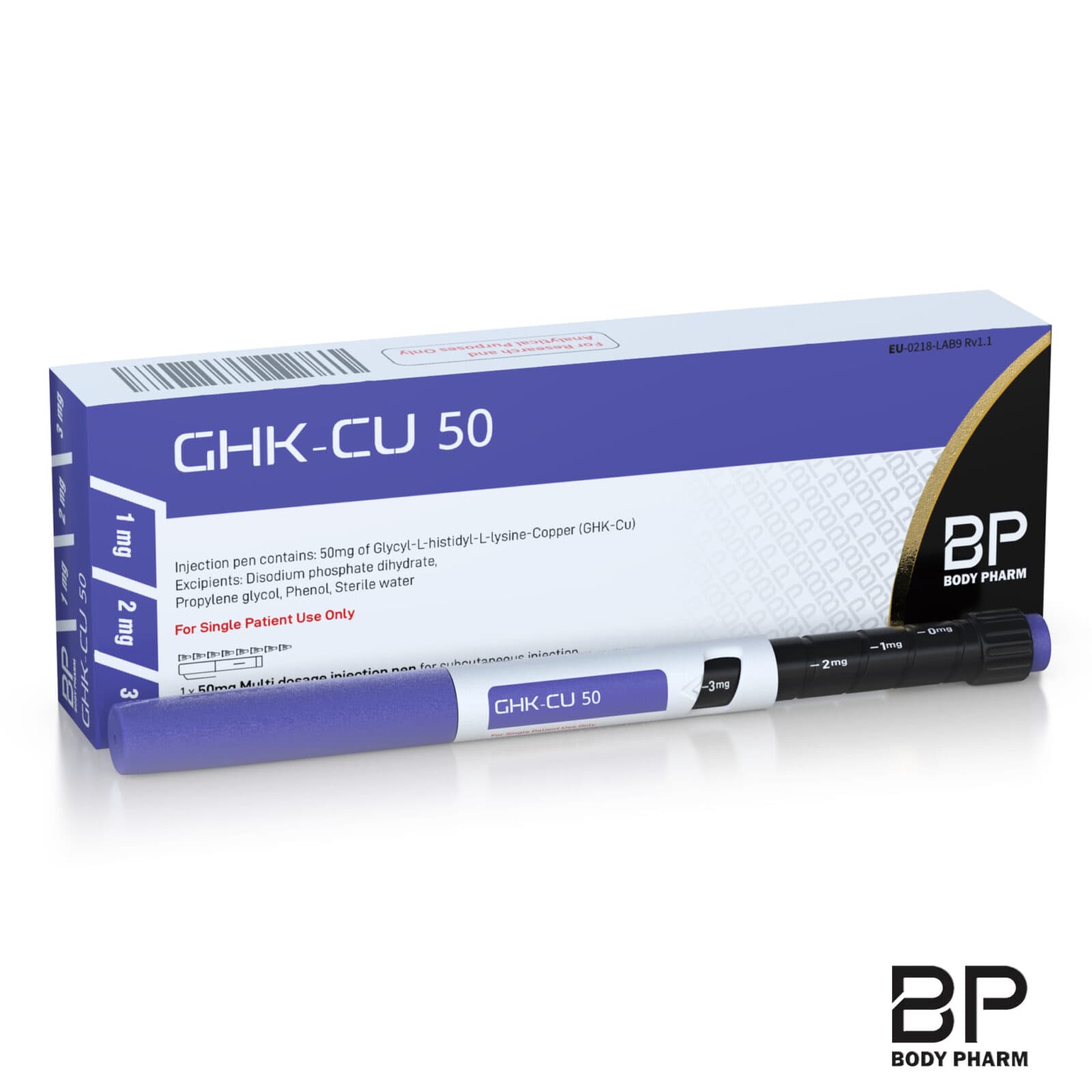
Body Pharm GHK-Cu 50 Pen
R1 600.00
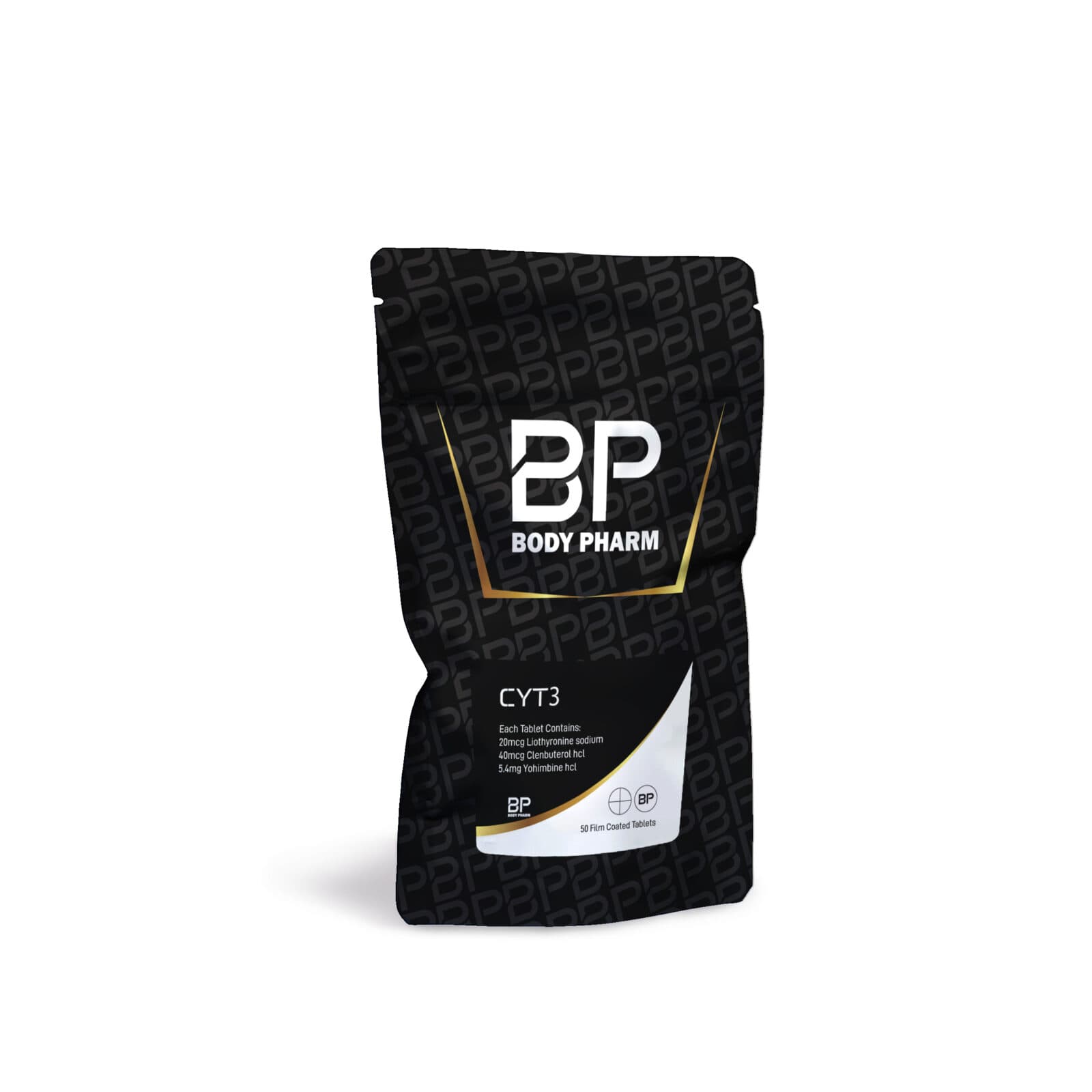
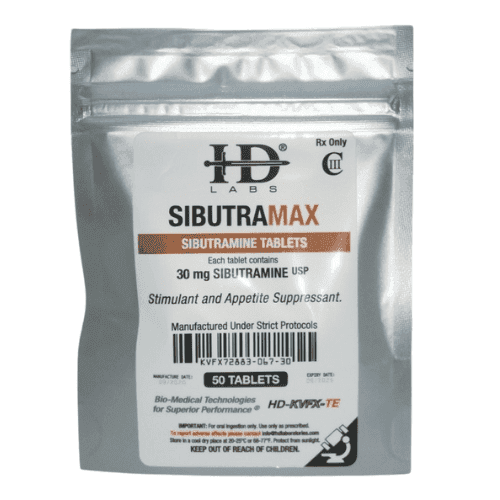
HD Labs SibutraMax 30
R280.00
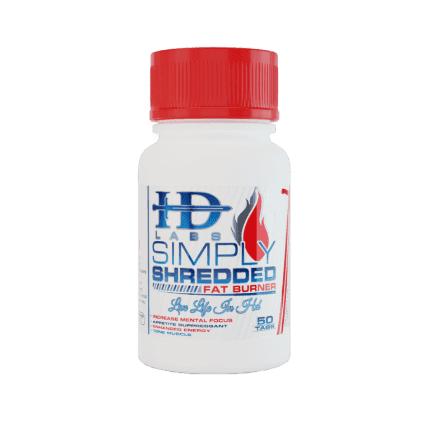
HD Labs Simply Shredded
R440.00
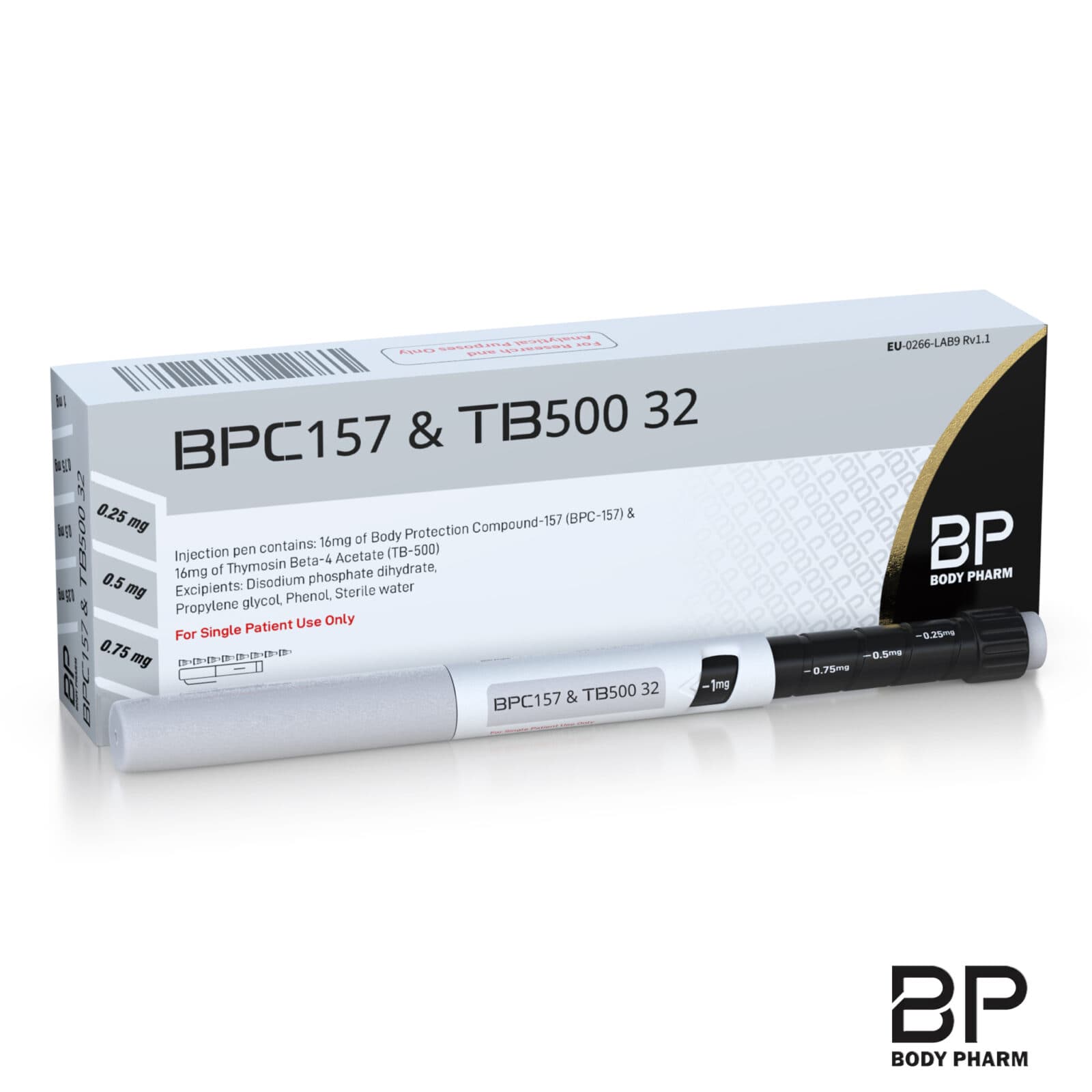
Body Pharm BPC 157 & TB500 32 pen
R2 400.00
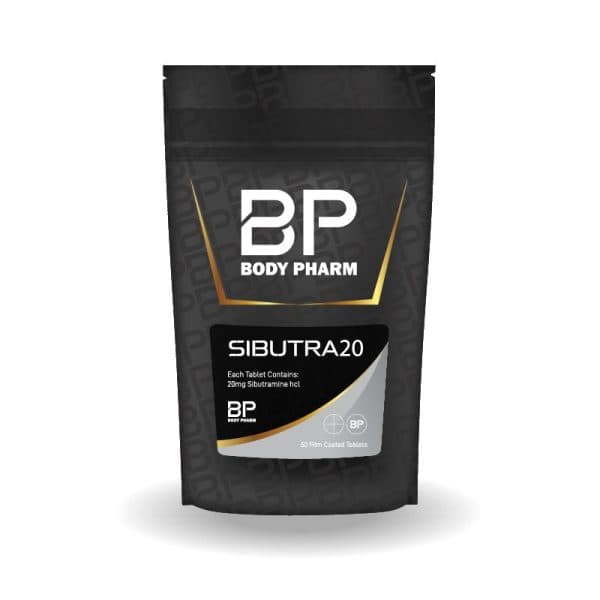
BP Sibutramine 20
R290.00
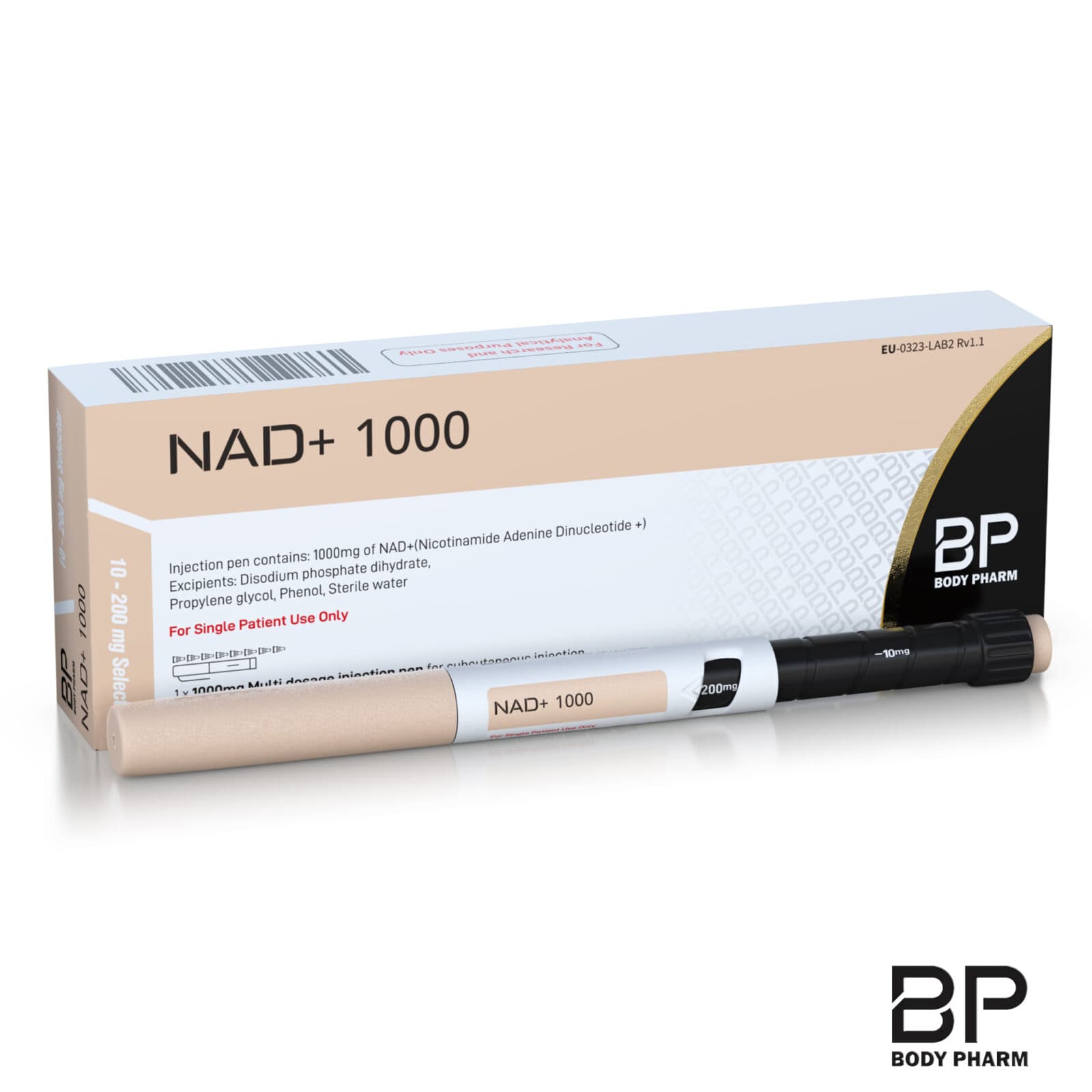
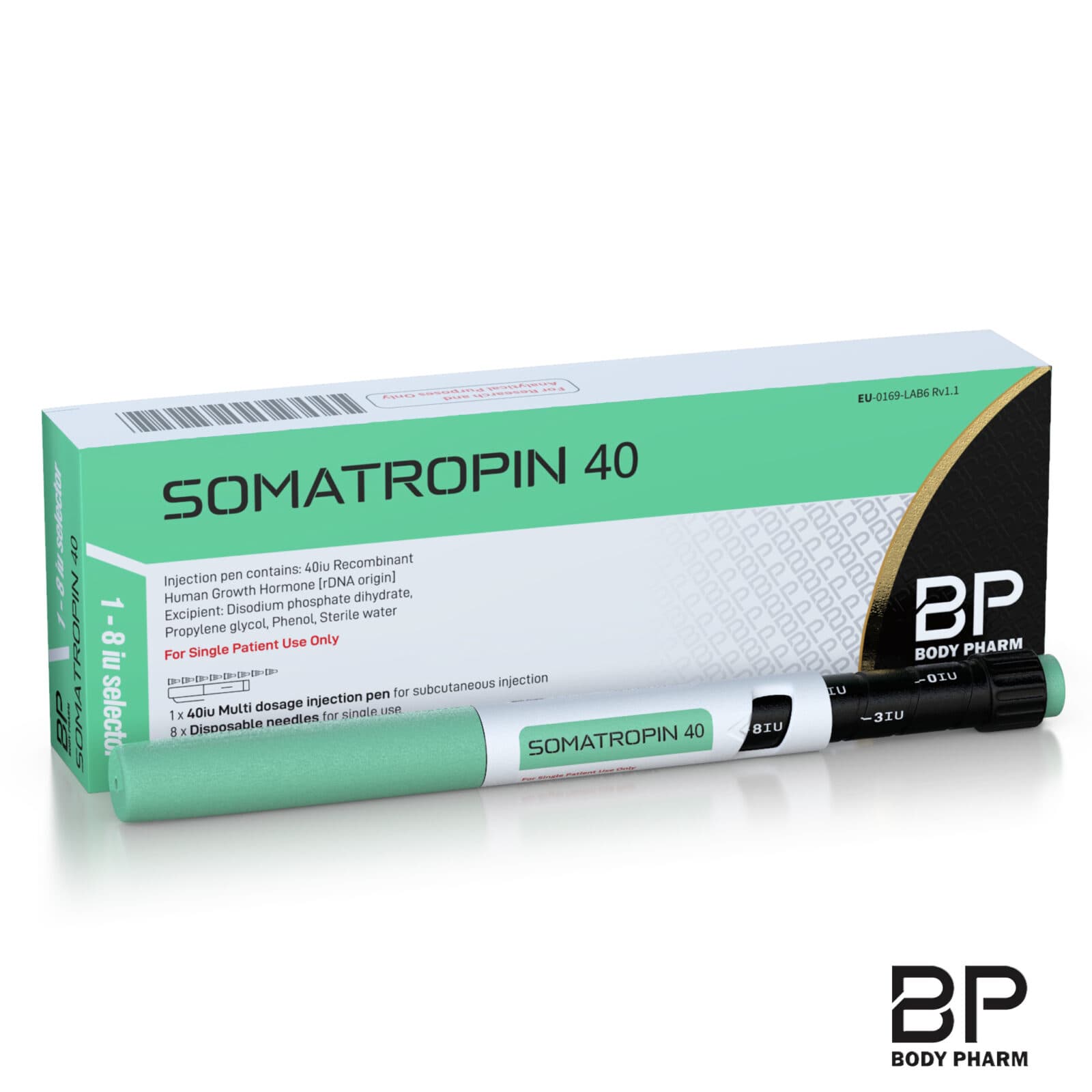
Body Pharm Somatropin 40 Pen (HGH)
R2 200.00
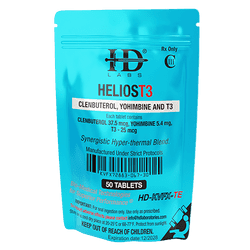
HD Labs Helios T3
R200.00
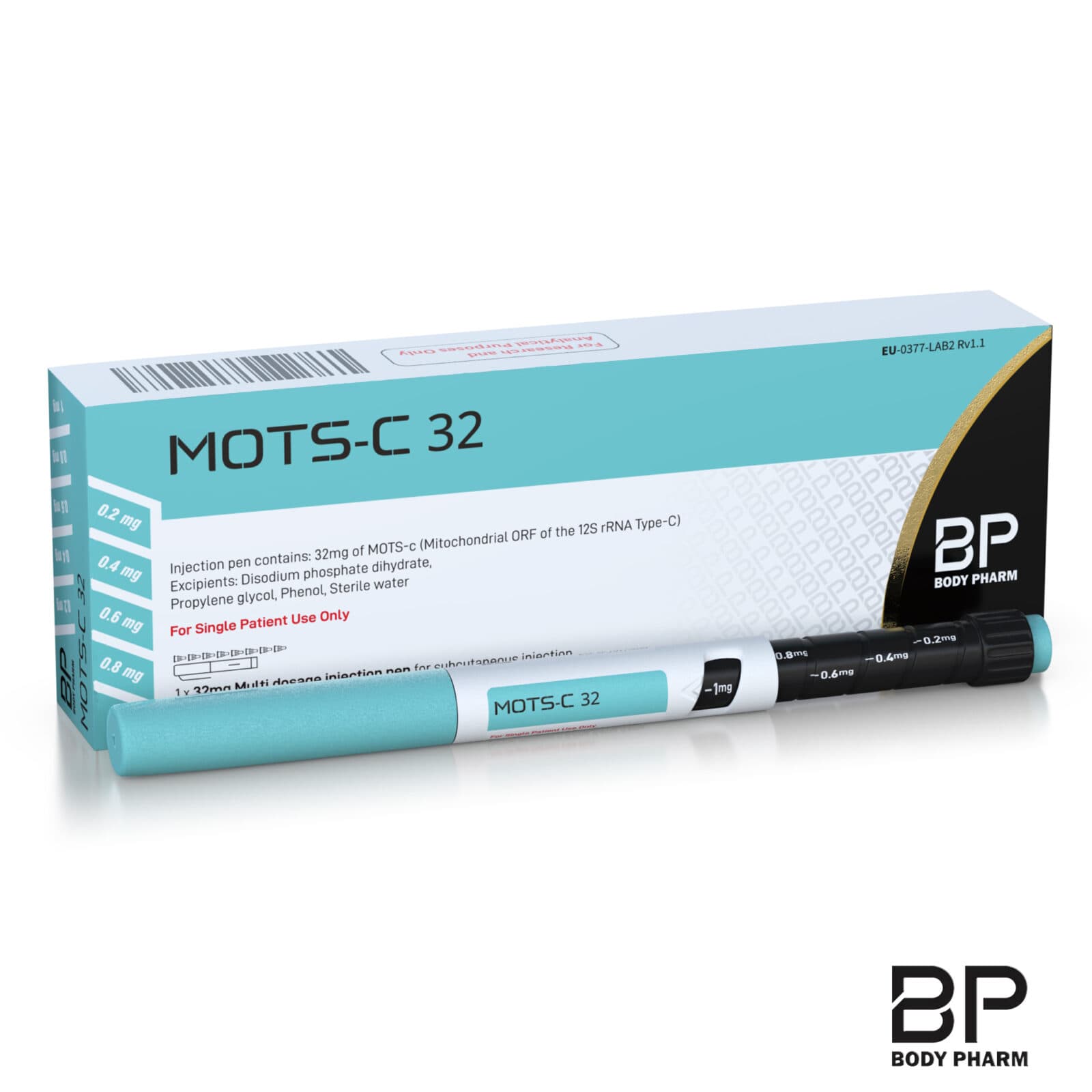
Body Pharm MOTS-C 32 Pen
R2 200.00
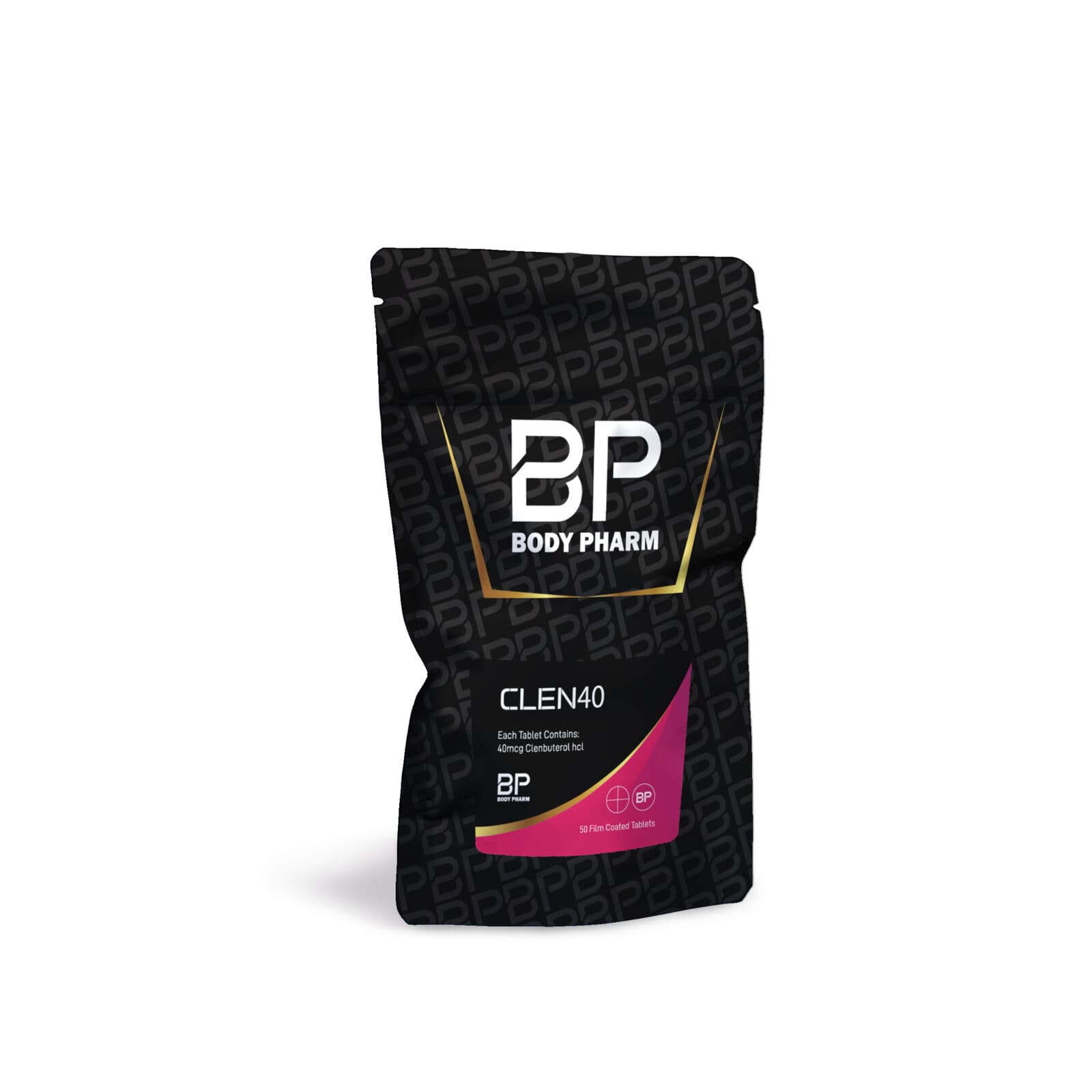
BP Clenbuterol 40
R200.00
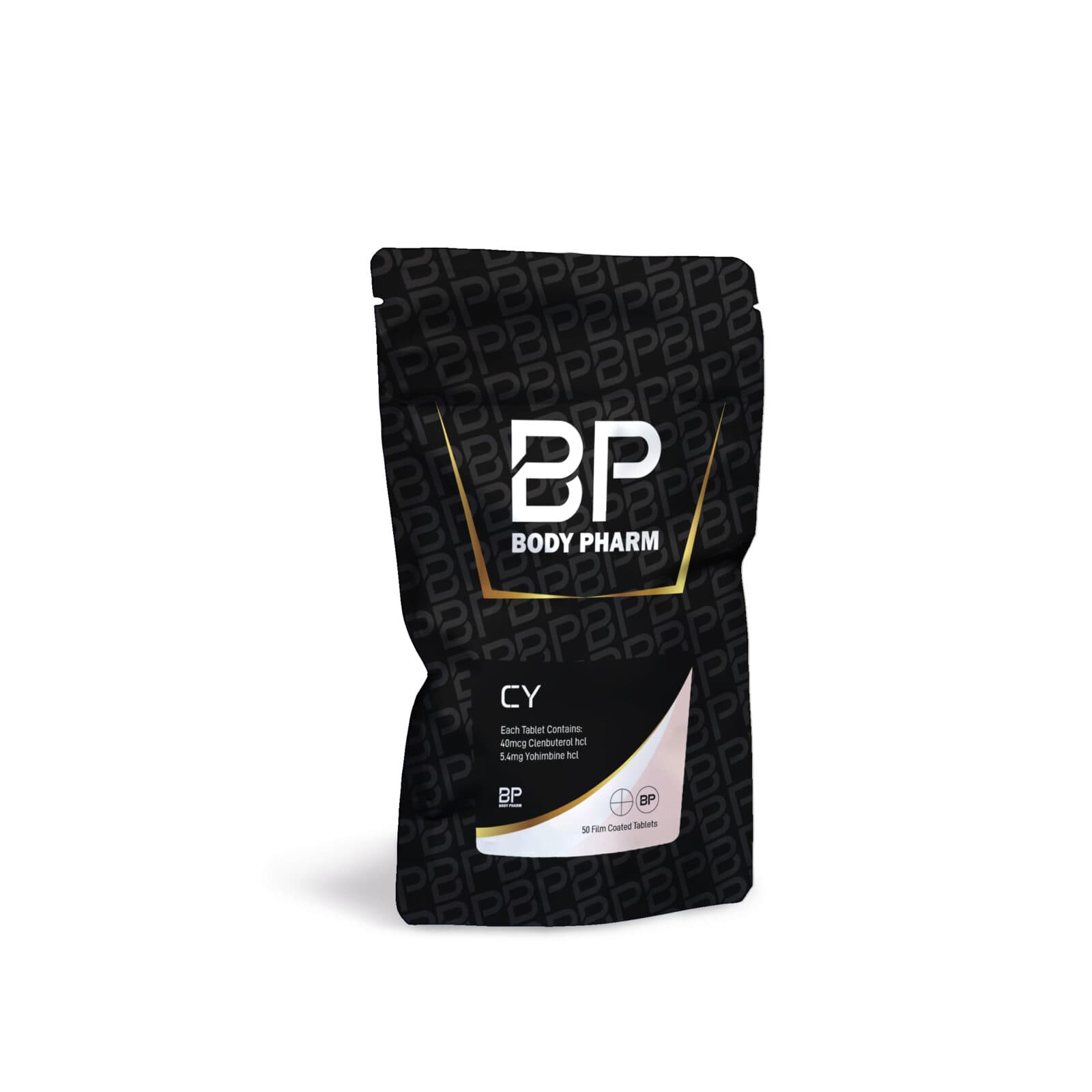
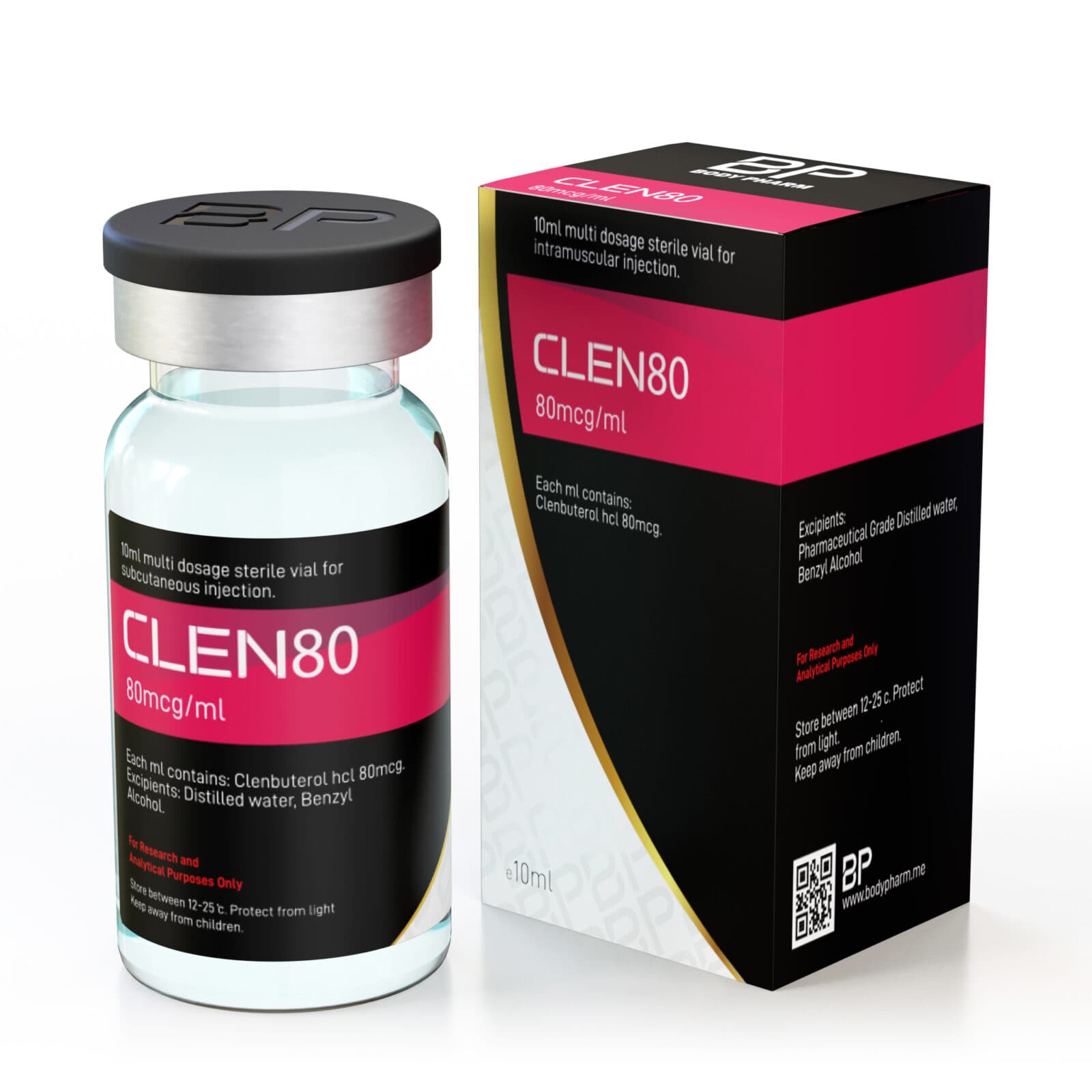
BP Aqua Clen 80 (Injection)
R240.00
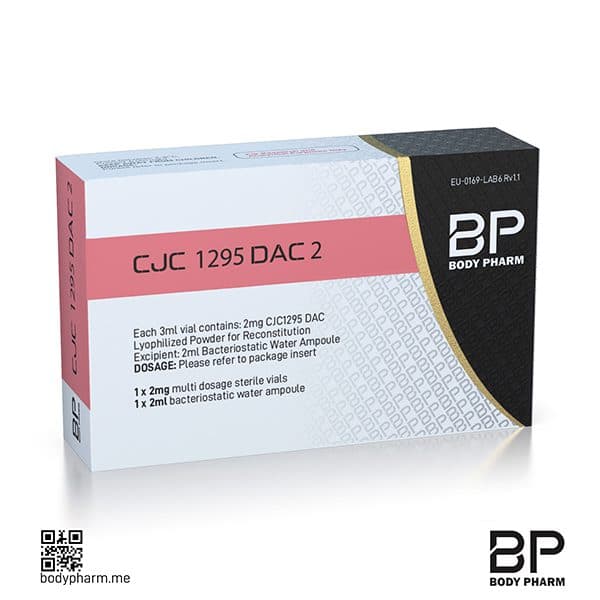
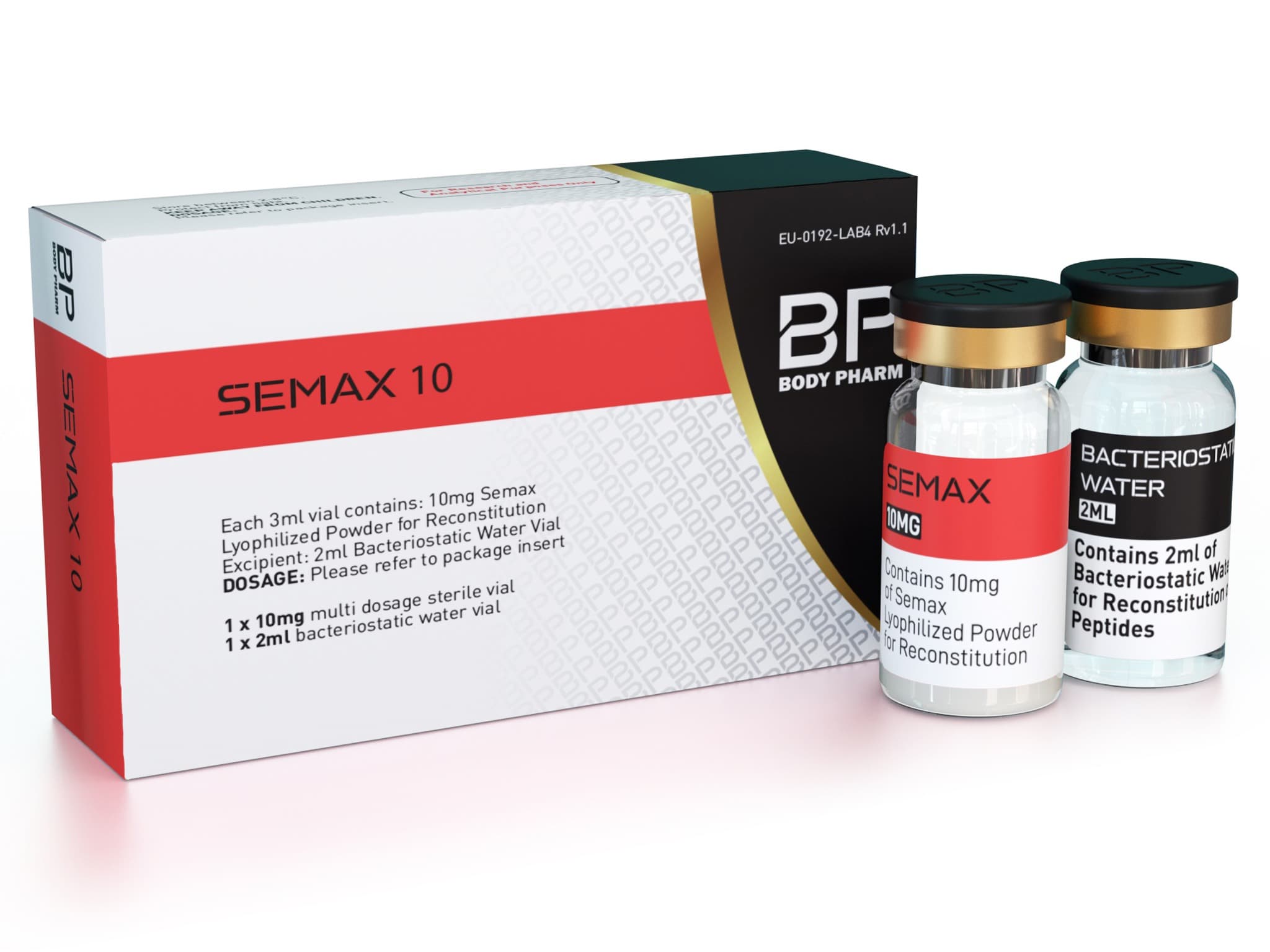
Body Pharm Semax 10 Vial
R550.00

Body Pharm MOTS-C 10 Vial
R600.00
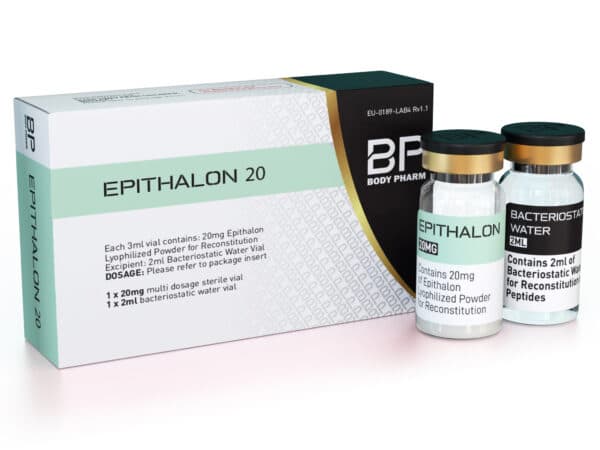
Body Pharm Epithalon 20 Vial
R600.00
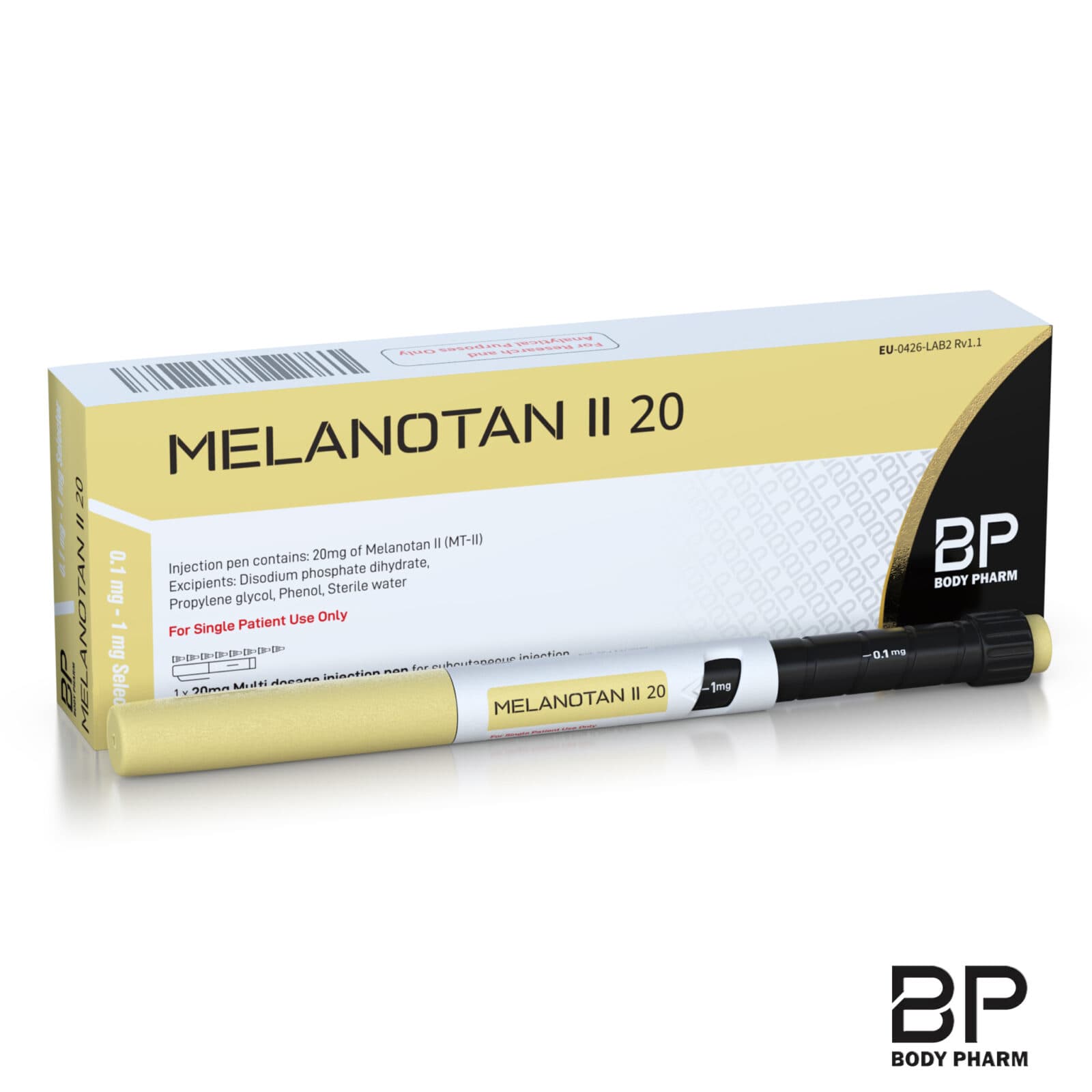
Body Pharm Melanotan II 20 Pen
R1 400.00
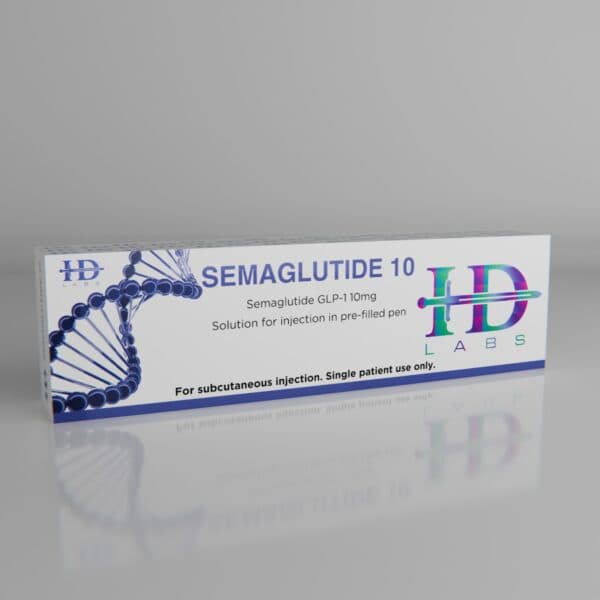
HD Semaglutide 10 Pen
R1 600.00
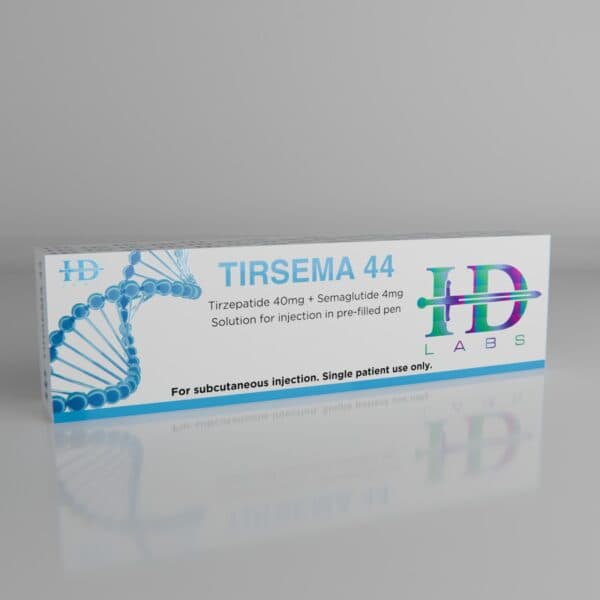
HD Tirsema 44 Pen
R2 400.00
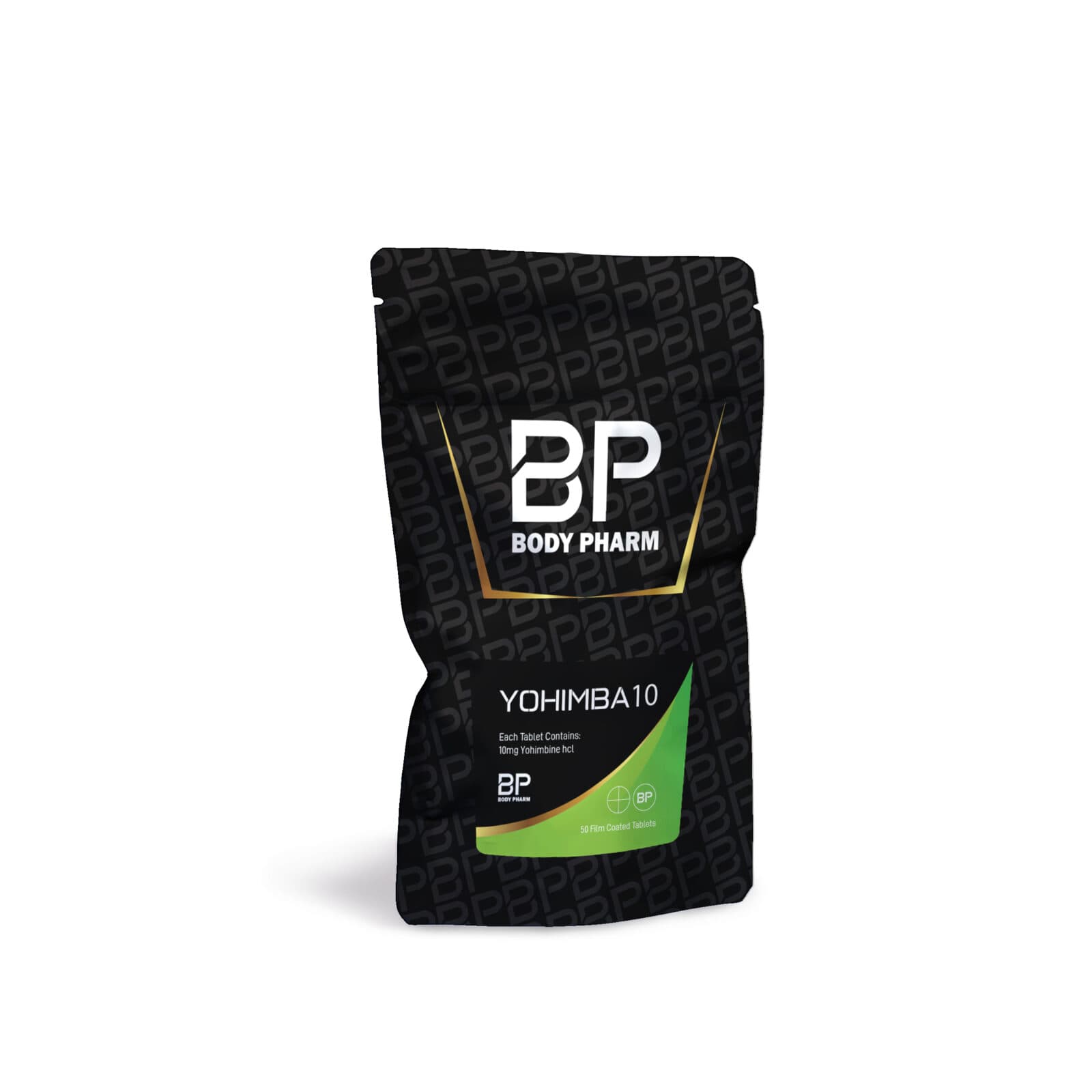
BP Yohimba 10
R220.00
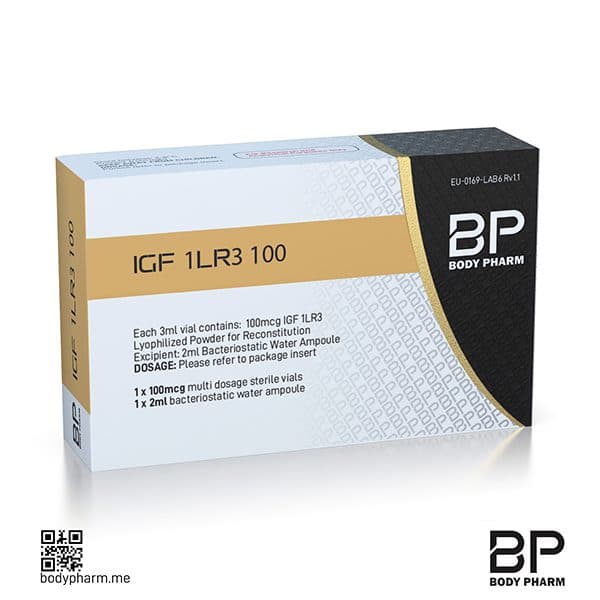
Body Pharm IGF 1LR3 100 Vial
R340.00
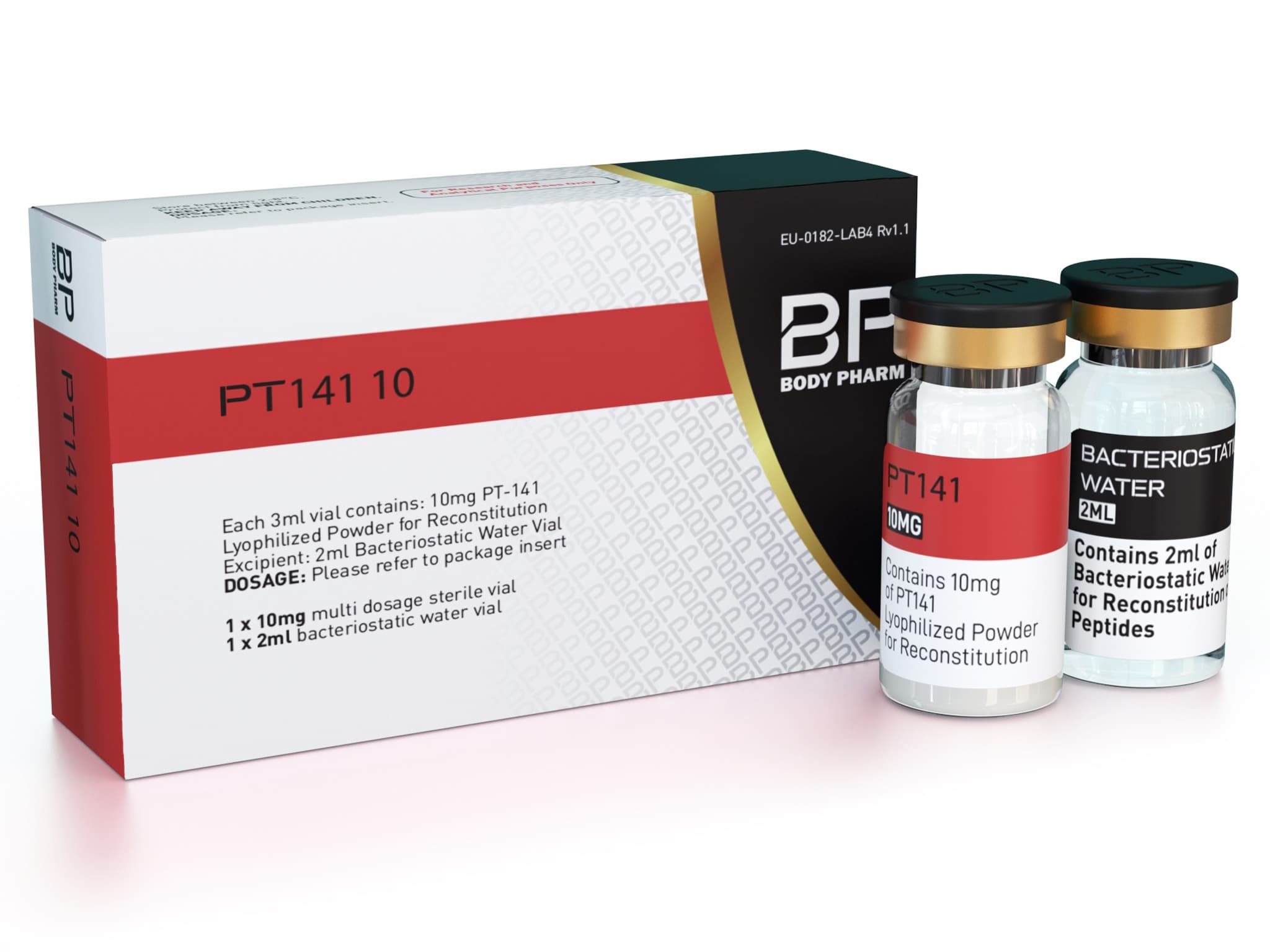
Body Pharm PT-141 10 Vial
R480.00
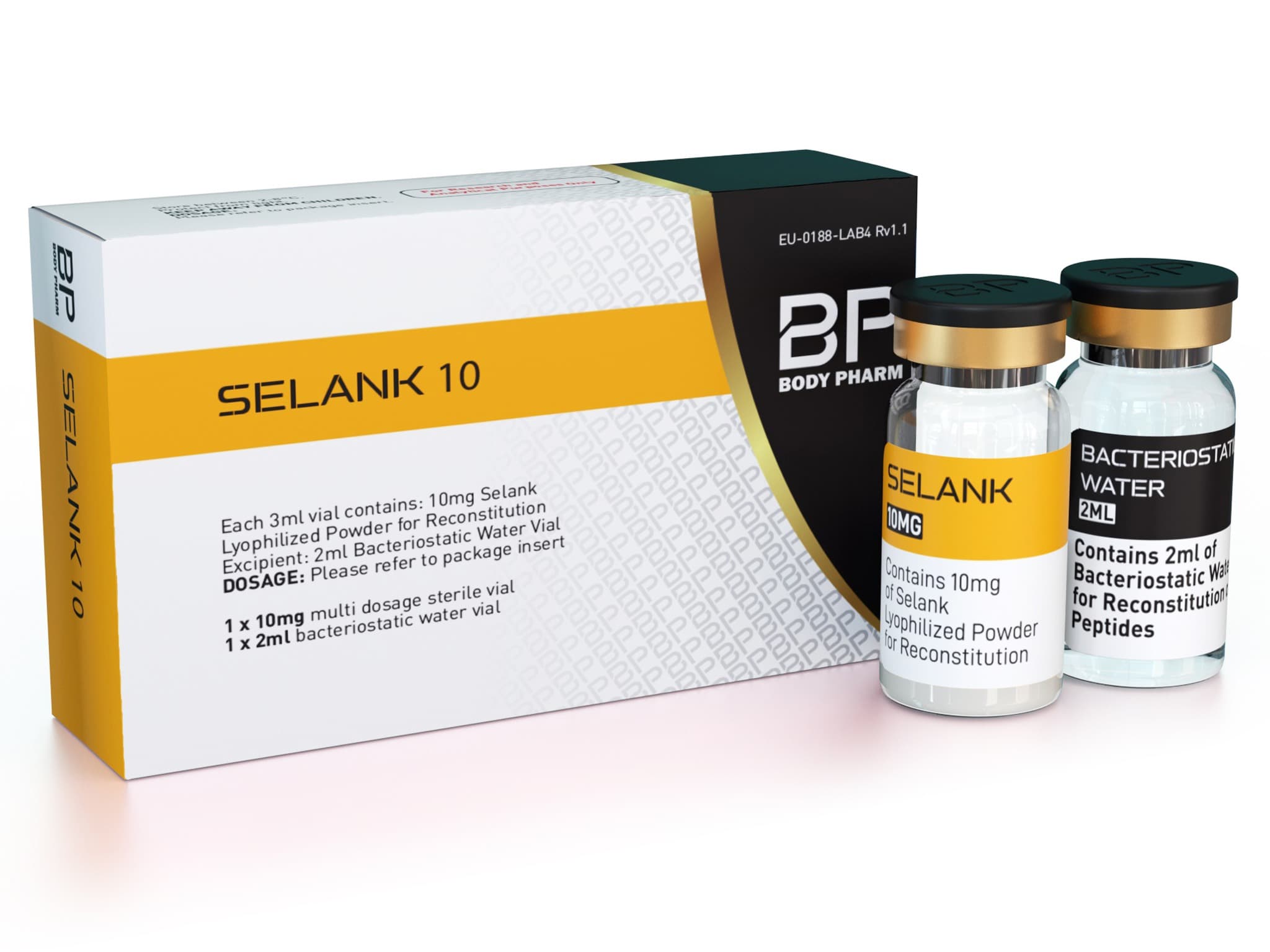
Body Pharm Selank 10 Vial
R520.00
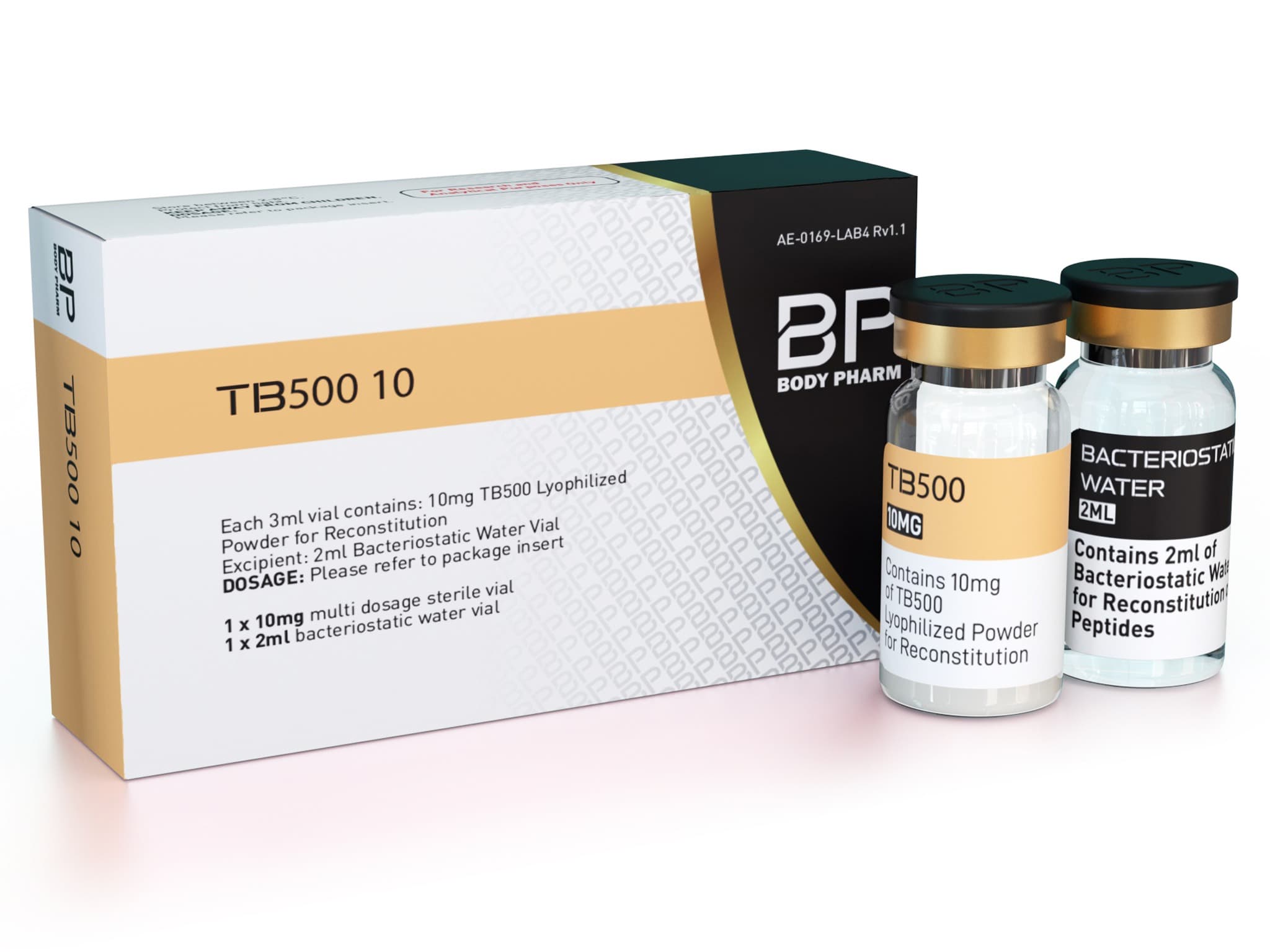
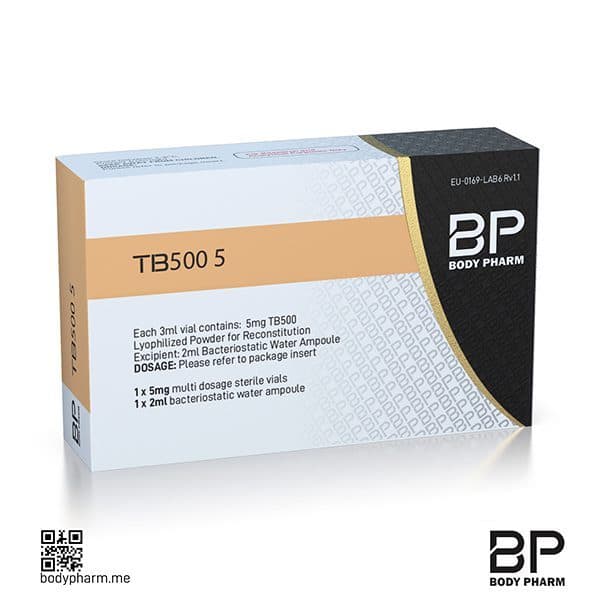
Body Pharm TB-500 10 Vial
R580.00
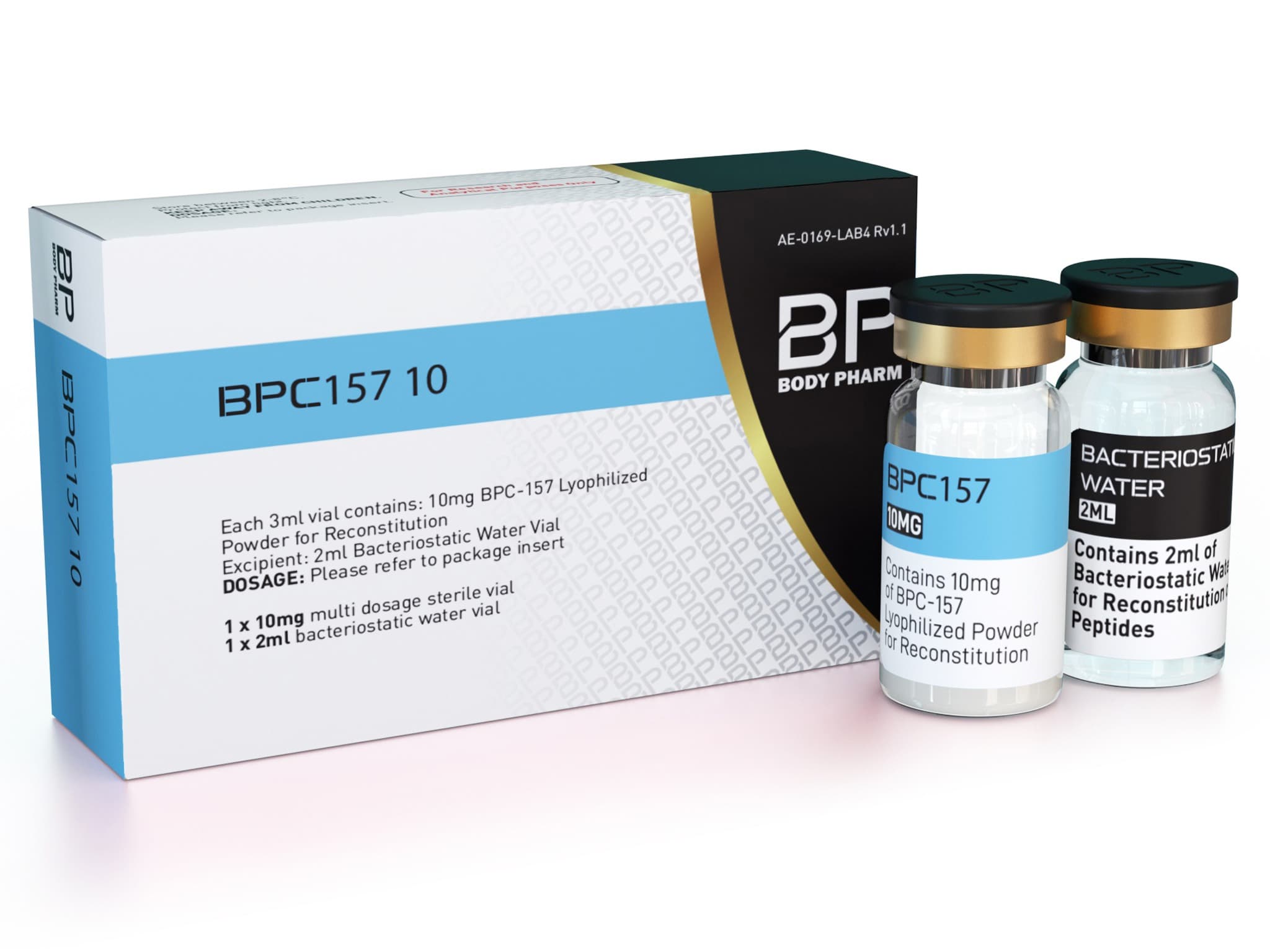
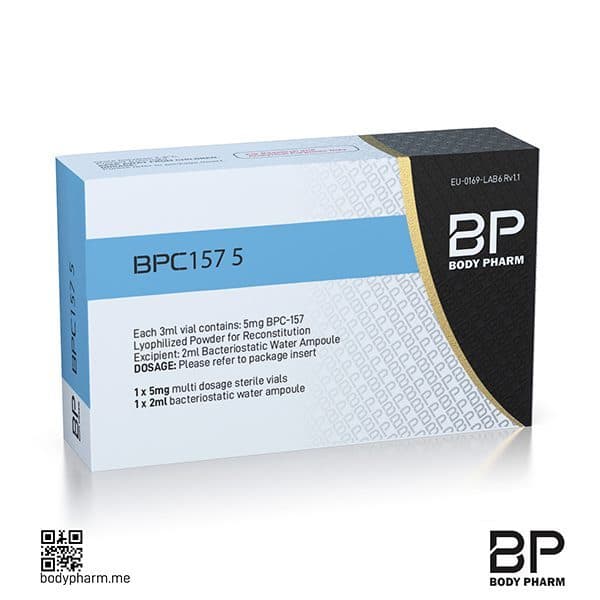
Body Pharm BPC157 10 Vial
R600.00
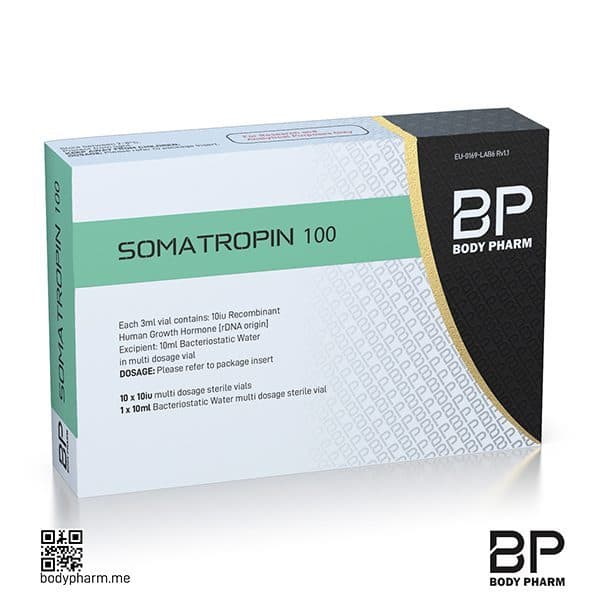
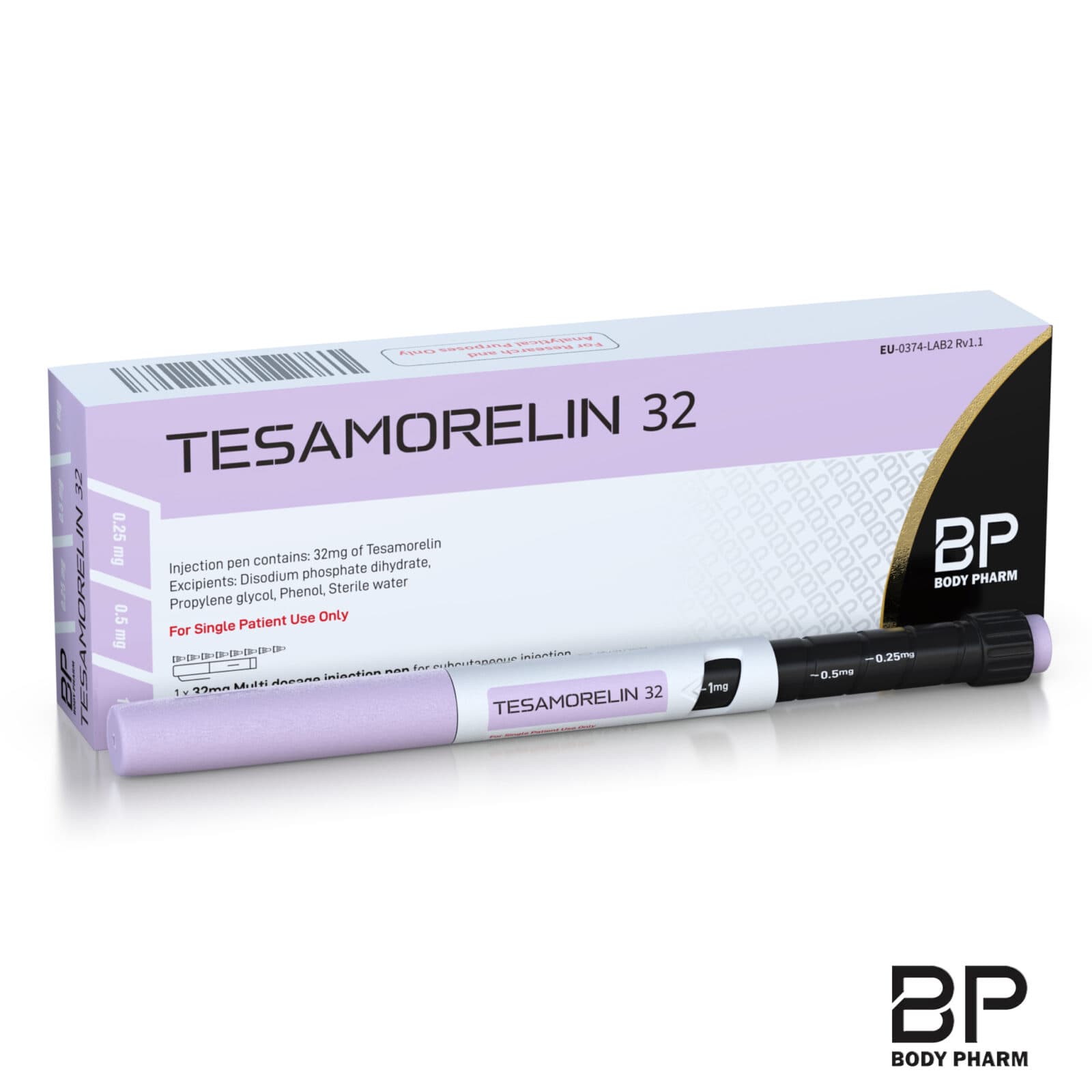
Body Pharm Tesamorelin 32 Pen
R2 640.00
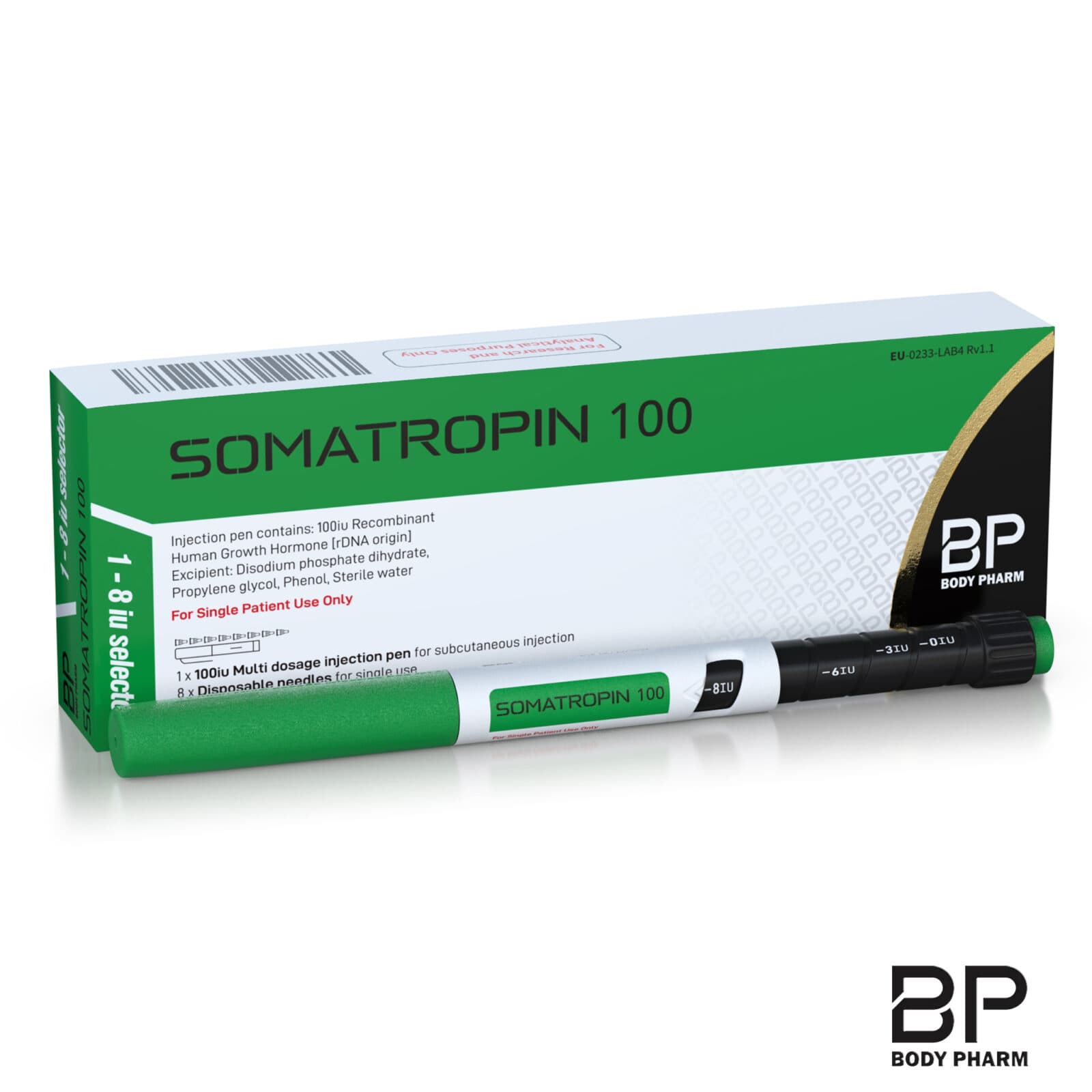
Body Pharm Somatropin 100 Pen (HGH)
R4 200.00
To buy peptides online in South Africa in 2026 with confidence, compare suppliers against five concrete criteria before paying:
- A batch-matched certificate of analysis naming an ISO/IEC 17025-accredited laboratory and its accreditation number.
- Documented cold-chain packaging (insulated box, validated coolant) for products requiring 2–8 °C storage.
- Transparent product range with lot numbers, peptide sequence, and purity percentage published per item.
- Pricing benchmarked per milligram, not per vial, so dosage-adjusted cost is comparable.
- A clear regulatory position on the Medicines and Related Substances Act and SAHPRA, including how the supplier labels research-use material [5].
I've spent the past few months pulling Certificates of Analysis, checking shipping practices, and cross-reading SAHPRA's framework. The honest finding: most local suppliers publish marketing claims, not independently verifiable quality data, and the difference matters when you're handing over a card.
Key Takeaways
- Only one of five South African suppliers reviewed (Beskinny) publishes a broad prefilled-pen catalogue with ZAR pricing on every listing.
- A trustworthy Certificate of Analysis must name the testing lab, reference an ISO/IEC 17025 accreditation number, and match the batch number on your vial or pen.
- Cold-chain shipping is non-negotiable during South African summer; ambient highs in Johannesburg, Cape Town, and Durban routinely exceed refrigerated-storage targets.
- "Research use only" labelling is not a legal exemption from the Medicines and Related Substances Act if the product is marketed for therapeutic use.
- Consult a registered healthcare professional before any human use of research peptides, regardless of supplier claims.
What Are Research Peptides? (2026 Plain-Language Overview)
Research peptides are short chains of amino acids, typically 2–50 residues long, sold for laboratory and in-vitro investigation rather than human therapeutic use. They sit in a different regulatory category from pharmaceutical-grade medicines.
A pharmaceutical peptide (insulin, semaglutide) is registered with SAHPRA for a specific clinical indication, dosed under prescription, and manufactured under GMP with batch release documentation tied to that indication. A research peptide is sold without therapeutic claims, which is why South African suppliers label them "for research purposes only." That labelling is what keeps the product outside the direct medicines-registration pathway, though the underlying Medicines and Related Substances Act can still apply depending on claims and composition [1].
The peptides most commonly purchased on the South African market in 2026 are:
- BPC-157 (Body Protection Compound-157) — a synthetic peptide derived from a sequence found in human gastric juice; tissue-repair research is primarily animal and in-vitro.
- TB-500 — a synthetic fragment of Thymosin Beta-4, studied for wound healing and inflammation, again largely in animal models.
- CJC-1295 (with or without DAC) — a GHRH analogue that extends growth-hormone-releasing hormone signalling.
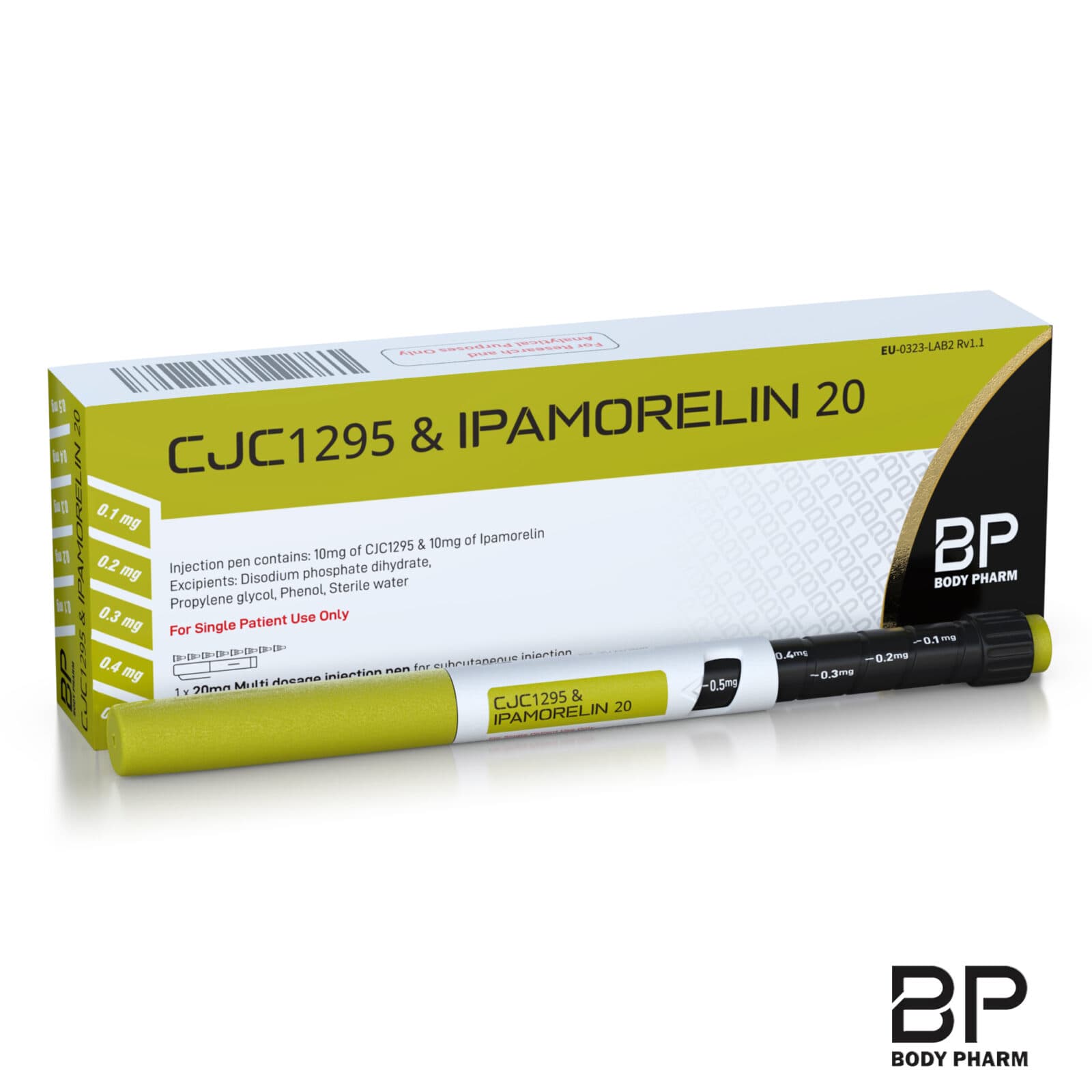
- Ipamorelin — a selective growth hormone secretagogue; frequently combined with CJC-1295 for GH pulse amplification, and sold locally in pre-mixed pen format like the Body Pharm CJC-1295 & Ipamorelin 20 pen.
- GHK-Cu — a copper tripeptide investigated for skin and hair applications.
- MOTS-C — a mitochondrial-derived peptide studied for metabolic signalling, available locally as the Body Pharm MOTS-C 32 pen.
- Melanotan II — a melanocortin analogue marketed for pigmentation research.
None of these seven has large-scale human randomised controlled trial data supporting an approved therapeutic indication in South Africa as of 2026. SAHPRA has not published a peptide-by-peptide schedule entry for them in the sources reviewed here [1]. Treat any vendor claim of "clinically proven" benefits with scepticism unless they cite a registered indication.
SAHPRA & the Legal Landscape for Buying Peptides in SA
Buying peptides online in South Africa sits in a regulatory grey zone in 2026. SAHPRA regulates medicines and scheduled substances under the South African Health Products Regulatory Authority Act of 2017. No publicly available SAHPRA document reviewed for this guide explicitly schedules the most common research peptides (BPC-157, TB-500, CJC-1295, Ipamorelin, GHK-Cu). Absence of a named entry is not the same as confirmation that a substance is unregulated [1][2].
Here is how the legal picture breaks down for a SA buyer in 2026:
SAHPRA's mandate covers medicines, medical devices, and scheduled substances. If a product is marketed for therapeutic, preventative, or diagnostic use, it generally falls under the Medicines and Related Substances Act regardless of how the seller labels it [2].
Schedules 0–7 classify substances by risk and prescription requirements, from Schedule 0 (general sale) through Schedule 4 (most prescription medicines) up to Schedule 7 (highly restricted). Peptides are not listed by name in the schedule extracts reviewed here, but a peptide can still be captured by a broader class definition or by therapeutic-claim rules [2]. [unverified for each peptide]
"For research use only" labelling is a commercial convention, not a SAHPRA-recognised legal exemption. If the product is sold with therapeutic claims, marketed for human use, or contains a scheduled active, the RUO label will not insulate either seller or buyer from the Act [2].
GLP-1 agonists are different. Semaglutide and related GLP-1/GIP medicines are registered prescription items in South Africa and may not be sold online without a valid script. Cagrisema (semaglutide + cagrilintide) was a late-stage Novo Nordisk clinical candidate as of 2025–2026 and its SAHPRA approval status is not publicly documented in the sources reviewed [2]. [unverified]
Enforcement history against online peptide sellers between 2023 and 2026 is not documented in the sources available for this guide. That silence is not evidence of safety; it only means no specific warning was located [3][4][5]. [unverified]
I am not your lawyer or your doctor. Before you buy peptides online, particularly anything pen-format like the Body Pharm CJC-1295 & Ipamorelin 20 pen or the Body Pharm MOTS-C 32 pen, check current SAHPRA schedules directly and speak to a registered healthcare professional about intended use.
How We Evaluated South African Peptide Suppliers
I scored five South African peptide retailers in Q2 2026 against a fixed five-criterion rubric, using only publicly available website information, product listings, and any CoA or shipping documentation the sites themselves published. No products were independently lab-tested for this guide, and that limitation matters: purity claims I could not verify against an ISO/IEC 17025 accreditation record are treated as marketing, not data [1][2][3].
Suppliers evaluated (Q2 2026): Beskinny (beskinny.store), peptides.co.za, protopep.co.za, buypeptides.co.za, and purepeptides.co.za. Each was assessed on the same five criteria, in the same order, by the same reviewer.
Purity certification / CoA availability — does the site publish a per-batch certificate of analysis that names the testing laboratory, shows a lot number that matches the product, and references an accreditation number a buyer can verify with SANAS [1][3]?
Cold-chain shipping policy — is there a written policy covering insulated packaging, coolant, and transit time for 2–8 °C peptides, given that Johannesburg, Cape Town, and Durban summer highs routinely exceed refrigerated targets [5]?
Product range breadth — number of distinct peptides and formats stocked, including pen-format SKUs like the Body Pharm CJC-1295 & Ipamorelin 20 pen and the Body Pharm MOTS-C 32 pen.
Pricing transparency — ZAR pricing on listing pages, no quote-only products, and visible shipping costs before checkout.
SAHPRA / regulatory awareness on-site — whether the supplier acknowledges the Medicines and Related Substances Act framework rather than relying solely on "research use only" wording [2][4].
Each criterion was rated Pass, Partial, or Fail. A Pass required documentary evidence on the site itself; a Partial meant the claim was made but not substantiated; a Fail meant absent or contradicted.
South African Peptide Supplier Comparison 2026
Of the five South African peptide retailers assessed in Q2 2026, only Beskinny publishes a broad prefilled-pen catalogue alongside ZAR pricing on every listing. The others lead with vials and per-batch claims of varying transparency. The table below summarises how each supplier performed against the five criteria. Pricing tiers are indicative ranges observed on listing pages in Q2 2026 and should be re-checked at point of purchase.
| Supplier | CoA / Purity Certification | Cold-Chain Shipping | Peptides Stocked | Pricing Tier (ZAR) | Regulatory Transparency | Notable Differentiator |
|---|---|---|---|---|---|---|
| Beskinny (beskinny.store) | CoA available on request; lab not publicly named [unverified] | Insulated packaging stated for temperature-sensitive SKUs | Body Pharm & HD Labs prefilled pens: BPC-157/TB-500, CJC-1295/Ipamorelin, GHK-Cu, MOTS-C, Melanotan II; GLP-1 pens (semaglutide, retatrutide) | Mid to upper (pens priced above equivalent vial dosing) | "Research use" framing; SAHPRA framework not directly addressed on product pages | Largest prefilled-pen range observed locally |
| peptides.co.za | CoA referenced site-wide; per-batch PDF visibility limited [3] | Standard courier; no documented 2–8 °C protocol on product pages | Broad vial catalogue across GH-secretagogues, healing, and cosmetic peptides | Lower to mid | "Research peptides" disclaimer; no explicit SAHPRA reference [3] | Long-standing SA-facing brand presence |
| protopep.co.za | "99%+ purity, third-party tested" claimed in SERP meta (2026); lab name not surfaced on landing pages [unverified] | "Cold chain shipping across South Africa" claimed in SERP meta (2026) [unverified] | Vials across common research peptides | Mid | Research-use framing; SAHPRA not specifically named on indexed pages | Only supplier in the set making an explicit cold-chain marketing claim |
| buypeptides.co.za | CoA mentioned but not consistently linked per SKU [unverified] | No documented cold-chain policy located | Standard vial range | Lower to mid | Research-use disclaimer; no SAHPRA-specific guidance located | Price-led positioning |
| purepeptides.co.za | Purity claims present; per-batch CoA not publicly downloadable at the SKU level [unverified] | No written cold-chain SLA located | Vial catalogue overlapping the other SA sellers | Mid | "For research only" wording; no Medicines Act reference located | Brand-name focus on purity messaging |
Beskinny (beskinny.store)
Beskinny's distinguishing feature is the prefilled-pen format under the Body Pharm and HD Labs labels, which removes the reconstitution step that trips up first-time buyers. The catalogue includes the Body Pharm CJC-1295 & Ipamorelin 20 Pen, the Body Pharm MOTS-C 32 Pen, BPC-157/TB-500, GHK-Cu, Melanotan II, and GLP-1 pens including semaglutide and retatrutide. CoA documentation is available on request rather than published per batch, which is where the site could move from Partial to Pass on criterion 1. Some buyers will prefer batch-specific documentation published upfront rather than on request.
peptides.co.za
The site positions itself as a generalist research-peptide retailer with a wide vial range and consumer-facing copy [3]. CoA references appear, but per-batch PDFs tied to specific lot numbers were not consistently visible at the SKU level during the Q2 2026 review. Independent purity verification remains a manual request.
protopep.co.za
Protopep is the only supplier in this set whose public-facing meta description explicitly claims "99%+ purity, third-party tested, cold chain shipping across South Africa" (SERP observation, 2026). Those are useful signals, but the lab name and accreditation reference need to appear on a downloadable CoA before the claim moves from Partial to Pass under criterion 1 [1][3].
buypeptides.co.za
The site competes primarily on price and product breadth rather than documentation depth. No written cold-chain SLA was located during the review, which matters for summer deliveries to Johannesburg, Cape Town, and Durban where last-mile ambient temperatures routinely exceed 2–8 °C targets.
purepeptides.co.za
Purity is front-and-centre in the brand name and on-page copy, but the public site did not surface a per-SKU, per-batch CoA at the time of review [unverified]. Buyers who want documentary evidence rather than marketing assertions should request a current CoA in writing before ordering.
Purity Certification: What a CoA Actually Tells You
A Certificate of Analysis (CoA) is a document issued by a testing laboratory that confirms a peptide batch's identity, purity percentage, and absence of named contaminants. It is tied to a specific lot number and test date. For South African buyers, a CoA is only meaningful if it names the testing lab, references an accreditation (ideally ISO/IEC 17025), and matches the batch number printed on the vial or pen you receive.
Two analytical methods do most of the work. HPLC (High-Performance Liquid Chromatography) separates the peptide from impurities and reports purity as a percentage of total peak area. The ≥98% threshold is commonly cited among SA suppliers reviewed in 2026 because it reflects the standard purity benchmark for laboratory-grade compounds. Mass spectrometry then confirms identity by measuring the molecular mass and matching it to the expected sequence, so you know the vial actually contains what the label claims.
What a trustworthy CoA must include
- Laboratory name and physical address — not just "third-party tested" as a marketing line.
- Accreditation reference — ISO/IEC 17025 accreditation number, verifiable with the accreditation body [unverified for any specific SA supplier in this review].
- Batch or lot number that matches the vial/pen label exactly.
- Test date within a reasonable window of your purchase (stale CoAs from prior batches don't count).
- HPLC purity % with the chromatogram attached, not just a headline figure.
- Identity confirmation via mass spectrometry, with observed vs. theoretical mass.
- Contaminant panel covering residual solvents, endotoxin, and acetate or TFA counter-ion content where relevant.
Supplier-issued vs. genuinely independent
A CoA produced in-house by the supplier is a quality-control document, not independent verification. A genuinely third-party CoA is issued by a laboratory with no commercial interest in the result, and the lab is named on the PDF. If the document says "tested to 99% purity" without identifying who did the testing, treat the figure as a marketing claim until proven otherwise.
Cross-referencing in practice
When the parcel arrives, read the batch number off the vial or pen (for example, a Body Pharm CJC-1295 & Ipamorelin 20 pen or a Body Pharm MOTS-C 32 pen) and confirm it appears on the CoA PDF. If the numbers don't match, the CoA belongs to a different batch and tells you nothing about what you're holding.
Cold-Chain Shipping: Why It Matters for Peptide Quality
Cold-chain shipping keeps peptides at 2–8 °C from supplier to your door. Peptide degradation accelerates above 25 °C and is worsened by freeze-thaw cycles. Lyophilised (freeze-dried) peptides tolerate brief excursions better than reconstituted solutions, but no peptide benefits from a courier van baking in a Gauteng car park at midday. South African summer ambient highs in Johannesburg, Cape Town, and Durban routinely sit at or above refrigerated-storage targets [unverified for 2026 specific normals], which makes insulated transit non-negotiable for any vial or pen you plan to inject.
What a credible shipping policy actually states
Before you buy peptides online, the supplier's shipping page should answer five questions in plain language:
- Insulated packaging — polystyrene or vacuum-panel boxes, not bubble mailers.
- Coolant type and quantity — gel ice packs for short transits, dry ice only where the peptide tolerates sub-zero exposure.
- Maximum transit time — a stated cut-off (commonly 24–48 hours domestic) after which the supplier will reship or refund.
- Tracked courier with signature on delivery — no leaving parcels at the gate in 30 °C heat.
- Cut-off days — orders placed Thursday afternoon shouldn't sit in a depot over the weekend.
protopep.co.za cites cold-chain handling as an explicit differentiator on its product pages (SERP observation, 2026), which is the level of specificity worth comparing across suppliers.
What to do the moment the parcel arrives
Open the box on camera if the order was high-value. Check that ice packs are still cold or partially frozen, that the vial seal is intact, and that lyophilised powder looks like a tight white cake rather than a melted ring on the side of the vial (a sign of moisture ingress or heat excursion). Refrigerate immediately at 2–8 °C. For pen-format products such as the Body Pharm CJC-1295 & Ipamorelin 20 pen or the Body Pharm MOTS-C 32 pen, photograph the batch number against the CoA before you store anything. If the cold packs arrived at room temperature, contact the supplier the same day. A reputable seller will replace heat-compromised stock without argument.
Most Popular Peptides Available in South Africa 2026
The peptides most commonly stocked by South African suppliers in 2026 fall into four research clusters: tissue repair (BPC-157, TB-500), growth hormone modulation (CJC-1295, Ipamorelin), skin and mitochondrial signalling (GHK-Cu, MOTS-C), and pigmentation (Melanotan II). Everything below is research-context information, not medical advice, and efficacy data for most of these compounds remains preclinical.
Tissue repair peptides
BPC-157 is a 15-amino-acid sequence derived from a gastric protein, studied primarily in animal and in-vitro models for tendon, ligament, and gut-lining repair [primarily animal/in-vitro, 2026]. In SA it ships almost exclusively as a lyophilised vial requiring reconstitution.
TB-500 is a synthetic fragment of Thymosin Beta-4 studied for wound healing, fibroblast migration, and inflammation modulation [primarily animal/in-vitro, 2026]. Vial format dominates, though combination BPC-157 + TB-500 pens are increasingly stocked as a convenience SKU for buyers who don't want to mix two vials.
Growth hormone peptides
CJC-1295 is a GHRH (growth hormone-releasing hormone) analogue; the DAC variant binds albumin to extend half-life, while the no-DAC version is shorter-acting. Ipamorelin is a selective GH secretagogue that mimics ghrelin at the GHS-R receptor without significantly raising cortisol or prolactin in published animal work.
The two are almost always sold together in SA because their mechanisms stack: GHRH analogue plus secretagogue. Prefilled pen formats such as the Body Pharm CJC-1295 & Ipamorelin 20 pen have largely replaced loose-vial sales for first-time buyers because dosing is graduated on the pen barrel.
Skin, mitochondrial, and pigmentation peptides
GHK-Cu is a copper tripeptide studied for collagen stimulation, wound repair, and topical skin applications [mostly preclinical and cosmetic-grade evidence, 2026]. Available as both injectable vials and topical solutions in SA.
MOTS-C is a 16-amino-acid mitochondrial-derived peptide studied for insulin sensitivity, metabolic regulation, and exercise mimicry. The Body Pharm MOTS-C 32 pen is the most common pen-format option locally.
Melanotan II is an analogue of α-MSH studied for melanin stimulation and pigmentation response; sold as vials only, with a side-effect profile (nausea, blood-pressure changes) well-documented in research literature.
GLP-1 weight-loss peptides: prescription only
Semaglutide, tirzepatide, and retatrutide are prescription medicines in South Africa and fall squarely under the Medicines and Related Substances Act framework. They are not research peptides, and any supplier selling them without a prescription pathway is operating outside SAHPRA's regulatory perimeter.
CagriSema (semaglutide + cagrilintide, Novo Nordisk) is a late-stage clinical candidate as of 2026; no SAHPRA approval or South African sponsor filing is publicly confirmed [2] [unverified]. Treat it as not locally available through legitimate channels until a SAHPRA register entry exists. If a site claims to sell CagriSema, tirzepatide, or retatrutide as a "research peptide" to sidestep the prescription requirement, that's a compliance red flag, not a loophole.
GLP-1 Weight-Loss Injectables: A Separate Category
GLP-1 receptor agonists are prescription medicines in South Africa, not research peptides, and the distinction matters legally and clinically. Semaglutide, tirzepatide, and retatrutide act on metabolic and appetite pathways and fall under the Medicines and Related Substances Act framework. Lawful supply requires a prescription and a SAHPRA-registered product or a recognised access pathway [2] [unverified for specific SAHPRA register entries].
Practically, that changes how you should evaluate a supplier offering them:
- The product should be dispensed against a valid prescription from a registered South African healthcare practitioner, not sold over the counter as a "research" item.
- Pricing, storage, and batch documentation should match pharmaceutical-grade expectations, not research-vial norms.
- Dosing, titration, and contraindications belong in a consultation, not a product page. I won't give dosage guidance here, and neither should a retailer.
Beskinny lists these under weight-loss injections, including the Body Pharm Semaglutide 6 Pen, Body Pharm Tirzepatide 30 Pen, and Body Pharm Retatrutide 32 Pen. Speak to a doctor or registered prescriber before starting any GLP-1 therapy.
First-Time Buyer's Checklist: 8 Steps Before You Purchase
Run through these eight checks before you buy peptides online from any South African supplier. They take about ten minutes and screen out the majority of low-quality listings.
- Confirm a batch-specific third-party CoA exists. The supplier should provide a downloadable Certificate of Analysis tied to the exact lot you're buying, not a generic sample document. If the CoA isn't batch-matched, treat purity claims as marketing.
- Verify the testing lab is ISO/IEC 17025-accredited. ISO/IEC 17025 is the international standard for the competence of testing and calibration laboratories (ISO, 2017). The CoA should name the lab and reference an accreditation number you can check with the accreditation body [unverified for SA peptide suppliers].
- Check the cold-chain shipping policy. Lyophilised peptides tolerate short ambient transit, but the supplier should still ship insulated with coolant during South African summer months, when Johannesburg, Cape Town, and Durban routinely exceed refrigeration targets during last-mile delivery.
- Confirm "for research use only" labelling and what it means. Research-use labelling does not automatically exempt a product from the Medicines and Related Substances Act if it's represented for therapeutic use [1]. Read the product page claims carefully.
- Consult a healthcare professional before any human use. This applies even to peptides marketed as research compounds. A registered prescriber is the right person to discuss indications, contraindications, and interactions.
- Read the return and quality guarantee policy. Look for a stated remedy if the CoA fails to match the vial, the seal is broken, or the cold chain visibly fails on arrival.
- Match the batch number on the vial to the CoA. When the parcel arrives, cross-check the lot/batch printed on the vial against the CoA PDF before reconstituting anything.
- Store correctly on receipt. Lyophilised peptides go straight to 2–8 °C; once reconstituted, follow the manufacturer's recommended in-use window and keep refrigerated.
If you're comparing specific SKUs against this checklist, the Body Pharm CJC-1295 & Ipamorelin 20 Pen and Body Pharm MOTS-C 32 Pen listings are useful reference points for what batch and storage information should look like on a product page.
Why Buy From Beskinny? What Sets Our Range Apart
Beskinny stocks Body Pharm and HD Labs prefilled peptide pens as the core of its catalogue, alongside GLP-1 weight-management injectables and supporting supplements, all shipped nationwide across South Africa. The prefilled-pen format is the practical differentiator: each unit arrives dose-graduated and ready to refrigerate, which removes the reconstitution-error risk that comes with loose lyophilised vials.
I've built the range around two questions a returning buyer usually asks me: can I get a clean single-peptide product with traceable batch information, and can I get a combination pen so I'm not juggling two vials on the same protocol? The combination SKUs answer the second question directly. The Body Pharm BPC-157 & TB-500 32 Pen carries 16 mg of each peptide in one device, and the Body Pharm CJC-1295 & Ipamorelin 20 Pen pairs 10 mg of each in a single pen. Single-target options include the Body Pharm GHK-Cu 50 Pen at 50 mg and the Body Pharm MOTS-C 32 Pen.
How I select and store stock
My selection rule is narrow on purpose. I only list Body Pharm and HD Labs SKUs where the batch number on the pen matches accompanying documentation. Stock is held at 2–8 °C from receipt through dispatch. Summer orders to Johannesburg, Cape Town, and Durban ship with insulated packaging and coolant sized to the route, because depot dwell time, not flight time, is what usually breaks a cold chain.
What I won't claim
I don't make therapeutic efficacy claims on any product page, and I won't here either. Peptides on the site are sold for research use; whether a given compound is appropriate for you is a conversation for a registered prescriber, not a checkout page. What Beskinny commits to is format clarity, batch traceability, refrigerated handling, and a catalogue narrow enough that I can answer specific questions about any SKU before you buy.
Frequently Asked Questions: Buying Peptides in South Africa
The six questions below come up most often in pre-purchase emails. Answers reflect the regulatory position as I understand it in 2026; none of this is medical advice, and SAHPRA's scheduling database is the authoritative source for any specific compound.
1. Are research peptides legal to buy in South Africa?
The answer depends on how the product is labelled and what it contains, not the phrase "research peptide" on its own. Under the Medicines and Related Substances Act, a substance falls within SAHPRA's remit if it is represented for therapeutic, preventative, or diagnostic use, or if it contains a scheduled ingredient [1]. Verify the current schedule status of any specific peptide directly with SAHPRA before buying.
2. What is the difference between a vial and a prefilled pen?
A vial contains lyophilised peptide powder that you reconstitute with bacteriostatic water before drawing each dose into a separate syringe. A prefilled pen arrives already reconstituted (or as a cartridge system) with a dosing mechanism built in, which removes the reconstitution step and reduces dose-measurement error. Pens cost more per milligram but cut handling time, and combination pens like the Body Pharm CJC-1295 & Ipamorelin 20 Pen put two peptides in a single device.
3. How should I store peptides after delivery?
Store lyophilised peptides at 2–8 °C in their original packaging, away from light, and reconstituted product at 2–8 °C with use windows that vary by compound. Do not freeze reconstituted pens, and do not leave product at room temperature longer than necessary during transfer from courier to fridge. If a shipment arrives warm, photograph the packaging and contact the supplier before using it.
4. What does "research use only" mean?
"Research use only" is a labelling convention indicating the product is sold for laboratory research rather than human or veterinary therapeutic use. The label does not, by itself, exempt a substance from the Medicines and Related Substances Act if the product is represented as therapeutic or contains a scheduled active [1]. Treat it as a sourcing label, not a legal shield.
5. Do I need a prescription to buy research peptides in South Africa?
Prescription requirements depend on whether the specific peptide is scheduled under the Medicines Act and how the product is being sold [1]. Compounds intended for human therapeutic use that fall under Schedules 3 and above require a prescription from a registered practitioner. Because peptide-by-peptide SAHPRA listings for compounds like BPC-157, TB-500, CJC-1295, Ipamorelin, GHK-Cu, and MOTS-C are not publicly consolidated in a single 2026 notice that I can point to, confirm status directly with SAHPRA or a pharmacist before ordering the Body Pharm MOTS-C 32 Pen or any equivalent SKU.
6. How do I verify a peptide's purity before buying?
Ask the supplier for a batch-matched Certificate of Analysis that names the testing laboratory, lists the test panel (typically HPLC purity and mass spectrometry identity), and references an ISO/IEC 17025 accreditation number you can cross-check with the accreditation body. A CoA without a named lab and a traceable accreditation reference is a marketing document, not independent verification. The batch number on the CoA must match the batch printed on the vial or pen.
Next Steps
Before placing an order, work through the First-Time Buyer's Checklist above and request a batch-matched CoA directly from your chosen supplier. Cross-check the batch number on the CoA against the vial or pen label when it arrives, and store at 2–8 °C immediately. If you're considering any peptide for human use, consult a registered healthcare professional first — no online guide substitutes for individualised medical advice.
Editorial Disclaimer & Medical Notice
Published November 2026. Flagged for quarterly review.
This article is for informational purposes only and does not constitute medical, legal, or pharmaceutical advice. Read the following before acting on anything in this guide:
- Research use only. Peptides referenced here, including the Body Pharm CJC-1295 & Ipamorelin 20 Pen and the Body Pharm MOTS-C 32 Pen, are sold for laboratory research and are not represented as therapeutic products for human or veterinary use.
- Speak to a qualified clinician registered with the HPCSA before any decision about peptide use; nothing here substitutes for individualised medical advice.
- Regulatory status changes. SAHPRA scheduling, registration status, and enforcement positions can shift between this publication date and your purchase date. Verify current SAHPRA guidance directly before ordering [1].
- Research claims, not endorsements. Any efficacy or mechanism statements reflect the state of published research as of November 2026 and are not product endorsements.
- Prices and stock change. Supplier pricing, batch availability, and CoA documentation cited in the comparison tables were captured at the time of writing and may be out of date when you read this.
About this article
Written by Cheyenne Oosthuizen, HPCSA-registered dietitian.
Medically reviewed by Dr Michael Levy, medical doctor (general practitioner).
This content is for general research and educational purposes and is not medical advice. Products are supplied for research use. Consult a registered healthcare professional before use.