
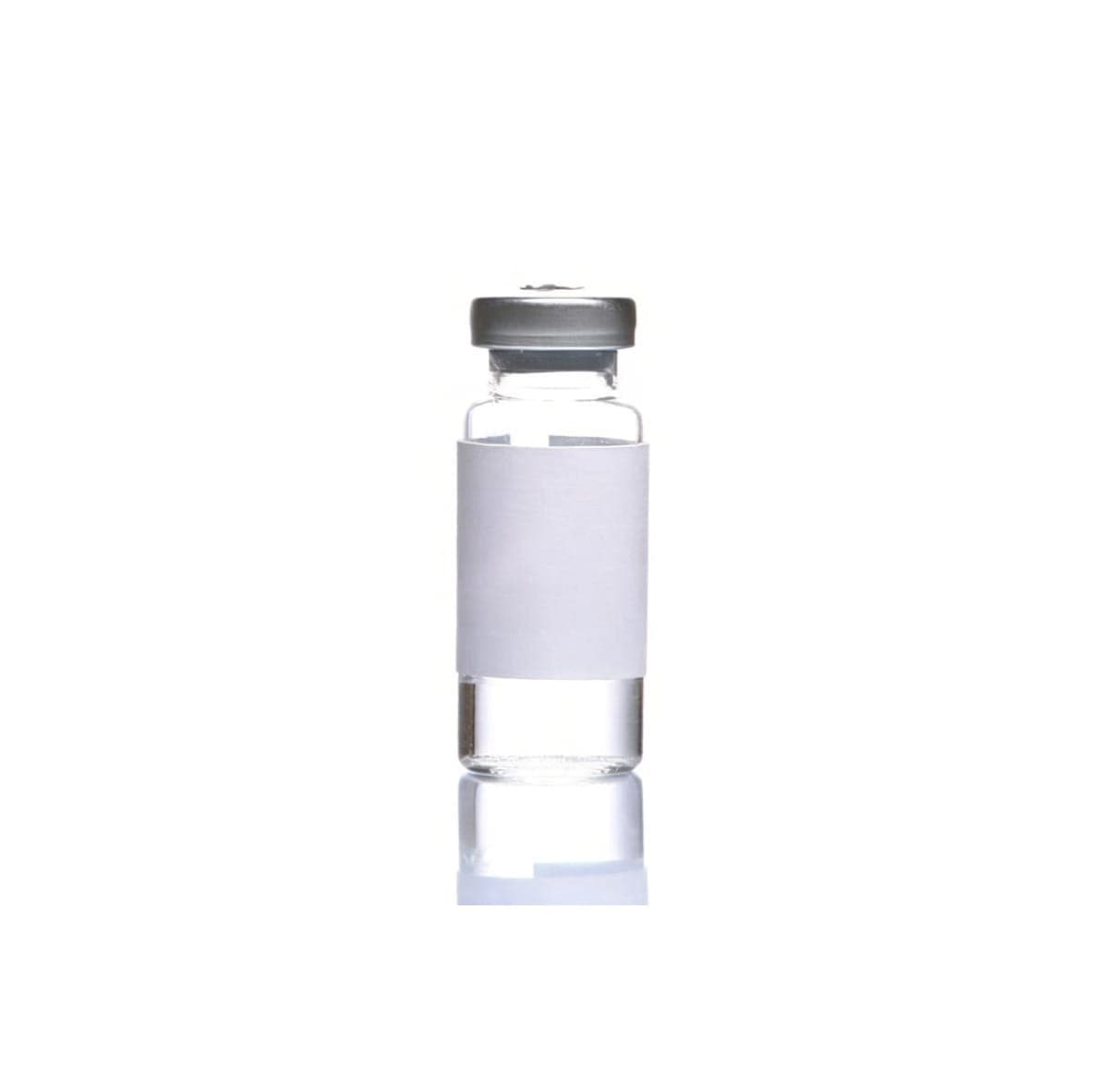
What you get
- 1× vial (product)
- 1× bacteriostatic water (2 ml)
What you need
- Syringe + needle to reconstitute (reconstitution calculator)
- Alcohol swabs
- Needle + syringe to inject
Glutathione Vial
R420.00R380.00On sale
SKU genglut
5.0(6 reviews)Glutathione is the body’s master antioxidant, studied for cellular protection, detoxification support, immune function and skin tone. It is a versatile compound when sourced and dosed responsibly, and injectable protocols in particular should only be run under a healthcare professional’s guidance.
Who it's for
- ›Those researching antioxidant, detox & skin support
What it's used for
- ›Master antioxidant studied for detoxification and immune support
- ›Researched for skin brightening and anti-aging
General research information, not medical advice.
Card · EFT · Bitcoin · Discreet delivery
Complete your kit
The supplies you need to store and use your order — add yours in one tap.
 BEARE Insulin Syringes 10 PackR35.00
- BEARE Insulin Syringes 20 PackR60.00
 Alcohol Swabs 50 PackR25.00
Glutathione Supplement: Benefits, Dosage & Delivery Formats
Key Takeaways
- Liposomal glutathione has the strongest human evidence for absorption and immune-marker gains, while standard reduced capsules are cheapest but have mixed absorption data.
- Dose ranges of 250–1,000 mg/day vary by goal: skin brightening (500–1,000 mg), liver support (300–600 mg), and general antioxidant maintenance (250–500 mg).
- Format choice matters more than label dose because gut enzymes degrade oral glutathione before uptake; phospholipid encapsulation protects the tripeptide through digestion.
- Avoid glutathione supplementation during active chemotherapy without oncologist approval, and do not self-start injectable protocols.
A glutathione supplement is an oral, sublingual or injectable form of the body’s master antioxidant. In oral form it is sold as standard reduced glutathione capsules (cheapest, mixed absorption), liposomal capsules or liquids (best human evidence — a 4-week pilot trial of liposomal glutathione at 500–1,000 mg/day raised body glutathione stores and immune markers because phospholipid encapsulation protects the tripeptide through gut digestion), and sublingual lozenges (small pharmacokinetic reports suggest faster plasma rises at ~100 mg doses, but peer-reviewed data are limited).
Which format wins depends on what you’re buying it for. Skin brightening, liver support, and general antioxidant/immune use each have different evidence bases and dose ranges — broadly 250–1,000 mg/day in a 6-month controlled trial. Local retail pricing for oral liposomal forms runs roughly R5–R20 per daily dose. This guide maps format to use case so you can buy once, correctly.
What Is Glutathione and Why Do Levels Drop?
Glutathione is a tripeptide of glutamate, cysteine and glycine synthesised in the liver and present in every cell. It is the body’s primary intracellular antioxidant, recycling vitamins C and E, neutralising free radicals, and donating electrons during liver phase I and phase II detoxification. It also protects lymphocytes and other immune cells from oxidative damage during infection by reducing reactive oxygen species that would otherwise trigger apoptosis.
Endogenous levels fall with age, chronic stress, acute illness, undernutrition (especially low protein/cysteine intake), alcohol, smoking, and exposure to environmental toxins and certain medications. By the time most South African adults start shopping for a glutathione supplement, they’re usually trying to top up a depleted system rather than boost an already healthy baseline.
Two practical caveats before the format comparison. First, oral glutathione has to survive digestion to do anything useful — which is exactly why delivery format matters more than label dose. Second, human data for glutathione supplementation are still limited in scale, so treat any single-source superlative with caution. If you’re already browsing premium supplements available at Beskinny, the next section is the one that decides what you buy.
The Bioavailability Problem: Why Format Matters
Oral glutathione has a delivery problem. The tripeptide (glutamate-cysteine-glycine) is partially hydrolysed by gut peptidases before it reaches systemic circulation. A 500 mg capsule on the label doesn’t equal 500 mg in your blood because the intestinal barrier and enzymatic breakdown reduce bioavailability. This single fact splits the market into three competing formats, and it’s the reason cost-per-mg is a misleading way to shop.
The three oral formats you’ll see on South African shelves in 2026:
- Standard reduced glutathione (GSH) capsules — cheapest per mg, but absorption is form-dependent and the evidence base remains mixed because individual gut pH, enzyme activity, and intestinal permeability vary. A 6-month randomised controlled trial (Richie et al., 2015) found measurable increases in body stores at 250 and 1,000 mg/day sustained over months.
- Liposomal glutathione — GSH encapsulated in phospholipid vesicles to shield it through the gut. A pilot trial by Sinha et al. (2018) reported elevations in whole-blood glutathione and immune markers over 4 weeks at 500–1,000 mg/day because the lipid bilayer protects the molecule from enzymatic degradation.
- Sublingual lozenges/sprays — absorbed through oral mucosa, bypassing the gut. Small pharmacokinetic reports suggest faster plasma rises from a ~100 mg sublingual dose than a swallowed equivalent because the vascular supply under the tongue allows more direct absorption, but published sample sizes are too small to call it superior to liposomal.
Treat any vendor claim of “10x absorption” as marketing until they show you the human PK data.
How We Assessed These Formats
Three filters: (1) human randomised controlled trial (RCT) or PK evidence published in a peer-reviewed journal; (2) dose ranges that match what’s actually sold in SA in the R250–R600 bottle band; (3) use-case fit (skin, liver, immune) rather than generic “antioxidant” claims. Formats lacking human data, such as some powdered GSH blends, were excluded from the comparison table that follows.
Delivery Format Comparison: Capsule vs. Liposomal vs. Sublingual
For most SA buyers in 2026, the practical choice comes down to budget vs. evidence. Standard reduced glutathione capsules are cheapest but have weaker human absorption data because gut enzymes degrade the tripeptide before uptake. Liposomal has the cleanest pilot-trial support at moderate cost because the phospholipid shell survives digestion. Sublingual offers fast onset but limited long-term trials.
| Criterion | Standard Reduced GSH Capsule | Liposomal GSH | Sublingual Lozenge/Spray |
|---|---|---|---|
| Absorption mechanism | Gut absorption; partially degraded by GI enzymes before uptake | Phospholipid vesicle shields GSH through gut to systemic circulation | Oral mucosa to bloodstream, bypasses gut entirely |
| Evidence tier (2026) | Mixed human data — Richie et al., Eur J Nutr 2015 | Pilot RCT — Sinha et al., Eur J Clin Nutr 2018 | Limited human data — small crossover PK reports |
| Best use case | Budget antioxidant/immune maintenance at sustained 250–500 mg/day | Immune-marker elevation and general antioxidant support | Fast onset, on-demand antioxidant top-up; experimental for skin tone |
| Typical daily dose | 250–1,000 mg/day, several weeks to months to register changes | 500–1,000 mg/day per the Sinha pilot protocol | ~100 mg once or twice daily |
| Cost-per-dose (SA, 2026) | ~R3–R6 per 500 mg | ~R6–R20 per 250–500 mg | Often R15+ per dose, fewer local SKUs |
| SA availability | Wide: local pharmacies and online marketplaces | Mid: selected health retailers and online | Narrow: mostly imported, online only |
| Key limitation | Bioavailability contested; vendor “absorption” claims rarely backed by human PK | Higher per-mg cost; marketing outpaces published data | Tiny sample sizes; no long-term outcome trials as of 2026 |
If you’re comparing brands on shelf or scrolling premium supplements available at Beskinny, use the table above as your filter rather than the front-of-pack health claim. A liposomal capsule has the cleanest 2026 pilot-trial evidence base; a 100 mg sublingual lozenge gives the fastest plasma rise but the thinnest trial record. Anyone stacking glutathione with other recovery compounds, such as human growth hormone (HGH) supplementation, should clear the combination with a clinician first because interaction data at that level is not published.
How to read the evidence tier
“Pilot RCT” means at least one placebo-controlled or controlled human trial with biomarker endpoints. “Mixed” means the format works in cell or absorption models but human outcomes are inconsistent. “Limited human data” means small PK reports only, no long-term efficacy trial.
Glutathione Benefits: What the Evidence Actually Shows
Glutathione has four benefit areas worth separating by evidence strength: antioxidant protection (strong mechanistic), liver support (preliminary human data), skin brightening (mechanistic with thin RCT backing), and immune/recovery (moderate). The marketing copy on most South African shelves blurs these tiers. The breakdown below keeps them apart so you can match a format to a claim you can actually defend.
Antioxidant and cellular protection
Glutathione is the body’s primary intracellular antioxidant, recycling vitamins C and E and neutralising peroxides through the GSH/GSSG redox cycle because the sulphydryl group on cysteine donates electrons to free radicals. In a 6-month RCT, oral glutathione at 250–1,000 mg/day raised body glutathione stores and more than doubled natural killer cytotoxicity at the higher dose in healthy adults. That is among the cleanest human biomarker data available for any oral format.
Evidence grade: Strong mechanistic, moderate human.
Liver detox support
An open-label pilot study found oral glutathione at 300 mg/day for four months lowered ALT and other liver markers in non-alcoholic fatty liver disease (NAFLD) patients because GSH participates in phase II detoxification and reduces lipid peroxidation. Because that trial was single-arm and uncontrolled, treat “liver detox” claims as preliminary rather than proven. If you’re on any hepatotoxic medication, clear supplementation with a doctor first.
Evidence grade: Preliminary.
Skin brightening
Glutathione inhibits tyrosinase and shifts melanogenesis from darker eumelanin toward lighter phaeomelanin because it reduces the copper cofactor in the enzyme’s active site. A small randomised placebo-controlled trial of oral glutathione found a modest reduction in melanin index over 12 weeks, but human trials remain small and short, with no large-scale RCT establishing durable cosmetic outcomes.
Evidence grade: Mechanistic clear, large RCTs limited.
SA compliance note:. International safety concerns about injectable cosmetic glutathione reinforce why injectable use is off-limits without medical supervision.
Immune support and athletic recovery
The liposomal pilot trial documented increased natural killer cell activity and lymphocyte proliferation at 500–1,000 mg/day because elevated intracellular GSH reduces oxidative stress in lymphocytes and supports T-cell activation. For training recovery specifically, evidence is mostly indirect through anti-inflammatory and redox mechanisms rather than performance endpoints.
Evidence grade: Moderate.
Glutathione Dosage by Goal: Evidence-Graded Ranges
No universal clinical consensus exists on oral glutathione dosing as of 2026, but the studies cited below converge on goal-specific ranges of roughly 250–1,000 mg/day for adults, with injectable protocols reserved for medical settings. The table maps each use case to a dose band, an evidence grade, and the form most studied at that dose. Always clear glutathione supplementation with a doctor or pharmacist before starting, particularly if you’re on chronic medication, pregnant, or undergoing cancer treatment because interactions and contraindications vary by individual health status.
| Goal | Dose range | Form most studied | Duration | Evidence grade |
|---|---|---|---|---|
| Skin brightening / even tone | 250–1,000 mg/day | Oral reduced GSH or liposomal | 8–12 weeks | Low-to-moderate; mechanism clear, large RCTs lacking |
| Liver / NAFLD antioxidant support | 300–600 mg/day | Oral reduced GSH | 12–24 weeks | Preliminary; single open-label pilot |
| General antioxidant & immune | 250–1,000 mg/day | Liposomal (best pilot data) | 4–24 weeks ongoing | Moderate; NK cytotoxicity gains at higher doses |
| Sublingual maintenance | ~100 mg, 1–2x/day | Lozenge | Ongoing | Provisional; small PK reports only |
| Injectable (medical use only) | Per clinician | IV/IM, often with vitamin C | Per clinician |
Notes on each band
Skin brightening (250–1,000 mg/day). The 8–12 week window reflects what small trials typically run because melanocyte turnover and pigment redistribution take time. Durable cosmetic outcomes beyond cessation have not been established in large RCTs. Under SA cosmetic regulation, frame this as “even tone” not “whitening”.
Liver support (300–600 mg/day). The NAFLD pilot ran 300 mg/day for four months because hepatic GSH depletion in fatty liver disease requires sustained repletion. Evidence at this range is preliminary.
Antioxidant and immune (250–1,000 mg/day). The 6-month oral GSH RCT (Richie et al., 2015) is the anchor trial; benefits on natural killer cytotoxicity were strongest at 1,000 mg/day, while maintenance users often settle at 250–500 mg.
Vitamin C co-administration. Vitamin C helps recycle oxidised glutathione (GSSG) back toward its reduced form, which is why IV protocols pair them and why oral stacks often include 500–1,000 mg ascorbate.
For SA buyers comparing brands, the premium supplements available at Beskinny catalogue lets you cross-check dose-per-capsule against these bands. Readers exploring broader recovery and anti-ageing stacks sometimes also research human growth hormone (HGH) supplementation, which sits in a separate prescription category and should never be self-started.
Glutathione for Skin Brightening: What SA Buyers Should Know
Glutathione brightens skin by inhibiting tyrosinase and shifting melanogenesis from darker eumelanin toward lighter phaeomelanin. The evidence-supported outcome is a more even tone and reduced hyperpigmentation over 8–12 weeks, not a permanent change to your natural complexion.
Large-scale human RCTs proving durable cosmetic lightening beyond baseline tone do not exist as of 2026, and injectable glutathione used purely for whitening has been linked to renal and hepatic safety signals in case reports and prompted a national regulator warning in the Philippines. If a brand promises “two shades lighter in 30 days,” that’s a marketing claim, not a clinical one.
The SA regulatory line you need to know
, and the classification is decided by the intended use, claims and mode of action. Reputable SA retailers therefore market glutathione as supporting “even tone” or “skin radiance” rather than bleaching.
Format choice and the collagen question
For brightening specifically, liposomal or sublingual delivery makes more pharmacokinetic sense than standard reduced capsules because plasma GSH needs to rise meaningfully and consistently to influence melanocyte activity. Some combination products pair GSH with hydrolysed collagen peptides because collagen supports dermal matrix structure and hydration — the collagen rationale is elasticity and dermal hydration, not brightening itself. Judge each ingredient on its own evidence base. For cross-checking dose-per-capsule and price across local brands, the premium supplements available at Beskinny catalogue is a useful starting point before you commit to a 3-month cycle.
Glutathione Side Effects and Safety Considerations
Oral glutathione is generally well tolerated at 250–1,000 mg/day. The most common complaints are mild and transient: temporary bloating, loose stools, and mild abdominal cramping, usually resolving within the first week as the GI tract adapts. Sublingual and liposomal formats sometimes cause a sulphurous aftertaste or nausea on an empty stomach because the reduced form of glutathione has a distinct odour. Taking with food helps.
The interactions worth flagging are not consumer-trivial. Glutathione has been studied as a protective agent against platinum-based chemotherapy neurotoxicity (oxaliplatin) because antioxidants scavenge the reactive species that cause collateral nerve damage. However, because antioxidants may theoretically blunt the oxidative mechanism by which some chemotherapies kill tumour cells, routine antioxidant supplementation during active treatment is generally discouraged outside clinical trials. If you are on any cancer protocol, do not self-start glutathione without your oncologist signing off.
Inhaled (nebulised) glutathione has triggered bronchoconstriction in patients with mild asthma because the reduced form can irritate airways via sulfite formation. That risk is route-specific and does not apply to capsules or lozenges, but it’s the reason asthmatics should avoid DIY nebuliser protocols circulating online.
How to Choose the Right Glutathione Supplement in SA (2026)
Pick your format by primary goal, then filter by budget and convenience. Liposomal has the cleanest oral pilot-trial evidence because the phospholipid shell protects the tripeptide through digestion. Standard reduced capsules win on cost because they skip the encapsulation step. Sublingual sits between the two on both price and provisional PK data.
A four-step decision tree
- Goal first. Skin brightening or liver support over 8–12 weeks? Liposomal at 250–500 mg/day has the cleanest pilot backing. Daily antioxidant top-up on a tight budget? Standard reduced GSH capsules at 250–1,000 mg/day are defensible because mechanistic evidence is strong even if human absorption data are mixed. Wanting faster onset without an injection? Sublingual lozenges at ~100 mg twice daily, accepting that PK reports are small and long-term efficacy is unproven.
- Budget. In 2026 SA pricing, standard capsules run roughly R3–R8 per dose, liposomal R5–R20 per 250–500 mg dose, and sublingual varies widely by brand. Beskinny’s glutathione vial is priced at R380, positioned in the mid-band of the local market.
- Convenience. Capsules are swallow-and-go. Sublingual needs 60–90 seconds under the tongue and a tolerance for the sulphurous taste. Liposomal softgels are usually the easiest daily habit to maintain.
- Stack smart. Co-dose with 500–1,000 mg Vitamin C because it helps recycle oxidised glutathione back toward its reduced form — a cheap absorption-support upgrade.
Next Steps
If you’ve worked through the decision tree and want a locally stocked option, the formulations among the premium supplements available at Beskinny are a straightforward starting point. Start conservatively for 8–12 weeks and track changes in energy, skin tone, or liver markers (if you have baseline bloodwork) before adjusting. Readers building a broader recovery and anti-ageing stack often pair it with protocols like human growth hormone (HGH) supplementation under medical guidance. Always consult a GP or pharmacist before combining supplements, especially if you’re on chronic medication or managing a chronic condition.
References
- Randomized controlled trial of oral glutathione supplementation on body stores of glutathione. European Journal of Nutrition, 2015.
- Oral supplementation with liposomal glutathione elevates body stores of glutathione and markers of immune function. European Journal of Clinical Nutrition, 2018.
- Efficacy of glutathione for the treatment of nonalcoholic fatty liver disease: an open-label, single-arm, multicenter, pilot study. BMC Gastroenterology, 2017.
- Glutathione and its antiaging and antimelanogenic effects. Clinical, Cosmetic and Investigational Dermatology, 2017.
- Glutathione as a skin whitening agent: facts, myths, evidence and controversies. Indian Journal of Dermatology, Venereology and Leprology, 2016.
- Nebulized glutathione induces bronchoconstriction in patients with mild asthma. American Journal of Respiratory and Critical Care Medicine, 1997.
- Neuroprotective effect of reduced glutathione on oxaliplatin-based chemotherapy in advanced colorectal cancer: a randomized, double-blind, placebo-controlled trial. Journal of Clinical Oncology, 2002.