
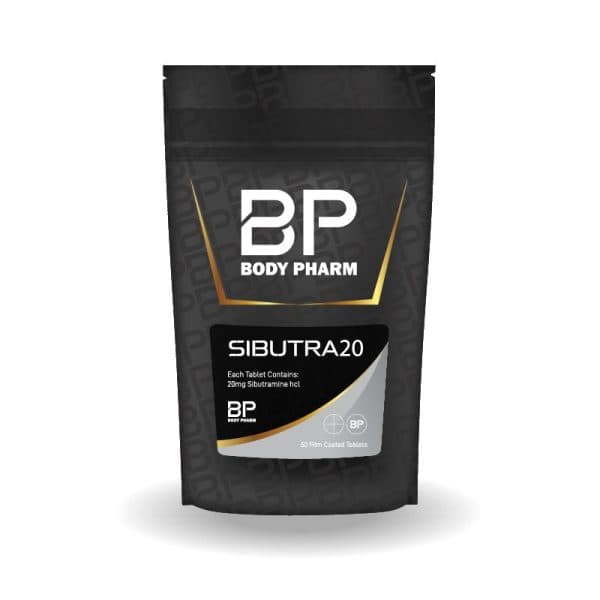
BP Sibutramine 20
R290.00
SKU bpsib20
BP Sibutramine 20 (sibutramine HCl 20mg) is a Body Pharm-branded oral appetite-suppressant tablet. Sibutramine is a real weight-loss drug (once sold as Reductil and Meridia) that acts on brain neurotransmitters — but it was withdrawn worldwide in 2010, including in South Africa, after a large trial showed increased heart attack and stroke risk.
Please note
Prescription-class compound supplied for research use. You must be 18 or older. Consult a qualified healthcare professional before use, this is not medical advice.
Card · EFT · Bitcoin · Discreet delivery
BP Sibutramine 20 (Sibutramine HCl): Uses, Dosage & Safety
BP Sibutramine 20 is a Body Pharm oral tablet containing 20mg of sibutramine hydrochloride, a centrally acting appetite suppressant once prescribed for obesity under the brand names Reductil and Meridia. Sibutramine is not a research peptide — it is a genuine pharmaceutical drug with a full human evidence base, an FDA-approved history, and a well-documented safety profile. That history is the reason it matters here: after a large cardiovascular outcomes trial, sibutramine was withdrawn from the United States market in 2010, suspended across Europe, and pulled from South African shelves.
What you’ll learn in this article:
- How sibutramine works on appetite through the brain’s neurotransmitter system.
- What the human trial evidence supports for weight loss — and the trial that ended its approval.
- The historically approved dose, the documented cardiovascular safety problem, and the South African regulatory position you need to understand before considering this compound.
Key Takeaways
- Active: sibutramine hydrochloride, 20mg tablet, Body Pharm-branded.
- Mechanism: sibutramine and its active metabolites inhibit the reuptake of norepinephrine and serotonin, and to a much weaker extent dopamine, which reduces appetite and increases satiety.
- Evidence: in controlled trials, sibutramine plus a reduced-calorie diet produced and helped maintain roughly 5–10% body-weight loss over up to two years.
- Why it was withdrawn: the ~10,000-patient SCOUT trial found a significantly increased risk of non-fatal heart attack and non-fatal stroke in higher-risk patients, which led regulators to conclude the risks outweighed the modest weight benefit.
- Historically approved dose: the original label specified 10mg once daily, with a maximum of 15mg per day — so a 20mg tablet sits above the former approved maximum.
- Contraindicated in a history of coronary artery disease, heart failure, arrhythmia, stroke, or inadequately controlled hypertension, and must not be combined with MAO inhibitors or other serotonergic agents.
What Is BP Sibutramine 20?
BP Sibutramine 20 is a tablet formulation of sibutramine hydrochloride from the Body Pharm label, dosed at 20mg per tablet and sold in the weight-loss tablets range. Sibutramine itself was originally developed as an antidepressant candidate before being repurposed for weight management, and it received its original FDA approval in 1997 as Meridia, marketed elsewhere as Reductil.
In its approved life, sibutramine was indicated for the management of obesity in patients with a body-mass index of 30 kg/m² or above, or 27 kg/m² and above in the presence of other risk factors such as type 2 diabetes, dyslipidaemia, or controlled hypertension, always alongside a reduced-calorie diet. Practical specs for this product:
- Format: oral tablet, 20mg sibutramine hydrochloride each.
- Active: sibutramine HCl (the same molecule once marketed as Reductil and Meridia).
- Class: centrally acting appetite suppressant (serotonin–noradrenaline reuptake inhibitor).
A common buyer question: “If it was an approved diet drug, why isn’t it in pharmacies any more?” Because the same regulators that approved it later removed it — not for lack of effect on weight, but because a dedicated safety trial showed it raised the risk of heart attack and stroke. That withdrawal is the single most important fact about this product.
How Sibutramine Works: The Appetite Mechanism
Sibutramine reduces appetite by altering the balance of chemical messengers in the brain. Nerve cells communicate by releasing neurotransmitters, which are then partly re-absorbed by the releasing nerve in a process called reuptake. By slowing that reabsorption, sibutramine leaves more of those messengers active in the synapse. Specifically, sibutramine and its active metabolites inhibit the reuptake of norepinephrine and serotonin most strongly, and dopamine only weakly (roughly three-fold lower potency).
The practical effect of enhancing serotonin and noradrenaline signalling is increased satiety — users feel full sooner and eat less — with a smaller contribution from a modest rise in energy expenditure. This is a different mechanism from the two other approaches most people have heard of: orlistat blocks fat absorption in the gut, and GLP-1 medicines such as semaglutide slow gastric emptying and act on appetite through incretin pathways. Sibutramine works upstream of digestion, on the brain’s appetite signalling.
An important honesty note: the same noradrenergic and serotonergic activity that suppresses appetite is also what drives sibutramine’s cardiovascular effect. Because it can increase heart rate and blood pressure, the mechanism that delivers the benefit is inseparable from the mechanism that created the risk regulators eventually acted on.
What the Evidence Shows
Unlike many compounds sold for weight loss, sibutramine has a substantial controlled human evidence base — on both sides of the ledger. On efficacy, the European STORM programme showed that when combined with a structured reduced-calorie diet, sibutramine helped patients achieve and then maintain clinically meaningful weight loss (commonly in the 5–10% range) over two years, with better maintenance than placebo. Approved labelling also reported that this weight loss was accompanied by modest improvements in blood lipids such as triglycerides and HDL cholesterol.
The decisive evidence, however, was about safety. The Sibutramine Cardiovascular Outcomes Trial (SCOUT) was a large, long-term study specifically designed to test what sibutramine did to the heart:
- Size and design: SCOUT randomised almost 10,000 overweight or obese patients aged 55 and over, most with pre-existing cardiovascular disease, type 2 diabetes, or both, to sibutramine or placebo (ClinicalTrials.gov NCT00234832).
- Primary result: sibutramine significantly increased the risk of non-fatal myocardial infarction and non-fatal stroke compared with placebo in this higher-risk population.
- Regulatory read-out: regulators judged that the modest weight benefit no longer outweighed that cardiovascular risk, which triggered withdrawal on both sides of the Atlantic and in South Africa.
A reasonable objection: “SCOUT studied older, already-sick patients — does that apply to a healthy person?” The trial population was deliberately high-risk, so the absolute risk in a young, cardiovascularly healthy person may be lower. But the finding was strong enough that every major regulator removed the drug rather than restrict it, and sibutramine still raises heart rate and blood pressure in everyone. The trial did not establish a “safe” population; it established that the risk was unacceptable given how little the drug delivered.
Sibutramine Dosage (Historical Approved Regimen)
Because sibutramine is a withdrawn drug, there is no current, sanctioned dosing recommendation — the figures below describe what the approved label historically specified, not a recommendation to use this product. In its approved form, sibutramine was started at 10mg once daily and could be increased to a maximum of 15mg once daily; doses above 15mg per day were explicitly not recommended, and a 5mg dose was reserved for people who could not tolerate 10mg.
What that means for a 20mg tablet:
- Above the former ceiling: each BP Sibutramine 20 tablet contains 20mg — more than the 15mg maximum daily dose the approved label ever allowed. A single tablet exceeds the highest dose that was studied and permitted in humans.
- Once daily, with food or without: the historical label used once-daily oral dosing; it did not endorse splitting to chase a stronger effect.
- Blood-pressure and pulse monitoring: approved use required regular monitoring of blood pressure and heart rate, because the drug raises both.
- Stop signals: palpitations, a sustained rise in blood pressure, chest pain, or shortness of breath are reasons to stop immediately and seek medical care — not symptoms to “push through” while gauging tolerance.
A frequent misconception: “A higher-strength tablet just means faster results.” No — with sibutramine the dose-limiting problem is cardiovascular, not tolerance. The 15mg ceiling existed precisely because the appetite benefit plateaued while the blood-pressure and heart-rate effects did not. A 20mg tablet does not offer a proportionally larger benefit; it moves further into the range regulators were worried about.
Sibutramine Side Effects and Safety Profile
Because sibutramine was a marketed prescription drug for over a decade, its adverse-effect profile is thoroughly documented. The core issue is cardiovascular. Sibutramine raises heart rate and blood pressure, and in a long-term high-risk trial it increased non-fatal heart attacks and strokes.
What the label and trial record show:
- Cardiovascular: increased pulse and blood pressure in a dose-related way; the reason it is contraindicated in coronary artery disease, congestive heart failure, arrhythmias, and stroke.
- Common effects: dry mouth, constipation, insomnia, headache, and a faster heartbeat were among the frequently reported reactions.
- Serotonergic risk: must not be combined with MAO inhibitors or other serotonergic drugs (including many antidepressants and migraine triptans) because of the risk of serotonin syndrome.
- Not for everyone: contraindicated in uncontrolled hypertension and inappropriate in people with a cardiovascular history — the exact groups most likely to be tempted by an aggressive weight-loss result.
A direct warning rather than an objection here: the original product copy encouraged users to “begin and gauge your tolerance” and to stop only if they experienced heart palpitations. That framing understates the problem. The cardiovascular risk with sibutramine is not always preceded by symptoms you can feel, which is why regulators removed the drug instead of relying on users to self-monitor. Anyone considering this compound should do so only under the supervision of a registered practitioner who can check blood pressure and cardiac history first.
Regulatory Withdrawal Timeline
The most useful comparison for sibutramine is not against other diet products but against itself over time — how the same regulators moved from approval to removal once the SCOUT data arrived.
| Regulator / market | Action | Basis |
|---|---|---|
| US FDA (Meridia) | Approval withdrawn, 2010 | Increased cardiovascular events in SCOUT; risk outweighed modest benefit |
| European Medicines Agency (Reductil) | Marketing authorisation suspended, 2010 | Same SCOUT cardiovascular signal across the EU |
| South Africa (Reductil, Ectiva) | Withdrawn from shelves, 2010 | Local withdrawal following the international safety findings |
What the timeline means
This is not a drug that failed to reach approval, nor an experimental peptide with thin data. It is a drug that was approved, sold, and then deliberately removed by every major regulator that had cleared it, on the strength of a dedicated cardiovascular trial. That is a stronger negative signal than a compound that was simply never approved.
Buying BP Sibutramine 20 from Beskinny
BP Sibutramine 20 is listed at Beskinny at R290 per pack, shipped from a South African warehouse with tracked courier delivery. Given the regulatory history above, this product is supplied as an unregistered compound and the information on this page is factual, not a recommendation to use it.
- Product spec: 20mg sibutramine hydrochloride tablets, Body Pharm branded.
- Current stock and price: see the live figures on the product page, which is the source of truth.
Check live stock and pricing on the Beskinny product page, and consult a registered South African practitioner before considering a withdrawn appetite suppressant.
Frequently Asked Questions
Short answers to the questions buyers ask about sibutramine.
Why was sibutramine withdrawn?
The large SCOUT trial found sibutramine increased non-fatal heart attacks and strokes in higher-risk patients. Regulators including the US FDA and the EMA concluded the cardiovascular risk outweighed the modest weight benefit and removed it from the market in 2010.
How much weight loss did sibutramine produce?
In controlled trials with a reduced-calorie diet, sibutramine helped achieve and maintain roughly 5–10% body-weight loss over up to two years — clinically useful but modest, and the reason regulators felt the benefit did not justify the cardiovascular risk.
What was the approved dose?
The approved label used 10mg once daily, with a maximum of 15mg per day. A 20mg tablet is above that former maximum, and doses over 15mg/day were never recommended.
Who should never use sibutramine?
Anyone with coronary artery disease, heart failure, arrhythmia, stroke, or uncontrolled high blood pressure, and anyone taking MAO inhibitors or other serotonergic medicines. These groups face the greatest cardiovascular danger.
Is sibutramine registered in South Africa?
Next step: Check live stock and pricing on the Beskinny product page, and speak to a registered South African practitioner about registered weight-management options and a cardiovascular check first.
References
- MERIDIA (sibutramine hydrochloride monohydrate) Prescribing Information. U.S. Food and Drug Administration, 2010.
- Effect of sibutramine on weight maintenance after weight loss: a randomised trial (STORM Study Group). The Lancet (James WP et al.), 2000.
- Effect of Sibutramine on Cardiovascular Outcomes in Overweight and Obese Subjects (SCOUT). New England Journal of Medicine (James WPT et al.), 2010.
- Sibutramine Cardiovascular Outcomes Trial (SCOUT), NCT00234832. ClinicalTrials.gov, 2010.
- Abbott Laboratories, Inc.; Withdrawal of Approval of a New Drug Application for MERIDIA. U.S. Federal Register, 2010.
- European Medicines Agency recommends suspension of marketing authorisation for sibutramine. European Medicines Agency, 2010.
- Ectiva, Reductil off SA shelves. South African Government News Agency (SAnews), 2010.