
Weight loss injections
Retatrutide
A triple GIP/GLP-1/glucagon receptor agonist, third-party tested for purity and identity, shipped cold-chain nationwide.

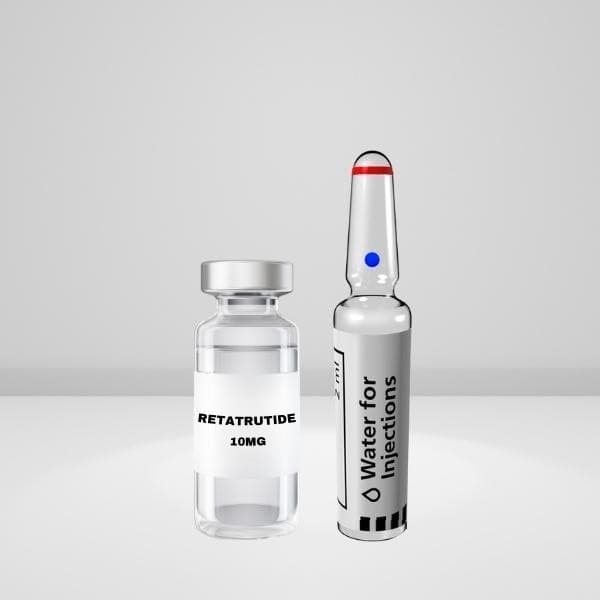
Retatrutide 10mg Vial
R1 500.00
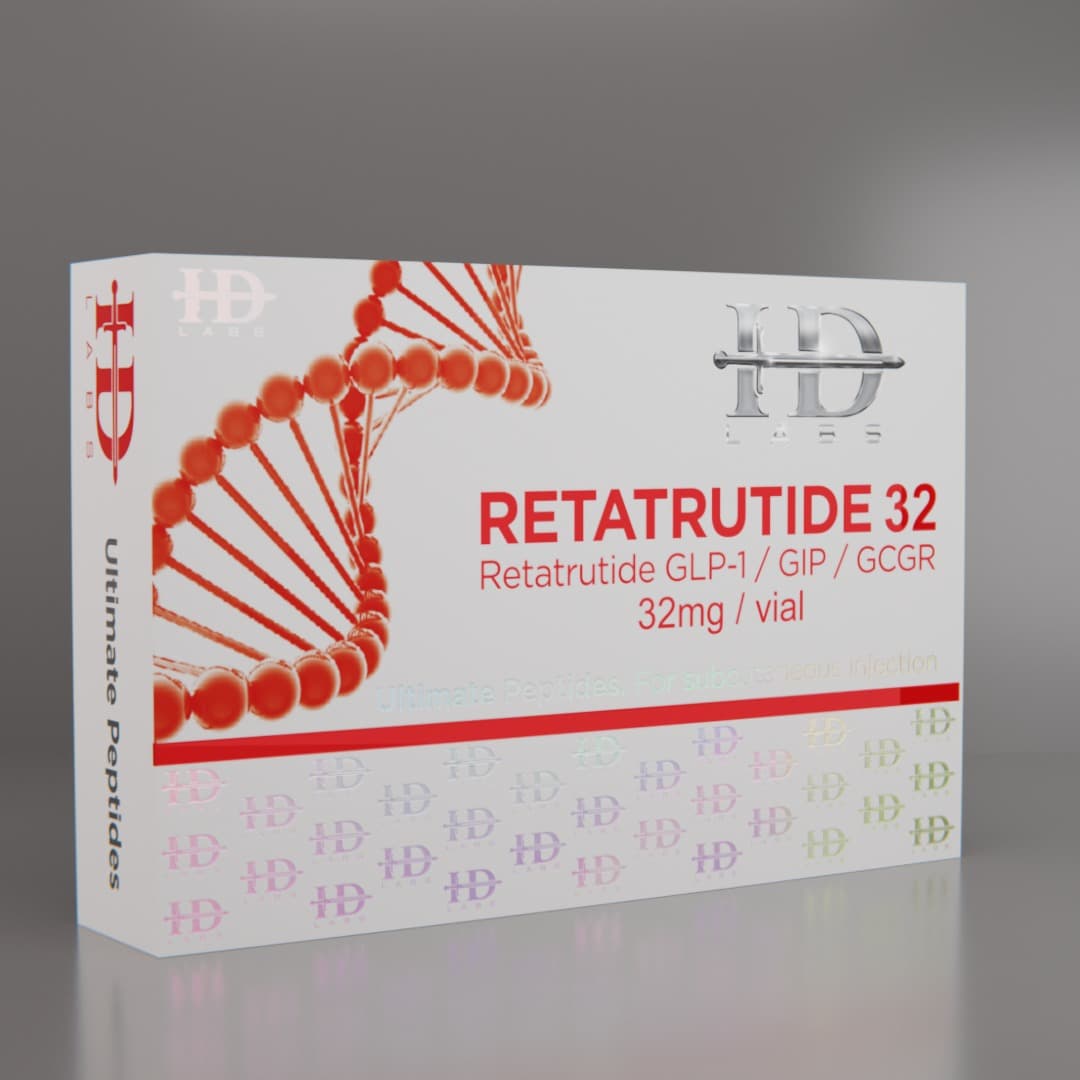
HD Labs Retatrutide 32 Vial
R2 300.00
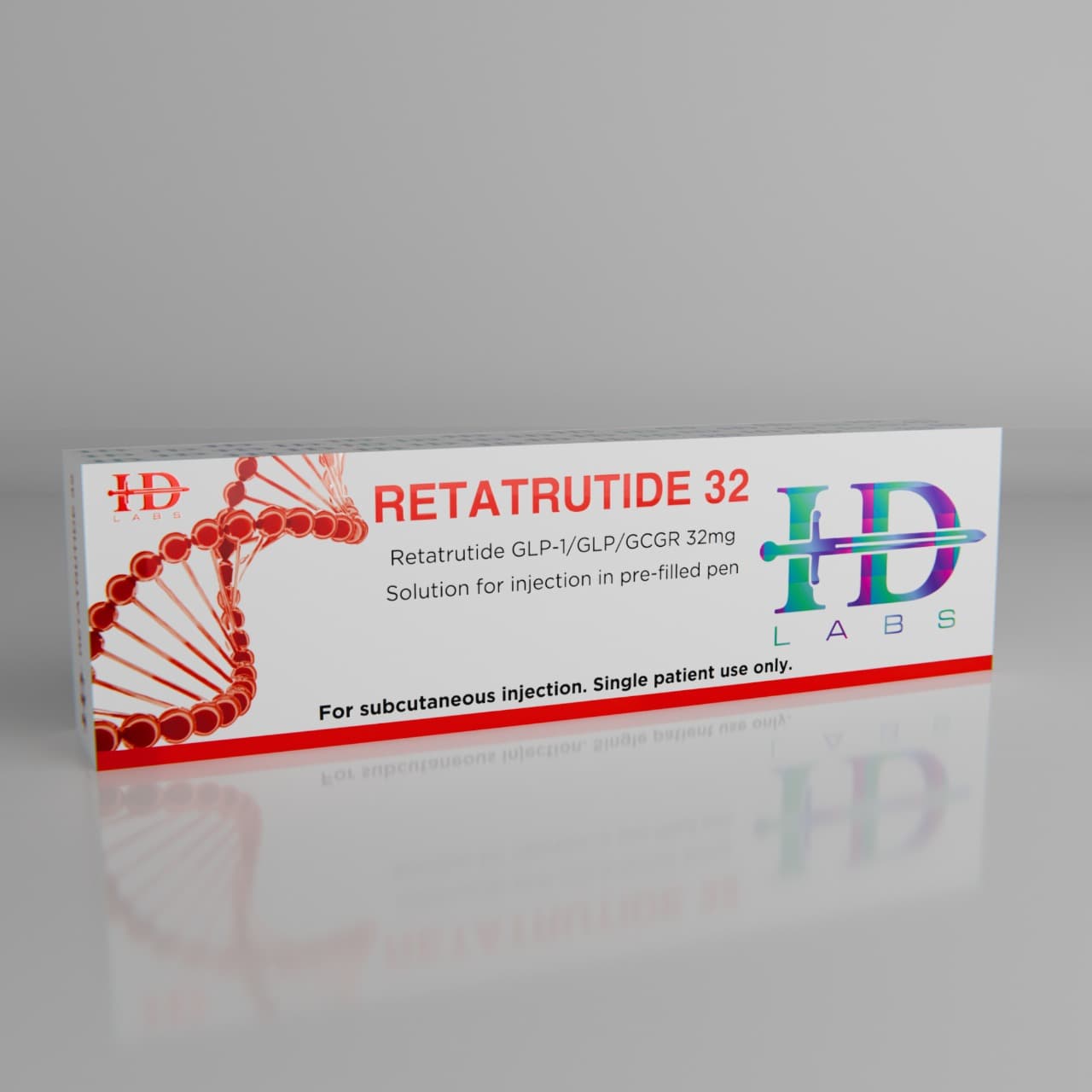
HD Labs Retatrutide 32 Pen
R2 500.00
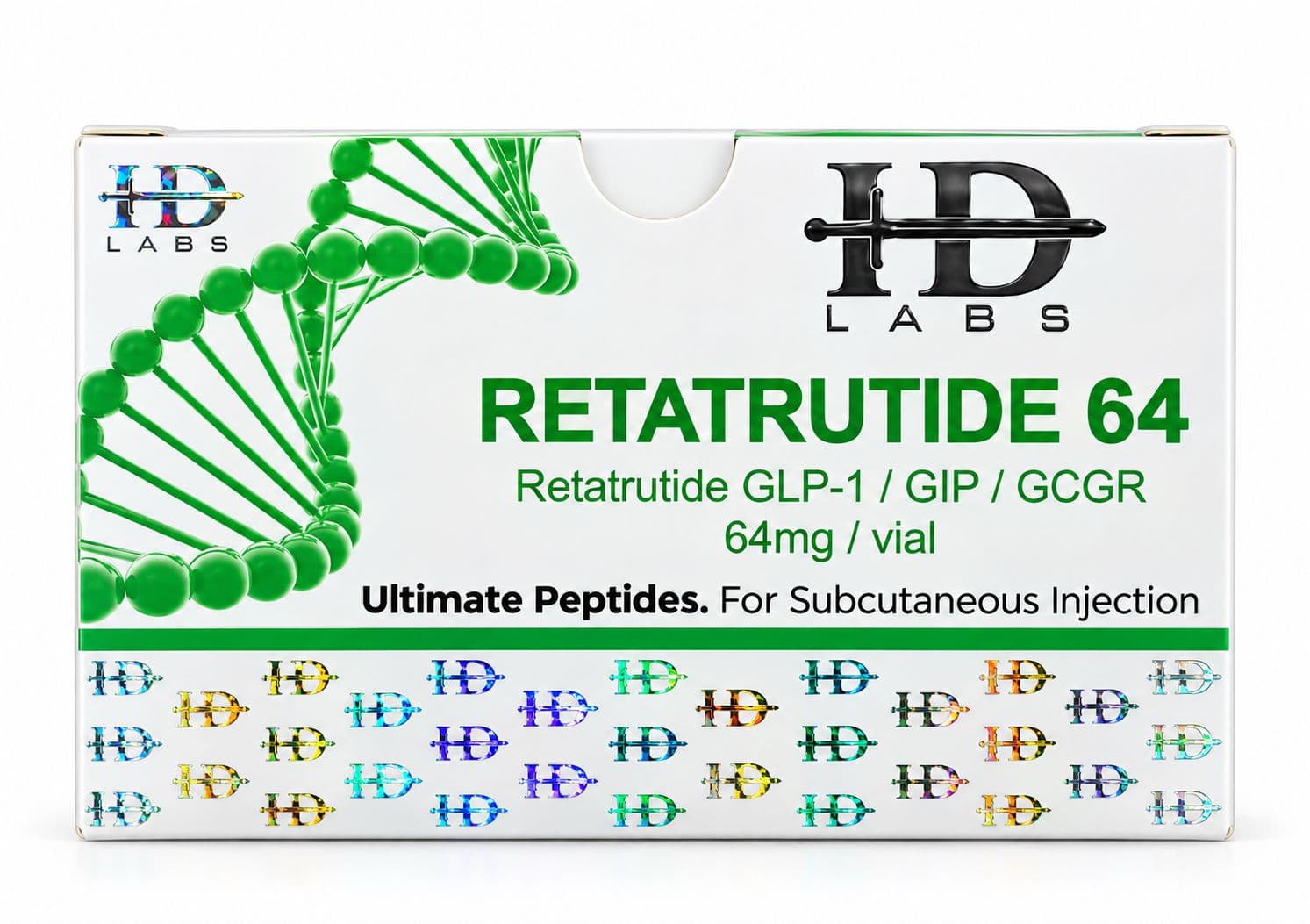
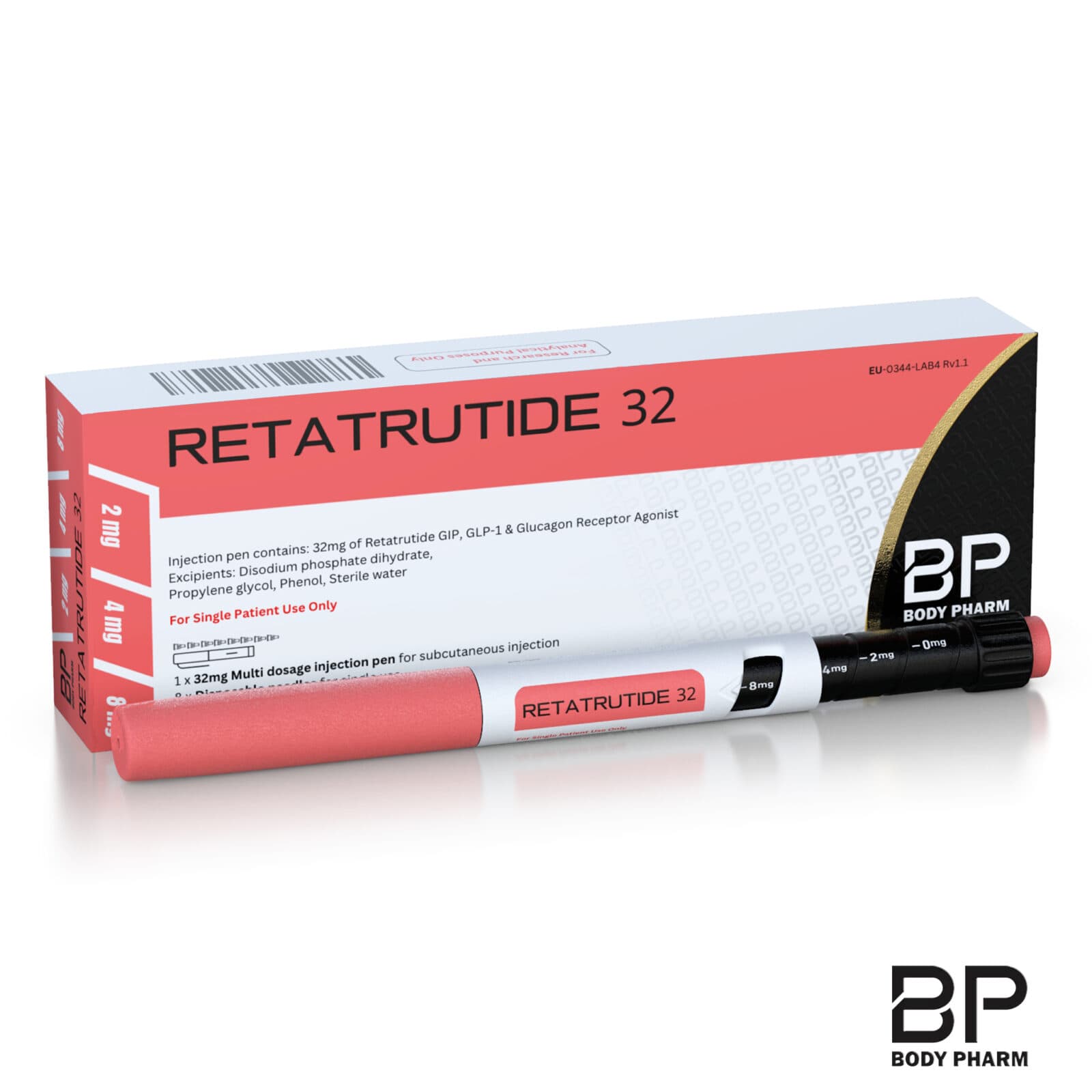
Body Pharm Retatrutide 32 Pen
R3 200.00
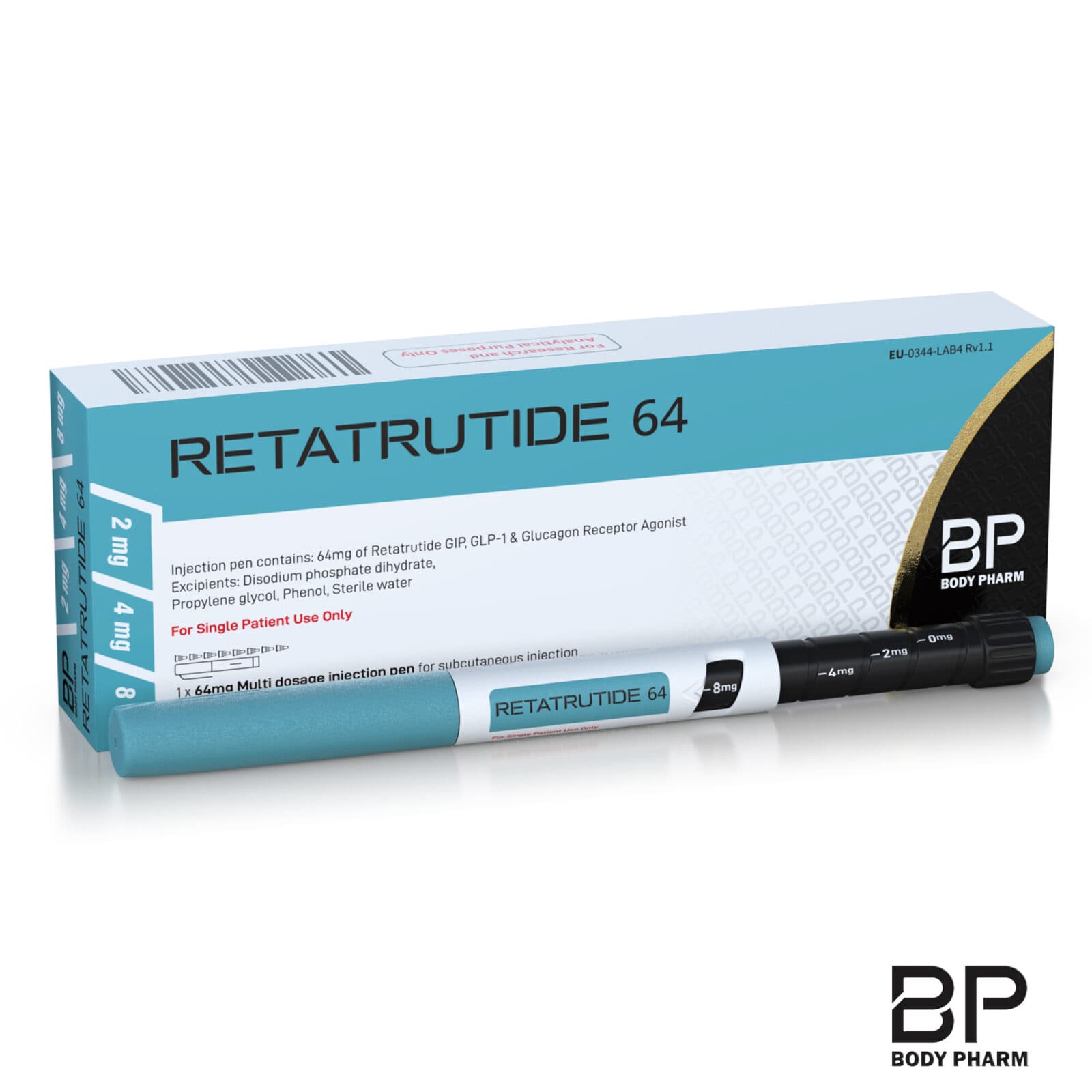
Body Pharm Retatrutide 64 Pen
R5 000.00
Please note
Prescription-class compound supplied for research use. You must be 18 or older. Consult a qualified healthcare professional before use, this is not medical advice.
Retatrutide South Africa: Guide, Dosage & 2026 Prices
The clinical hook is hard to ignore: in the Jastreboff et al. Phase 2 NEJM trial (2023), participants on 12 mg weekly lost an average of 24.2% of body weight at 48 weeks—the largest placebo-adjusted reduction reported for any obesity drug to date, driven by simultaneous activation of three metabolic pathways rather than one or two [8].Key Takeaways
- Retatrutide activates three metabolic receptors (GLP-1, GIP, glucagon) simultaneously, producing ~24% mean body-weight loss at 12 mg weekly in Phase 2 trials—roughly double the effect of semaglutide monotherapy [8].
- Pre-filled pens cost R2,500–R5,000; lyophilised vials cost R600–R2,300 depending on milligrams and format [5].
- The Phase 2 titration protocol escalates 2 mg → 4 mg → 8 mg → 12 mg weekly over 16 weeks to minimise gastrointestinal side effects [4].
- Nausea (~66%), diarrhoea (~50%), and vomiting (~40%) dominate the adverse-event profile at 12 mg; discontinuation rates reach 10–15% due to GI intolerance [10].
What Is Retatrutide? The 60-Second Answer
Retatrutide (development code LY-3437943) is an investigational once-weekly injectable peptide developed by Eli Lilly that activates three metabolic receptors simultaneously: GLP-1 (glucagon-like peptide-1), GIP (glucose-dependent insulinotropic polypeptide), and glucagon. This triple action is why clinicians and peptide vendors call it the "Triple G" agonist. In the Phase 2 NEJM trial, the 12 mg arm produced 24.2% mean body-weight reduction at 48 weeks because all three receptor pathways suppress appetite, improve insulin response, and increase energy expenditure in parallel [6].How It Differs From Semaglutide and Tirzepatide
The distinction is straightforward receptor arithmetic. Semaglutide (Ozempic, Wegovy, and SA-available variants like the Body Pharm Semaglutide 6 Pen or the HD Semaglutide 10 Pen) activates only the GLP-1 receptor. This produces appetite suppression and delayed gastric emptying but no direct metabolic rate boost. Tirzepatide (Mounjaro, Zepbound) activates GLP-1 and GIP, which is why it outperforms semaglutide on weight loss in head-to-head trials. Retatrutide adds glucagon-receptor activation on top of those two. Glucagon drives lipolysis and raises basal metabolic rate, so daily energy expenditure rises alongside the appetite-suppression and insulin effects already familiar from semaglutide and tirzepatide [6].How Does Retatrutide Work? Triple-Receptor Mechanism
Retatrutide produces weight loss by simultaneously activating three metabolic receptors—GLP-1, GIP, and glucagon—each contributing a distinct mechanism. GLP-1 activation suppresses appetite and slows gastric emptying by signalling satiety in the hypothalamus. GIP activation improves insulin response and modulates fat metabolism by improving post-meal glucose control. Glucagon activation increases energy expenditure and stimulates lipolysis by raising hepatic glucose output and basal metabolic rate. Together, these drove a 24.2% mean body-weight reduction in the 12 mg arm of the Phase 2 NEJM trial at 48 weeks [8].What Each Receptor Does
GLP-1 (glucagon-like peptide-1) reduces caloric intake by signalling satiety in the hypothalamus and delaying gastric emptying. Food sits longer in the stomach and hunger returns later. This is the same single-receptor mechanism behind semaglutide products like the Body Pharm Semaglutide 6 Pen and the HD Semaglutide 10 Pen—which is why semaglutide monotherapy produces weight loss but at a lower magnitude than triple agonism [8]. GIP (glucose-dependent insulinotropic polypeptide) improves post-meal insulin secretion and modulates adipocyte function. Dual GLP-1/GIP agonists like tirzepatide outperform pure GLP-1 drugs on weight and HbA1c (glycated haemoglobin) endpoints in clinical trials [8]. Glucagon receptor activation is the mechanism retatrutide adds on top of the tirzepatide template. Glucagon increases hepatic glucose output and raises basal metabolic rate. It drives lipolysis in adipose tissue, so daily energy expenditure rises rather than the body adapting downward as it typically does during caloric restriction [8].Why the Three Combine Non-Linearly
GLP-1 and GIP reduce intake; glucagon raises output. They hit different sides of the energy-balance equation. In Jastreboff et al., 2023, 12 mg retatrutide produced roughly double the weight loss seen with high-dose semaglutide monotherapy in comparable obesity trials because the triple mechanism addresses both sides of the caloric deficit simultaneously. The dose-response curve had not yet plateaued at 48 weeks [8][10]. That non-plateau is clinically interesting—it suggests the triple mechanism has more headroom than single or dual agonism before tolerability becomes the limiting factor. Higher doses might produce even larger losses if GI side effects can be managed [10].Retatrutide vs Semaglutide vs Tirzepatide: 2026 Comparison
Retatrutide is the only triple GLP-1/GIP/glucagon receptor agonist of the three; semaglutide is a single GLP-1 agonist and tirzepatide is a dual GLP-1/GIP agonist [8]. That mechanistic gap is the main reason 48-week Phase 2 retatrutide data showed weight-loss figures roughly double those reported for high-dose semaglutide in comparable obesity populations. The glucagon arm adds a direct metabolic rate boost that semaglutide cannot provide [15][8]. The regulatory gap matters just as much as the pharmacology. Analysts project the earliest plausible US submission for 2027–2028 because Eli Lilly is still running Phase 3 trials [4][8][12].Side-by-Side Snapshot (Mid-2026)
| Feature | Semaglutide | Tirzepatide | Retatrutide |
|---|---|---|---|
| Mechanism | GLP-1 only | GLP-1 + GIP | GLP-1 + GIP + glucagon [8] |
| FDA status | Approved (2017/2021) | Approved (2022/2023) | Not submitted [8][12] |
| Not registered [4][9] | |||
| Peak trial weight loss (highest dose) | ~15% at 68 wk | ~21% at 72 wk | ~24% at 48 wk, curve still climbing [15] |
| SA formats (2026) | Pre-filled pens, vials | Pre-filled pens, hybrid pens | Lyophilised vials, hybrid pens [1][2][7] |
| Approx. ZAR/month (research-grade) | R900–R1,800 | R1,500–R2,800 | R2,200–R4,500 [7] |
Retatrutide Products Available in South Africa (2026)
Seven retatrutide formats are sold at Beskinny.store as of mid-2026, split between pre-filled pens (Body Pharm 32 mg, Body Pharm 64 mg, HD Labs 32 mg) and lyophilised vials (HD Labs 10 mg, HD Labs 32 mg, plus 5 mg and 10 mg vials bundled with bacteriostatic water) [5].Pen Formats: Pre-Mixed, Fixed Dose-Per-Click
Pens arrive already reconstituted and dose by click increment. This removes the maths and the syringe step. The Body Pharm Retatrutide 32 Pen carries 32 mg of active peptide across the cartridge; the 64 mg Body Pharm variant doubles the cartridge load for users titrating toward the 8–12 mg weekly maintenance ranges seen in the Jastreboff Phase 2 trial [8]. The HD Labs Retatrutide 32 Pen is HD's pen-format equivalent. Pens trade flexibility for convenience: you cannot adjust concentration, and once opened the clock starts on peptide stability because reconstituted peptides degrade over time at room temperature [8].Vials: Cheaper Per mg, Reconstitution Required
Vials ship as dry lyophilised powder and require the user to add bacteriostatic water before drawing doses with insulin syringes. The HD Labs Retatrutide 10mg vial and 32 mg HD Labs vial are the main options, alongside 5 mg and 10 mg vials supplied with BAC water included. Vials let you set your own concentration—10 mg reconstituted in 2 mL gives 5 mg/mL, for example. This matters during the 2 mg → 4 mg → 8 mg titration ramps documented in the NEJM 2023 supplementary appendix because you can dial in precise weekly increments [9]. They demand sterile technique and arithmetic discipline to avoid dosing errors.The Purity Caveat
None publish batch-specific third-party HPLC (high-performance liquid chromatography) certificates of analysis on their public listings. Marketing claims of "99% purity" are not independently verified against Eli Lilly's clinical-trial compound because no third-party testing is disclosed.Body Pharm Semaglutide 6 Pen or HD Semaglutide 10 Pen instead.Retatrutide Price in South Africa: ZAR Cost Breakdown
Retatrutide sells in South Africa for roughly R600 to R5,000 per unit depending on format and total milligrams. Vials offer the lowest cost-per-mg; pre-filled pens carry a convenience premium because they eliminate reconstitution steps. All prices below are from Beskinny.store as of mid-2026 [5]. Prices are subject to change and could not be cross-checked against other South African retailers because no comparable public pricing was located at time of writing.| Product | Price (ZAR) | Cost per mg |
|---|---|---|
| 5 mg vial (33% off) | R600 | R120 |
| 10 mg vial (original) | R900 | R90 |
| 10 mg vial (current, 18% off) | R600 | R60 |
| HD Labs Retatrutide 10 mg | R1,650 | R165 |
| HD Labs Retatrutide 32 mg | R2,300 | R72 |
| HD Labs Retatrutide 32 Pen | R2,500 | R78 |
| Body Pharm Retatrutide 32 Pen | R3,200 | R100 |
| Body Pharm Retatrutide 64 Pen | R5,000 | R78 |
How to Read These Numbers
The discounted 10 mg vial at R60/mg is the cheapest entry point. The Body Pharm 32 Pen at R100/mg is the most expensive per milligram among non-discounted listings because pens carry a convenience markup. For a user titrating 2 → 4 → 8 mg weekly per the NEJM Phase 2 schedule [7], a single 32 mg unit covers roughly 8 weeks of mid-range dosing (32 mg ÷ 4 mg average weekly dose = 8 weeks).Body Pharm Semaglutide 6 Pen or HD Semaglutide 10 Pen on the same site for a direct rand comparison.Retatrutide Dosage Guide: Phase 2 Trial Protocol Reference
The Phase 2 NEJM trial by Jastreboff et al. (2023) titrated retatrutide once weekly via subcutaneous injection, starting at 2 mg and escalating in 2–4 mg increments every 4 weeks to a maximum studied dose of 12 mg. This stepwise approach allowed the body to adapt to each dose level and reduced gastrointestinal side effects compared to rapid escalation [4]. The table below reproduces that schedule for reference only. It is not a personal dosing recommendation. Self-administering an unregistered compound without medical supervision carries real risk.Phase 2 Clinical Trial Protocol Reference Only — Not Medical Advice
| Target arm | Weeks 1–4 | Weeks 5–8 | Weeks 9–12 | Weeks 13–16 | Weeks 17–48 (maintenance) |
|---|---|---|---|---|---|
| 1 mg | 1 mg | 1 mg | 1 mg | 1 mg | 1 mg |
| 4 mg | 2 mg | 4 mg | 4 mg | 4 mg | 4 mg |
| 8 mg | 2 mg | 4 mg | 8 mg | 8 mg | 8 mg |
| 12 mg | 2 mg | 4 mg | 8 mg | 12 mg | 12 mg |
Why the Titration Matters
GI adverse events tracked the dose almost linearly in the published results. Nausea reached roughly 66% at 12 mg, diarrhoea ~50%, vomiting ~40%, and study discontinuation due to adverse events climbed to 10–15% in the highest-dose arms versus low single digits on placebo because the three receptor agonisms compound GI effects [6]. Skipping the 4-week ramp by jumping straight to 8 or 12 mg is exactly what the trial protocol was designed to avoid. Pilot cohorts that escalated too quickly experienced intolerable nausea and vomiting. This is the failure mode most likely to send an unsupervised user to a casualty ward.Route and Frequency
Retatrutide was administered as a once-weekly subcutaneous injection in the Phase 2 trial, the same route and cadence used by approved GLP-1 agonists. This frequency balances steady-state drug levels with patient convenience [4].Body Pharm Semaglutide 6 Pen or HD Semaglutide 10 PenAny decision to use retatrutide should involve a qualified clinician who can monitor titration, GI tolerance, heart rate, and pancreatic enzymes. Unsupervised escalation risks serious adverse events.Retatrutide Side Effects: What the Trials Show
Retatrutide's documented side-effect profile is dominated by dose-dependent gastrointestinal events. Nausea reached ~66%, diarrhoea ~50%, vomiting ~40%, and constipation ~30% at the 12 mg weekly dose in the 48-week Phase 2 trial, versus single-digit to ~40% rates on placebo because the triple receptor agonism amplifies GI signalling [1][10]. These are the same class effects seen with semaglutide and tirzepatide, though the magnitudes at 8–12 mg run higher than typical GLP-1 monotherapy because the glucagon arm adds additional metabolic signalling. Most GI events in Jastreboff et al. (NEJM, 2023) were mild-to-moderate and clustered during the dose-escalation weeks. Discontinuations due to adverse events still hit 10–15% in the 8 mg and 12 mg arms because some participants could not tolerate the nausea [10]. The trial recorded modest, reversible heart-rate increases of a few beats per minute, consistent with glucagon agonism raising metabolic rate. Small rises in amylase and lipase occurred without confirmed pancreatitis cases. No medullary thyroid carcinoma signal was detected over 48 weeks, though that window is too short to rule out the long-latency risks flagged for the GLP-1 class generally [10].The Glucagon Question
Retatrutide's glucagon receptor arm is what differentiates it from tirzepatide and raises theoretical concerns about hepatic glucose output, blood pressure, and lipid changes—glucagon is a counter-regulatory hormone that normally opposes insulin. The Phase 2 paper did not report excess hypoglycaemia in non-diabetic participants, which is consistent with GLP-1/glucagon balance. Glucagon-driven effects on long-term cardiovascular and hepatic endpoints remain unquantified pending Phase 3 readouts [1][5].What the Trial Data Cannot Tell You
Every adverse-event number above comes from pharmaceutical-grade retatrutide manufactured under GMP (good manufacturing practice) for Eli Lilly's trial. South African research-peptide vials sold without published Certificates of Analysis [6] carry a separate, unquantified risk layer: endotoxin contamination, residual solvents, incorrect peptide content, or aggregation products. None of those risks appear in the NEJM safety tables because the trial did not use those products. If you want a regulated GLP-1 option with a known stability and impurity profile, the Body Pharm Semaglutide 6 Pen and HD Semaglutide 10 PenRetatrutide, in 2026, is not.Safety disclaimer: This section summarises published trial data. It is not medical advice. Anyone considering retatrutide should consult a registered South African medical practitioner before use. Stop immediately and seek care if persistent vomiting, severe abdominal pain, signs of pancreatitis, or symptoms of dehydration develop.How to Buy Retatrutide Online in South Africa
This guide does not assert that purchase, possession, or self-administration is legal in your circumstances. Confirm your own position before ordering. The purchase flow at Beskinny.store is standard ecommerce: browse theweight-loss injections category, select a format, add to cart, and check out. Two product formats dominate:- Pre-filled pens (e.g., Body Pharm Retatrutide 32 Pen, HD Labs Retatrutide 32) arrive ready to dial and inject, similar in handling to a semaglutide pen because they use the same click-dose mechanism.
- Lyophilised vials (e.g., Retatrutide 10mg) ship as freeze-dried powder and require reconstitution with bacteriostatic water before use because the peptide is unstable in solution and must be stored dry. Most vendors include or sell bac-water separately. The user calculates the injection volume based on the chosen weekly dose against the titration table earlier in this guide.