
Recovery & repair
Peptides for Recovery
TB-500, BPC-157 and the BPC-157 + TB-500 pen, peptides associated with tissue repair and recovery. Clean, third-party tested.
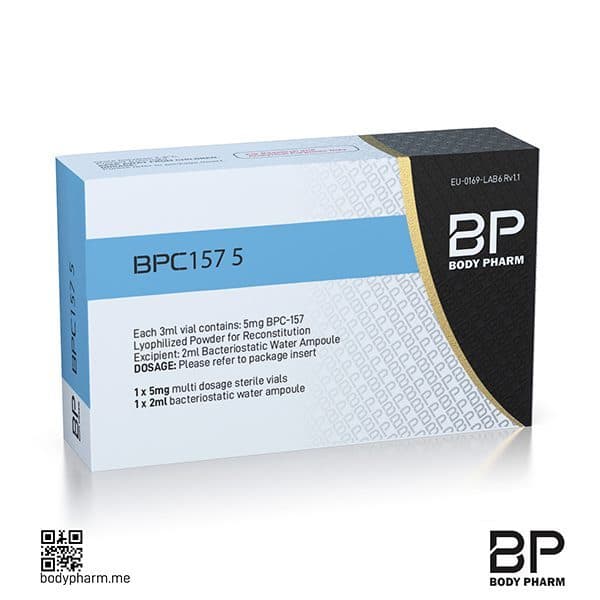
Body Pharm BPC 157 5 Vial
R390.00
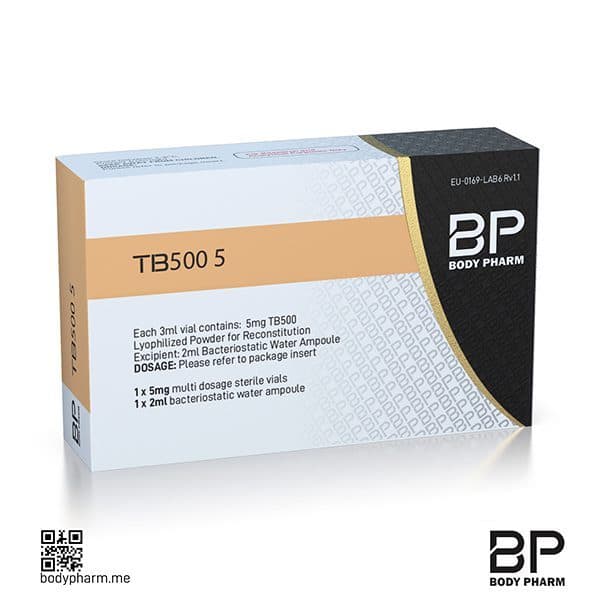
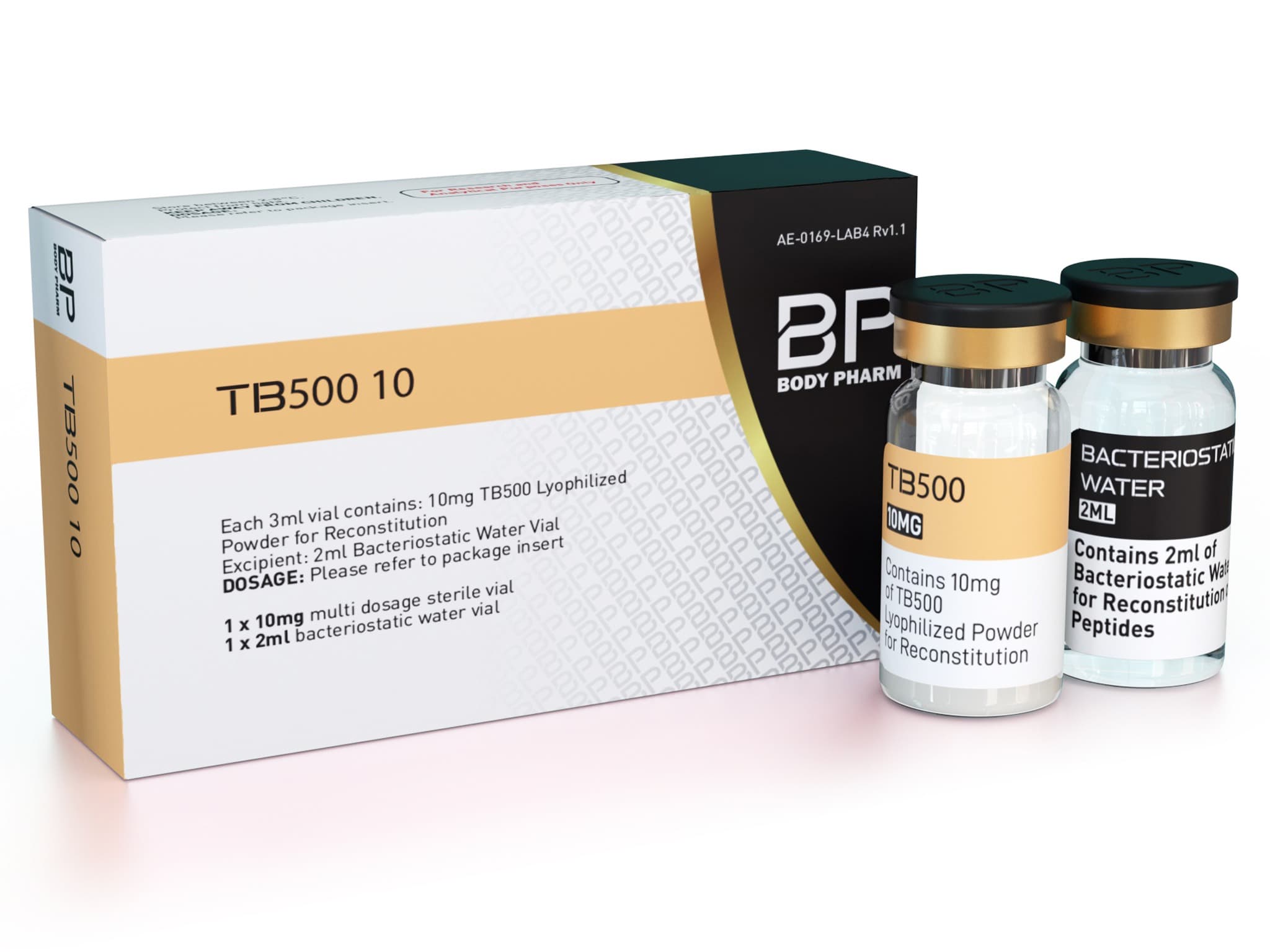
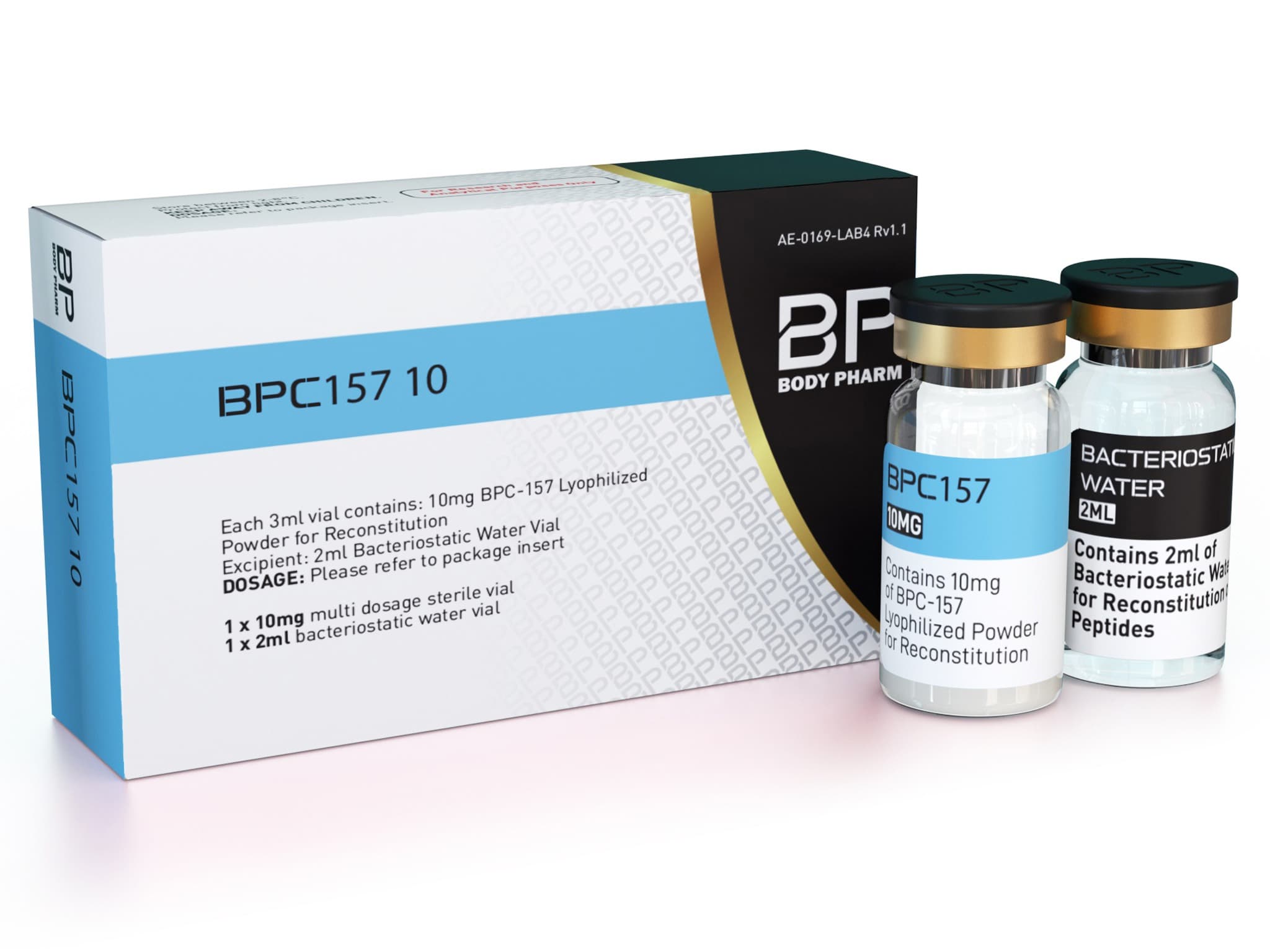
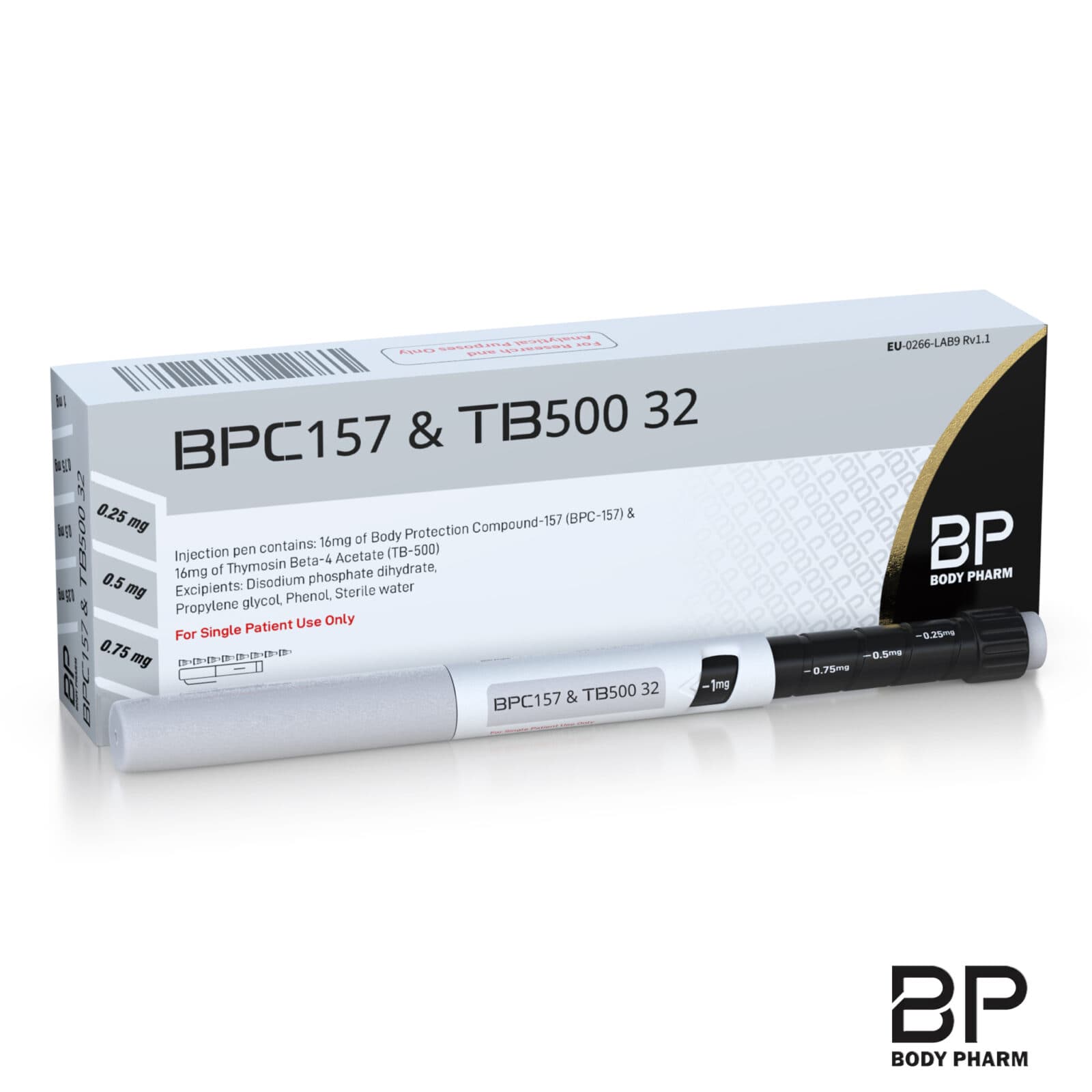
Body Pharm BPC 157 & TB500 32 pen
R2 100.00
The best peptide for recovery depends on what you're recovering from. BPC-157 and TB-500 are most often used for tendon and ligament repair because they upregulate growth factors and promote angiogenesis in animal models. CJC-1295, Ipamorelin, and Sermorelin are investigated for muscle repair via growth hormone pulses because they stimulate endogenous growth hormone release. GHK-Cu is studied for inflammation and skin or connective tissue because it modulates collagen synthesis and inflammatory cytokines. DSIP and Epithalon are proposed for sleep-driven recovery because they target circadian and mitochondrial regulators. None has published human randomised controlled trial (RCT) data for athletic recovery. Most growth-factor and tissue-repair peptides fall within the prohibited classes on WADA's Prohibited List for competitive athletes.
Key Takeaways
- BPC-157 and TB-500 show consistent preclinical evidence for tendon and soft-tissue repair but lack human RCTs as of 2026
- CJC-1295, Ipamorelin, and Sermorelin stimulate endogenous growth hormone but are WADA-prohibited for competitive athletes
- GHK-Cu has the strongest human evidence base (dermatology and wound healing) among the recovery peptides covered here
- No human RCT has tested any peptide stack in athletes; combinations remain practitioner-led extrapolations
This guide covers how to match a peptide to your specific recovery need and what the current evidence actually shows.
Quick-match table
| Recovery need | Peptide candidate | Evidence base |
|---|---|---|
| Tendon/ligament healing | BPC-157, TB-500 | Preclinical/animal |
| Muscle repair (GH axis) | CJC-1295, Ipamorelin, Sermorelin | Mixed human data |
| Inflammation, connective tissue | GHK-Cu | Human dermatology data |
| Sleep/circadian recovery | DSIP, Epithalon | Preclinical |
What Are Recovery Peptides and How Do They Work?
Recovery peptides are short chains of amino acids (typically under 50 residues) that act as signalling molecules. They instruct cells to upregulate growth factors, modulate inflammatory cascades, or stimulate collagen and extracellular matrix synthesis at injured tissue sites because they bind specific cell receptors the way the body's own signalling fragments do. They differ from full proteins by size and from small-molecule drugs by mechanism: peptides are thought to replicate the body's endogenous signalling rather than overriding it.
In a recovery context, that translates into three broad proposed actions:
- Pulsing growth hormone release via the GH/IGF-1 axis (CJC-1295, Ipamorelin, Sermorelin) because they stimulate the pituitary gland
- Accelerating angiogenesis and fibroblast migration in tendon and gut tissue (BPC-157, TB-500) because they upregulate growth-factor receptors and promote cell migration in preclinical models
- Shifting cytokine balance toward repair (GHK-Cu) because it modulates inflammatory signalling
Most are delivered by subcutaneous injection because oral peptides are largely degraded by gastric enzymes. A few, like DSIP and some BPC-157 formulations, are also trialled intranasally or orally, though absorption data in humans is limited.
A common conflation: MK-677 is not a peptide
MK-677 (Ibutamoren) is a non-peptide, orally active ghrelin receptor agonist — a small-molecule drug rather than an amino-acid chain. South African readers will still find it grouped with "recovery peptides" in older consumer content that is now outdated. The distinction matters for two reasons: dosing routes differ (MK-677 is oral; most recovery peptides are injected), and the two are classified differently under anti-doping rules.
How We Assessed These Peptides (Methodology)
We scored every peptide in this guide against four criteria before including it in the decision matrix below. We completed the review in March 2026. Any peptide lacking either a plausible mechanism or credible human evidence for South African use was excluded rather than ranked low.
| Criterion | What we checked | Source basis |
|---|---|---|
| Evidence level | Peer-reviewed literature 2023-2026, grading preclinical (animal/cell) separately from human trials | Rahman et al., 2026 orthopaedic peptide review as anchor; supporting clinical context |
| Anti-doping status | WADA Prohibited List cross-referenced for competitive athletes | WADA |
| Product quality | Third-party CoA availability for stocked products including BPC-157 and TB-500 | Industry guidance on purity testing |
Recovery Peptide Matrix: Match Your Need in 2026
Match your recovery bottleneck to the peptide with the strongest mechanistic and evidence fit before sourcing.
| Peptide | Primary Recovery Use-Case | Mechanism (brief) | Evidence Level | Route |
|---|---|---|---|---|
| BPC-157 | Localised tissue repair, gut and soft-tissue inflammation | Upregulates VEGFR2, modulates nitric-oxide pathway, supports angiogenesis (preclinical) | Preclinical dominant; uncontrolled human case reports only | Subcutaneous or oral |
| TB-500 | Whole-body soft-tissue and tendon repair | Thymosin β4 fragment; actin sequestration, cell migration | Animal studies dominant; no published human RCTs in athletes 2023-2026 | Subcutaneous |
| BPC-157 + TB-500 stack | Combined tendon, ligament and post-injury recovery | Complementary angiogenic and cell-migration effects | Preclinical only; clinic anecdote, no human RCTs | Subcutaneous |
| CJC-1295 + Ipamorelin | Muscle repair via endogenous GH pulse | GHRH analogue plus selective ghrelin agonist; raises GH/IGF-1 | Small human pharmacokinetic and GH-response trials; recovery endpoints extrapolated | Subcutaneous |
| Sermorelin | Sleep-linked GH recovery, general restoration | GHRH analogue, stimulates pituitary GH | Human trials in GH deficiency; recovery use off-label | Subcutaneous |
| IGF-1 (LR3) | Direct muscle hypertrophy and repair signalling | Insulin-like growth factor receptor agonist | Human endocrine data; no athletic recovery RCTs | Subcutaneous |
| GHK-Cu | Skin, collagen and post-training inflammation | Copper tripeptide; modulates collagen synthesis, MMPs and fibroblast activity | Human dermatology studies; systemic recovery data limited | Topical or subcutaneous |
| Epithalon / DSIP | Sleep architecture and circadian-led recovery | Pineal peptide (epithalon); delta-wave modulation (DSIP) | Preclinical and small sleep-neurobiology studies; reviewed in 2026 orthopaedic peptide literature | Subcutaneous |
For competitive athletes tested under SAIDS or their federation, the WADA Prohibited List is the binding document. Most growth-factor and GH-secretagogue peptides in this matrix are banned in and out of competition.
BPC-157 for Muscle and Tissue Repair
BPC-157 is a synthetic 15-amino-acid fragment of a protein originally isolated from human gastric juice. It is used in recovery contexts for its proposed effects on soft-tissue healing and angiogenesis because animal models show it upregulates growth-factor receptors and promotes new blood-vessel formation. Its proposed mechanism centres on upregulating growth-factor receptor expression, promoting new capillary formation, and modulating the nitric oxide pathway in injured tissue. That mechanistic profile is why it dominates the recovery conversation among South African gym-goers searching for the best peptides for recovery.
The muscle-repair use case and the tendon/ligament use case are not the same conversation, even though they share a molecule. For muscle, the relevant signal is faster resolution of exercise-induced microtrauma and reduced soreness between heavy sessions — the outcome most lifters care about because it directly affects training frequency. For tendon and ligament work, the relevant signal is collagen organisation and revascularisation of poorly perfused tissue such as the Achilles or patellar tendon. Rodent transection models have shown accelerated soft-tissue healing, but human equivalents do not yet exist because ethical constraints limit controlled tendon-injury trials in humans. Practically, athletes rehabbing a chronic tendinopathy and athletes chasing post-session muscle turnover are asking BPC-157 to do two different jobs.
Evidence level in 2026
Animal data is consistent across tendon, ligament, muscle, and gut models because multiple independent research groups have reported comparable findings. Published peer-reviewed human RCTs in athletic recovery still do not exist as of March 2026. Clinic case series and practitioner anecdote fill the gap. Narrative reviews of the musculoskeletal literature continue to flag that healing claims trace back to preclinical research rather than controlled human trials. Treat it as investigational and mechanistically coherent, not proven.
Sourcing and anti-doping reality
BPC-157 is sold locally for research purposes and is not approved for human therapeutic use. It is not currently named on the WADA Prohibited List by name. Tested athletes should confirm class-level status with their federation before use because peptide hormones and growth factors are prohibited as a class. For stacking logic with tendon-biased protocols, see the TB-500 section that follows.
TB-500 for Tendon, Ligament, and Full-Body Repair
TB-500 is the synthetic, more bioavailable fragment of Thymosin Beta-4 (Tβ4). It earns its place in a recovery stack when the damage is systemic rather than pinpointed because it circulates throughout the body rather than acting locally. Where BPC-157 is the targeted-tissue tool, TB-500 is the circulating one. Think of a rugby player presenting with a hamstring tear, a calf strain, and a grumpy AC joint in the same week — one systemic signal is proposed to support multiple injuries simultaneously.
Mechanism: actin, migration, and inflammation
Tβ4 binds and sequesters G-actin monomers, which regulates the actin cytoskeleton and lets repair cells migrate into damaged tissue because the actin dynamics control cell movement. Downstream, preclinical work reports that it supports endothelial, keratinocyte and myocyte migration into wound beds and dampens inflammatory activity in animal injury models. Tissue that needs cells to arrive, organise, and lay down matrix is proposed to benefit from a systemically available repair signal.
Why pair it with BPC-157
BPC-157 and TB-500 are mechanistically complementary rather than redundant because they target different stages of tissue repair. BPC-157 drives local angiogenesis, fibroblast activity, and growth-factor receptor upregulation at the injury site. TB-500 circulates and promotes the cell migration and anti-inflammatory environment that allows that local repair to integrate with surrounding tissue. The BPC-157 + TB-500 combination pen reflects the same pairing logic seen in practitioner-facing overviews, which flag the stack as a common choice for mixed muscle-plus-connective-tissue presentations. No human trial validates the combination.
Evidence level and anti-doping status in 2026
Human RCT data for TB-500 in athletic recovery does not exist as of March 2026 because no controlled trial has been conducted in this population. The supporting literature is preclinical (rodent cardiac, dermal, and tendon models) plus uncontrolled clinic case reports. Like BPC-157, it is sold for research purposes in South Africa. WADA's Prohibited List explicitly names thymosin β4 and its derivatives such as TB-500, so it is banned at all times for tested athletes. For sourcing locally, see the TB-500 product page and verify batch documentation before purchase because product purity cannot be assumed without third-party testing.
CJC-1295, Ipamorelin, and Sermorelin for Muscle Recovery
CJC-1295, Ipamorelin, and Sermorelin are investigated for muscle recovery indirectly by prompting the pituitary to release more of your own growth hormone. Growth hormone then drives hepatic IGF-1 production and downstream protein synthesis. They are secretagogues, not exogenous HGH — they trigger the body's own production rather than introducing synthetic hormone. That distinction matters physiologically: you are nudging a pulsatile system rather than overriding it, which affects how the body responds.
How the trio differs mechanically
Sermorelin is the oldest of the three. It is a GHRH (Growth Hormone-Releasing Hormone) analogue with a short half-life of roughly 10-20 minutes, producing a brief, physiological GH pulse because it mimics the body's natural GHRH signalling. CJC-1295 is a modified GHRH; the DAC (Drug Affinity Complex) version binds albumin and extends GH and IGF-1 elevation over several days because the albumin binding slows clearance. CJC-1295 without DAC behaves more like Sermorelin because it lacks that extended half-life. Ipamorelin is a selective GHRP (Growth Hormone-Releasing Peptide) that triggers GH release through the ghrelin receptor without the cortisol or prolactin spillover seen with older GHRPs because it is more selective. Pairing it with CJC-1295 stacks two release pathways, which is why the combination is common.
What this means for recovery
The proposed recovery logic runs GH to IGF-1 to enhanced satellite cell activity and protein synthesis. IGF-1 is implicated in muscle repair signalling because it stimulates myoblast proliferation and differentiation. Some vendor marketing describes the Sermorelin/Ipamorelin/CJC-1295 trio as "as effective as HGH injections." Treat that as unverified marketing language, not trial data, because no controlled comparison has been published. The broader secretagogue category still lacks the human recovery endpoints that would justify the claim.
Anti-doping status in 2026
WADA's Prohibited List captures GHRH analogues and GH secretagogues as prohibited classes at all times, in and out of competition. Tested athletes should treat the trio as off-limits. For sourcing alongside the BPC-157 and TB-500 options already discussed, ask for batch documentation before purchase because product identity and purity cannot be verified without third-party testing.
GHK-Cu for Inflammation Reduction and Collagen Repair
When the recovery bottleneck is inflammation and connective tissue turnover rather than acute muscle or tendon trauma, GHK-Cu is worth considering because it addresses a different recovery pathway. It is a naturally occurring tripeptide (glycine-histidine-lysine) bound to copper, present in human plasma, and it declines with age. It also has the strongest human evidence base of any peptide covered in this guide because dermatological and wound-healing studies span decades.
What the human data actually shows
Skin and wound-healing research documents GHK-Cu upregulating collagen and glycosaminoglycan synthesis and dampening inflammatory signalling at the wound site because the copper-peptide complex modulates matrix metalloproteinases (MMPs) and fibroblast activity. That peer-reviewed dermatology and tissue-remodelling literature is more robust than the human evidence for BPC-157 or TB-500, which still rest largely on animal models and uncontrolled case reports as of 2026. Systemic recovery endpoints for GHK-Cu in athletes, however, remain unstudied in controlled trials.
Where it fits in a recovery stack
For post-session inflammation, low-grade tendinopathy, and skin or scar repair after training abrasions or surgery, GHK-Cu's anti-inflammatory and matrix-remodelling effects are mechanistically well-suited because it directly addresses the inflammatory and collagen-remodelling phases of healing. Most South African users will encounter it first in topical serums and microneedling protocols, where formulations are more accessible than injectable preparations.
Anti-doping status in 2026
WADA's Prohibited List does not name GHK-Cu specifically because it is not classified as a performance-enhancing substance in the anti-doping code.
Epithalon and Sleep Peptides for Circadian Recovery
Sleep-based recovery is the most underserved category in most peptide guides, despite sleep being the window in which most growth hormone is secreted. The pituitary releases GH in pulses during slow-wave sleep. Muscle protein synthesis is elevated because anabolic signalling is highest during sleep. Systemic inflammation clears because immune-modulating cytokines are released during sleep. Three peptides are proposed to target this axis: Epithalon (a synthetic tetrapeptide modelled on pineal gland extracts, studied for telomerase activation and circadian regulation because it mimics endogenous pineal signalling), Delta Sleep-Inducing Peptide (DSIP), and Pinealon.
Rahman et al., writing in a 2026 NIH PMC-indexed review of therapeutic peptides in orthopaedics, note that "recovery-enhancing agents such as epithalon, delta sleep-inducing peptide, and pinealon target circadian and mitochondrial regulators" because these pathways are relevant to tissue repair. That framing places sleep peptides in the same recovery conversation as BPC-157 and TB-500, rather than treating them as an anti-ageing curiosity.
As of 2026, the evidence base is predominantly preclinical. Human RCTs in athletes for sleep-quality or post-exercise recovery endpoints are absent. Most data come from animal and cellular studies on circadian and mitochondrial pathways.
Quick-reference matrix
| Peptide | Primary mechanism | Evidence level (2026) |
|---|---|---|
| Epithalon | Pineal-modelled tetrapeptide; telomerase and circadian regulation | Preclinical and small human ageing studies |
| DSIP | Modulates slow-wave sleep architecture | Preclinical, limited older human sleep data |
| Pinealon | Short peptide targeting mitochondrial and neural recovery | Preclinical only |
None of the three appears by name on WADA's Prohibited List. Competitive athletes should check the current list before each season because peptide hormones and growth factors are prohibited as a class and new substances are added regularly. Practitioner oversight is the practical route rather than retail pharmacy supply.
Stacking Recovery Peptides: What Combinations Make Sense?
Stacking only makes sense when the peptides target complementary mechanisms and a clinician who knows your medical history has reviewed the combined risk profile. As of 2026, no human RCT has tested any peptide stack in athletes. Combinations remain practitioner-led extrapolations from preclinical work, not evidence-based protocols.
BPC-157 + TB-500: the most common pairing
The BPC-157 and TB-500 stack is the combination most frequently described in practitioner literature for tendon, ligament, and soft-tissue recovery. The rationale is that BPC-157's angiogenic and gut-axis effects complement TB-500's actin-binding and cell-migration mechanisms because the two peptides address different stages of tissue repair. Both rely on animal rather than human trial data. BeSkinny stocks a pre-combined BPC-157 + TB-500 pen for readers who have already cleared the combination with their doctor and prefer a single device over two separate vials.
CJC-1295 + Ipamorelin: the GH-axis pairing
This stack is used for muscle repair and body composition rather than tendon healing. CJC-1295 (a GHRH analogue) raises baseline growth hormone output while Ipamorelin (a selective ghrelin-receptor agonist) produces GH pulses without significantly raising cortisol or prolactin because the two mechanisms are complementary. Both fall within the peptide hormones and growth factors class prohibited by WADA, which rules them out for any registered competitive athlete.
Why stacking raises the stakes
Two peptides means two research compounds, two injection-site risk profiles, and a higher chance of contamination or mislabelling if either is sourced outside a regulated supply chain. Dosing is outside the scope of an informational guide because individualised protocols require medical supervision. Book a consultation with a SASMA-registered sports physician or your GP before combining anything because they can assess your medical history and monitor for adverse effects.
How to Choose the Right Recovery Peptide for You
Match the peptide to the recovery problem you actually have, not to whatever is trending in your gym WhatsApp group, because different peptides address different recovery mechanisms. The decision matrix below condenses the mechanisms and human-data gaps covered earlier into a single reference.
| Your recovery need | First-line candidate | Stack option | Evidence base in 2026 |
|---|---|---|---|
| Acute localised injury (muscle tear, tendon strain) | BPC-157 | BPC-157 + TB-500 | Preclinical animal models; no published human RCTs |
| Systemic or widespread soft-tissue damage | TB-500 | BPC-157 + TB-500 | Preclinical; practitioner anecdote only |
| Post-workout soreness and lean-mass support | CJC-1295 + Ipamorelin | Add IGF-1 under medical supervision | GH-axis pharmacology; WADA-prohibited class |
| Chronic low-grade inflammation, skin and connective tissue | GHK-Cu | Standalone | Human dermatology and wound-healing data |
| Sleep quality and circadian recovery | Epithalon | DSIP | Sleep-neurobiology and animal work |
Before you order anything
Confirm three things in this order:
- Your training problem is genuinely a recovery problem (not a load-management or sleep-hygiene problem) because addressing the root cause is more effective than adding peptides.
- You have a SASMA-registered doctor or GP overseeing the protocol because medical supervision is essential for research compounds.
- The supplier provides batch-specific documentation because product purity cannot be assumed.
Ask BeSkinny's team directly for current third-party testing details and product provenance via the about-us page before purchasing. CoA (Certificate of Analysis) availability was not publicly verifiable at the time of writing.
Frequently Asked Questions
Are recovery peptides safe?
No human RCT safety data exists because controlled trials have not been conducted. Risk depends heavily on source purity because contamination is a real concern with unverified products. Reported risks in clinic case series include injection-site reactions and unknown long-term effects.
How long does it take for BPC-157 to work?
Practitioner accounts suggest changes in localised soft-tissue symptoms within two to four weeks of consistent subcutaneous dosing near the injury site, but no human trial has validated this window. Onset varies by injury type, dose, and whether load management and sleep are also addressed. Treat any specific timeframe as anecdotal.
Can I use peptides for post-workout recovery every day?
Daily continuous dosing is not supported by human trial data. Most practitioner protocols cycle peptides over four to six weeks followed by a break because receptor desensitisation is a theoretical concern. Continuous use of GH-axis peptides like CJC-1295 and Ipamorelin carries additional concerns around receptor desensitisation, and both remain WADA-prohibited at all times.
Is BPC-157 banned in sport?
WADA prohibits BPC-157 in competition because it falls within the peptide hormones and growth factors class. Tested athletes should treat it as off-limits.
What is the difference between BPC-157 and TB-500?
BPC-157 is studied in animal models for localised gastrointestinal, tendon, and ligament repair because it acts at the tissue level. TB-500 (thymosin beta-4 fragment) acts more systemically on cell migration and tissue remodelling because it circulates throughout the body. Clinicians often pair them for combined local and whole-body soft-tissue cases, though no human trial validates the stack.
Next Steps
Start by identifying which recovery bottleneck applies to you: localised tissue damage, systemic soft-tissue injury, muscle repair, inflammation, or sleep quality. Once you have matched your need to a peptide candidate, book a consultation with a SASMA-registered sports physician or your GP to discuss the evidence and anti-doping status. Bring this guide and ask your doctor to verify the current WADA status before proceeding. If you are a competitive athlete, confirm your federation's anti-doping rules before considering any peptide because WADA's Prohibited List is binding.
References
- Gwyer D, Wragg NM, Wilson SL. Gastric pentadecapeptide body protection compound BPC 157 and its role in accelerating musculoskeletal soft tissue healing. Cell and Tissue Research, 2019.
- The Prohibited List (International Standard). World Anti-Doping Agency, 2025.
- Rahman O, et al. Therapeutic Peptides in Orthopaedics: Applications, Challenges, and Future Directions. JAAOS Global Research & Reviews, 2026.
- Hsieh MJ, et al. Therapeutic potential of pro-angiogenic BPC157 is associated with VEGFR2 activation and up-regulation. Journal of Molecular Medicine, 2017.
- Goldstein AL. Thymosin β4: actin-sequestering protein moonlights to repair injured tissues. Trends in Molecular Medicine, 2005.
- Xing Y, et al. Progress on the Function and Application of Thymosin β4. Frontiers in Endocrinology, 2021.
- Teichman SL, et al. Prolonged Stimulation of Growth Hormone and Insulin-Like Growth Factor I Secretion by CJC-1295, a Long-Acting Analog of GH-Releasing Hormone, in Healthy Adults. Journal of Clinical Endocrinology & Metabolism, 2006.
- Raun K, et al. Ipamorelin, the first selective growth hormone secretagogue. European Journal of Endocrinology, 1998.
- Schally AV, et al. The development of growth hormone-releasing hormone analogs: Therapeutic advances in cancer, regenerative medicine, and metabolic disorders. Reviews in Endocrine and Metabolic Disorders, 2024.
- Pickart L, Margolina A. Regenerative and Protective Actions of the GHK-Cu Peptide in the Light of the New Gene Data. International Journal of Molecular Sciences, 2018.
- Pickart L. The human tri-peptide GHK and tissue remodeling. Journal of Biomaterials Science, Polymer Edition, 2008.
- Araj K, et al. Overview of Epitalon — Highly Bioactive Pineal Tetrapeptide with Promising Properties. International Journal of Molecular Sciences, 2025.
- Khavinson VKh, et al. Epithalon peptide induces telomerase activity and telomere elongation in human somatic cells. Bulletin of Experimental Biology and Medicine, 2003.
- Graf MV, Kastin AJ. Delta-sleep-inducing peptide (DSIP): a review. Neuroscience & Biobehavioral Reviews, 1984.
- Svensson J, et al. Two-month treatment of obese subjects with the oral growth hormone (GH) secretagogue MK-677 increases GH secretion, fat-free mass, and energy expenditure. Journal of Clinical Endocrinology & Metabolism, 1998.