
Muscle & growth
Peptides for Muscle Growth
CJC-1295, somatropin (HGH) and tesamorelin, growth-hormone peptides associated with muscle growth and body composition. Third-party tested.
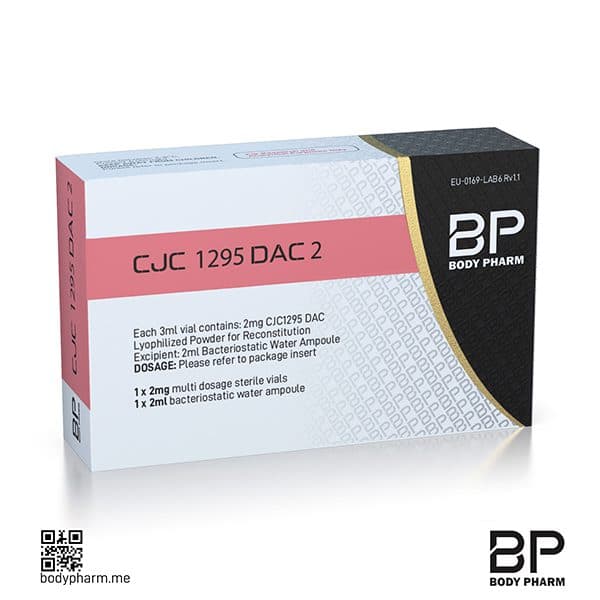
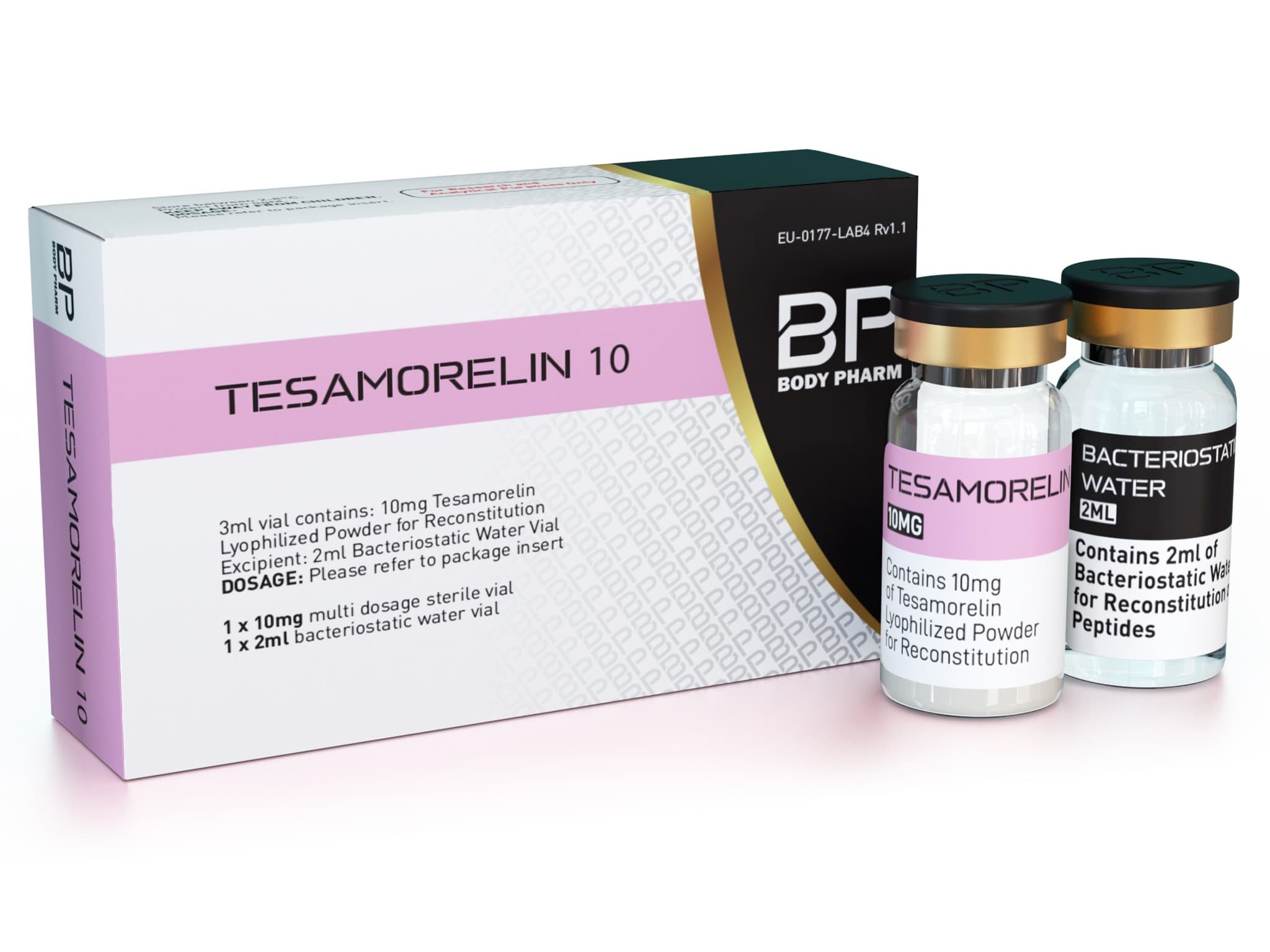
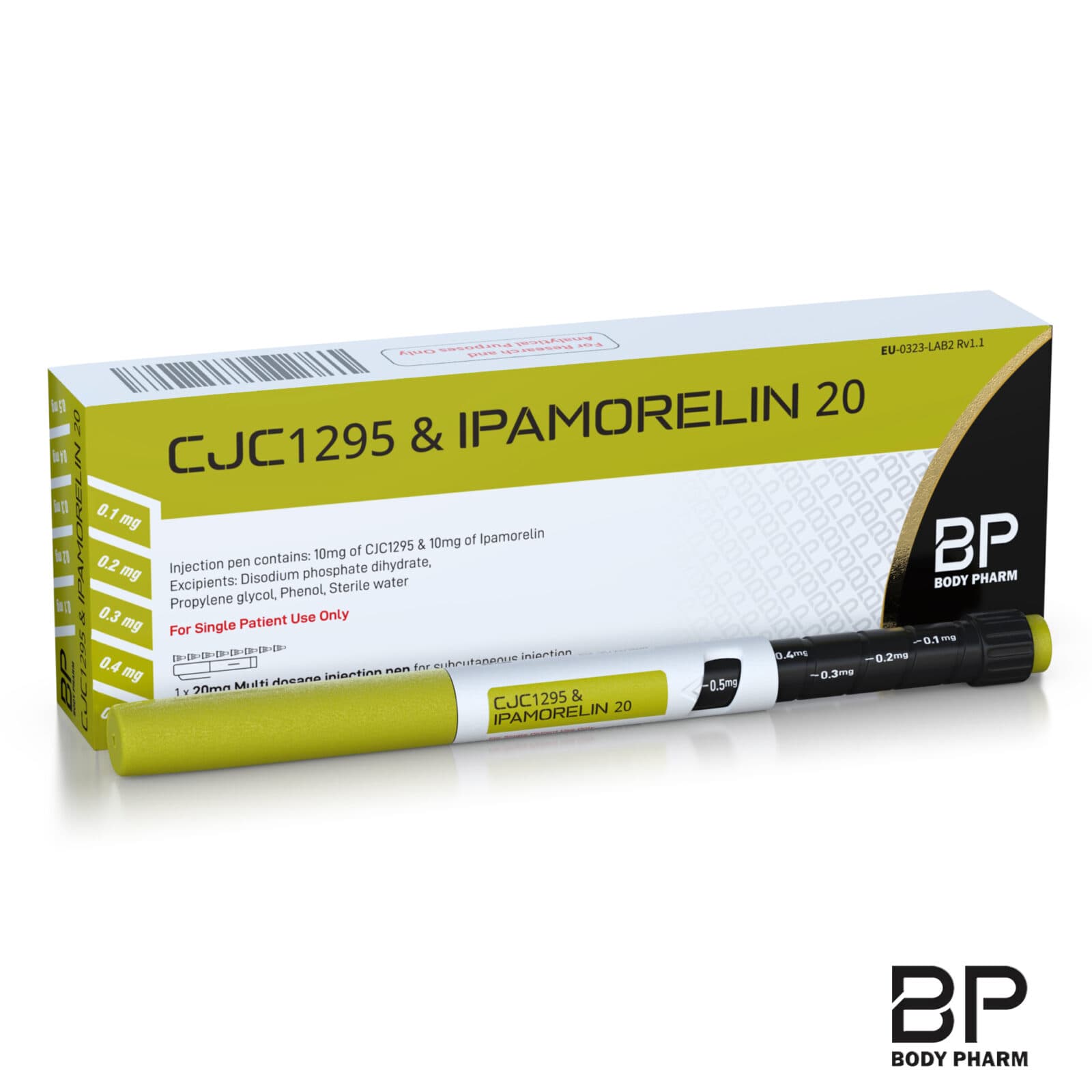
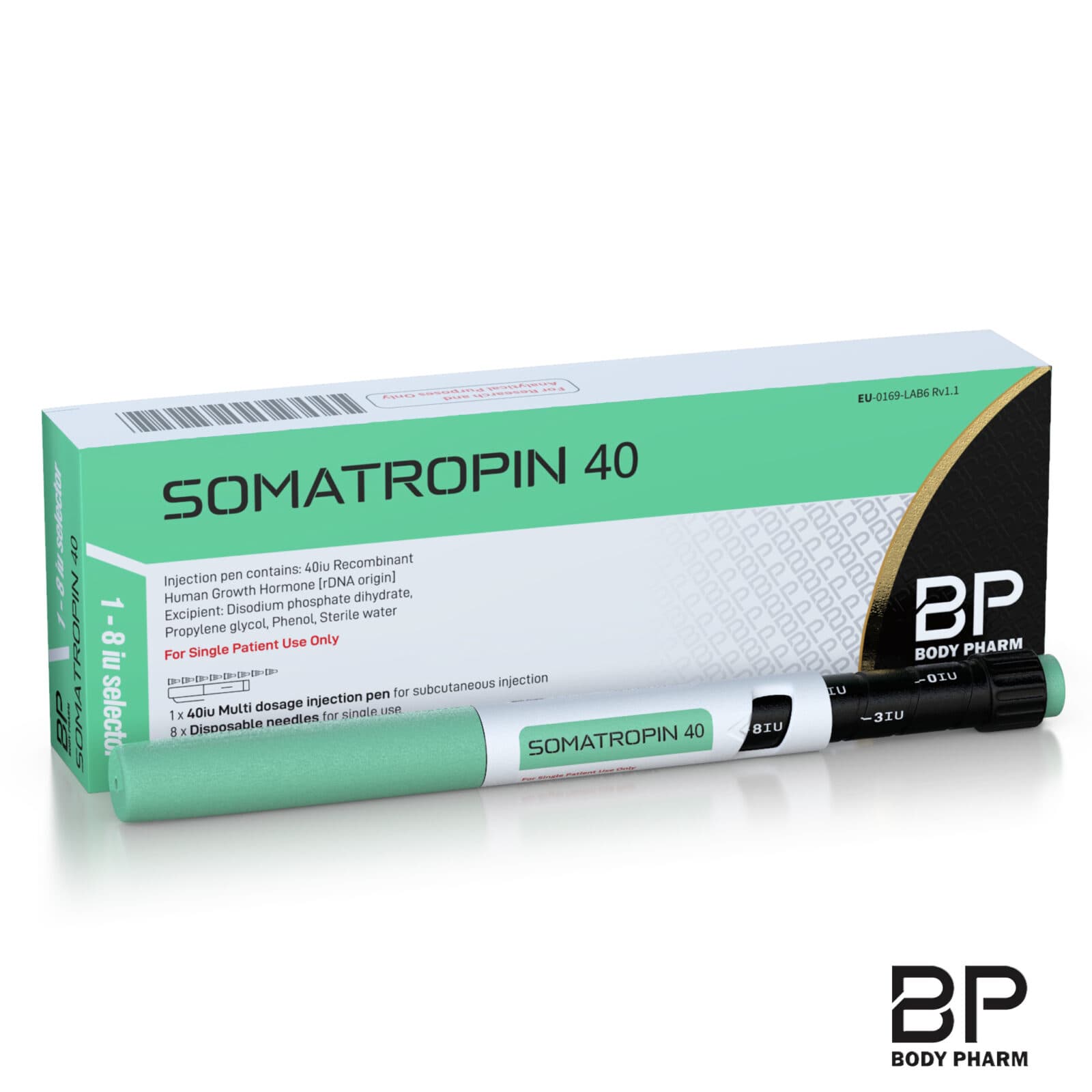
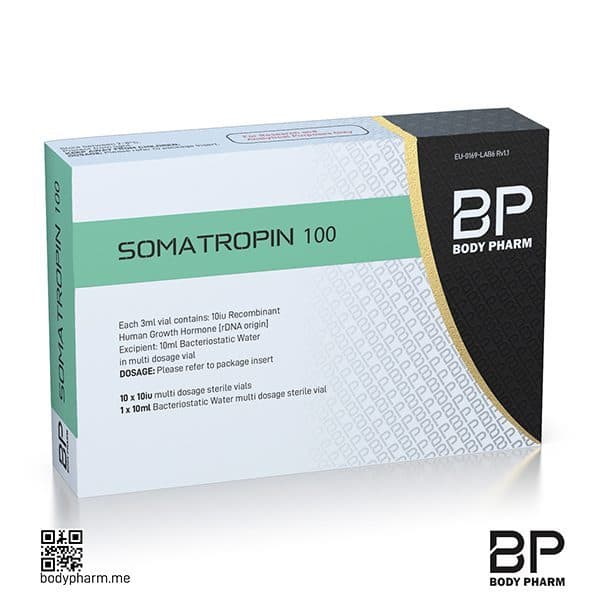
Body Pharm Somatropin 40 Pen (HGH)
R2 200.00
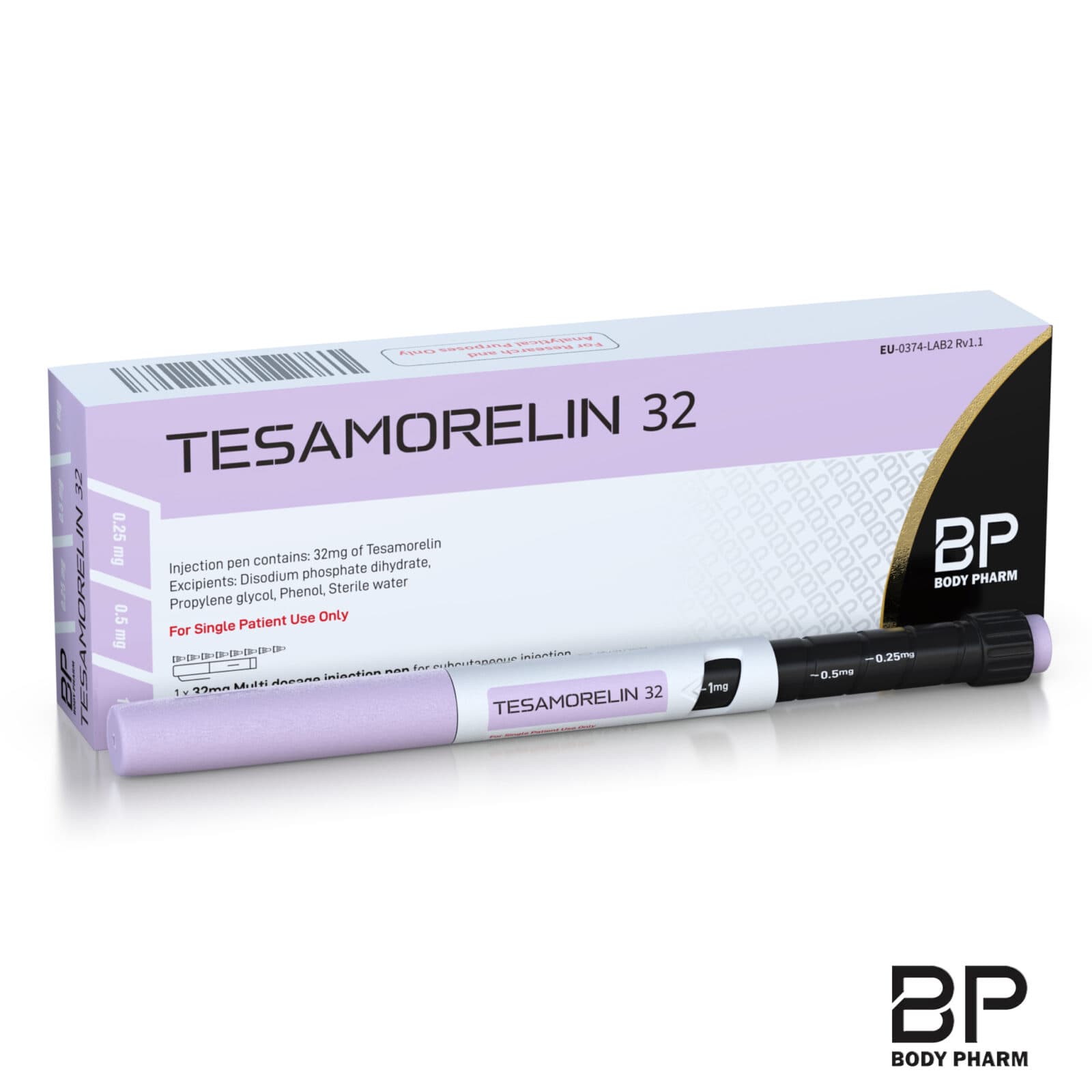
Body Pharm Tesamorelin 32 Pen
R2 640.00
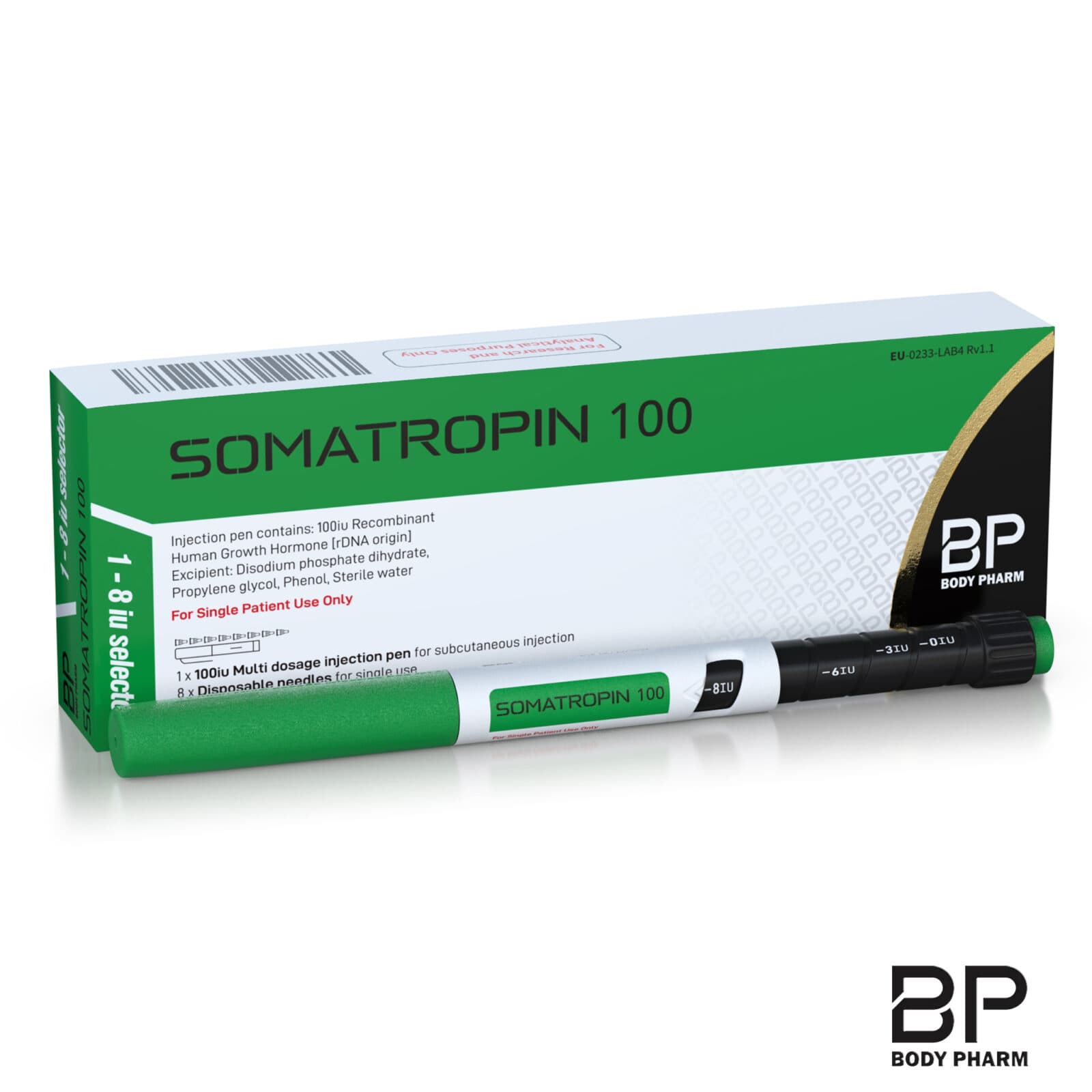
Body Pharm Somatropin 100 Pen (HGH)
R4 200.00
The honest 2026 answer: the most discussed peptides for muscle growth are CJC-1295 (with or without DAC), ipamorelin, sermorelin, tesamorelin, BPC-157, TB-500, IGF-1 LR3 and hexarelin, all prohibited under the WADA 2026 Prohibited List section S2. Only tesamorelin holds a narrow US FDA approval, and that is for HIV-associated lipodystrophy, not lean-mass gain. No 2023–2026 randomised controlled trial has shown any of these peptides increases muscle size or strength in healthy resistance-trained adults — the evidence base in this population remains mechanistic rather than outcome-driven. This article is a decision framework, not a sales pitch: mechanism, best-fit goal, half-life and evidence quality for each compound, so you can match a compound to a goal before deciding whether the evidence trade-offs are worth it.
Key Takeaways
- All compounds discussed here are prohibited under WADA S2 for tested athletes.
- Evidence is mechanistic, not outcome-driven. No 2023–2026 RCT in healthy resistance-trained adults proves hypertrophy from any of these peptides; claims rest on mechanism and anecdote.
- CJC-1295 + ipamorelin is the most-marketed stack for hypertrophy in 2026 clinic content, but lacks controlled trial support in lifters.
- Recovery peptides (BPC-157, TB-500) are adjuncts, not hypertrophy drivers. They address training bottlenecks like tendon pain, not muscle growth directly.
- Tesamorelin is the only FDA-approved peptide here, but approval is narrowly for HIV-associated lipodystrophy, not physique use.
- Quality control depends entirely on vendor accountability. Demand batch-specific Certificates of Analysis (CoA) with HPLC purity ≥98% and named manufacturer.
- Medical oversight is non-negotiable. Baseline bloods (IGF-1, fasting glucose, HbA1c, lipids, liver enzymes) and repeat testing at 8–12 weeks are essential because individual hormone sensitivity varies widely.
Best peptides for muscle growth in 2026: quick answer
For hypertrophy, the most discussed stack in 2026 is CJC-1295 paired with ipamorelin, which together pulse growth hormone release and raise IGF-1 through separate receptor pathways. For soft-tissue recovery between heavy sessions, lifters reach for BPC-157 and TB-500, both still unapproved research peptides globally. For recomposition, tesamorelin is the only one with a real approval file, and that approval is narrowly for HIV-associated lipodystrophy, not physique use. If recovery is your goal, see our wellness and recovery peptides range, including BPC-157 in South Africa. The full comparison table is in the next section.
2026 comparison table: mechanism, goal, evidence
Here is the side-by-side reference I wish I'd had before my first peptide purchase, built from the 2026 clinical-marketing literature and the actual regulatory registers.
| Peptide | Primary mechanism | Best-fit goal | Typical administration | 2026 FDA and WADA status | Evidence quality |
|---|---|---|---|---|---|
| CJC-1295 (with DAC) | Growth hormone-releasing hormone (GHRH) analogue, ~5–8 day half-life via albumin binding | Hypertrophy (slow GH/IGF-1 elevation) | Subcutaneous, 1–2x weekly | Not FDA-approved; WADA-prohibited (S2) | Mechanistic + anecdotal; no RCT in trained adults |
| Ipamorelin | Ghrelin/GHS-R agonist, pulsed GH release; ~2 hr half-life | Hypertrophy + sleep-quality recovery | Subcutaneous, nightly or pre-bed | WADA-prohibited (S2) | Mechanistic + anecdotal |
| CJC-1295 + ipamorelin stack | Combined tonic + pulsatile GH stimulation | Hypertrophy (most-cited 2026 stack) | Subcutaneous, nightly | Not FDA-approved; WADA-prohibited | Clinic-reported; no healthy-adult RCT |
| Sermorelin | Shorter GHRH analogue | Mild hypertrophy, sleep, anti-ageing | Subcutaneous, nightly | WADA-prohibited | Older GH-deficiency data; anecdotal for physique |
| Tesamorelin | Stabilised GHRH analogue | Recomposition (visceral fat reduction) | Subcutaneous, daily | FDA-approved as EGRIFTA SV for HIV lipodystrophy only; WADA-prohibited | RCT-grade in HIV cohorts; none in healthy lifters |
| Hexarelin | Potent GHS, desensitises quickly | Short hypertrophy blocks | Subcutaneous, 1–3x daily | WADA-prohibited | Mechanistic; older PK data |
| IGF-1 LR3 | IGF-1 analogue, ~20–30 hr half-life | Hypertrophy (direct anabolic) | Subcutaneous, daily | WADA-prohibited | Mechanistic + anecdotal; no recent RCT |
| BPC-157 | Putative angiogenic / cytoprotective peptide | Recovery (tendon, gut, soft tissue) | Subcutaneous or local, daily | Unapproved research peptide globally | Animal data; human anecdotal |
| TB-500 (thymosin β-4 fragment) | Actin-binding, tissue repair | Recovery (chronic injury) | Subcutaneous, weekly | Unapproved research peptide; WADA-prohibited | Animal/pre-clinical; anecdotal |
| MK-677 (ibutamoren) — not a peptide | Oral non-peptide ghrelin mimetic | Hypertrophy, appetite, sleep | Oral, daily | Investigational small molecule, never approved; WADA-prohibited | Some older human PK; no hypertrophy RCT in lifters |
For the recovery rows, our wellness and recovery peptides range lists what's actually stocked locally, including BPC-157 in South Africa. Every GH-axis or IGF-1 entry is banned for tested athletes under WADA's 2026 S2 category, per the WADA 2026 Prohibited List.
How peptides actually drive muscle growth
Peptides for muscle growth work mostly by nudging your own growth hormone (GH) and IGF-1 axis upward, rather than replacing it the way injected somatropin does. Your pituitary releases GH in pulses, mainly at night and after hard training, because the hypothalamus secretes GHRH in a rhythmic pattern. That GH tells the liver and peripheral tissues to produce IGF-1, which is the actual signal driving satellite cell activation, protein synthesis and — over months of progressive overload — hypertrophy.
The peptides on every 2026 shortlist fall into four mechanistic buckets.
GHRH analogues
CJC-1295, sermorelin and tesamorelin mimic growth-hormone-releasing hormone (GHRH). They prompt the pituitary to release more GH per pulse while preserving the natural pulsatile rhythm, which is why proponents argue they carry a different side-effect profile than straight HGH. Tesamorelin is the only one with a real approval dossier: the FDA EGRIFTA SV prescribing information limits approval to reducing excess abdominal fat in HIV-infected adults with lipodystrophy, not physique use, because the clinical trial data supporting it came from that specific population.
GH secretagogues and ghrelin mimetics
Ipamorelin, hexarelin and the oral non-peptide MK-677 (ibutamoren) bind the ghrelin receptor and trigger a separate GH pulse through a different neural pathway than GHRH. Stacked with a GHRH analogue (the classic CJC-1295 + ipamorelin combo), the two pathways are synergistic on paper because they activate distinct signalling cascades. Half-lives differ considerably: ipamorelin clears in roughly 2 hours, while CJC-1295 with DAC sustains elevated GH and IGF-1 for several days after a single dose in healthy adults, which is why they're often paired to create both baseline elevation and pulsatile spikes.
Direct IGF-1 analogues
IGF-1 LR3 skips the pituitary entirely and acts as a long-acting IGF-1 analogue, with a reported half-life near 20–30 hours versus roughly 6–12 hours for native IGF-1. It's the most directly anabolic of the lot because it binds muscle IGF-1 receptors without requiring endocrine signalling, and the most WADA-relevant compound here for tested athletes. These pharmacokinetic figures come from vendor and forum reports rather than peer-reviewed human trials, so treat them as approximate.
Recovery peptides
BPC-157 and TB-500 don't push GH. They're researched (mostly in animals) for angiogenesis and soft-tissue repair, which is why I treat them as adjuncts to training rather than hypertrophy drivers. If recovery is your bottleneck, the wellness and recovery peptides range, including BPC-157 in South Africa, is the category to look at, not the GH-axis stack.
None of this overrides the basics: without a real training stimulus and roughly 1.6–2.2 g of protein per kg bodyweight, a higher GH pulse just gets metabolised and excreted. Muscle protein synthesis requires both the hormonal signal and the amino acid substrate.
Best peptides for pure hypertrophy
If you're optimising purely for lean mass, the four compounds worth understanding are CJC-1295, ipamorelin, the CJC-1295/ipamorelin stack, and IGF-1 LR3. None has a randomised controlled trial in healthy, resistance-trained adults proving hypertrophy. What we have is mechanism, anecdote, and extrapolation from older GH literature in GH-deficient populations — a different physiological context entirely.
CJC-1295
A long-acting GHRH analogue that drives endogenous GH pulses via the pituitary. With DAC it has a reported half-life of roughly 6–8 days, so a single weekly injection can sustain elevated GH and IGF-1 for days because the albumin-binding modification slows clearance. Users report better sleep, slightly fuller muscle bellies, and modest fat loss over 8–12 weeks, though these reports come from lifestyle clinics and online forums rather than controlled studies. No published RCT in healthy lifters confirms a hypertrophy effect. The limitation is the flat GH "bleed" pattern, which is less physiological than natural pulses and may downregulate the GHRH receptor over time because the pituitary senses constant stimulation rather than discrete pulses.
Ipamorelin
A selective ghrelin-receptor agonist that triggers a clean GH pulse without meaningfully raising cortisol, prolactin or ACTH, unlike older GHRPs (GHRP-6, hexarelin). Half-life is short, around 2 hours, so it's typically dosed 1–3 times daily to maintain multiple pulses. Lifters report appetite bumps and recovery improvements rather than dramatic size gains, which suggests it works better as a recovery adjunct than a standalone hypertrophy driver. As a monotherapy for hypertrophy, it's underpowered — the GH pulses are smaller than those from a GHRH analogue.
The CJC-1295 + ipamorelin stack
This is the most-marketed hypertrophy combo in the local biohacker scene, sometimes branded the "Wolverine Stack" — that's marketing language, not a clinical term. The pharmacological logic is real: a GHRH analogue plus a ghrelin mimetic acts on two separate receptors and produces a larger GH pulse than either alone because they activate distinct neural pathways that converge on the somatotroph. Lifestyle clinics in 2025 marketed effects "comparable to HGH." No RCT in healthy adults has confirmed equivalence, and the claim sits on mechanistic reasoning rather than head-to-head data in lifters.
IGF-1 LR3
The most directly anabolic of the four. It bypasses the pituitary and acts as a long-acting IGF-1 analogue with a reported half-life around 20–30 hours, sustaining muscle IGF-1 signalling between injections. Users report fast lean-mass accrual at low doses (20–50 mcg) over 4–6 week runs, though these accounts are anecdotal and come from underground forums rather than published trials. The limitations are real: systemic IGF-1 elevation can cause hypoglycaemia because IGF-1 enhances glucose uptake in muscle and fat, and it carries the strongest WADA-relevant signal of any peptide here because exogenous IGF-1 and its analogues are explicitly banned under S2.
Best peptides for recovery and injury repair
The two peptides South African lifters reach for when something hurts are BPC-157 and TB-500, and neither is directly anabolic. They earn a place in a muscle-growth article because training volume is gated by recovery: a sore Achilles or a grumpy rotator cuff costs you more hypertrophy than any GHRH stack will buy back. Both sit in our wellness and recovery peptides range rather than the growth category for that reason.
BPC-157
BPC-157 is a synthetic 15-amino-acid pentadecapeptide derived from a protective sequence found in human gastric juice. The mechanistic case in animal models is genuinely interesting: accelerated muscle and tendon healing with modulated angiogenesis and up-regulated VEGF in rodent studies, alongside reported effects on ligament fibroblast migration. The honest caveat is that human evidence is essentially anecdotal. No large RCT in injured athletes has been published as of 2026, and BPC-157 does not appear on the FDA's list of bulk drug substances permitted for pharmacy compounding under section 503A, so it remains an unapproved investigational substance in the US. Typical lifter protocols run 250–500 mcg subcutaneously near the injury site, once or twice daily for 4–6 weeks, based on anecdotal reports of symptom improvement rather than validated dosing studies.
TB-500
TB-500 is a synthetic fragment of thymosin beta-4, marketed for the same use case: soft-tissue repair, particularly chronic tendinopathies and muscle tears. Its proposed mechanism is actin binding and cell migration, which promote angiogenesis and wound healing in animal models, but the supporting work is largely rodent and case-report level. Like BPC-157, thymosin beta-4 is not FDA-approved and does not appear on the 503A bulks list for pharmacy compounding.
Neither peptide will add muscle on its own. They're recovery infrastructure, worth considering only if a specific injury is bottlenecking your training.
Best peptides for body recomposition
Recomposition — losing fat while holding or adding lean mass — is where the peptide conversation gets blurred with the GLP-1 conversation, so it's worth separating them. The honest 2026 picture: no peptide reliably builds muscle and strips fat at once in a trained lifter without resistance training and a sensible deficit doing most of the work. What the better-evidenced compounds offer is a metabolic nudge, nothing more.
Tesamorelin
Tesamorelin (EGRIFTA SV) is FDA-approved for one indication only: reduction of excess abdominal fat in HIV-infected adults with lipodystrophy, a condition where antiretroviral therapy causes abnormal fat redistribution. That visceral-fat effect is documented in randomised trials in HIV patients. Off-label, recomp-focused users chase the same effect, and clinic content from 2026 cites it for body-composition shifts in non-HIV adults without supporting RCTs in healthy lifters, extrapolating from the GHRH-driven GH mechanism. It also sits under WADA's S2 GHRH-analogue ban for tested athletes.
CJC-1295 / ipamorelin
The CJC-1295 + ipamorelin stack is marketed for recomposition because elevated GH pulses theoretically favour lipolysis (GH is lipolytic in adipose tissue) while supporting recovery and protein synthesis. The mechanism is real; the hypertrophy data in trained adults is not. No 2023–2026 RCT in healthy resistance-trained adults has shown that this stack adds muscle or measurably alters body composition versus training alone. Treat any composition change as modest and secondary to diet and training.
GLP-1s as the adjacent category
For fat loss specifically, semaglutide and tirzepatide are the better-evidenced tools, dispensed in South Africa as prescription medicines through licensed pharmacy channels (branded as Ozempic, Wegovy and Mounjaro) because they have published RCTs showing weight loss in non-diabetic populations — roughly 15% mean body-weight loss with semaglutide over 68 weeks and up to about 21% with tirzepatide over 72 weeks. They aren't muscle-growth peptides; they're appetite-suppressing incretin mimetics that reduce caloric intake. Pair them with hard resistance training and adequate protein (1.6–2.2 g/kg) or you will lose lean mass alongside fat — without the training stimulus and amino acid availability, the body preferentially catabolises muscle during a deficit. Readers chasing injury recovery rather than recomposition should look at the wellness and recovery peptides range instead.
Best peptide stack for muscle growth in 2026
The most-referenced stack in 2026 clinic content is CJC-1295 + ipamorelin, with a recovery-layered version adding BPC-157 for connective-tissue support. The rationale is mechanistic: CJC-1295 is a GHRH analogue that raises baseline GH-releasing tone by directly stimulating the pituitary, while ipamorelin is a selective GH secretagogue that triggers a clean pulse without spiking cortisol or prolactin because it has high ghrelin-receptor selectivity. Run together, they're meant to produce synergistic pulsatile GH release that more closely mimics natural rhythm than either compound alone because the two pathways converge on the somatotroph.
That mechanistic story is the entire case. No 2023–2026 RCT has tested this stack in healthy resistance-trained adults for hypertrophy or recomposition endpoints, so any "best stack" claim — including this one — is extrapolated from GH physiology and clinic anecdotes rather than outcome data in lifters.
The recovery-layered version
Adding BPC-157 is popular among lifters nursing tendon or joint issues alongside a hypertrophy block because the peptide's putative angiogenic and fibroblast-migration effects could theoretically accelerate healing. BPC-157 remains an unapproved investigational substance in the US, so source quality matters more than stack design. You cannot verify the peptide's identity or purity without a third-party CoA. If recovery is the actual priority, browse the wellness and recovery peptides range or go straight to BPC-157 in South Africa and verify the supplier publishes third-party HPLC (high-performance liquid chromatography) and mass-spec certificates of analysis per batch.
Dosing and medical oversight
I'm not publishing dosing protocols here, and you should be sceptical of any South African site that does. There is no RCT-validated protocol for this stack in healthy lifters because no controlled trial has been run, and these are all S2 WADA-prohibited substances for tested athletes. Speak to a registered medical practitioner who will actually review your bloods, baseline IGF-1, and goals before you inject anything — individual variation in GH sensitivity and baseline hormone levels means a protocol that works for one person may cause side effects in another.
FDA and WADA status (2026)
Tesamorelin is the partial exception internationally. The US FDA approves EGRIFTA SV "for the reduction of excess abdominal fat in HIV-infected adult patients with lipodystrophy" per the FDA prescribing information, and that is the only approved indication anywhere. The label explicitly does not support general-population fat loss or muscle building.
What WADA says for tested athletes
The WADA 2026 Prohibited List keeps GHRH analogues (CJC-1295, sermorelin, tesamorelin), GH secretagogues and ghrelin mimetics (ipamorelin, hexarelin, GHRP-2, GHRP-6, MK-677), and IGF-1 and its analogues (including IGF-1 LR3) banned under Section S2, in and out of competition, because these compounds artificially elevate endogenous GH and IGF-1 beyond natural physiological ranges. If you compete in any SAIDS-tested federation, every peptide on this page is a positive test waiting to happen.
BPC-157 and TB-500 remain unapproved
In the US, neither BPC-157 nor thymosin beta-4 is an FDA-approved drug, and neither currently sits on the 503A bulks list that governs which substances licensed pharmacies may compound. That matters here because most South African supply of these recovery peptides is imported from US and Chinese sources with no local oversight. If you're sourcing for tendon and joint recovery, choose a vendor that publishes batch HPLC and mass-spec CoAs, such as the wellness and recovery peptides range or the dedicated BPC-157 in South Africa listing, and run nothing without a prescriber reviewing your bloods, because the lack of oversight means quality control depends entirely on the vendor's internal standards.
Side effects, risks and what the evidence actually says
Every peptide on this page has plausible mechanisms, thin long-term human safety data, and a known side-effect profile that ranges from mildly annoying to genuinely concerning. This is YMYL (Your Money or Your Life) territory, so treat what follows as risk awareness, not a permission slip.
GH-axis peptides (CJC-1295, ipamorelin, sermorelin, tesamorelin, hexarelin) commonly produce water retention because GH increases renal sodium reabsorption, numb or tingling hands (carpal tunnel-like symptoms from fluid shifts), transient injection-site redness, and shifts in insulin sensitivity that can nudge fasting glucose upward because GH is counter-regulatory to insulin. Older GHRPs like GHRP-2 and GHRP-6 also elevate cortisol and prolactin, which is why ipamorelin is generally regarded as having a cleaner side-effect profile than those older agents because ipamorelin has higher ghrelin-receptor selectivity. Hexarelin sits closer to the older GHRPs on that scale.
MK-677 (ibutamoren), an oral ghrelin mimetic, reliably increases appetite and can cause noticeable lethargy, oedema and worsened insulin sensitivity and raised fasting glucose in a randomised trial because it mimics ghrelin's metabolic effects. IGF-1 LR3 carries the most theoretical concern of the group because IGF-1 signalling has been implicated in tumour growth in some epidemiological studies, and the long half-life (reportedly ~20–30 hours) means you can't quickly dial back a bad response if hypoglycaemia or other adverse effects emerge.
BPC-157 and TB-500 have the least human safety data of all. There are no controlled long-term trials in healthy lifters, and neither is an approved drug or an authorised 503A compounding substance in the US. If you're sourcing recovery compounds from the wellness and recovery peptides range or a specific BPC-157 in South Africa listing, run baseline bloods, repeat them at 8 weeks, and stop at the first unexplained symptom. The lack of long-term safety data means you are the experiment.
How to choose a peptide supplier in South Africa
Pick a South African supplier that publishes a batch-specific Certificate of Analysis (CoA), lists the actual manufacturing lab by name, and ships cold-chain inside the country with a written replacement policy. In an unregulated market, those three factors are the only objective quality signals you have.
Use this checklist before you pay:
- Batch-specific CoA, not a generic one. The document must reference the lot number printed on your vial and show HPLC purity, ideally ≥98%, plus mass spec confirmation. A generic CoA covering "all our peptides" tells you nothing about what you're actually receiving. A PDF dated two years ago is a red flag because peptide stability degrades over time.
- Named manufacturer. A seller that names the actual synthesis lab gives you something to verify — you can cross-check the CoA letterhead against the lab's stated output. Unbranded vials with hand-written labels do not. Ask which lab synthesised the batch and cross-check the letterhead against the certificate.
- Cold-chain courier within SA. Lyophilised peptides tolerate ambient transit better than reconstituted ones, but anything shipped from overseas via untracked post has spent weeks in unknown temperatures, which degrades potency. Domestic dispatch with a 1–2 day courier (Aramex, The Courier Guy or RAM) is the floor because it minimises temperature exposure.
- Clear refund or replacement terms. Reputable South African vendors, including BeSkinny's third-party-tested wellness and recovery peptides range, publish what happens if a vial arrives damaged or fails visual inspection. If the FAQ dodges this, assume you carry all the risk.
- Local stock, local accountability. A product page like BPC-157 in South Africa with a registered SA business behind it beats an overseas grey-market site that disappears when SARS or your bank flags the transaction because you have recourse if something goes wrong.
- No Instagram or Telegram middlemen. Avoid resellers, "group buys", and any vendor that won't answer a direct question about which lab synthesised the batch. These channels have zero accountability and often involve repackaging or dilution.
Expect to pay roughly R650–R1,400 per 5 mg vial of CJC-1295 or ipamorelin from a CoA-backed local vendor in 2026. That price range reflects the cost of synthesis, third-party testing, and cold-chain logistics. Anything dramatically cheaper is either underdosed or unverified.
FAQ: peptides for muscle growth
What is the strongest peptide for muscle growth?
IGF-1 LR3 is the most directly anabolic peptide commonly discussed for hypertrophy, because it acts downstream of growth hormone on muscle IGF-1 receptors and has an extended half-life of roughly 20–30 hours, which sustains the anabolic signal between injections. No 2023–2026 RCTs confirm size or strength gains in trained healthy adults, so "strongest" here means mechanistically most direct, not best-evidenced.
How long until peptides show results?
Recovery-focused peptides like BPC-157 are typically reported to influence soft-tissue symptoms within 2–4 weeks of daily use because the putative mechanism involves rapid angiogenesis and fibroblast migration, while GH-axis stacks such as CJC-1295 + ipamorelin are marketed as showing sleep and body-composition shifts at 8–12 weeks because GH and IGF-1 effects on protein synthesis accumulate over weeks. These timelines come from clinic content, not controlled trials in lifters, so treat them as anecdotal.
Can women use CJC-1295 and ipamorelin?
Yes. CJC-1295 and ipamorelin are used by women at typically lower doses, and the mechanism (pulsatile GH release via GHRH and ghrelin-receptor pathways) is not sex-specific because the GH axis functions identically in both sexes. Both remain WADA-prohibited at all times for tested athletes, so the same caveats apply regardless of gender.
Is MK-677 a peptide?
No. MK-677 (ibutamoren) is an orally active non-peptide ghrelin receptor agonist and growth hormone secretagogue, not a peptide, though it is classed alongside peptide GHS on the WADA 2026 Prohibited List under S2 because it produces the same endocrine effects.
Do peptides work without training?
No meaningful hypertrophy is documented from peptides alone in healthy adults because the hormonal signal requires a training stimulus to drive satellite cell activation and protein synthesis. Mechanistic effects on GH, IGF-1 or tissue repair do not replace progressive resistance training. Readers chasing recovery rather than raw size can look at the wellness and recovery peptides range, with BPC-157 in South Africa being the most-requested entry point.
Next step
If you've read this far, the practical move is one of two things. Book a consult with a registered SA doctor who will run baseline bloods (IGF-1, fasting glucose, HbA1c, lipids, liver enzymes) before prescribing anything, because individual variation in hormone sensitivity means a protocol needs to be tailored to your baseline. Or, if recovery is your real bottleneck, start with a CoA-backed BPC-157 in South Africa order from the wellness and recovery peptides range and retest your bloods at 8 weeks. The lack of long-term safety data means you need to monitor your own response.
References
- EGRIFTA SV (tesamorelin) prescribing information. DailyMed, U.S. National Library of Medicine.
- Effect of tesamorelin on visceral fat and liver fat in HIV-infected patients with abdominal fat accumulation: a randomized clinical trial. JAMA, 2014.
- Prolonged stimulation of growth hormone (GH) and insulin-like growth factor I secretion by CJC-1295, a long-acting analog of GH-releasing hormone, in healthy adults. Journal of Clinical Endocrinology & Metabolism, 2006.
- Ipamorelin, the first selective growth hormone secretagogue. European Journal of Endocrinology, 1998.
- Modulatory effect of gastric pentadecapeptide BPC 157 on angiogenesis in muscle and tendon healing. Journal of Physiology and Pharmacology, 2009.
- The actin binding site on thymosin β4 promotes angiogenesis. FASEB Journal, 2003.
- Effects of an oral ghrelin mimetic on body composition and clinical outcomes in healthy older adults: a randomized trial. Annals of Internal Medicine, 2008.
- A systematic review, meta-analysis and meta-regression of the effect of protein supplementation on resistance training-induced gains in muscle mass and strength in healthy adults. British Journal of Sports Medicine, 2018.
- Once-weekly semaglutide in adults with overweight or obesity. New England Journal of Medicine, 2021.
- Tirzepatide once weekly for the treatment of obesity. New England Journal of Medicine, 2022.
- Bulk drug substances used in compounding under section 503A of the FD&C Act. U.S. Food and Drug Administration, 2026.
- Prohibited List. World Anti-Doping Agency, 2026.