
Weight loss
Peptides for Weight Loss
Retatrutide, semaglutide, CagriSema, tirzepatide and tesamorelin, GLP-1 and metabolic peptides for weight management. Third-party tested.
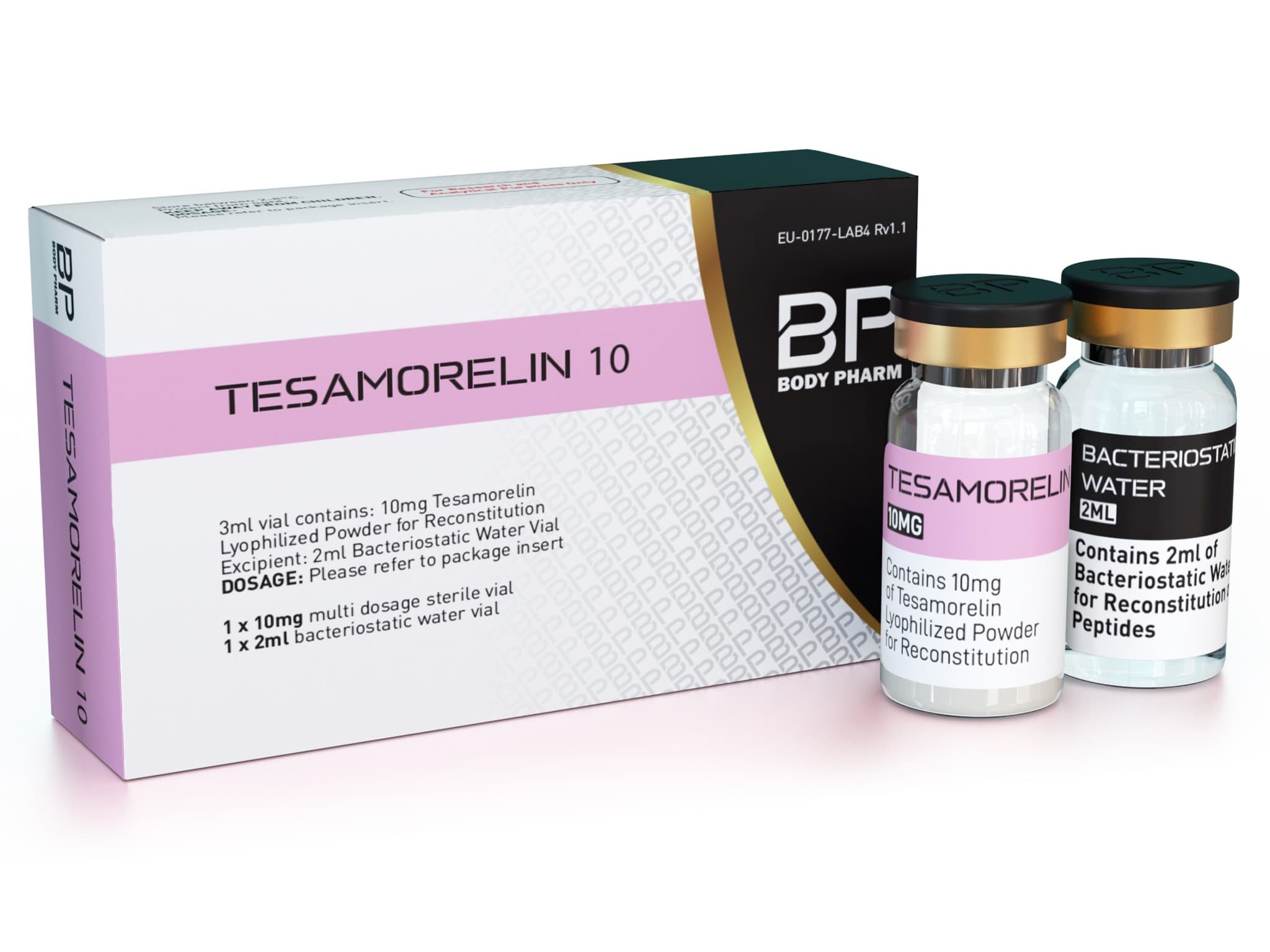

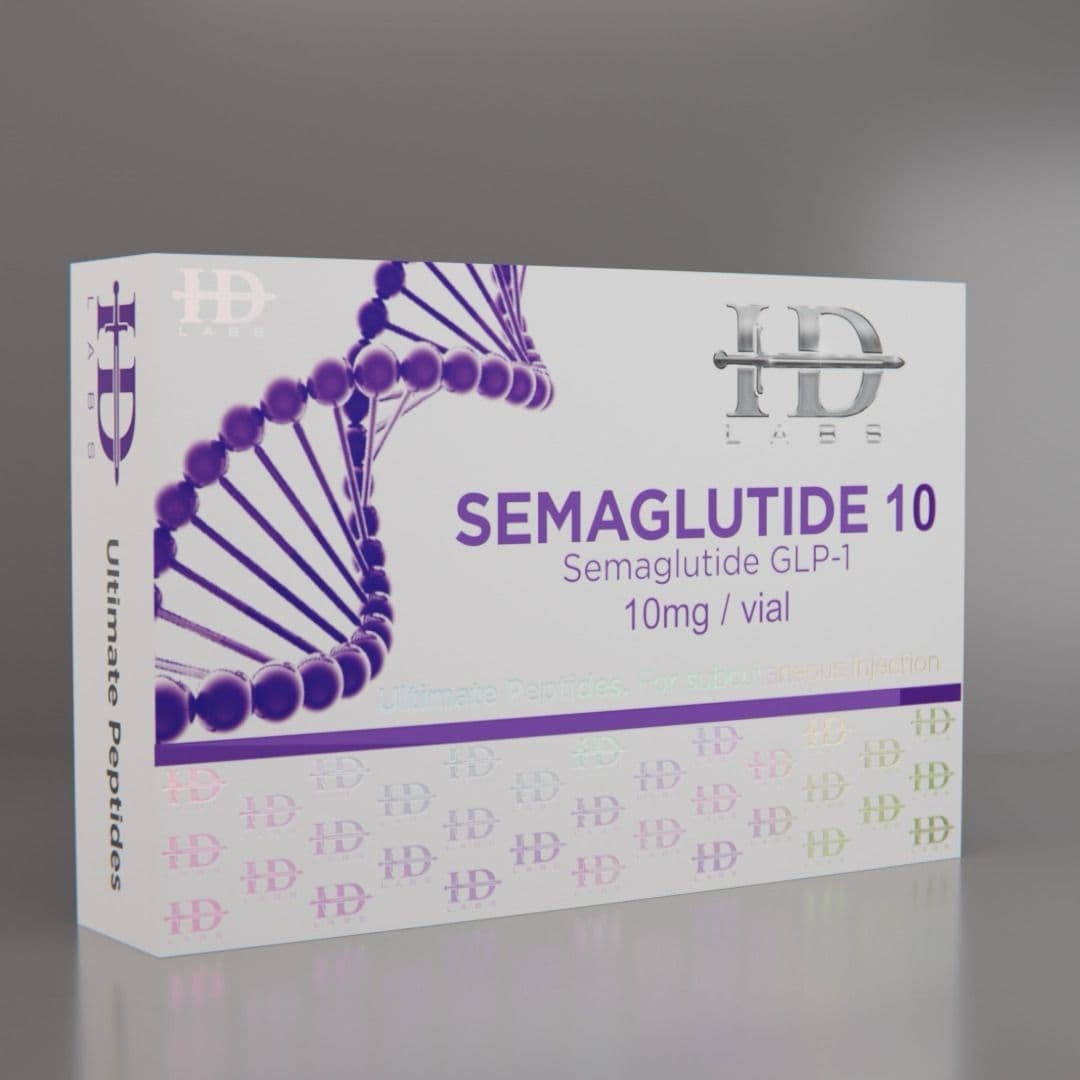
HD Labs Semaglutide 10 Vial
R1 400.00
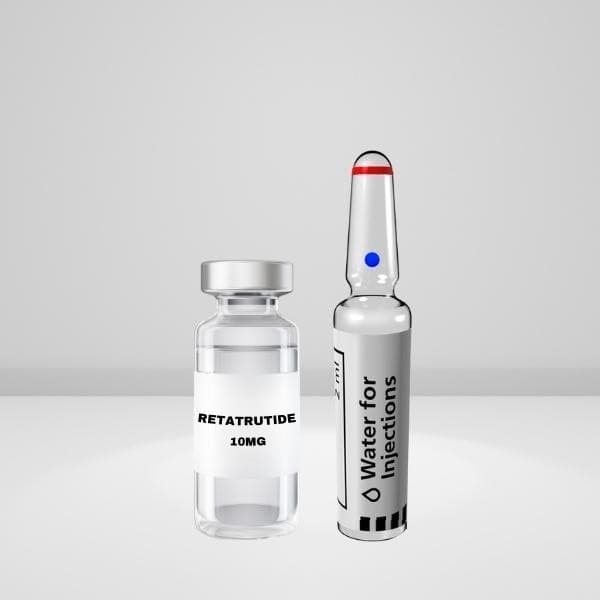
Retatrutide 10mg Vial
R1 500.00
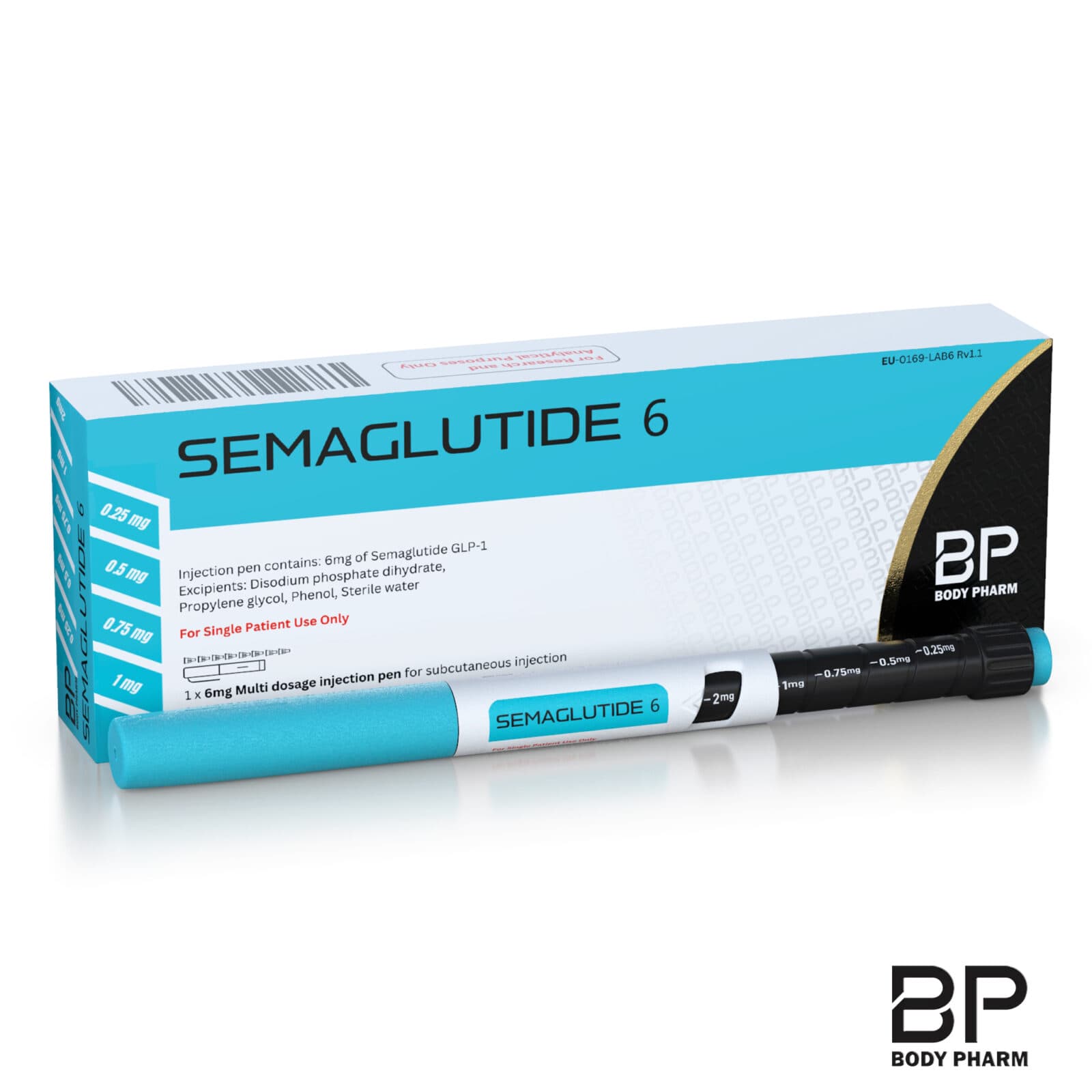
Body Pharm Semaglutide 6 Pen
R1 600.00
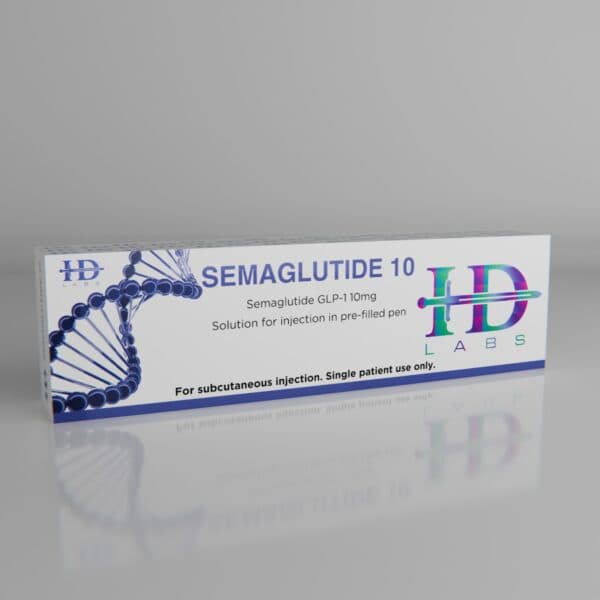
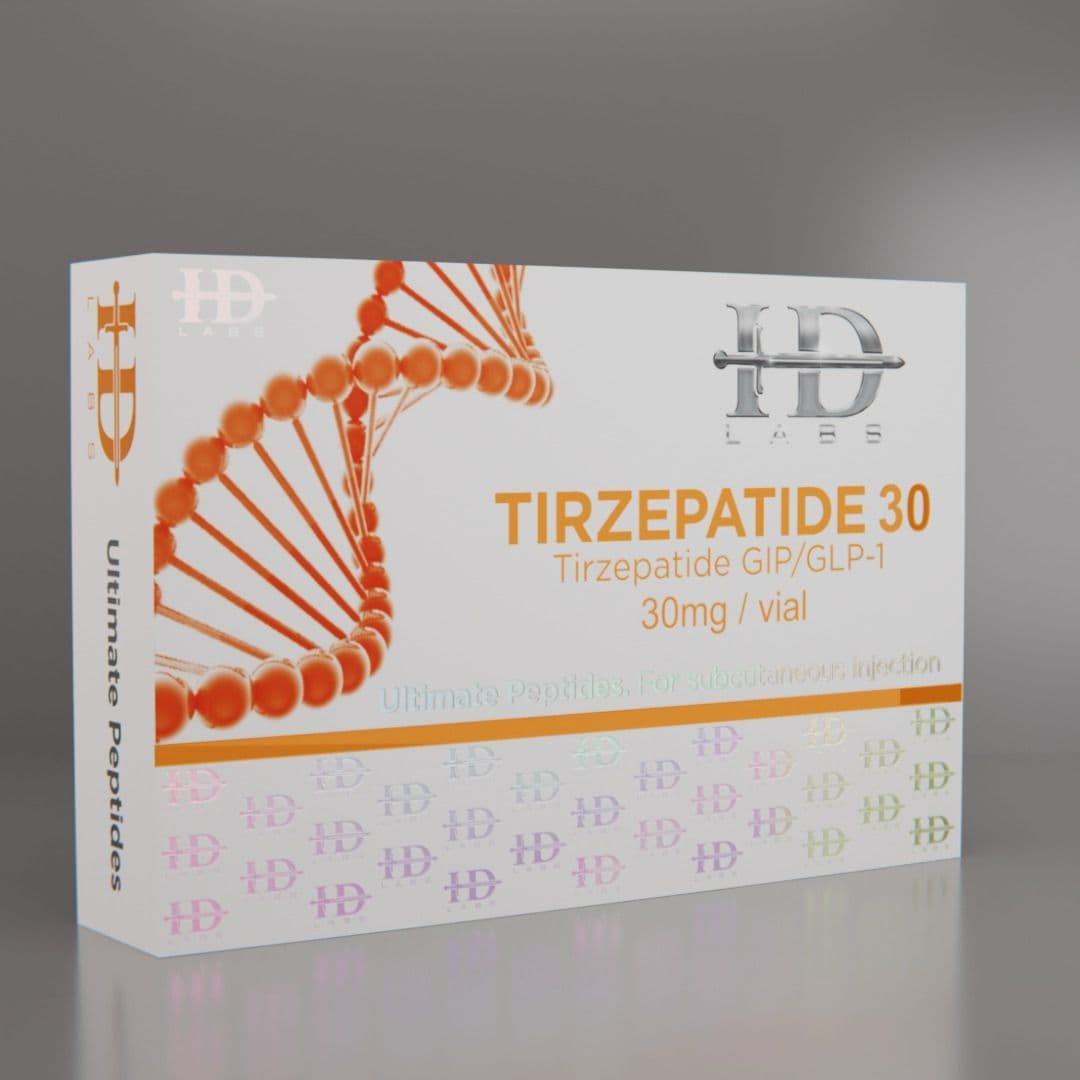
HD Labs Tirzepatide 30 Vial
R1 800.00
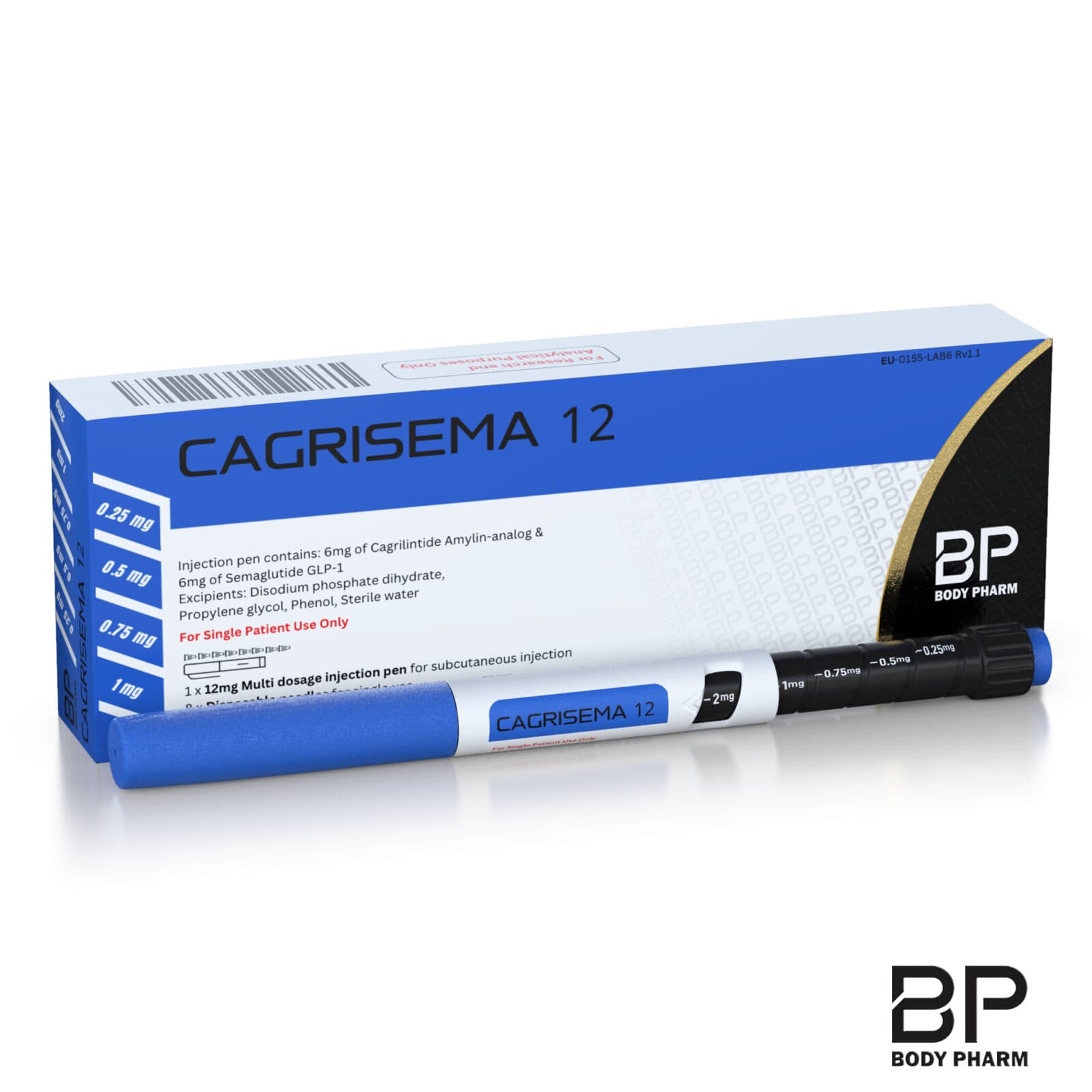
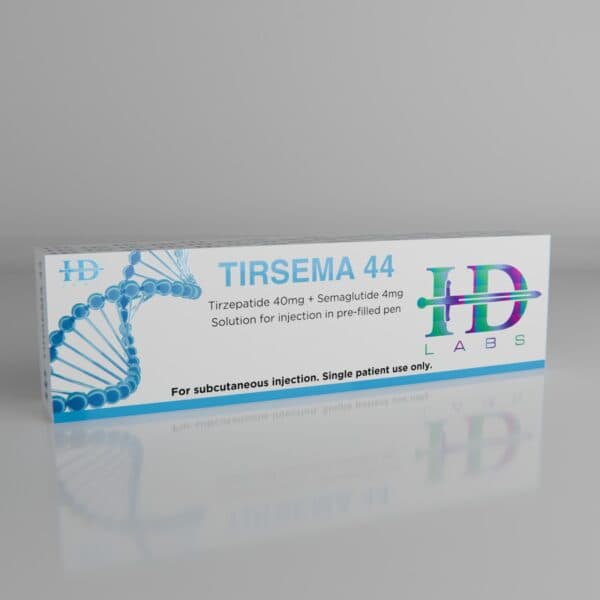
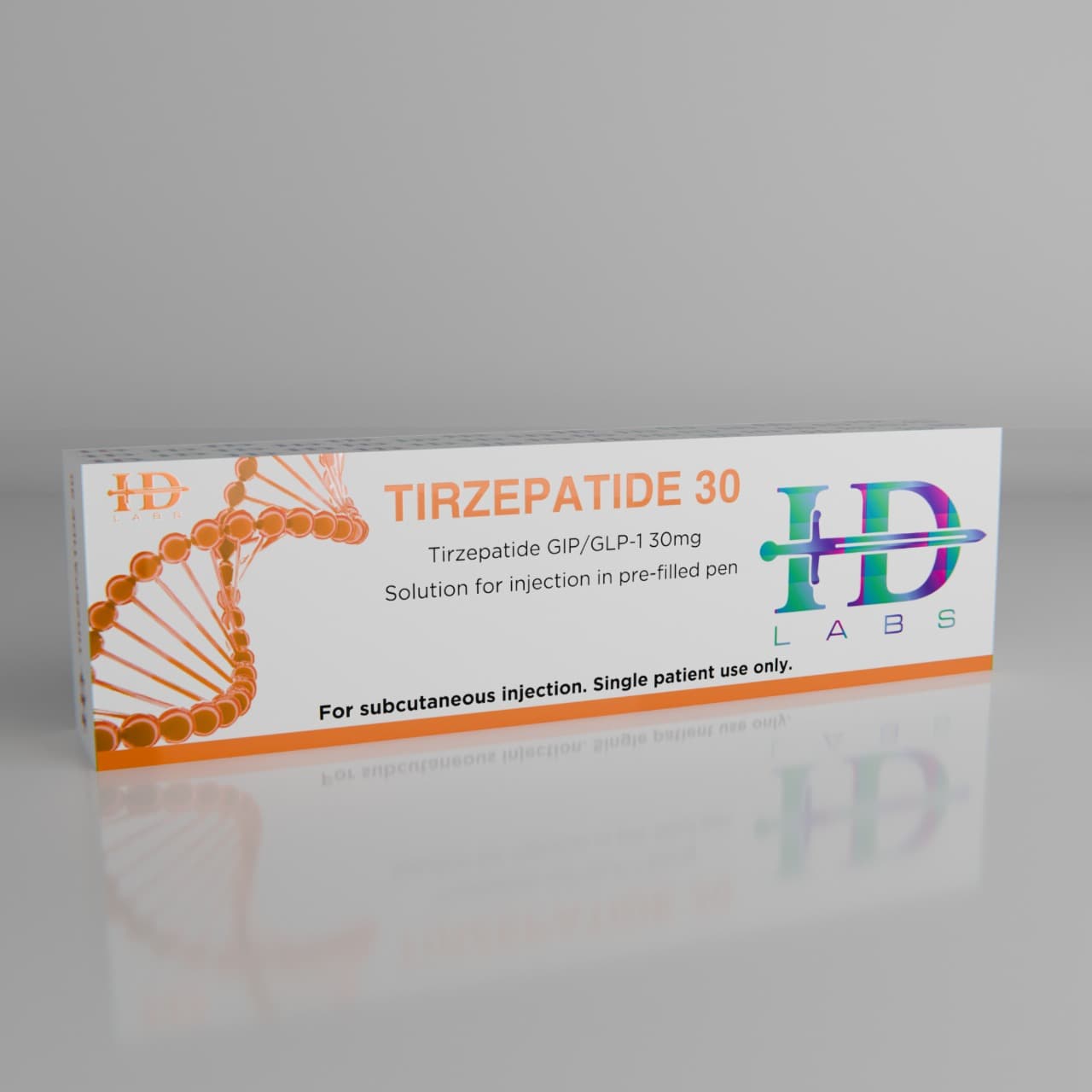
HD Labs Tirzepatide 30 Pen
R2 100.00
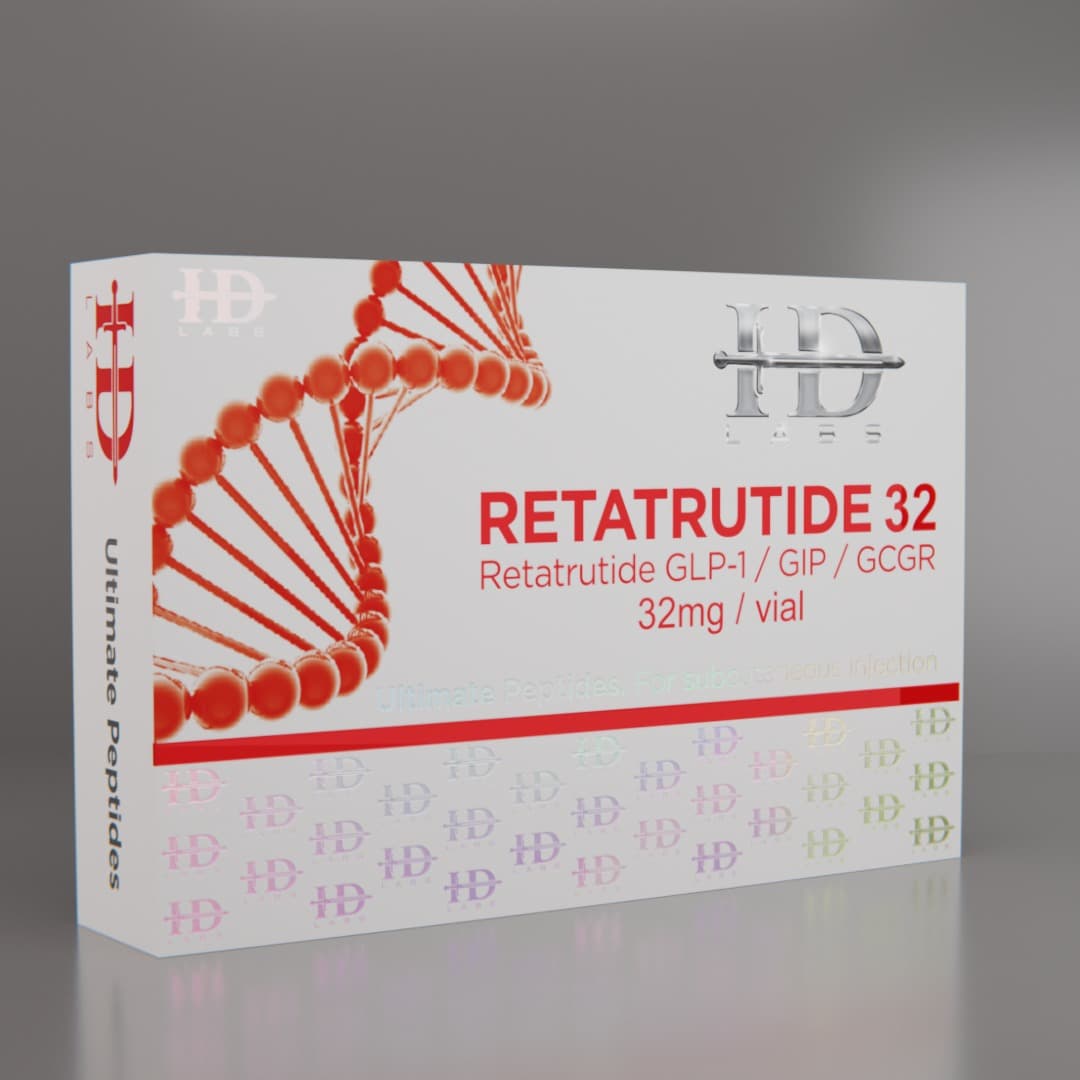
HD Labs Retatrutide 32 Vial
R2 300.00
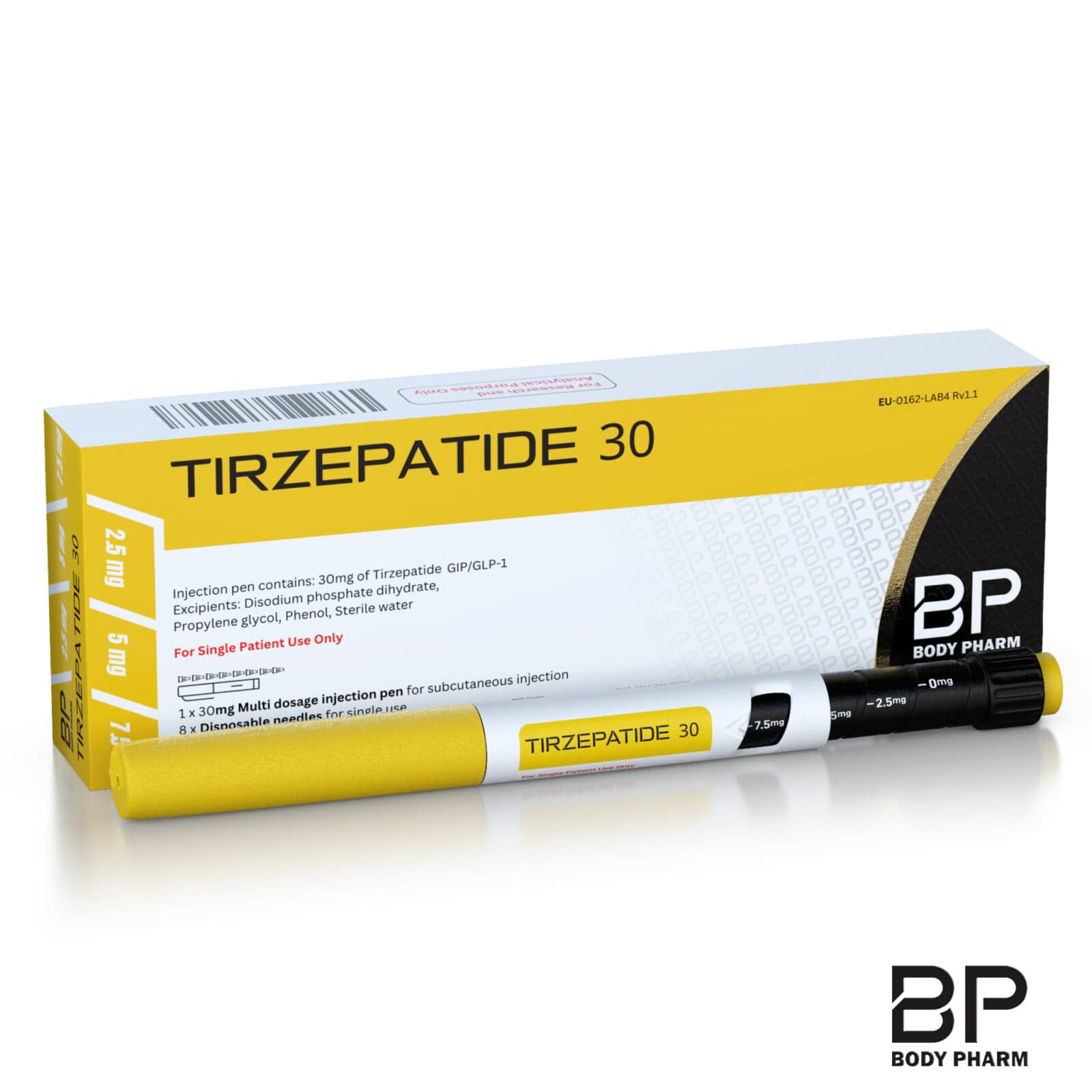
Body Pharm Tirzepatide 30 Pen
R2 500.00
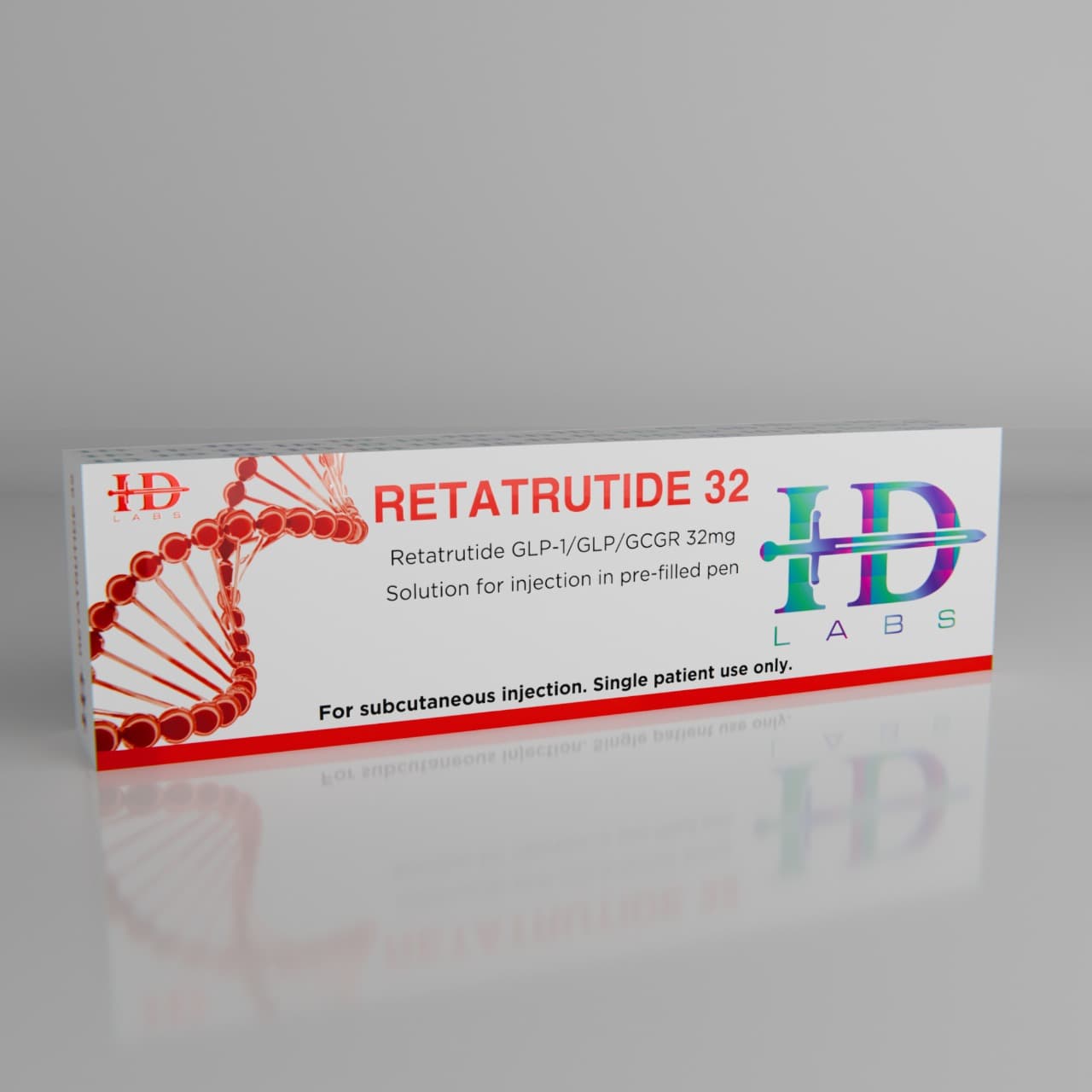
HD Labs Retatrutide 32 Pen
R2 500.00
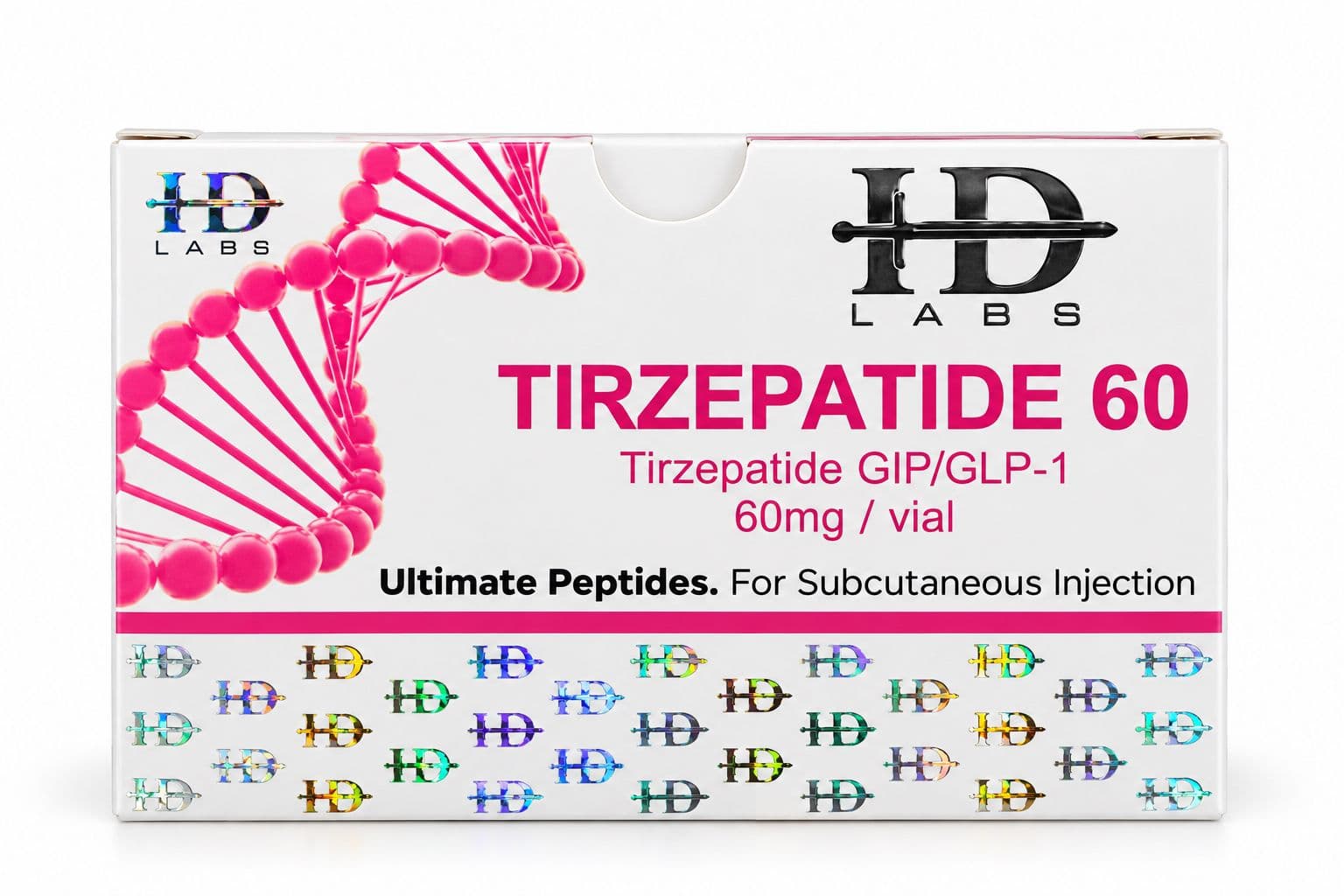
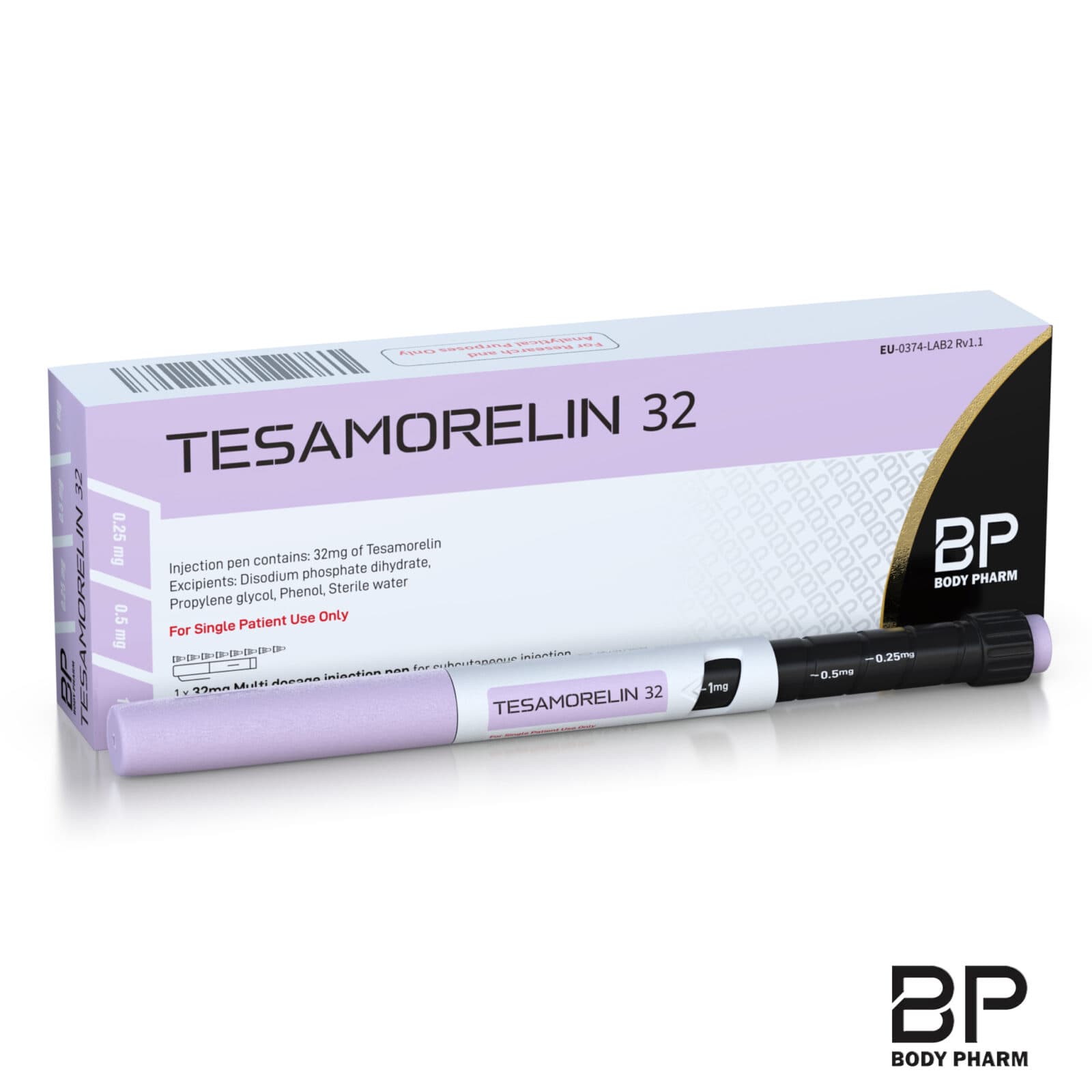
Body Pharm Tesamorelin 32 Pen
R2 640.00
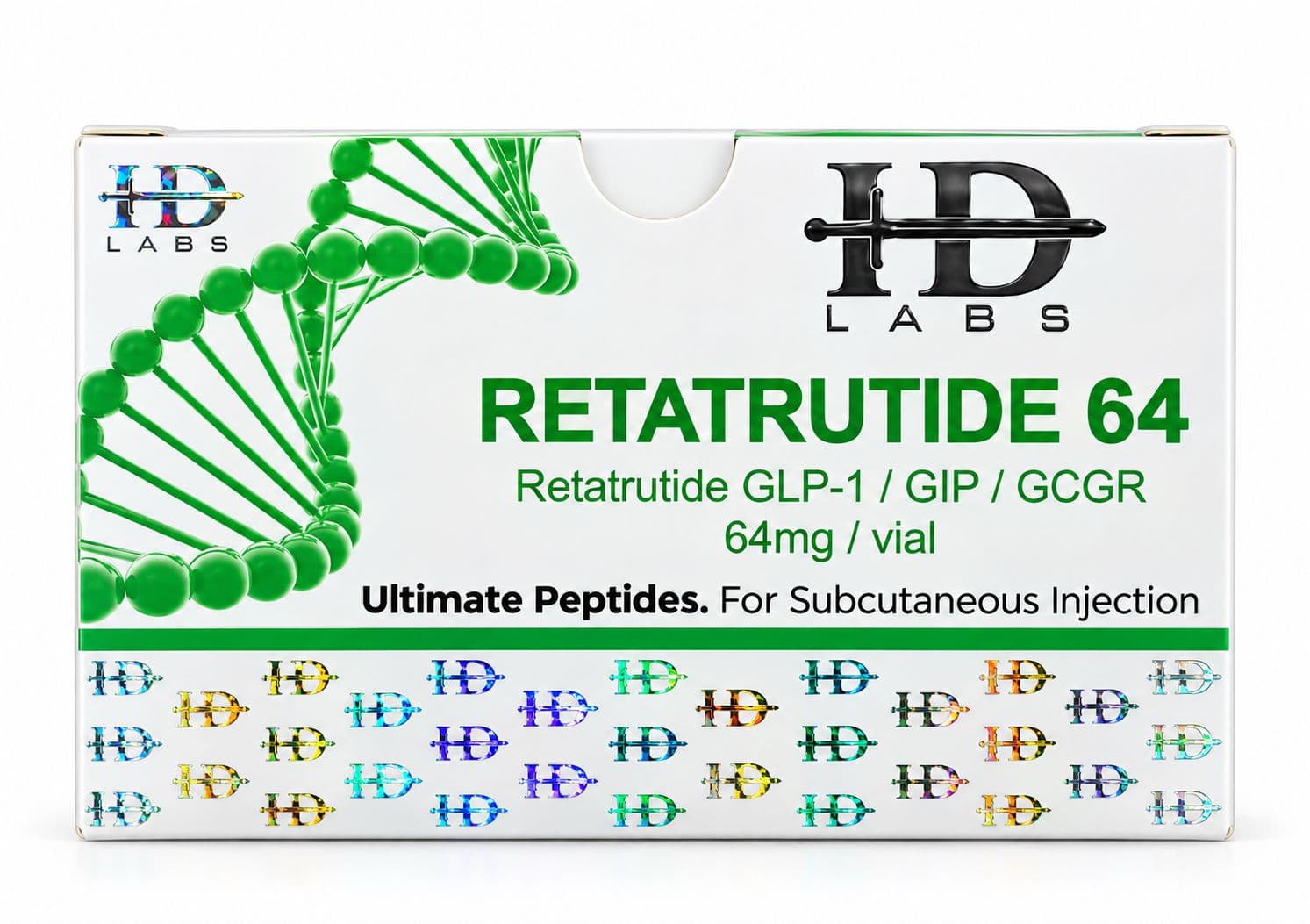
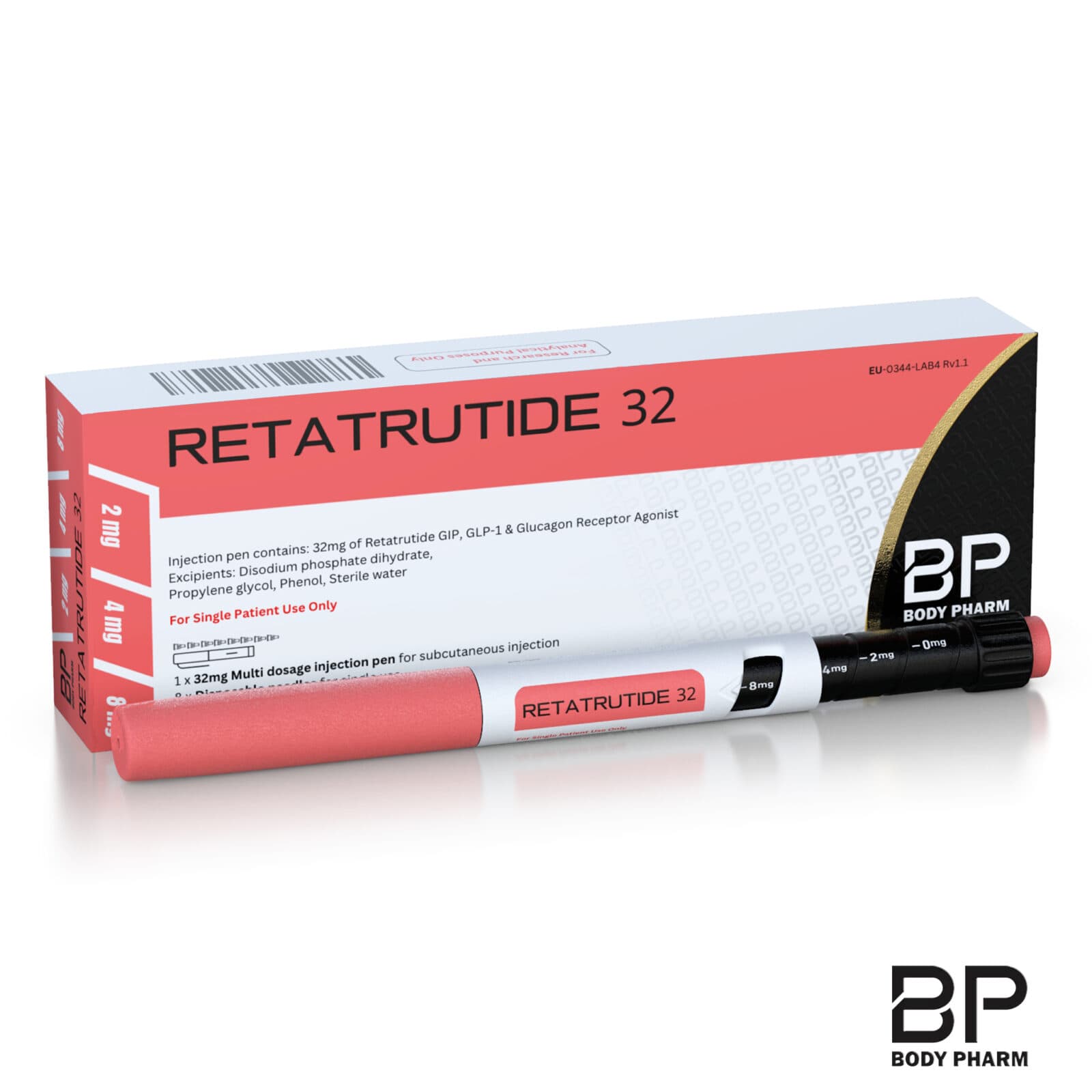
Body Pharm Retatrutide 32 Pen
R3 200.00
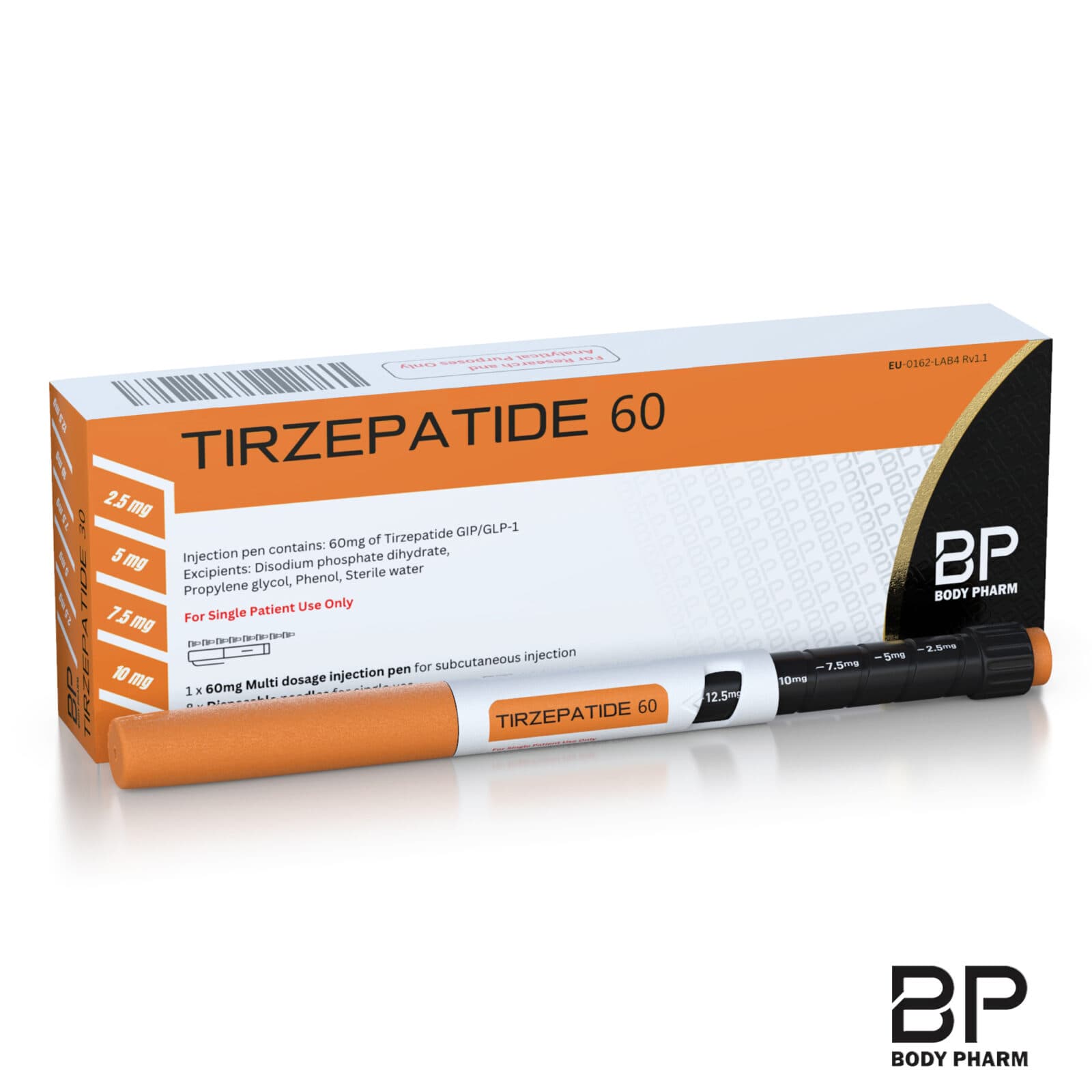
Body Pharm Tirzepatide 60 Pen
R3 500.00
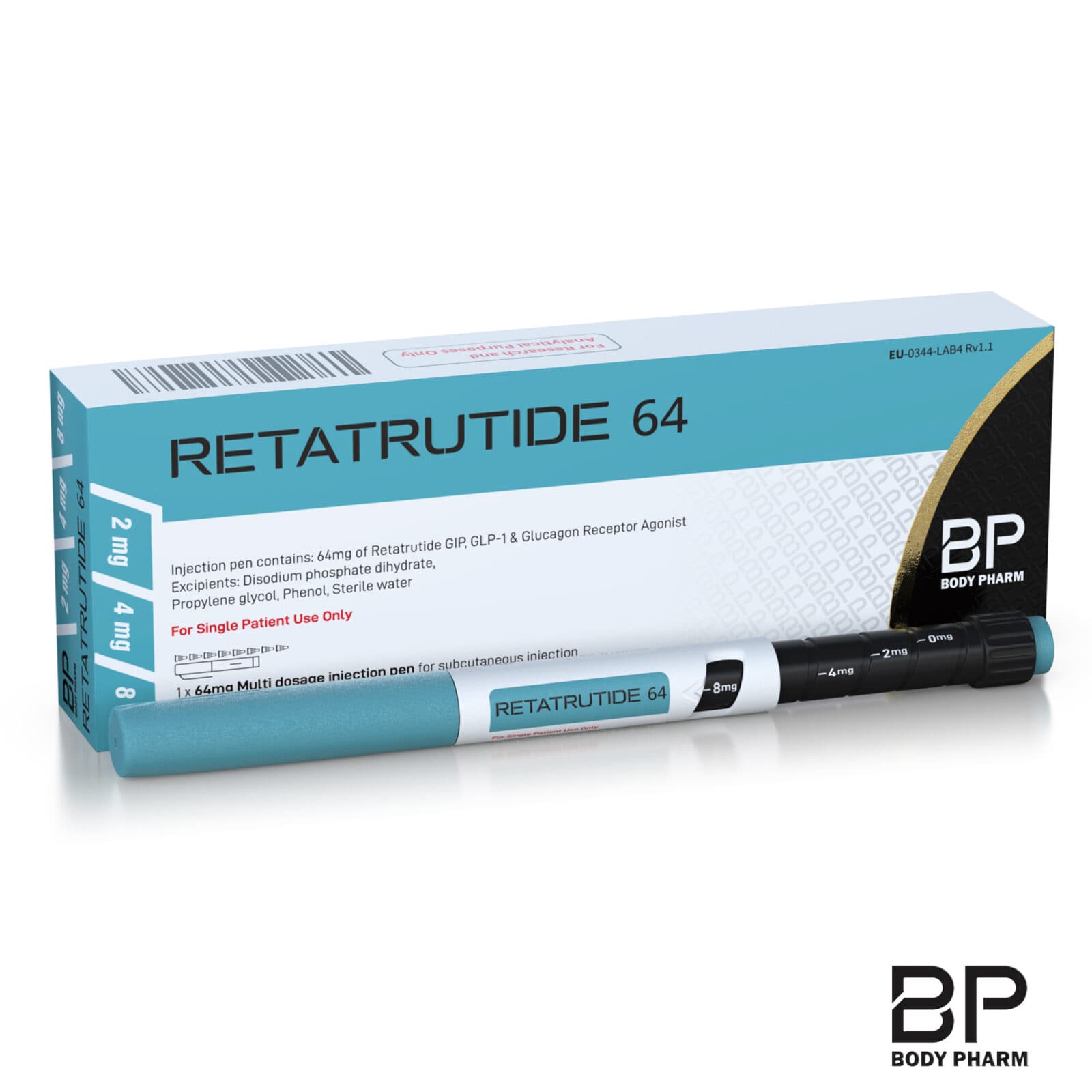
Body Pharm Retatrutide 64 Pen
R5 000.00
Please note
Prescription-class compound supplied for research use. You must be 18 or older. Consult a qualified healthcare professional before use, this is not medical advice.
As of 2026, only three GLP-1 peptides are backed by completed Phase 3 obesity trials — semaglutide/Ozempic, tirzepatide/Mounjaro, and liraglutide/Saxenda — while every other "best peptides for weight loss" candidate, including retatrutide, CagriSema, CJC-1295, Ipamorelin, AOD-9604 and tesamorelin, sits in clinical trials or in a research-use grey zone. The divide comes down to evidence: only GLP-1 and GLP-1/GIP agonists have completed Phase 3 obesity trials with published efficacy and safety data reviewed by regulators.
Key Takeaways
- Only semaglutide, tirzepatide, and liraglutide have completed Phase 3 obesity trials; all others remain investigational or research-use only.
- Semaglutide and tirzepatide delivered roughly 15% and 21% mean weight loss respectively in Phase 3 trials, versus no Phase 3 obesity data for research peptides.
- Retatrutide and CagriSema remain investigational; neither is FDA-approved as of 2026.
- CJC-1295, Ipamorelin, and AOD-9604 have no large human obesity trials and are sold as research chemicals only.
- Third-party testing from ISO/IEC 17025-accredited laboratories (Eurofins, SGS South Africa, NMISA) is the only quality check on research-use peptides.
- Prescription peptides require medical supervision; research peptides carry unquantified safety risk and no formal oversight.
Quick comparison: evidence tier
| Peptide | Evidence tier (2026) |
|---|---|
| Semaglutide (Ozempic) | FDA-approved; STEP trials ~14.9% loss at 68 weeks |
| Tirzepatide (Mounjaro) | FDA-approved; SURMOUNT-1 ~20.9–22.5% at 72 weeks |
| Liraglutide (Saxenda) | FDA-approved for obesity |
| Retatrutide | Phase 3 (TRIUMPH) |
| CagriSema | Phase 3 (REDEFINE) |
| Tesamorelin | FDA-approved for HIV lipodystrophy only |
| CJC-1295 / Ipamorelin / AOD-9604 | Preclinical / small studies; no Phase 3 obesity data |
FDA-Approved Peptides for Weight Loss: The Prescription Options
Three GLP-1 receptor peptides hold FDA approval for chronic weight management as of 2026: liraglutide (Saxenda, 2014), semaglutide (Wegovy, 2021) and tirzepatide (Zepbound, 2023). All require a prescription, medical supervision and titration over 16–20 weeks to reduce gastrointestinal side effects. That structured approach lets clinicians monitor for pancreatitis, gallbladder complications, and severe nausea — risks documented in the Phase 3 safety datasets. Patients worried about side effects should discuss dose escalation schedules with their prescriber; slower titration can meaningfully reduce gastrointestinal burden.
Mechanism and Phase 3 efficacy
Semaglutide is a once-weekly GLP-1 receptor agonist that delays gastric emptying and suppresses appetite via central GLP-1 pathways. In the STEP 1 Phase 3 trial, adults with obesity but without diabetes lost roughly 14.9% of baseline weight at 68 weeks on 2.4 mg weekly, versus about 2.4% with placebo; adherence-based estimands and later STEP trials reported figures up to around 17%. That magnitude of loss comes from the drug's dual action on appetite centres in the hypothalamus and on gastric motility.
Tirzepatide is a dual GIP/GLP-1 receptor agonist — the first in its class. SURMOUNT-1 reported mean weight loss of approximately 20.9–22.5% at 72 weeks on 10–15 mg weekly in adults without diabetes, against roughly 3% for placebo. The additional GIP agonism improves insulin secretion and may improve lipid handling, which likely accounts for the larger weight reduction compared to semaglutide monotherapy.
Liraglutide (Saxenda) is a daily GLP-1 agonist with a shorter half-life and more modest efficacy than its weekly successors. It has largely been displaced in prescribing patterns, but it remains one of the few GLP-1s approved specifically for chronic weight management. Its established safety record in type 2 diabetes makes it a reasonable option for patients who cannot access semaglutide or tirzepatide.
Comparison table: FDA-approved weight-loss peptides
| Drug (brand) | Mechanism | FDA approval (weight loss) | Phase 3 mean loss | Dosing | SA availability |
|---|---|---|---|---|---|
| Liraglutide (Saxenda) | GLP-1 agonist | 2014 | ~8% at 56 weeks | 3.0 mg daily SC | Discovery may fund from day-to-day benefits |
| Semaglutide (Wegovy/Ozempic) | GLP-1 agonist | 2021 (Wegovy) | ~14.9% at 68 weeks | 2.4 mg weekly SC | Only Ozempic pens (0.25–1 mg) sold locally; prescribed off-label for weight |
| Tirzepatide (Zepbound/Mounjaro) | GIP/GLP-1 agonist | 2023 (Zepbound) | 20.9–22.5% at 72 weeks | 5–15 mg weekly SC | Mounjaro sold locally; off-label for weight |
South African access and cost reality
South African prescribers use Ozempic and Mounjaro pens off-label for weight management. Discovery Health has indicated liraglutide is funded for obesity from members' day-to-day benefits subject to plan rules, while GLP-1s prescribed for obesity rather than diabetes generally attract limited scheme reimbursement. Patients sourcing from licensed pharmacies can review options like semaglutide and tirzepatide with a treating clinician, who must initiate and titrate dosing.
Supply remains intermittent. Prices sit in the R3,000–R6,000+ per month range depending on dose and pen. Self-injection without medical oversight is not advisable given documented risks of pancreatitis, gallbladder disease and severe gastrointestinal effects flagged in the STEP and SURMOUNT safety datasets. Medical supervision allows early detection of these complications and dose adjustment or discontinuation if needed.
Emerging Peptides in Clinical Trials: CagriSema & Retatrutide
Neither CagriSema nor retatrutide is FDA-approved as of early 2026. Both remain investigational compounds in Phase 3 development. Regulators have not yet completed the full review required for approval. Patients seeking an approved option today should not wait for these compounds.
CagriSema (Novo Nordisk)
CagriSema combines semaglutide (GLP-1 receptor agonist) with cagrilintide, a long-acting amylin analogue. The mechanism is dual GLP-1 plus amylin agonism, not GLP-1/glucagon. Amylin agonism adds a second satiety pathway independent of GLP-1, which may enhance appetite suppression beyond semaglutide alone. Novo Nordisk's Phase 3 REDEFINE programme ran across obesity and type 2 diabetes indications, with topline readouts reported during 2024–2025 (REDEFINE 1 showed about 22.7% mean weight loss at 68 weeks). No FDA approval had been granted through early 2026, and any regulatory timeline depends on the full REDEFINE dataset and sponsor submissions.
Treat CagriSema as a pipeline candidate only. Any product sold under that name online is almost certainly unverified.
Retatrutide (Eli Lilly, LY3437943)
Retatrutide is a triple agonist acting on GLP-1, GIP and glucagon receptors. Phase 2 obesity data published in 2023 showed mean weight loss of approximately 24% at 48 weeks at the highest dose. The Phase 3 TRIUMPH programme has since begun reporting topline results, but retatrutide remains unapproved by the FDA as of 2026. The glucagon component is hypothesised to increase energy expenditure and hepatic glucose output, potentially adding metabolic benefit beyond appetite suppression alone.
Long-term safety — particularly cardiovascular and hepatic outcomes — will not be fully established until the complete TRIUMPH dataset and any regulatory review conclude. Until then, retatrutide is not an approved medicine anywhere. Early-phase and topline data, while promising, do not substitute for the full peer-reviewed Phase 3 safety record that regulators require to assess rare adverse events and durability.
A note on influencer and YouTube claims
Online clinicians and peptide-clinic listicles have promoted retatrutide as the "best peptide for weight loss" on the basis of Phase 2 percentages and anecdotal patient logs. These are not evidence of safety or efficacy. Products sold as "research-grade retatrutide" through grey-market channels carry no verified certificate of analysis in most cases, and no clinical oversight. Without GMP manufacturing oversight, batch-to-batch consistency, sterility, and identity are unverified.
South African buyers seeking an approved injectable today are restricted to the established GLP-1 options: semaglutide (Ozempic, off-label for weight) and tirzepatide (Mounjaro, off-label for weight), both prescribed under medical supervision.
Research-Use Peptides: CJC-1295, Ipamorelin, AOD-9604 & Tesamorelin
None of these four peptides are FDA-approved for weight loss in 2026. Only tesamorelin holds any obesity-adjacent approval, and that is strictly for HIV-associated lipodystrophy, not general weight management. The table below summarises mechanism, evidence tier, and FDA status.
| Peptide | Mechanism | Highest evidence tier | FDA status |
|---|---|---|---|
| CJC-1295 | GHRH analogue; stimulates pituitary GH release | Small early-phase pharmacokinetic studies | Not approved for any indication |
| Ipamorelin | Selective ghrelin/GHS-R agonist; pulsatile GH release | Preclinical and small exploratory human studies | Not approved for any indication |
| AOD-9604 | Synthetic fragment of hGH (aa 177–191); proposed lipolytic action | Mid-stage obesity trials (2000s); pivotal results unpublished | Not approved for any indication |
| Tesamorelin | GHRH analogue (Egrifta SV) | Phase 3 in HIV lipodystrophy | Approved 2010 for HIV-associated lipodystrophy only |
CJC-1295
CJC-1295 is a growth hormone-releasing hormone (GHRH) analogue designed to extend GH and IGF-1 secretion. There are no Phase 3 obesity trials and no peer-reviewed efficacy data for weight loss in humans. Typical research protocols cited in clinic listicles use 1–2 mg per week subcutaneously, often stacked with ipamorelin, but these regimens are extrapolated from GH physiology rather than validated obesity outcomes. The rationale rests on the observation that GH promotes lipolysis in animal models; human obesity trials have not confirmed clinically meaningful weight loss.
Ipamorelin
Ipamorelin is a selective growth hormone secretagogue (ghrelin receptor agonist) that triggers pulsatile GH release without raising cortisol or prolactin. Evidence in obesity is preclinical and observational. The American Medical Association's guidance on injectable peptides cautions that, unlike GLP-1 medicines, non-GLP-1 peptides such as ipamorelin lack established prescribing guidelines and sufficient statistically significant evidence to recommend them safely. Sold as a research chemical at 200–300 mcg per dose in clinic protocols, it carries no verified safety profile for chronic use. The dose, duration, and metabolic effects in obese patients remain unknown.
AOD-9604
AOD-9604 is a synthetic fragment of human growth hormone (residues 177–191) originally developed by Metabolic Pharmaceuticals as an oral anti-obesity agent. Company-sponsored trials in the 2000s did not lead to an approved product, and the pivotal mid-stage results were never published in the peer-reviewed literature; no Phase 3 obesity programme has followed. It is not FDA-approved as a drug. Marketing it as a "lipolytic peptide" relies on animal data and the parent GH lipolytic domain, not confirmed human efficacy. The absence of a completed, published pivotal programme is a decisive signal that the fragment has not been shown to translate to human weight loss despite the theoretical appeal.
Tesamorelin
Tesamorelin (Egrifta SV) was FDA-approved in 2010 strictly for reducing excess visceral abdominal fat in HIV-infected patients with lipodystrophy. It is a stabilised GHRH analogue and is not approved for general obesity or cosmetic fat loss; prescribing it for non-HIV weight loss is off-label and unsupported by Phase 3 obesity trials. HIV lipodystrophy is a narrow metabolic phenotype distinct from common obesity, so efficacy in one does not predict efficacy in the other.
Why these are not first-line weight-loss agents
The Phase 3 efficacy gap is decisive. Semaglutide delivered roughly 14.9% mean weight loss at 68 weeks and tirzepatide 20.9–22.5% at 72 weeks, with regulator-reviewed safety datasets. The GH-axis peptides above have no comparable human evidence. The contrast in evidence quality is categorical, not marginal. For South African buyers seeking approved, evidence-backed injectables, the established options remain semaglutide and tirzepatide, prescribed by a registered practitioner.
Comparison Table: Mechanism, Evidence, FDA Status & Testing Standards
The eight peptides discussed split into three tiers: FDA-approved prescription drugs, late-stage investigational agents, and research-use compounds without Phase 3 obesity data. The table below maps each across mechanism, evidence tier, FDA approval status, and the third-party assays buyers should expect on a certificate of analysis.
| Peptide | Mechanism of Action | Clinical Evidence Tier | FDA Status | Third-Party Testing Standards |
|---|---|---|---|---|
| Semaglutide | GLP-1 receptor agonist | FDA-approved (STEP 1: ~14.9% loss at 68 weeks) | FDA-approved; prescribed off-label for obesity | Pharmaceutical-grade GMP release testing (identity, purity, sterility, endotoxin) |
| Tirzepatide | Dual GIP / GLP-1 agonist | FDA-approved (SURMOUNT-1: ~20.9–22.5% loss at 72 weeks) | FDA-approved; prescribed off-label for obesity | Pharmaceutical-grade GMP release testing |
| Tesamorelin | Stabilised GHRH analogue | FDA-approved for HIV-associated lipodystrophy only | FDA-approved (US) for HIV lipodystrophy only | Pharmaceutical-grade GMP (branded Egrifta SV) |
| CagriSema | GLP-1 agonist + amylin analogue (cagrilintide) | Phase 3 (REDEFINE programme) | Investigational. No FDA approval as of 2026 | Research-use only; supplier-dependent HPLC/LC-MS, sterility variable |
| Retatrutide | Triple GLP-1 / GIP / glucagon agonist | Phase 3 (TRIUMPH programme; ~24% Phase 2 loss at 48 weeks) | Investigational. No FDA approval | Research-use only; purity and endotoxin data vary by supplier |
| AOD-9604 | hGH fragment (177–191) | Mid-stage trials (no clinically confirmed weight loss versus placebo) | Not FDA-approved | Research-use; HPLC purity claims common, sterility/endotoxin inconsistent |
| CJC-1295 | Long-acting GHRH analogue | Preclinical / small human PK studies; no obesity RCTs | Not FDA-approved | Research-use only; CoA quality varies widely |
| Ipamorelin | Selective ghrelin / GHS-R agonist | Preclinical; no obesity efficacy trials | Not FDA-approved | Research-use only; CoA quality varies widely |
Reading the testing column
"Pharmaceutical-grade" means batch release under ICH Q7 / GMP with identity (LC-MS), purity (HPLC ≥98–99%), sterility (USP <71>), and bacterial endotoxin (USP <85>) tested by the manufacturer. For research-use peptides, none of this is mandated, so the burden falls on the buyer to demand an ISO/IEC 17025-accredited CoA. Eurofins' pharmaceutical QC laboratories are one concrete international benchmark, with NMISA and SGS South Africa offering equivalent accreditation locally.
Understanding Third-Party Testing for Research Peptides
Third-party testing is the only meaningful quality check on research-use peptides because they sit outside FDA manufacturing oversight. Without GMP enforcement, a vial's actual contents, purity, and sterility depend entirely on whether the supplier paid an independent, accredited laboratory to verify the batch — and whether they will show you that paperwork. A supplier may claim purity without submitting to testing, or may test one batch and sell another.
Four assays form the backbone of a credible certificate of analysis (CoA):
- Identity by HPLC retention time plus mass spectrometry (LC-MS or MALDI-TOF) confirming the correct molecular weight. This rules out substitution or mislabelling.
- Purity by reverse-phase HPLC, typically reported as ≥98% for pharmaceutical-grade APIs and ≥95% as a minimum benchmark for research peptides. Impurities may include truncated peptides, oxidised forms, or unrelated organic compounds.
- Sterility by USP <71> pharmacopeial method (14-day bacterial and fungal culture) for any peptide intended for injection. Bacterial contamination can trigger abscess formation or sepsis.
- Bacterial endotoxin by LAL (Limulus Amebocyte Lysate) assay under USP <85>, with limits aligned to parenteral drug standards. Endotoxin is a pyrogenic lipopolysaccharide from gram-negative bacteria and can trigger fever and shock even at low concentrations.
A CoA without all four data points — or one that reports only "purity" with no chromatogram attached — is incomplete. Reputable suppliers publish the chromatogram, the mass spectrum, the sterility report, and the endotoxin value per batch number, not as a generic marketing PDF. Batch-specific documentation matters because manufacturing variability is real.
What ISO/IEC 17025 accreditation actually signals
ISO/IEC 17025 is the international standard for the technical competence of testing and calibration laboratories. A laboratory holding this accreditation has been independently audited for method validation, equipment calibration, analyst training, and data integrity for the specific tests listed on its scope. Eurofins' pharmaceutical QC network operates ISO/IEC 17025-accredited facilities for HPLC, LC-MS, sterility, and endotoxin testing and is one concrete international benchmark. Locally, NMISA and SGS South Africa hold ISO/IEC 17025 accreditation for chemical and pharmaceutical analysis on a contract basis. Accreditation is renewed periodically and is publicly verifiable through the relevant national accreditation body.
What to demand from a South African supplier
Ask for the batch-specific CoA matching the lot number on the vial, the name and accreditation status of the testing laboratory, and the raw chromatogram — not just a summary percentage. BeSkinny publishes third-party testing documentation against these criteria for its catalogue, including options such as semaglutide and tirzepatide, where pharmaceutical-grade manufacturing already meets ICH Q7 expectations. For research-use peptides, the same standard applies: demand the full CoA, not a marketing claim.
Disclaimer
This page is informational and is not medical advice. Consult a registered South African healthcare professional before starting any peptide.
How to Choose the Right Peptide for Your Goals
Match the peptide to your evidence threshold and willingness to work with a prescriber. The five filters below narrow the field quickly.
1. Approval and evidence status
If you want an evidence-backed, prescriber-supervised option, your choices are semaglutide (Ozempic), tirzepatide (Mounjaro), or liraglutide (Saxenda). Saxenda is the only one specifically approved for chronic weight management; the other two carry type 2 diabetes indications and are prescribed off-label for obesity. CagriSema, retatrutide, CJC-1295, Ipamorelin, and AOD-9604 are not approved for any weight-loss indication. Choosing an approved option means your prescriber can rely on published Phase 3 safety data and can report adverse events through pharmacovigilance channels.
2. Strength of clinical evidence
Phase 3 data quality drops sharply once you leave the approved tier. Semaglutide 2.4 mg produced 14.9% mean weight loss at 68 weeks in STEP 1, and tirzepatide 10–15 mg produced 20.9–22.5% at 72 weeks in SURMOUNT-1. Retatrutide showed roughly 24% at 48 weeks in Phase 2, with Phase 3 TRIUMPH trials reporting from 2025. CJC-1295, Ipamorelin, and AOD-9604 have no large Phase 3 obesity trials and minimal human efficacy data. Phase 3 trials are larger, longer, and more rigorous than Phase 2 — they are the standard regulators use to assess whether a drug works and is safe enough to approve.
3. Mechanism preference
Appetite-led: GLP-1 mono-agonists (semaglutide, liraglutide) suppress appetite and slow gastric emptying. This mechanism is well-validated in humans and produces consistent weight loss across diverse populations.
Appetite plus metabolic: GIP/GLP-1 dual agonists (tirzepatide) add insulinotropic and lipid-handling effects. The dual mechanism may improve metabolic markers beyond appetite suppression alone.
Amylin combination: CagriSema pairs cagrilintide with semaglutide for satiety augmentation (investigational). Amylin agonism is a second satiety pathway, but it is not yet an FDA-approved therapy.
Triple agonism: Retatrutide targets GLP-1, GIP, and glucagon receptors for added energy expenditure (investigational). Glucagon agonism may increase metabolic rate, but long-term safety is still being established.
Body composition: Growth hormone secretagogues (CJC-1295, Ipamorelin) and the fragment AOD-9604 are positioned around lipolysis rather than appetite, with thin human data. The theoretical appeal of targeting fat directly has not translated to confirmed human efficacy in published trials.
4. Third-party testing standards
For any research-use peptide, request a current Certificate of Analysis from an ISO/IEC 17025-accredited laboratory such as Eurofins, SGS South Africa, or NMISA. Check for ≥98% chemical purity by HPLC, identity by LC-MS or MALDI-TOF, sterility per USP <71>, and endotoxin per USP <85> for any injectable presentation. BeSkinny products ship with batch-level CoA documentation covering purity, identity, and sterility. Demanding this documentation is the only way to verify that what you are buying matches what is claimed.
5. Professional guidance
The American Medical Association's guidance on injectable peptides advises patients to start with a doctor rather than social-media claims, because many injectable peptides are unregulated and lack the evidence base of approved GLP-1 medicines. Before starting any peptide, consult a South African-registered prescriber — especially if you have cardiovascular disease, a history of pancreatitis, thyroid conditions, or take insulin or sulfonylureas. Once you have a valid script, buy semaglutide South Africa or buy tirzepatide South Africa. A prescriber can monitor for drug interactions and adjust dosing if side effects develop.
Common Questions About Weight-Loss Peptides
Are peptides safe for weight loss?
The approved GLP-1 and GLP-1/GIP agonists carry documented safety profiles from Phase 3 obesity trials, including gastrointestinal adverse events, gallbladder disease, and pancreatitis signals. Research-use peptides such as CJC-1295, Ipamorelin, and AOD-9604 lack comparable human safety datasets, and the American Medical Association flags this evidence gap explicitly. The difference is not academic — it is the difference between known risks that can be monitored and unknown risks that may only emerge after widespread use.
How much weight can I expect to lose?
Semaglutide 2.4 mg produced roughly 14.9% mean body-weight reduction at 68 weeks in adults with obesity without diabetes, versus about 2.4% on placebo, in the STEP 1 Phase 3 trial. Tirzepatide 10–15 mg produced about 20.9–22.5% reduction at 72 weeks in SURMOUNT-1, versus roughly 3% on placebo. Research peptides have no Phase 3 obesity efficacy data in humans. Individual results vary depending on adherence, diet, exercise, and genetic factors.
How long does it take to see results?
Most patients on dose-escalated semaglutide or tirzepatide notice appetite suppression within 4–12 weeks, with continued loss accumulating across 68–72 weeks per the STEP and SURMOUNT trial timelines. The dose is titrated gradually over 16–20 weeks to minimise gastrointestinal side effects, so the full effect is not immediate. Once your prescriber has issued a script, you can buy semaglutide South Africa or buy tirzepatide South Africa.
Can I use research peptides if I'm not in a clinical trial?
Research-use peptides are sold for in vitro and laboratory work, not human consumption. Self-administration carries unquantified risk. Without human safety data, you cannot know what dose is safe, what side effects to expect, or whether the product will interact with other medications.
What is the difference between research-use and prescription peptides?
Prescription peptides have FDA registration, controlled manufacturing under ICH Q7 / WHO GMP expectations, and Phase 3 efficacy data. Research-use peptides have none of those guarantees, though reputable suppliers still publish ISO/IEC 17025-accredited Certificates of Analysis from labs such as Eurofins, SGS South Africa, or NMISA. The regulatory framework for prescription peptides includes post-market surveillance, adverse event reporting, and the ability to withdraw approval if safety signals emerge. Research-use peptides have no such oversight.
Where to Source Weight-Loss Peptides in South Africa
Prescription peptides require a script from a South African-registered doctor and dispensing through a licensed pharmacy. Research-use peptides require a supplier that publishes batch-specific Certificates of Analysis from ISO/IEC 17025-accredited laboratories.
Prescription route (semaglutide, tirzepatide, liraglutide)
Ozempic, Mounjaro, and Saxenda are dispensed against a valid script. Saxenda is the only GLP-1 currently approved for chronic weight management; Ozempic and Mounjaro carry diabetes indications and are commonly prescribed off-label for weight loss. Discovery Health has indicated that liraglutide is funded for obesity from day-to-day benefits subject to plan rules, whereas semaglutide and tirzepatide generally receive scheme cover only for diabetes. Expect to pay privately for most off-label weight-loss prescriptions. Once your prescriber has issued the script, you can buy semaglutide South Africa or buy tirzepatide South Africa. Your prescriber will guide you on injection technique, dose escalation, and when to seek emergency care — for example, severe abdominal pain suggesting pancreatitis.
Research-use route (CJC-1295, Ipamorelin, AOD-9604, tesamorelin analogues)
Research peptides sit outside pharmaceutical manufacturing oversight, so the burden of quality verification falls on the buyer. Before ordering, request the following from any supplier:
- A batch-specific CoA matching the lot number on the vial, not a generic template. This ensures you are buying the tested batch, not a different one.
- HPLC purity ≥98% with the chromatogram attached, plus mass-spec confirmation (LC-MS or MALDI-TOF) of peptide identity. The chromatogram shows the peak for your peptide and any impurities.
- Sterility (USP <71>) and bacterial endotoxin (USP <85>) results for any peptide intended for reconstitution. These assays take days, so suppliers cannot produce them on demand; they must be pre-tested.
- Lab attribution to an ISO/IEC 17025-accredited facility such as Eurofins, SGS South Africa, or NMISA. You can verify accreditation status by contacting the lab directly or checking the national accreditation body's website.
BeSkinny publishes third-party CoAs for its research peptide range and supplies prescription-class compounds against valid scripts. Research-use peptides are not approved for human consumption, and the American Medical Association's guidance on injectable peptides reinforces that most non-GLP-1 peptides cannot be recommended for weight loss given the absence of adequate human data. Consult a South African-registered prescriber before any use. If you choose to use a research peptide despite the evidence gap, at minimum verify its contents and purity through third-party testing.
Next Steps
Schedule a consultation with a South African-registered doctor if you have a BMI ≥30 or ≥27 with weight-related comorbidities to discuss whether a GLP-1 or GLP-1/GIP agonist is appropriate for you. Bring this article to your appointment and ask your prescriber about the Phase 3 efficacy data, the cost and supply situation locally, and whether your medical aid will cover the off-label use of semaglutide or tirzepatide for weight loss. Once your prescriber issues a script, you can buy semaglutide South Africa or buy tirzepatide South Africa through a licensed pharmacy and begin dose titration under medical supervision. Avoid research-use peptides unless you are enrolled in a clinical trial or have exhausted all approved options and have a prescriber willing to monitor you closely.
References
- Once-Weekly Semaglutide in Adults with Overweight or Obesity (STEP 1). New England Journal of Medicine, 2021.
- Tirzepatide Once Weekly for the Treatment of Obesity (SURMOUNT-1). New England Journal of Medicine, 2022.
- A Randomized, Controlled Trial of 3.0 mg of Liraglutide in Weight Management (SCALE). New England Journal of Medicine, 2015.
- Wegovy (semaglutide) Prescribing Information. DailyMed, US FDA, 2021.
- Zepbound (tirzepatide) Prescribing Information. DailyMed, US FDA, 2023.
- Saxenda (liraglutide) Prescribing Information. DailyMed, US FDA, 2014.
- Coadministered Cagrilintide and Semaglutide in Adults with Overweight or Obesity (REDEFINE 1). New England Journal of Medicine, 2025.
- Triple–Hormone-Receptor Agonist Retatrutide for Obesity — A Phase 2 Trial. New England Journal of Medicine, 2023.
- A Study of Retatrutide (LY3437943) in Participants With Obesity or Overweight (TRIUMPH-1), NCT05929066. ClinicalTrials.gov, 2023.
- Egrifta SV (tesamorelin) Prescribing Information. DailyMed, US FDA, 2019.
- What doctors want patients to know about injectable peptides. American Medical Association, 2026.