
Weight loss
Weight Loss Injections
GLP-1 and dual/triple-agonist weight-loss injectables, semaglutide, tirzepatide, retatrutide and more. Clean, third-party tested.
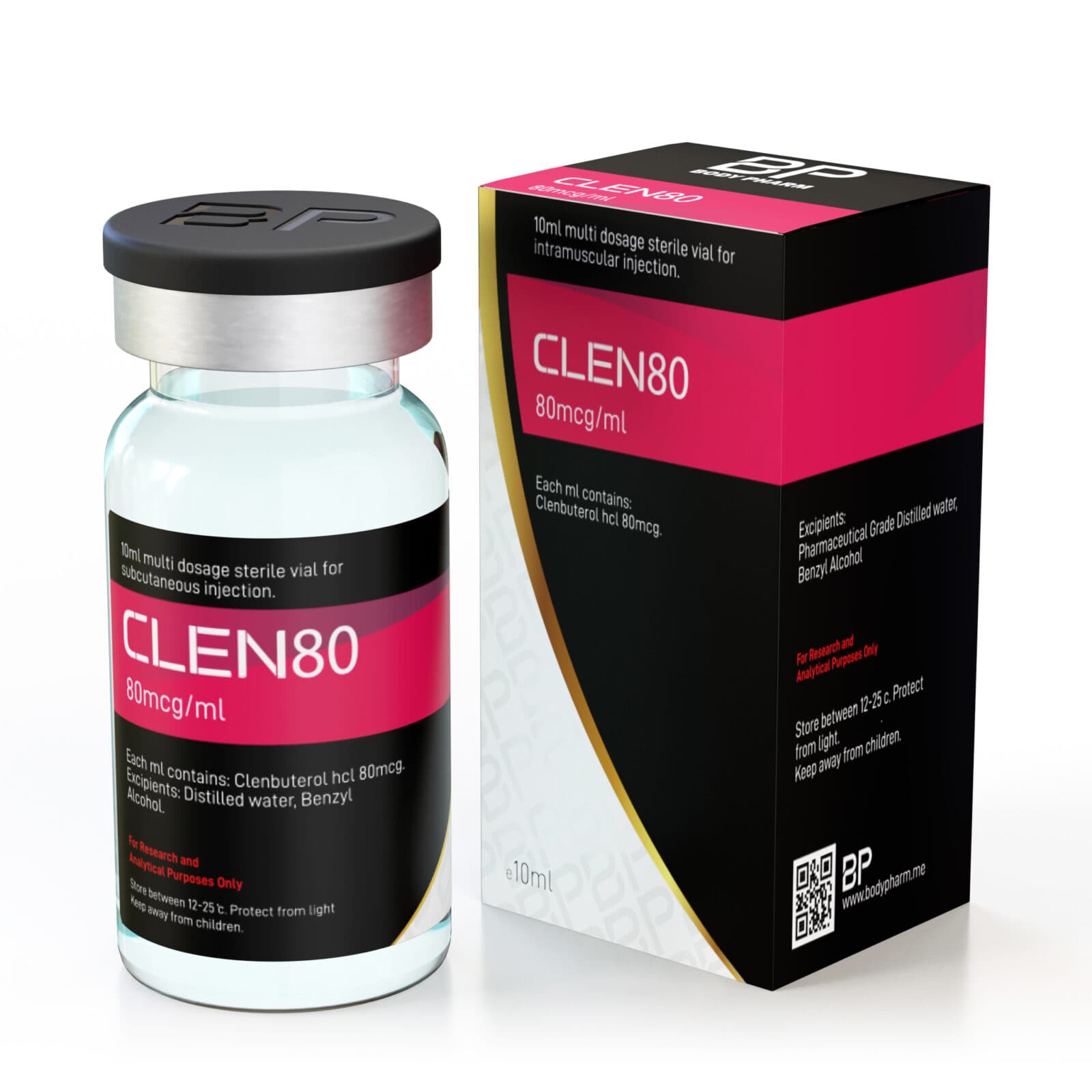
BP Aqua Clen 80 (Injection)
R240.00
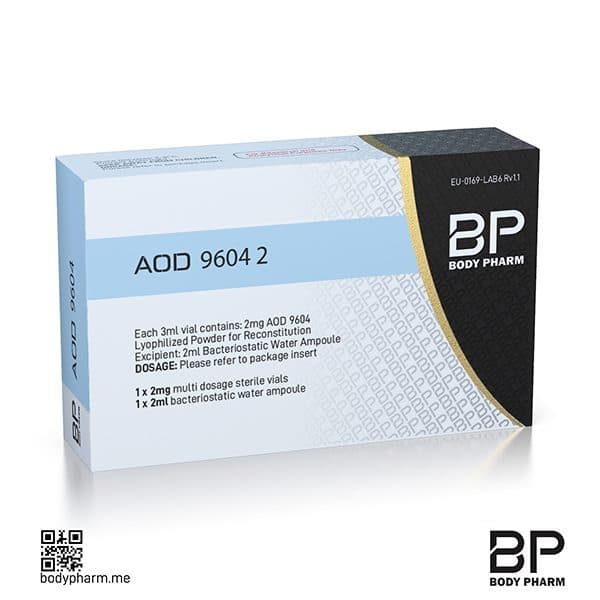
Body Pharm AOD 9604 2 Vial
R350.00
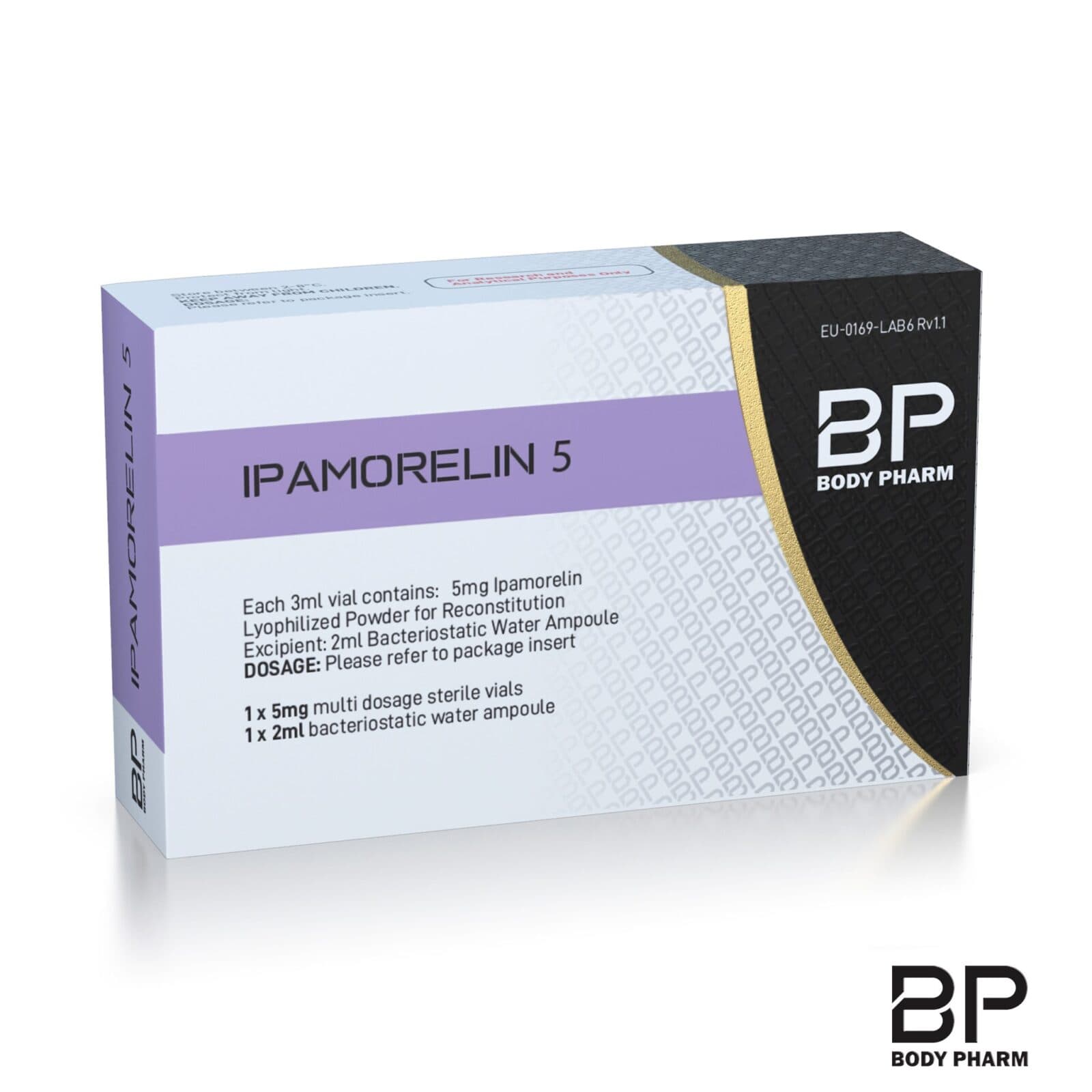
Body Pharm Ipamorelin 5 Vial
R360.00
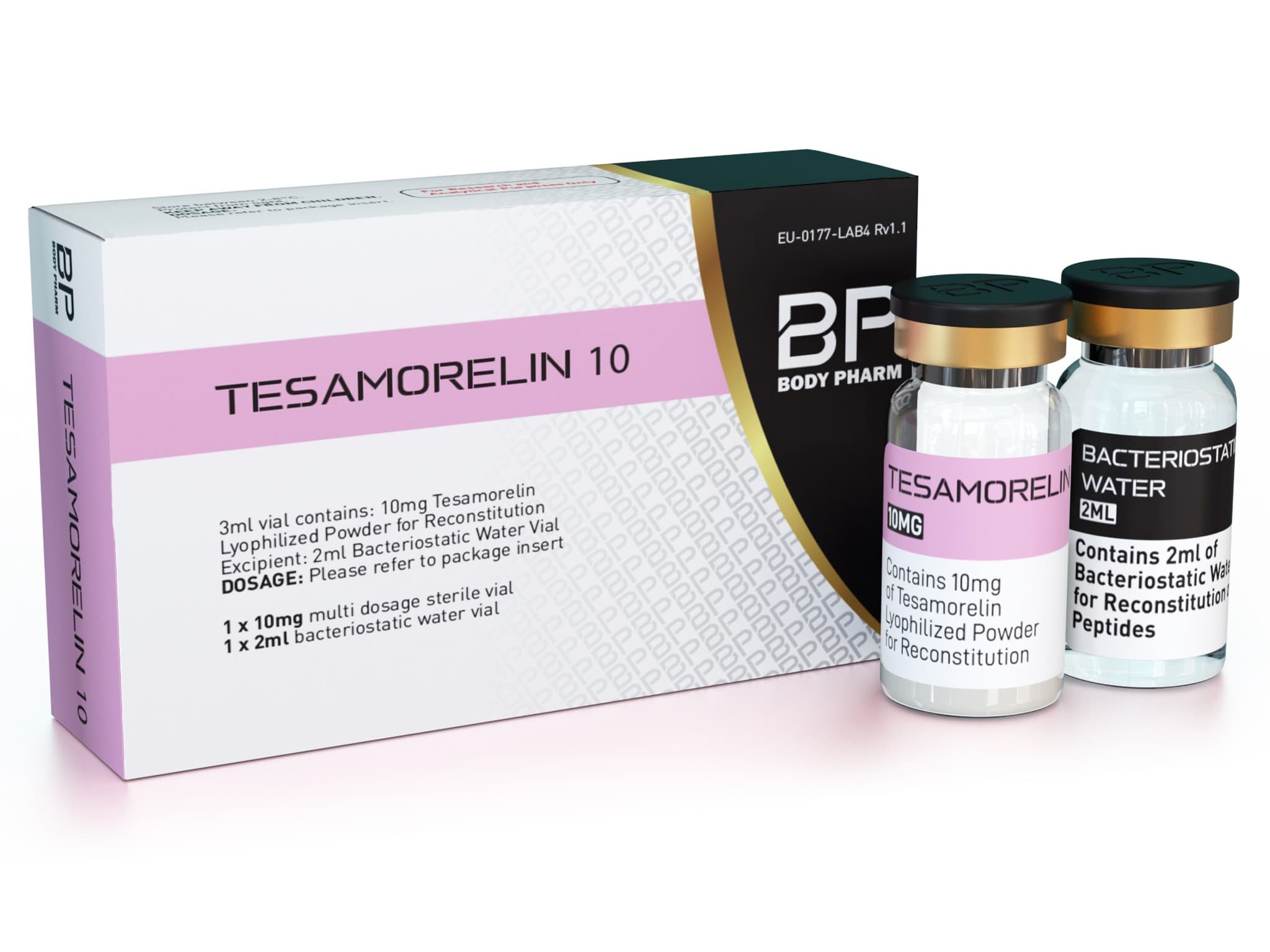

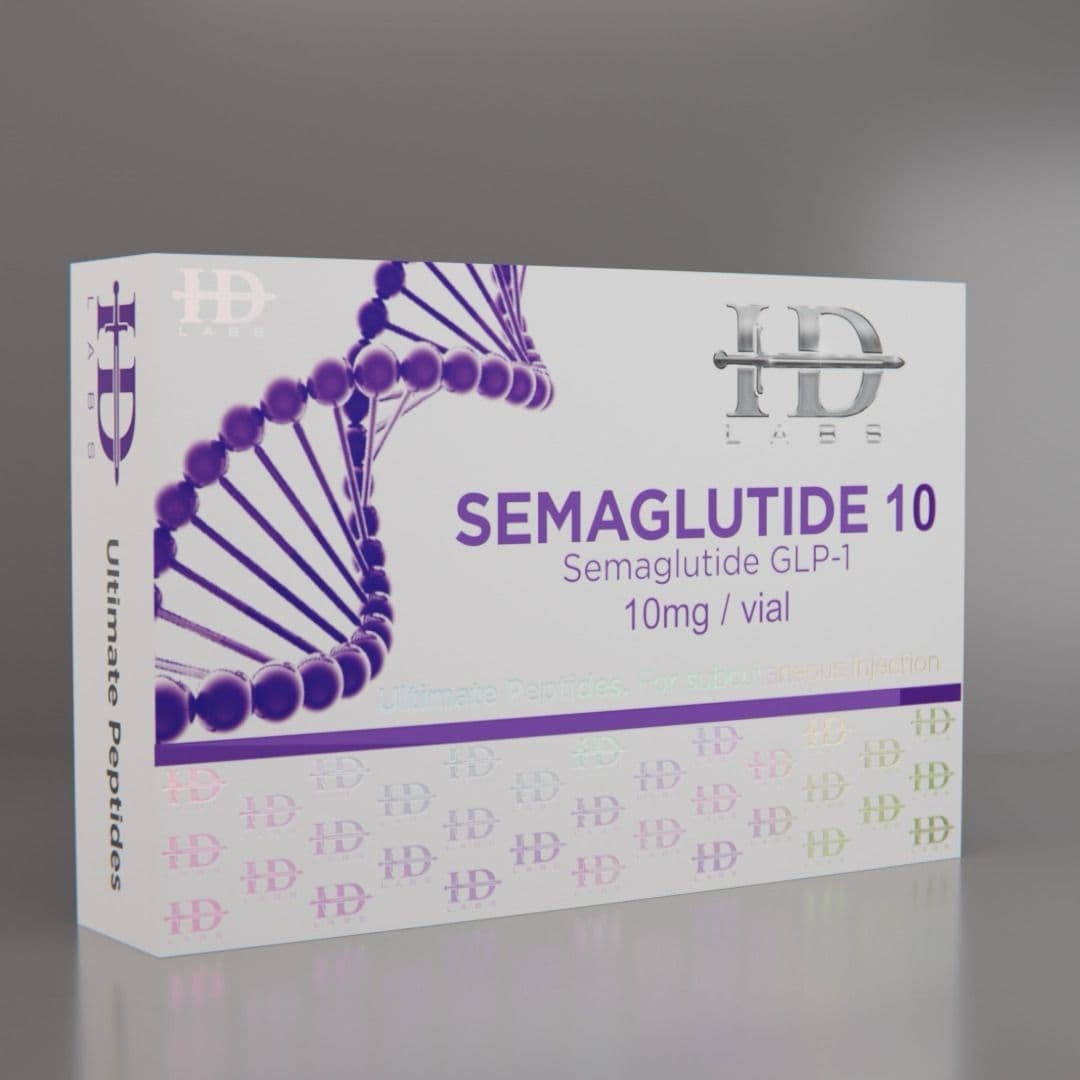
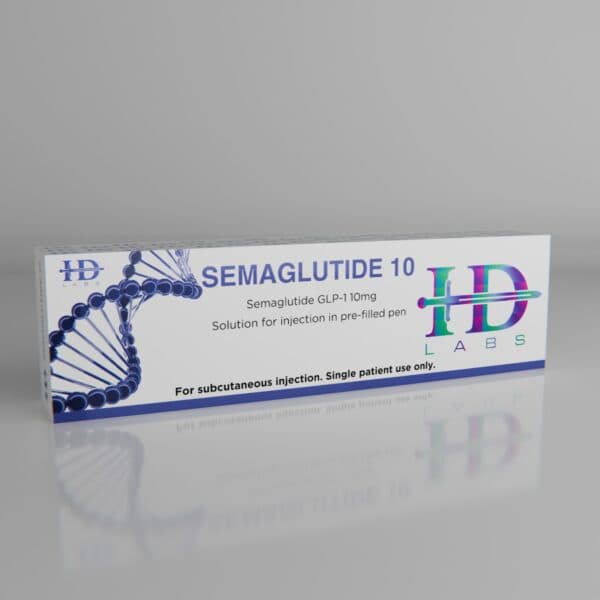
HD Labs Semaglutide 10 Vial
R1 400.00
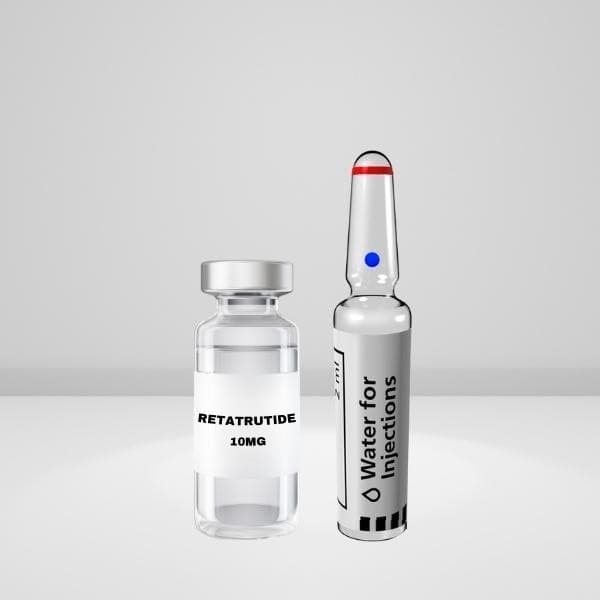
Retatrutide 10mg Vial
R1 500.00
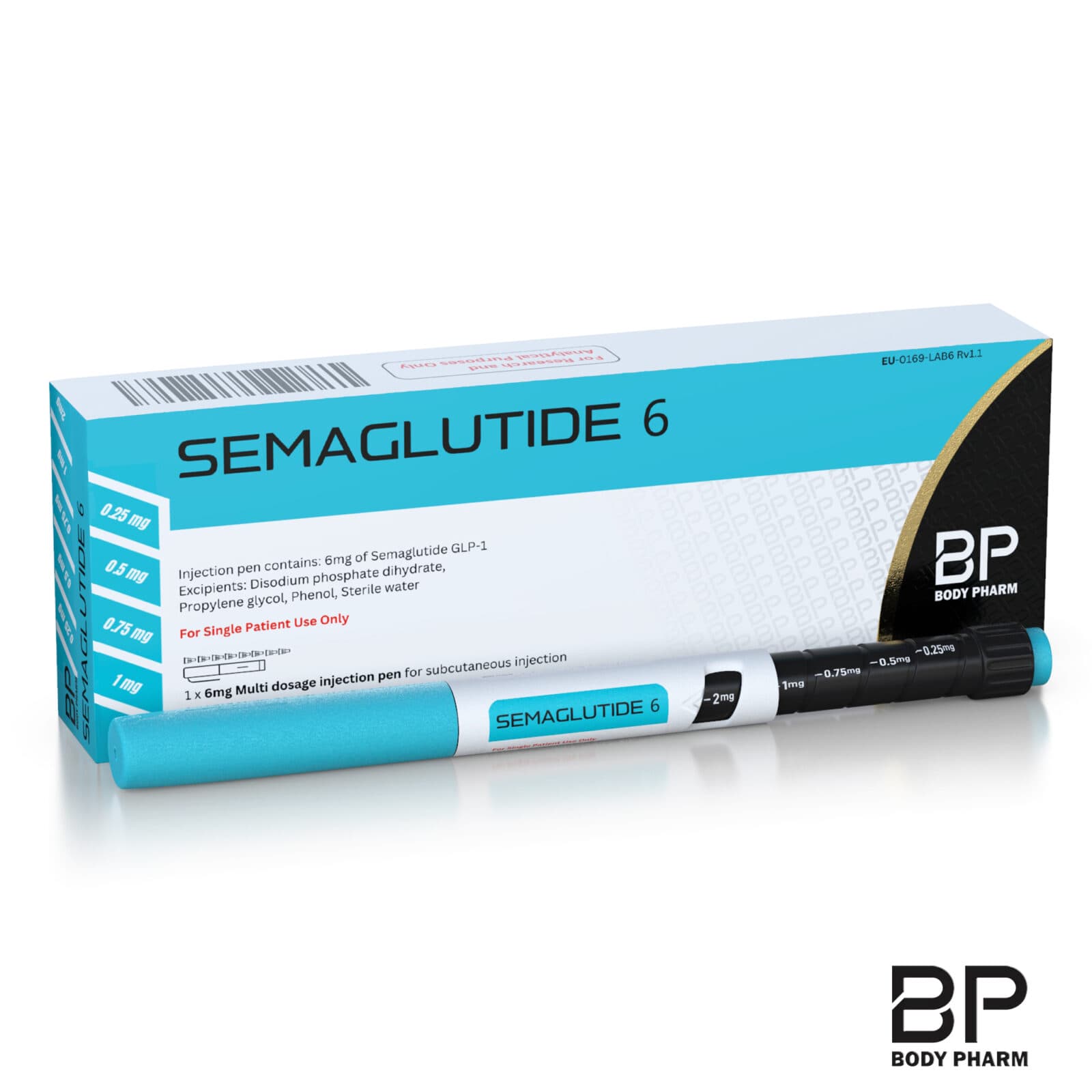
Body Pharm Semaglutide 6 Pen
R1 600.00
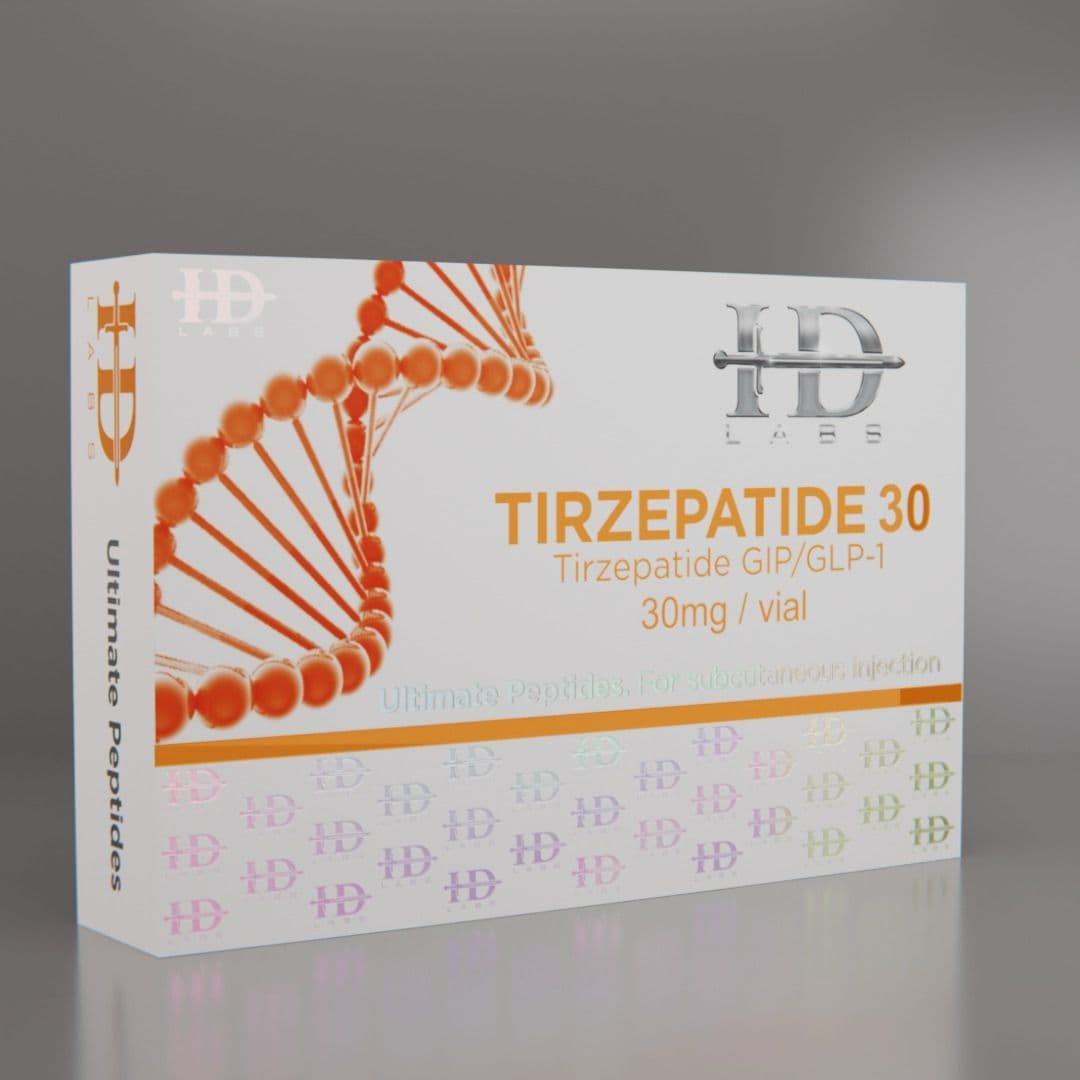
HD Labs Tirzepatide 30 Vial
R1 800.00
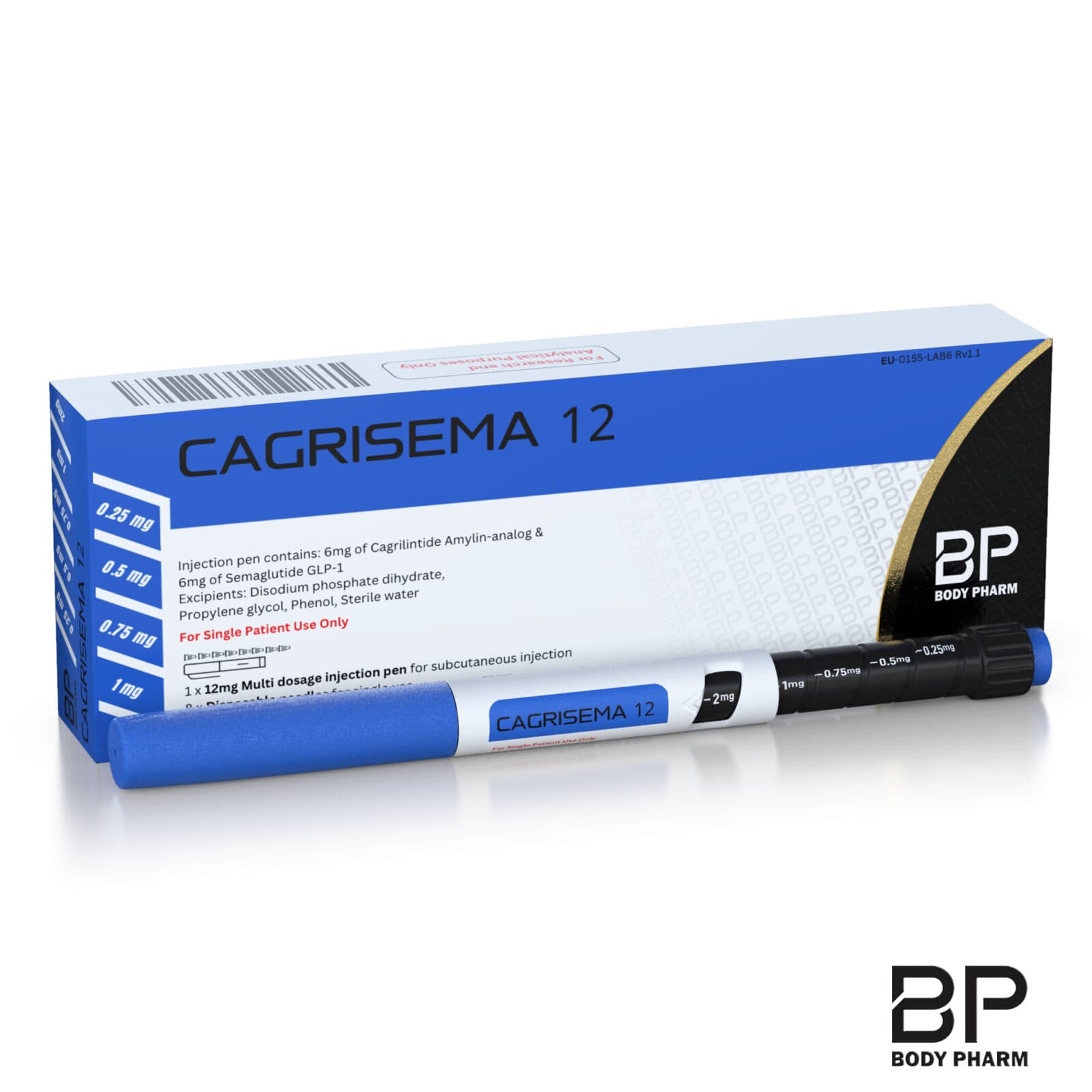
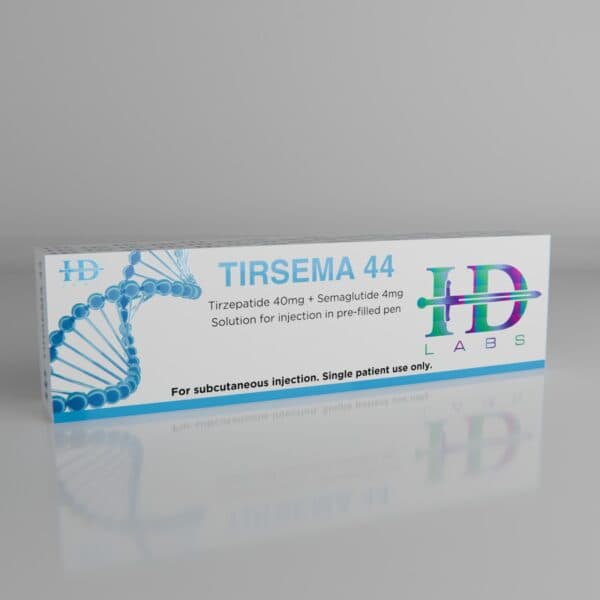
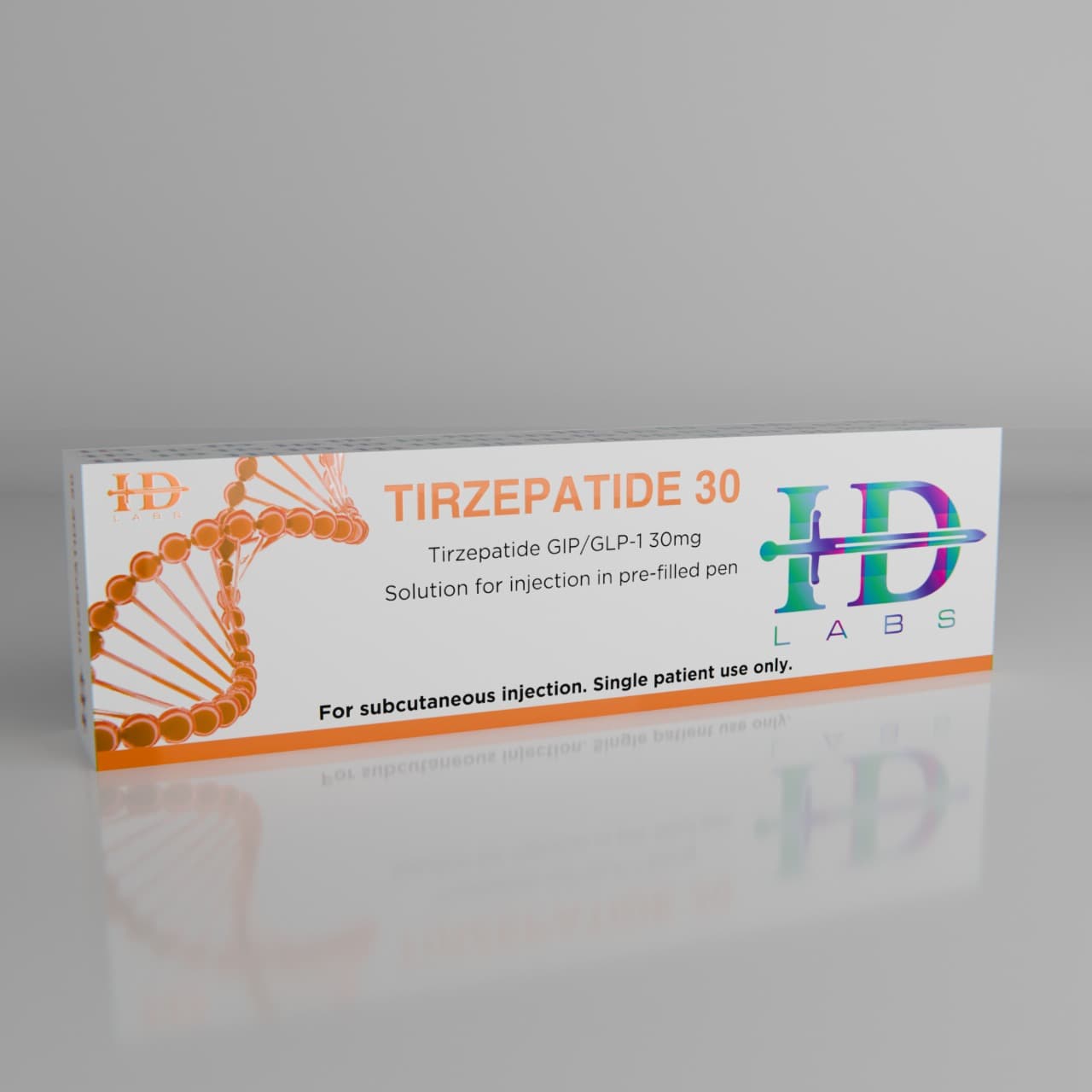
HD Labs Tirzepatide 30 Pen
R2 100.00
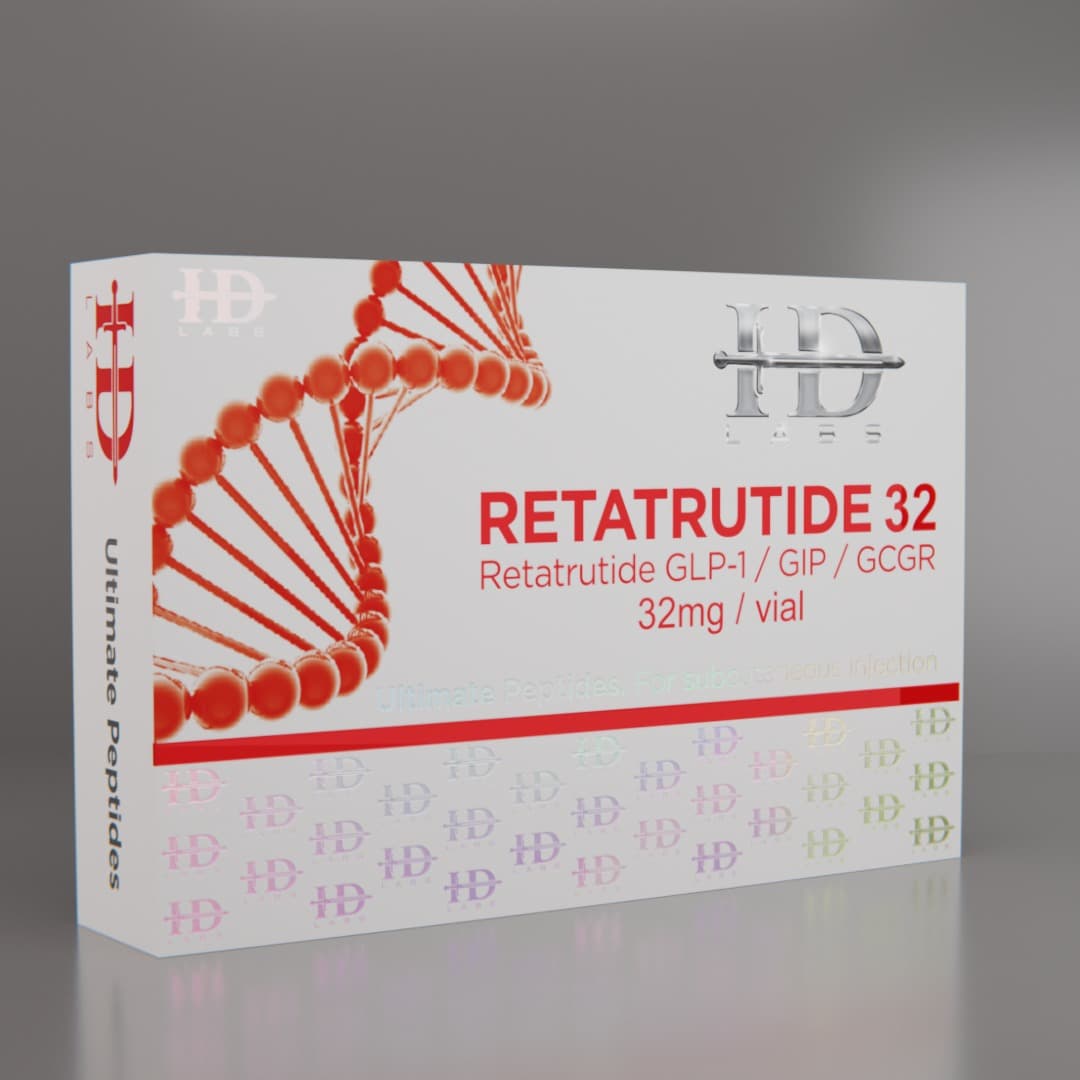
HD Labs Retatrutide 32 Vial
R2 300.00
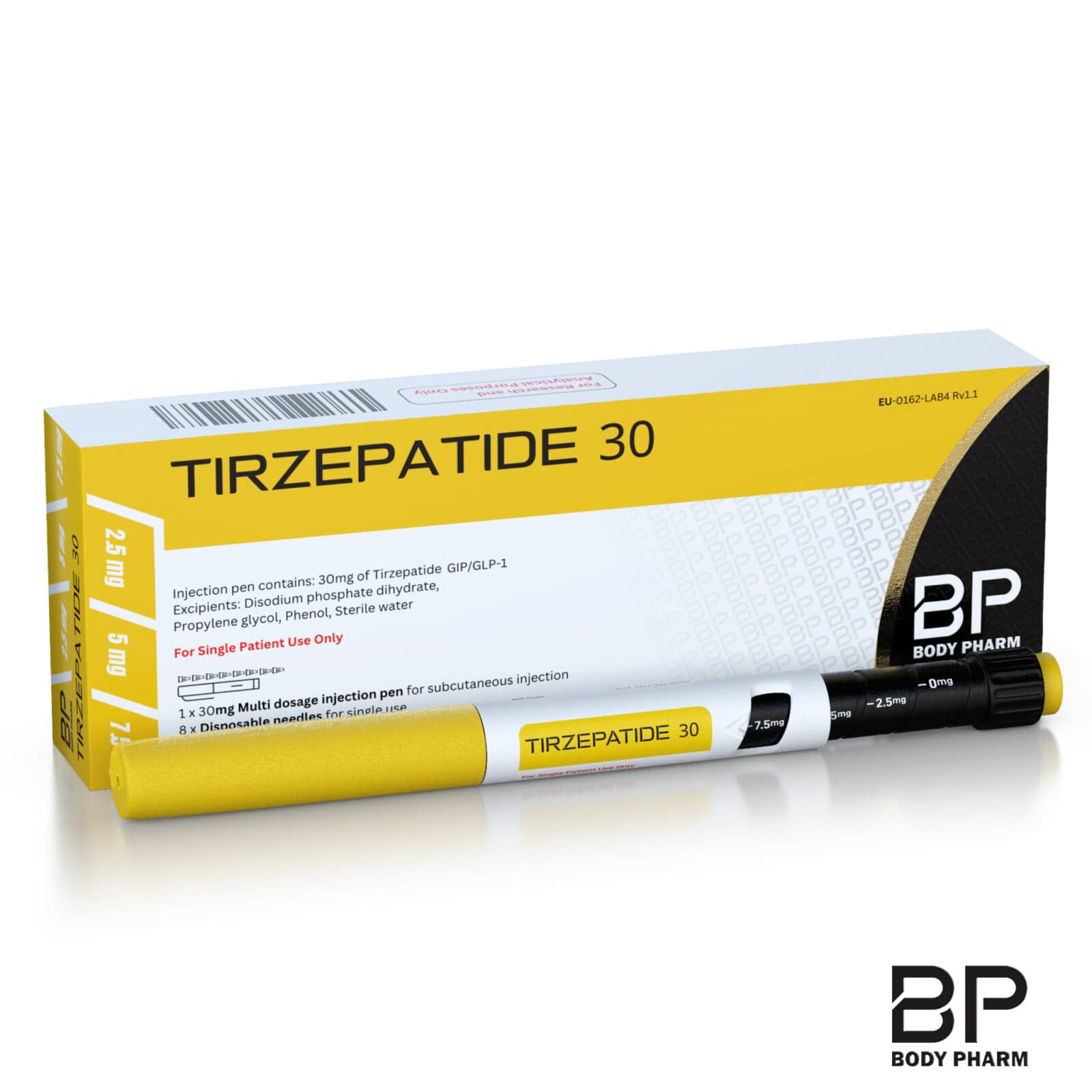
Body Pharm Tirzepatide 30 Pen
R2 500.00
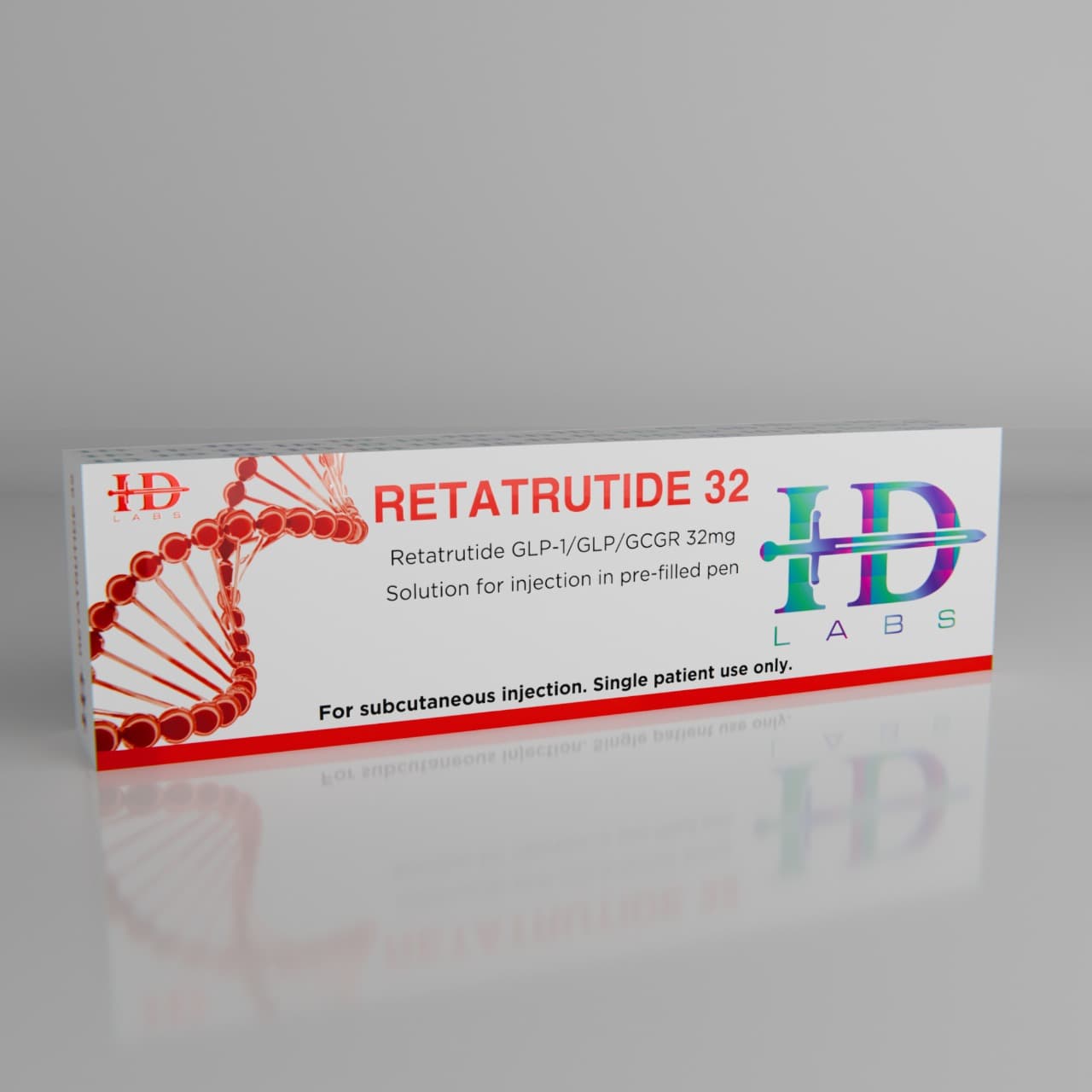
HD Labs Retatrutide 32 Pen
R2 500.00
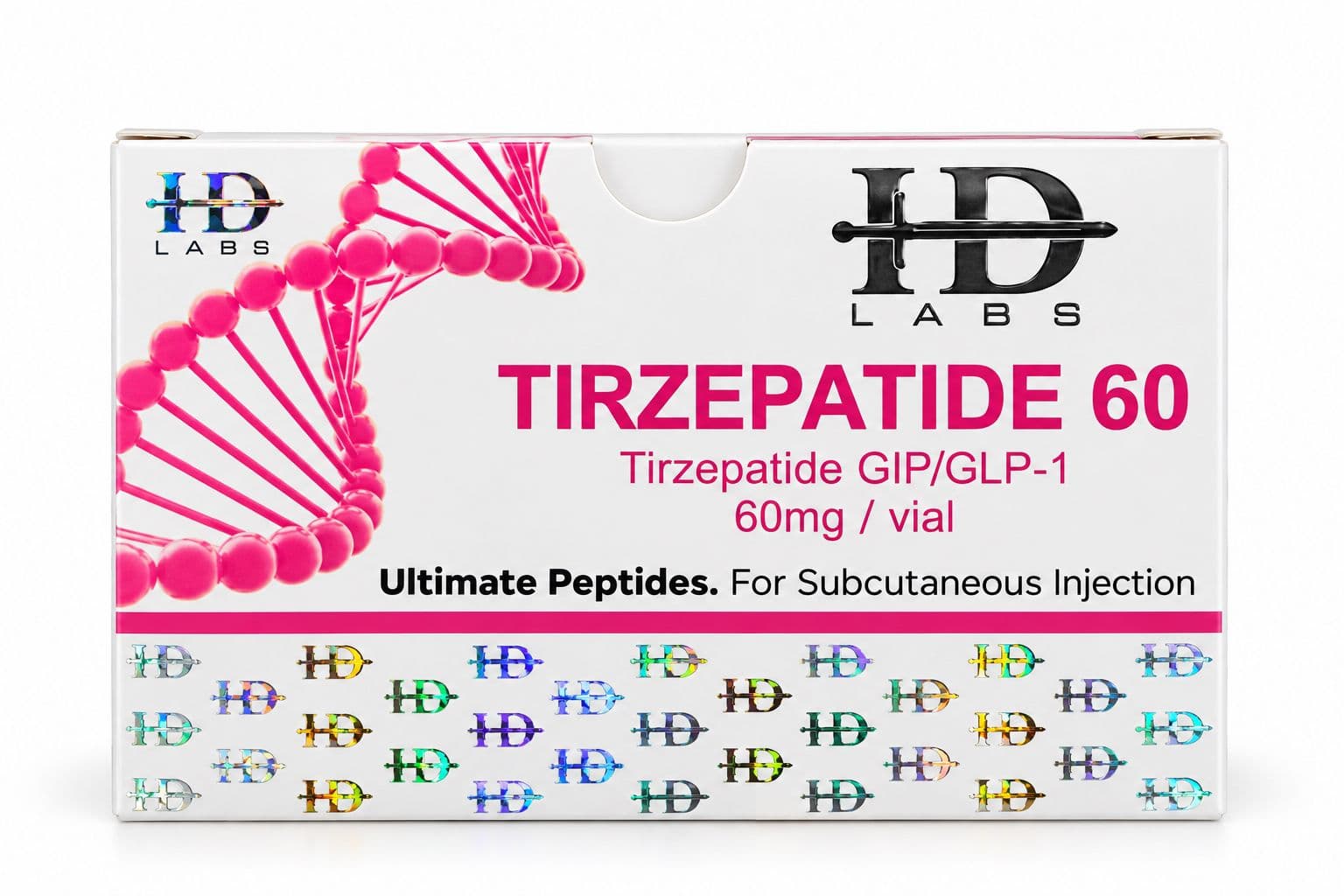
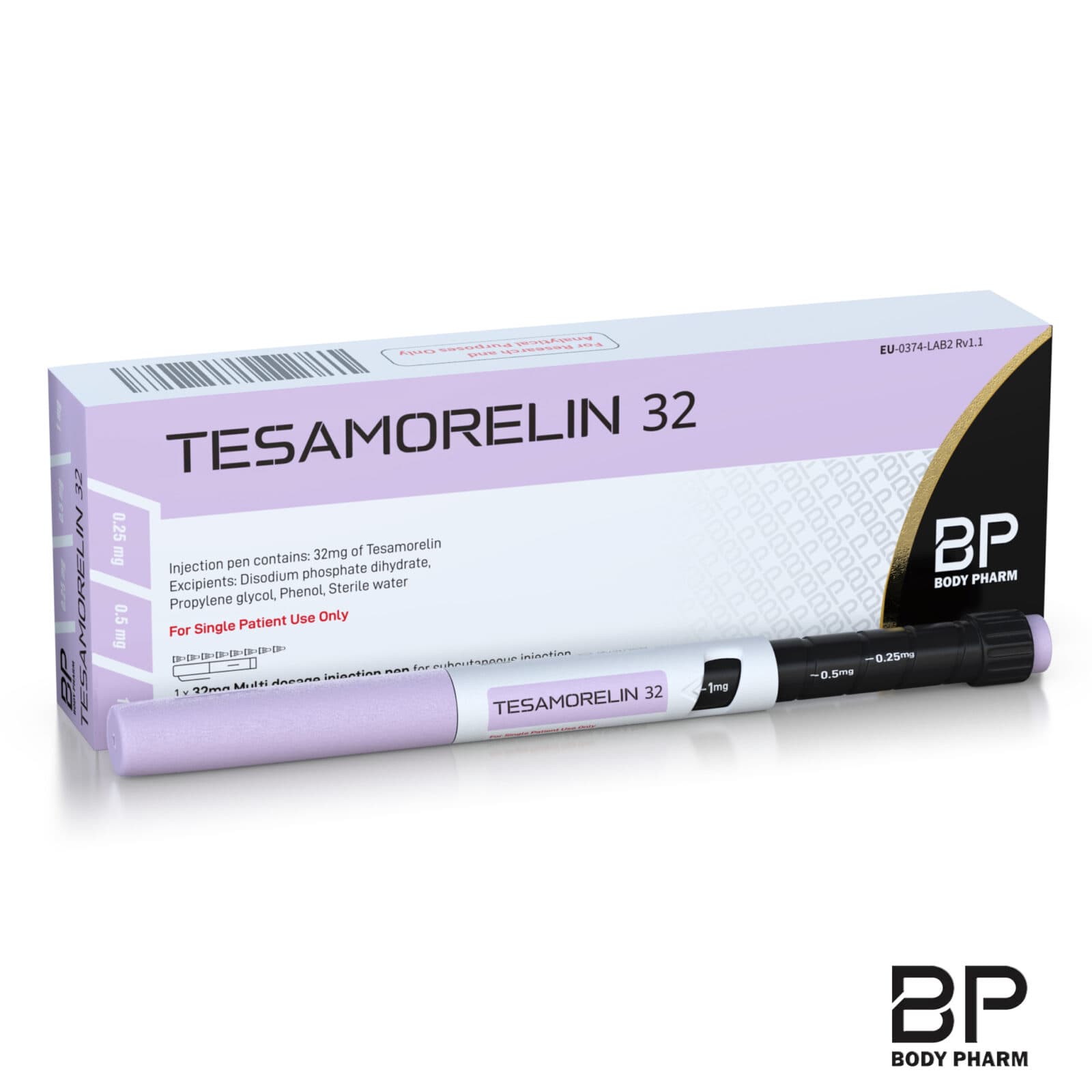
Body Pharm Tesamorelin 32 Pen
R2 640.00
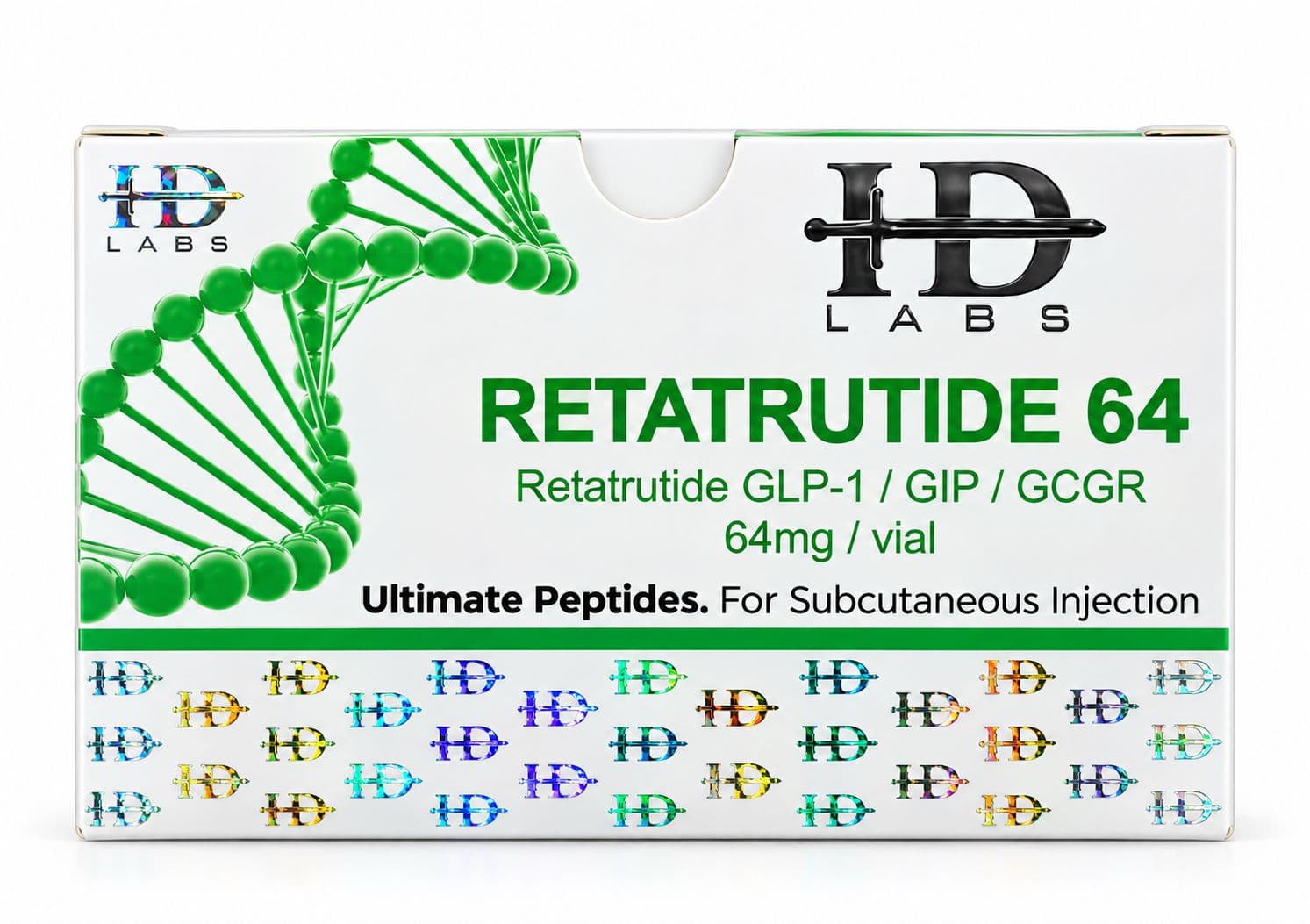
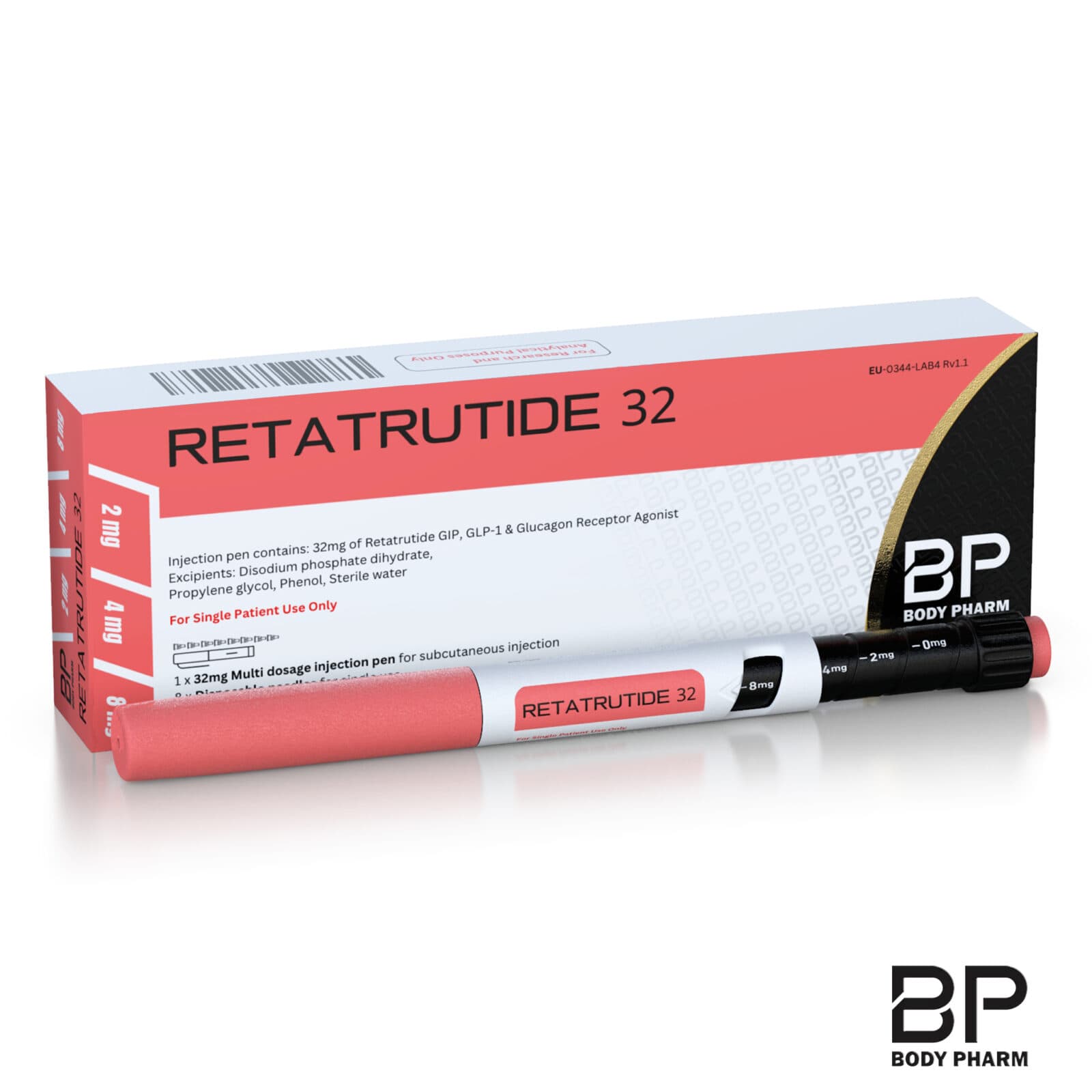
Body Pharm Retatrutide 32 Pen
R3 200.00
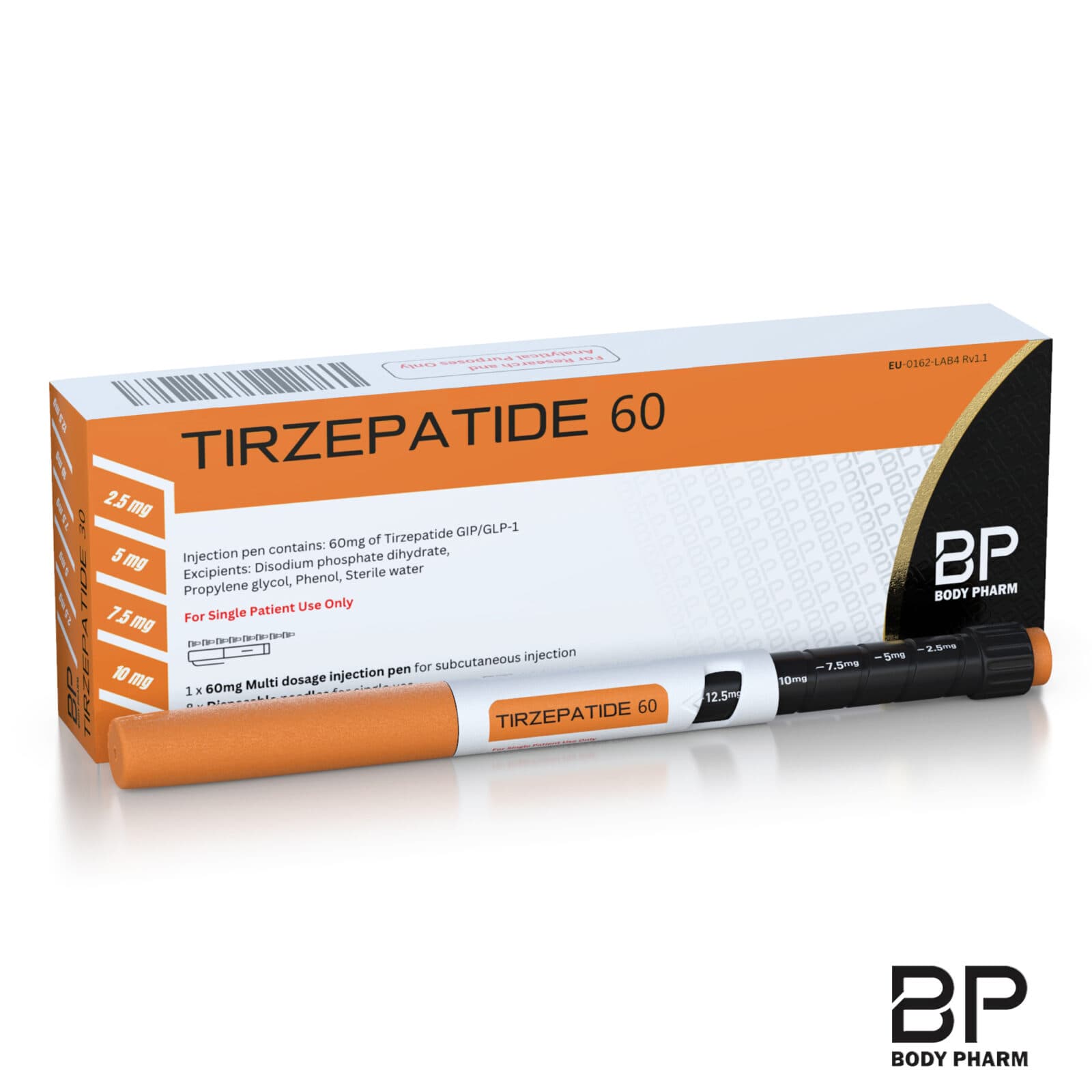
Body Pharm Tirzepatide 60 Pen
R3 500.00
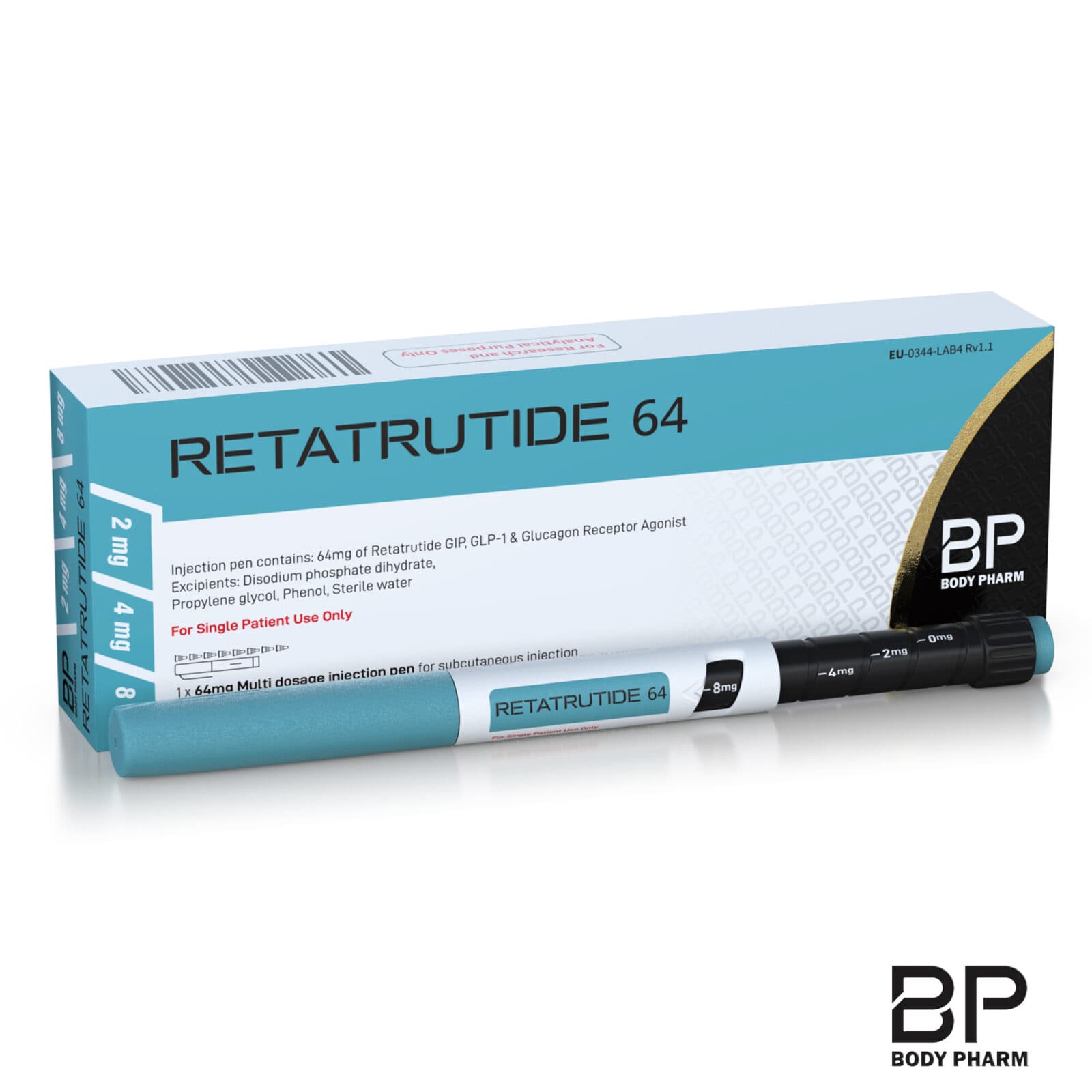
Body Pharm Retatrutide 64 Pen
R5 000.00
Please note
Prescription-class compound supplied for research use. You must be 18 or older. Consult a qualified healthcare professional before use, this is not medical advice.
Weight Loss Injections in South Africa: 2026 Buyer's Guide
Key Takeaways
- GLP-1 receptor agonists suppress appetite and slow stomach emptying — they do not burn fat directly
- Registered options cost R2,700–R4,000/month; research peptides cost R1,400–R2,300 per vial but lack regulatory oversight and post-market safety monitoring
- Retatrutide shows the largest weight-loss effect (−24.2% at 48 weeks in Phase 2) but is not yet approved anywhere and carries a smaller safety database than Phase 3 compounds
The Five Injectables at a Glance (SA, 2026)
| Injection | Typical SA cost (2025 anchor) | |
|---|---|---|
| Saxenda (liraglutide) | Registered for obesity [1] | ~R3,000–R4,000/month [unverified] |
| Ozempic (semaglutide) | Registered for T2D; off-label for weight loss [1] | R2,700–R3,100/month [1] |
| Mounjaro (tirzepatide) | Registered for T2D only [1] | R3,500–R4,000/month [unverified] |
| Wegovy (semaglutide 2.4 mg) | Not registered [1] | Grey-market only |
| Retatrutide and research peptides | Not registered [8] | Unregulated |
The Short Answer
"Weight loss injections" in South Africa cover two very different categories, and conflating them is how buyers get burned.
Concern: Off-label prescribing of Ozempic and Mounjaro for weight loss means your doctor carries the medico-legal risk if complications arise, and medical aid may not cover the cost under weight-management benefits.
Quick Comparison
| Category | Examples | Human Phase 3 evidence | Indicative ZAR/month (2025) | |
|---|---|---|---|---|
| GLP-1 / dual agonist | Saxenda, Ozempic, Mounjaro/tirzepatide | Yes [1][8] | Registered (obesity or T2D) [1] | R2,700–R4,000 [1] |
| Research peptides | Ipamorelin, tesamorelin, retatrutide | Phase 2 only or none [8] | Not registered [3] | Grey market |
Clenbuterol and yohimbine are not peptides. Clenbuterol is a beta-2 agonist and yohimbine is an alpha-2 antagonist. Both get lumped into "fat loss injection" marketing where they don't belong. Keep those three buckets separate before comparing price or dose.
Comparison Table: GLP-1s vs Research Peptides (2026)
Prices are indicative ZAR cash prices from 2025 reporting and listed retailers; confirm with the pharmacy before transacting.
| Compound | Mechanism | FDA status (2026) | Typical adult dose | Published weight loss | Common side effects | ZAR / month (2025) | |
|---|---|---|---|---|---|---|---|
| Semaglutide (Ozempic / Wegovy) | GLP-1 receptor agonist | Approved (T2D, obesity as Wegovy, CV risk reduction) [13] | Registered for T2D only; Wegovy not registered [1] | 0.25 → 2.4 mg weekly SC | ~14.9% at 68 weeks in STEP-1 (2021) [8] | Nausea, vomiting, constipation [1] | R2,700–R3,100 [1] |
| Tirzepatide (Mounjaro / Zepbound) | Dual GIP / GLP-1 agonist | Approved (T2D as Mounjaro, obesity as Zepbound) [14] | Registered for T2D; obesity off-label [1] | 2.5 → 15 mg weekly SC | ~20.9% at 72 weeks in SURMOUNT-1 (2022) [8] | Nausea, diarrhoea, decreased appetite [8] | R3,500–R4,000 [1] |
| Liraglutide (Saxenda) | GLP-1 receptor agonist | Approved (obesity, T2D as Victoza) [7] | Only GLP-1 registered for obesity in SA [1] | 0.6 → 3.0 mg daily SC | ~8% at 56 weeks (SCALE context) [7] | Nausea, injection-site reactions [1] | R3,000–R4,000 [1] |
| Retatrutide | Triple GLP-1 / GIP / glucagon agonist | Investigational, Phase 3 ongoing [8][10] | Not registered [3] | 2–12 mg weekly SC (trial doses) [8] | −24.2% at 48 weeks, 12 mg (Phase 2, 2023) [8] | Nausea, vomiting, dose-dependent GI [8] | Grey market only |
| Tesamorelin | GHRH analogue (visceral fat) | Approved for HIV-lipodystrophy only [3] | Not registered for weight loss [3] | 2 mg daily SC | Visceral fat reduction in HIV; no general obesity Phase 3 [3] | Injection-site reactions, joint pain [3] | Grey market only |
| Ipamorelin | Growth hormone secretagogue | Not approved for any indication [3] | Not registered [3] | No validated human obesity dose [3] | No published obesity Phase 3 data [3] | Unknown, contamination risk [3] | Grey market only |
How GLP-1 Injections Work (Semaglutide, Tirzepatide, Liraglutide)
GLP-1 receptor agonists cause weight loss by reducing how much you eat, not by burning fat. They mimic glucagon-like peptide-1 (GLP-1), a gut hormone released after meals, which slows gastric emptying, dampens hunger signals in the hypothalamus, and improves post-meal insulin response [1]. Food sits in the stomach longer, so you feel full sooner and the brain's appetite drive softens. Caloric deficit still does the work; the injection makes the deficit sustainable by suppressing hunger rather than by increasing energy expenditure.
Semaglutide (Ozempic, Wegovy)
Tirzepatide (Mounjaro, Zepbound)
Liraglutide (Saxenda, Victoza)
Concern: Daily injections reduce adherence compared to weekly options, and the smaller weight-loss effect may disappoint buyers comparing it to tirzepatide or semaglutide.
None of this class melts fat. They make eating less feel sustainable, and the rest is arithmetic.
Research Peptides: Retatrutide, Tesamorelin, Ipamorelin
Retatrutide
Retatrutide is a once-weekly triple agonist hitting GIP, GLP-1, and glucagon receptors, currently in Phase 3 development by Eli Lilly with no approval anywhere as of 2026 [8][12]. Adding the glucagon receptor arm to the GLP-1/GIP backbone is thought to drive higher energy expenditure on top of appetite suppression, which is the working explanation for the large Phase 2 numbers. The Phase 2 obesity trial (Jastreboff et al., NEJM 2023) reported a least-squares mean weight loss of −24.2% at 48 weeks on 12 mg weekly versus −2.1% on placebo, with 83% of participants hitting ≥15% loss and 93% hitting ≥10% [8]. Those are the largest figures seen in any GLP-1-class trial to date. Phase 2 results in roughly 300 people are not the same as a Phase 3 readout, and the safety database is still thin because fewer patients have been exposed for longer periods. Full Phase 3 primary endpoint data had not been peer-reviewed by late 2025 [12]. Anything labelled "retatrutide" for sale online in SA today is grey-market research material, not pharmaceutical-grade product with batch certification you can trust.
Concern: Phase 2 data alone cannot predict Phase 3 outcomes or long-term safety. Buying retatrutide now means accepting a much smaller evidence base than semaglutide or tirzepatide.
Tesamorelin
Ipamorelin
Concern: No clinical obesity data exists for tesamorelin or ipamorelin. Buying either means you are the experiment.
For a current inventory of what's available, browse the weight loss injections category to see what's in stock and at what dose.
Typical Dosing Protocols (Adult Reference Ranges)
Every injectable in the weight loss injections category is titrated upward over weeks, not started at the target dose, to blunt nausea and GI side effects. The table below is reference material from published labels and trial protocols, not a prescription. Final dosing belongs to a registered SA prescriber who knows your history.
| Compound | Starting dose | Target / max dose | Frequency | Route | Source |
|---|---|---|---|---|---|
| Semaglutide (Wegovy) | 0.25 mg/week | 2.4 mg/week | Weekly | SC | [13] |
| Semaglutide (Ozempic, off-label) | 0.25 mg/week | 1.0–2.0 mg/week | Weekly | SC | [5] |
| Tirzepatide (Zepbound/Mounjaro) | 2.5 mg/week | 15 mg/week | Weekly | SC | [14] |
| Liraglutide (Saxenda) | 0.6 mg/day | 3.0 mg/day | Daily | SC | [7] |
| Retatrutide (Phase 2 trial, 2023) | 1 mg/week | up to 12 mg/week | Weekly | SC | [10] |
| Tesamorelin (Egrifta label) | 2 mg/day | 2 mg/day | Daily | SC | [unverified label dose] |
| Ipamorelin (research protocols) | 200–300 mcg | 200–300 mcg, 1–3x/day | Daily, non-clinical | SC | no clinical label exists |
How the GLP-1 Titrations Actually Run
Semaglutide and tirzepatide step up roughly every four weeks because this interval lets the body adapt to each dose and allows nausea to settle before the next increase. Wegovy's published schedule moves 0.25 → 0.5 → 1.0 → 1.7 → 2.4 mg over 16–20 weeks [13]. Tirzepatide's label runs 2.5 → 5 → 7.5 → 10 → 12.5 → 15 mg in 2.5 mg increments at four-week intervals, and most patients hold at 10 or 15 mg [14]. Saxenda is the outlier: daily injection, with weekly 0.6 mg increases until 3.0 mg [7]. The Body Pharm Tirzepatide 30 Pen is sold as research material and is not a substitute for a titration plan a doctor signs off on.
Retatrutide and the Research Peptides
Retatrutide's Phase 2 obesity trial (2023) used weekly doses of 1, 4, 8 and 12 mg, with the 12 mg arm producing −24.2% mean body-weight loss at 48 weeks versus −2.1% placebo [10]. Phase 3 dosing is still being finalised through Lilly's pipeline studies [12]. Tesamorelin has a real label (2 mg daily SC) but it was approved for HIV-associated lipodystrophy, not general fat loss. Ipamorelin has no clinical label at all. Numbers like 200–300 mcg one to three times daily come from bodybuilding and research-chemical forums, not regulator-reviewed studies, and the AMA has specifically warned against treating those protocols as established medicine [1]. A prescriber who will write and supervise the protocol is non-negotiable.
Concern: Self-dosing research peptides without a prescriber's oversight is the highest-risk scenario on this page.
Real-World Cost in ZAR: What You'll Actually Pay
| Option | 2026 indicative price (ZAR) | Format | Medical-aid reimbursement | |
|---|---|---|---|---|
| Saxenda (liraglutide) | ~R3,000–R4,000/month [unverified, 2024–2025] | Pre-filled pen | Registered for obesity [1] | Discovery Health may fund from day-to-day benefits, plan-dependent [1] |
| Ozempic (semaglutide 1 mg) | ~R2,700–R3,100/month [2025] [1] | Pre-filled pen | Registered for T2D only; weight-loss use is off-label [1] | Generally only under diabetes benefits [4][5] |
| Mounjaro / Zepbound | No consistent SA retail price; imported [unverified] | Pen | Mounjaro registered for T2D, not obesity [1] | Diabetes benefits only [4][5] |
| HD Labs Semaglutide 10 mg | R1,400 (Beskinny 2026) | Research vial | Not registered; research use | None |
| HD Labs Retatrutide 10 mg | R1,600 sale (Beskinny 2026) | Research vial | Not registered; investigational [7][12] | None |
| HD Labs Retatrutide 32 mg | R2,300 (Beskinny 2026) | Research vial | Not registered; investigational | None |
| Body Pharm Tirzepatide 30 Pen | See current listing | Research pen | Not registered for obesity | None |
Why the Price Gap Is Mostly a Regulatory Gap
Concern: Cheaper research peptides may seem like a bargain, but you lose regulatory oversight, post-market surveillance, and prescriber accountability.
Side Effects and Who Should Not Use Them
GLP-1 receptor agonists cause predictable gastrointestinal side effects and carry a boxed warning for thyroid C-cell tumours. Research peptides carry the same theoretical risks plus the unknown of an unregulated supply chain. Before you buy from the weight loss injections category, read this section and then ask a prescriber.
What Wegovy, Ozempic, Saxenda and Mounjaro Can Do to You
The most common adverse effects across semaglutide, liraglutide and tirzepatide are nausea, vomiting, diarrhoea and constipation, usually worst during dose escalation when the body is adjusting to a new hormone level. Less common but more serious risks listed on the Wegovy and Zepbound prescribing information include acute pancreatitis, gallbladder disease (cholelithiasis, cholecystitis), acute kidney injury from dehydration, and hypoglycaemia when combined with insulin or sulfonylureas [2][3]. Both semaglutide and tirzepatide carry a boxed warning against use in anyone with a personal or family history of medullary thyroid carcinoma (MTC) or Multiple Endocrine Neoplasia syndrome type 2 (MEN2), based on rodent C-cell tumour signals [2][3].
Do not use any GLP-1 if you are pregnant, planning pregnancy, breastfeeding, or have had pancreatitis. Tirzepatide can also reduce the efficacy of oral contraceptives, so a barrier method or non-oral contraceptive is advised for four weeks after starting and after each dose increase [3].
What's Different About Research Peptides
Research-grade semaglutide, tirzepatide and retatrutide share the same mechanism-based risks as the branded versions, with one extra problem: no post-marketing surveillance. The AMA flagged in 2024 that compounded and grey-market peptide injections have been linked to dosing errors, bacterial contamination, and unknown excipients, with no MedWatch-equivalent system catching adverse events [10]. Retatrutide itself only has Phase 2 safety data published so far, with full Phase 3 outcomes still pending [1][14].
If you are still considering a research vial like the Body Pharm Tirzepatide 30 Pen, get baseline bloods, screen for MTC/MEN2 family history, and work with a doctor who knows you are using it. Self-prescribing without medical oversight is the worst trade-off on this page.
Concern: Research peptides lack post-market safety monitoring. Adverse events go unreported, and you have no way to know if a batch is contaminated until you inject it.
How to Choose: A Decision Framework
The right injection depends on which constraint is hardest for you: medical risk, cost, or regulatory comfort. Use the table below as a starting filter, then take the three questions to your prescriber.
| Your situation | Best-fit option | Why |
|---|---|---|
| Want the lowest-risk, evidence-backed route and can afford R2.7k–R3.1k/month [1] | Registered supply chain, pharmacovigilance, prescriber accountability | |
| Established cardiovascular disease + overweight/obesity | SELECT trial (2023) showed ~20% MACE reduction over ~5 years [9] | |
| Type 2 diabetes alongside weight goal | Ozempic or Mounjaro through medical aid diabetes benefit [1] | |
| BMI ≥35 with T2D considering dual agonism | Tirzepatide (Mounjaro) off-label under specialist supervision [1] | SURMOUNT-1 (2022) showed ~20.9% weight loss at 72 weeks [8] |
| Cost is the binding constraint | Discuss compounded or alternative regimens with a doctor who will monitor you | Self-sourcing without supervision is the worst trade-off |
| Pregnant, planning pregnancy, breastfeeding, or prior pancreatitis | None of the above | Contraindicated [2][3] |
Three Questions to Ask Your Prescriber
- Will my medical aid cover this, and under which benefit (chronic, day-to-day, or not at all)? Discovery Health has confirmed Saxenda is funded only from day-to-day benefits, not as a PMB [1].
- What is the titration plan, and what dose are we targeting by month four?
- What is the exit strategy after 12 months? Do we taper, switch, or maintain, and how do we manage likely weight regain?
FAQ: Weight Loss Injections in South Africa
| Question | Short answer |
|---|---|
| Which weight loss injections are FDA-approved in 2026? | Semaglutide (Wegovy, Ozempic), tirzepatide (Mounjaro, Zepbound) and liraglutide (Saxenda, Victoza). Retatrutide is investigational [10][13][14]. |
| Do peptides burn fat directly? | No. GLP-1s suppress appetite and slow gastric emptying; they don't oxidise fat tissue [1]. |
| Is retatrutide approved in SA? | |
| Are clenbuterol and yohimbine peptides? | No. Clenbuterol is a beta-2 agonist, yohimbine is an alpha-2 antagonist. Neither belongs in the peptide category. |
| How fast does semaglutide work? | Appetite drops within 1–2 weeks; meaningful weight loss usually shows after 8–12 weeks of titration [5]. |
| Does medical aid cover it? | Discovery Health funds Saxenda from day-to-day benefits, not PMB. Ozempic and Mounjaro for weight loss are generally not covered [5]. |
| What happens when you stop? | Significant weight regain is common within 12 months without a maintenance plan [1]. |
Can You Stack GLP-1s with Clenbuterol or Other Stimulants?
Don't. Clenbuterol is not registered for human use in South Africa, and stacking a beta-2 agonist with a GLP-1 compounds cardiovascular risk, including arrhythmia and tachycardia. No clinical trial supports the combination, and prescribers I've spoken to in 2025 refuse to monitor it.
Are Oral GLP-1 Alternatives Available in SA?
How Does Retatrutide Compare to Semaglutide on Weight Loss?
Is Buying Research-Grade Tirzepatide Legal for Personal Use?
Will the SELECT Cardiovascular Benefit Apply if I Use Ozempic Off-Label?
The 20% MACE reduction came from semaglutide 2.4 mg (Wegovy) in people with overweight/obesity and established CVD, over ~5 years in SELECT (2023) [13]. Ozempic tops out at 1 mg or 2 mg for diabetes dosing. Extrapolating the CV benefit to lower doses or shorter use is not supported by the trial data.