Weight loss injections

HD Tirzepatide 30 pen

HD Tirsema 44 Pen
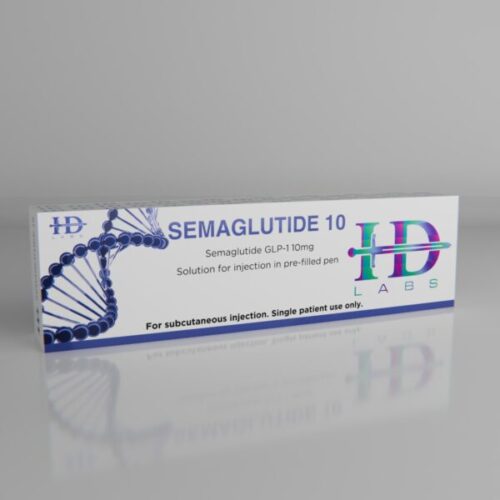
HD Semaglutide 10 Pen
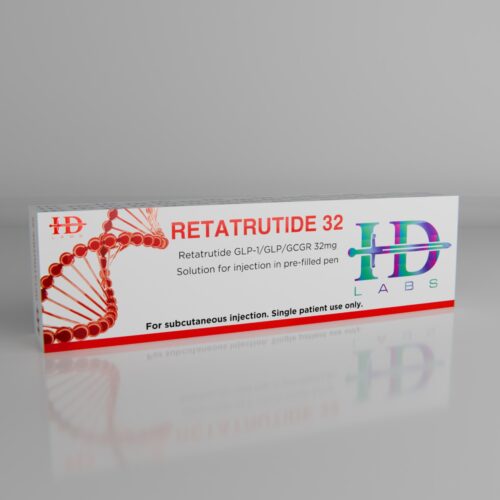
HD Retatrutide 32 pen
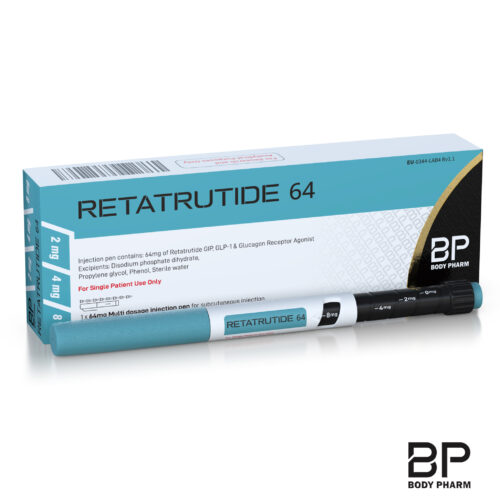
Body Pharm Retatrutide 64 Pen
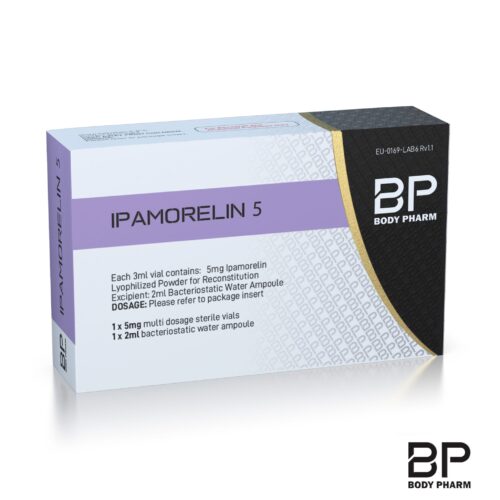
Body Pharm Ipamorelin 5
Retatrutide 10mg
Retatrutide 5mg
Semaglutide 5mg GLP-1 (Buy 1 get 1 free) 10mg total
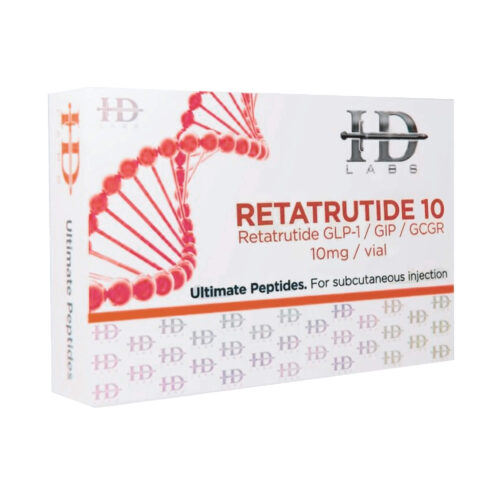
HD Labs Retatrutide 10
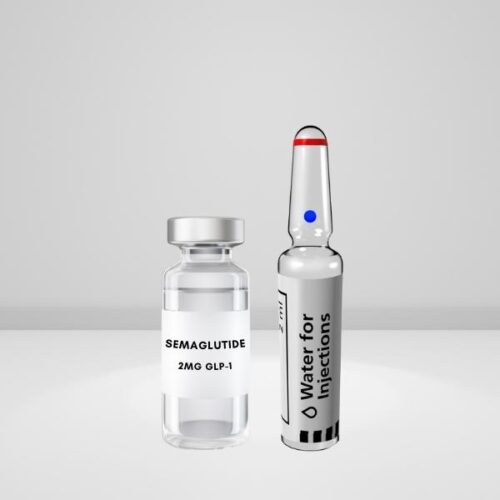
Semaglutide 2mg GLP-1 (Buy 1 get 2 free) 6mg total
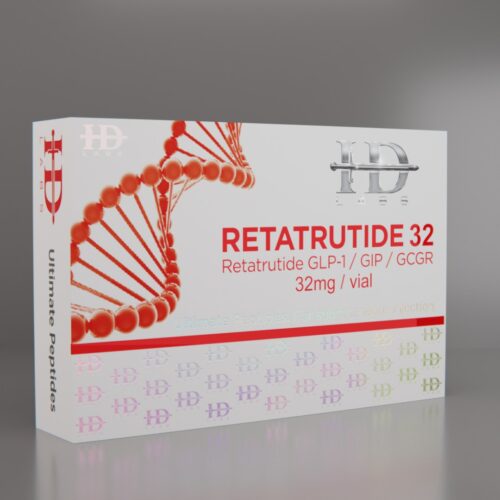
HD Labs Retatrutide 32
Weight Loss Injections South Africa: 2026 Buyer’s Guide
Weight loss injections in South Africa in 2025 fall into three tiers: SAHPRA (South African Health Products Regulatory Authority)-registered GLP-1 (glucagon-like peptide-1) receptor agonists (semaglutide as Ozempic, tirzepatide as Mounjaro), unregistered next-generation agonists sourced via compounding or import (retatrutide, cagrisema), and adjunct peptides (tesamorelin, ipamorelin) plus the stimulant clenbuterol. Each tier offers different efficacy, legality, and ZAR pricing. Only Ozempic and Mounjaro hold SAHPRA approval, and both currently carry a licence for type 2 diabetes rather than obesity. Wegovy remains unregistered locally (Spotlight). That regulatory gap matters because demand is enormous: 68% of South African women are overweight or obese (EWN, 2025).
This guide compares every option side-by-side. By the end, you will know:
- Which injectables work best for which body type and BMI (Body Mass Index) range.
- What each injection costs in ZAR and which are legal in South Africa.
- How to titrate, inject, and avoid the main side effects and risks.
Key Takeaways
- Most evidence: Semaglutide delivered 14.9% mean weight loss in the STEP 1 trial — the rational first choice for BMI 27–35.
- Strongest registered option: Tirzepatide reached 20.9% mean loss in SURMOUNT-1, best for BMI 30+ or semaglutide plateaus.
- Most powerful in trials: Retatrutide produced 24.2% loss in phase 2, but remains unregistered.
- Targeted tools: Tesamorelin reduces visceral fat; ipamorelin protects lean mass during a deficit.
- Avoid: Clenbuterol carries cardiac risks and lacks SAHPRA registration for human use.
- Regulation: Only Ozempic and Mounjaro are SAHPRA-registered, both for diabetes — not obesity.
- Price band: R220–R5,000 per month depending on compound and source.
Quick Answer: Best Injections in South Africa
The best weight loss injections available in South Africa in 2025 are GLP-1 receptor agonists — semaglutide (14.9% mean loss in the STEP 1 trial, NEJM 2021) and tirzepatide (up to 20.9% in the SURMOUNT-1 trial, NEJM 2022). Next-generation retatrutide (24.2%, NEJM 2023) and cagrisema (cagrilintide + semaglutide) follow. Tesamorelin (a GHRH (growth hormone-releasing hormone) analogue) and ipamorelin serve as visceral-fat and recomposition adjuncts. Patients self-administer all of these compounds as subcutaneous injections, weekly or daily, with monthly costs ranging from roughly R220 (compounded peptides) to R5,000 (branded Mounjaro). Only Ozempic and Mounjaro are SAHPRA-registered, both prescription-only.
Some readers will worry about legality and supply continuity — we address both concerns in the “Buying” and “Side Effects” sections below.
At a Glance
- Primary GLP-1s: semaglutide (Ozempic, Wegovy), tirzepatide (Mounjaro, Zepbound)
- Next-generation agonists: retatrutide, cagrisema (unregistered in SA)
- Adjunct peptides: tesamorelin (visceral adipose tissue), ipamorelin (GH (growth hormone) support)
- Stimulant (high-risk): clenbuterol
- Delivery: subcutaneous injection, weekly or daily
- Price band: R220–R5,000/month
How Weight Loss Injections Work
Modern weight loss injections target the gut-brain hormones that control hunger and satiety, rather than forcing your metabolism into overdrive. The dominant class — GLP-1 receptor agonists like semaglutide — mimics glucagon-like peptide-1, a hormone the gut releases after eating. GLP-1 produces three effects: it suppresses appetite in the hypothalamus, delays gastric emptying (food sits longer, you feel full sooner), and improves insulin sensitivity. The clinical payoff is substantial — the STEP 1 trial reported 14.9% mean body weight loss with semaglutide 2.4 mg versus 2.4% with placebo over 68 weeks (NEJM 2021).
Some readers ask whether these effects last after stopping — the short answer is no, and we cover regain in the FAQ.
Dual and Triple Agonists Add More Levers
Tirzepatide activates both GLP-1 and the GIP (glucose-dependent insulinotropic polypeptide) receptor. This dual activation compounds appetite reduction with improved fat metabolism and pushes mean loss to 20.9% in the SURMOUNT trial — compared with 14.9% for semaglutide in STEP 1 (NEJM 2022). Retatrutide adds a third target, the glucagon receptor, which directly increases resting energy expenditure. The body burns more calories at rest, hitting 24.2% mean loss at 48 weeks (NEJM 2023).
How This Class Differs From Older Fat-Burner Injections
Legacy fat-burners like clenbuterol act on beta-2 adrenergic receptors, ramping up adrenaline-like signalling to force lipolysis (fat breakdown). The trade-off is cardiac strain: documented effects in non-asthmatic users include tachycardia, hypertension, and arrhythmias such as atrial fibrillation. In contrast, GLP-1s and their successors achieve larger, more durable losses than these older fat-burners without that adrenergic tax.
The 7 Best Weight Loss Injections Compared
For most South African buyers, tirzepatide and retatrutide deliver the highest weight loss percentages, semaglutide remains the best-validated entry point, and adjunct peptides like tesamorelin and ipamorelin target specific fat depots rather than total body weight. The table below ranks the seven most-bought injectables by mechanism, expected loss, and ZAR cost. Pick by BMI and goal, not headline number.
A common objection here is “why not just pick the strongest?” — because tolerability, cost, and registration status differ sharply, as the per-compound sections explain.
| Injection | Class | Avg Weight Loss | Dose Frequency | Price (ZAR) | Best For |
|---|---|---|---|---|---|
| Semaglutide | GLP-1 agonist | 14.9% / 68 wks (NEJM 2021) | Weekly | ~R1,200 / 6 mg | First-time users, BMI 27–35 |
| Tirzepatide | GLP-1/GIP dual | 20.9% / 72 wks (NEJM 2022) | Weekly | ~R2,500 / 60 mg | Plateau-breakers, BMI 30+ |
| Retatrutide | GLP-1/GIP/glucagon triple | 24.2% / 48 wks (NEJM 2023) | Weekly | ~R3,500 / vial | Aggressive cuts, high BMI |
| Cagrisema | Amylin + GLP-1 | 22.7% / 68 wks | Weekly | ~R2,800 | Appetite-driven eaters |
| Tesamorelin | GHRH analogue | 15.2% VAT / 26 wks | Daily | ~R2,000 / month | Visceral belly fat |
| Ipamorelin | GH secretagogue | Recomp, not weight loss | Daily | ~R900 / month | Lean adjunct, sleep/recovery |
| Clenbuterol | Beta-2 agonist | 2–4% / 6 wks | Daily | ~R600 | Legacy use only — cardiac risk |
Semaglutide is the rational starting point because it has the longest safety record and mildest titration. Buy the Semaglutide 2mg GLP-1 bundle (6mg total) for a 6-week titration test. When response stalls below 5% at week 12, step up to the HD Labs Tirzepatide 60 Pen for the GIP receptor lever.
Semaglutide (GLP-1): The Proven Standard
Semaglutide (sold as Ozempic and Wegovy) leads the South African market on evidence and remains the rational first choice for anyone with a BMI of 27–35. Semaglutide mimics the gut hormone GLP-1, slowing gastric emptying and dampening appetite signals in the hypothalamus. Patients typically eat 30–40% less without conscious restriction. In the STEP 1 trial, weekly 2.4 mg semaglutide produced 14.9% mean body weight loss at 68 weeks versus 2.4% on placebo (NEJM 2021).
Dosing follows a five-step titration schedule: 0.25 mg weekly for 4 weeks, then 0.5 mg, 1 mg, 1.7 mg, and 2.4 mg maintenance. Each step holds for 4 weeks to blunt nausea — the dominant side effect alongside constipation, fatigue, and early satiety. In SA, only Ozempic (0.25–1 mg) is SAHPRA-registered for diabetes; Wegovy is not yet local, so most weight-loss buyers source compounded semaglutide from peptide suppliers (Spotlight). For a full 6-week titration test at roughly a third of pharmacy cost, the Semaglutide 2mg GLP-1 bundle delivers the 6 mg total needed to reach the 1 mg checkpoint.
For anyone worried about nausea, the slow titration is designed precisely to manage that side effect — most users adapt within 7–10 days of each step-up.
Tirzepatide Pen: Dual GIP/GLP-1 Action
Tirzepatide (Mounjaro, Zepbound) outperforms semaglutide on every head-to-head metric and is the rational step-up for buyers in the 30+ BMI bracket or those who plateau on semaglutide. Tirzepatide activates both the GIP receptor and GLP-1 receptor. In the SURMOUNT-1 trial, the 15 mg weekly dose produced 20.9% mean body weight loss at 72 weeks — versus 14.9% for semaglutide in STEP 1 (NEJM 2022; NEJM 2021). The dual mechanism drives deeper appetite suppression while improving insulin sensitivity, which translates to roughly 0.7–1.2% body weight per week during active titration.
Standard titration starts at 2.5 mg weekly for 4 weeks, then 5 mg, 7.5 mg, 10 mg, 12.5 mg, and 15 mg, with each step held for 4 weeks. Mounjaro is SAHPRA-registered for diabetes, but the weight-loss indication remains under review (Spotlight). The HD Labs Tirzepatide 60 Pen delivers 60 mg total in a multi-dose pen — enough for a full 4-month titration to the 10 mg checkpoint at a fraction of Mounjaro retail.
Side effects mirror semaglutide — nausea, constipation, fatigue, occasional reflux — but rates of moderate-to-severe nausea run slightly higher than semaglutide (29% vs 20%) during dose escalation. The same boxed warning applies: avoid tirzepatide if you have a personal or family history of medullary thyroid carcinoma or MEN 2 (Multiple Endocrine Neoplasia type 2).
Retatrutide: The Triple Agonist (GLP-1/GIP/Glucagon)
Retatrutide is currently the most powerful injectable weight loss compound in clinical development, producing 24.2% mean body weight loss at the 12 mg weekly dose over 48 weeks in Lilly’s phase 2 trial (NEJM 2023). Retatrutide adds glucagon receptor activation to the GLP-1/GIP dual mechanism, which directly increases resting energy expenditure and accelerates hepatic fat oxidation. That extra mechanism is the reason results outpace tirzepatide by roughly 3–4 percentage points despite a shorter trial window.
The triple-agonist mechanism matters for buyers who’ve already run a full tirzepatide cycle and want to keep moving. Where dual agonists work almost entirely through appetite suppression, glucagon receptor agonism actively burns through stored fat, so weekly loss rates of 0.9–1.4% body weight are realistic during peak titration on the 8–12 mg range. Phase 3 TRIUMPH trials are ongoing and SAHPRA registration is not expected before 2026.
Buyers reasonably ask about safety given the unregistered status — phase 2 data flags transient heart rate elevation as the main novel signal, with GI side effects tracking the GLP-1 class.
Standard research titration mirrors tirzepatide: 2 mg weekly for 4 weeks, then 4 mg, 8 mg, and 12 mg, each held for 4 weeks. A 32 mg pen suits a single titration run to the 8 mg checkpoint, while a 64 mg pen carries a buyer through a full 16-week protocol to 12 mg maintenance. Side effects track GLP-1 class norms — nausea, fatigue, transient heart rate elevation of 5–10 bpm from the glucagon arm — and the same MTC/MEN 2 contraindication applies.
Cagrisema: Cagrilintide + Semaglutide
Cagrisema is Novo Nordisk’s fixed-dose combination of cagrilintide (a long-acting amylin analogue) and semaglutide 2.4 mg, designed to layer slowed gastric emptying and satiety signalling on top of standard GLP-1 appetite suppression. The REDEFINE-1 phase 3 trial reported a mean body weight loss of 22.7% at 68 weeks — slightly behind retatrutide’s 24.2% but ahead of tirzepatide’s 20.9%.
Mechanistically, amylin agonism complements rather than duplicates GLP-1 signalling. That complementary action is why responders often report steadier appetite control and less rebound hunger between weekly doses than they get on semaglutide alone. For buyers choosing between next-generation options, cagrisema suits those who tolerate semaglutide well but plateaued under 15% loss; retatrutide remains the stronger pick for metabolically stubborn cases where active fat oxidation matters more than appetite layering. SAHPRA registration is not yet filed.
Tesamorelin: Targeted Visceral Fat Loss
Tesamorelin is a synthetic GHRH analogue that selectively reduces visceral adipose tissue (VAT) — the deep abdominal fat packed around the liver, pancreas and intestines — without meaningfully shifting subcutaneous fat or total body weight. In the pivotal Falutz et al. trial, daily 2 mg subcutaneous tesamorelin produced a 15.2% VAT reduction at 26 weeks versus a 4.9% gain on placebo (NEJM 2007).
That mechanism makes tesamorelin a poor standalone for high-BMI buyers but a precise tool for the lean-but-soft phenotype: normal weight on the scale, stubborn waist circumference, elevated liver enzymes, or central adiposity that resists diet alone. Tesamorelin pairs cleanly with GLP-1 protocols — the GLP-1 strips total mass while tesamorelin redistributes what remains away from the gut.
Buyers often ask why the scale doesn’t move much — because tesamorelin reshapes fat distribution rather than reducing total mass. Body Pharm Tesamorelin 5 mg vials reconstitute with bacteriostatic water and dose at 1–2 mg subcutaneously each evening, timed to natural GH pulse. Expect waist changes from week 8, not week 2, because GHRH-driven VAT remodelling acts gradually. Tesamorelin is a 6-month tool, not a quick cut.
Ipamorelin: Recomposition Adjunct
Ipamorelin is a selective growth hormone secretagogue that supports lean mass retention and modest indirect fat loss, but ipamorelin is not a standalone weight loss injection. It stimulates pulsatile GH release without raising cortisol or prolactin (unlike older peptides such as GHRP-6), which preserves muscle during aggressive caloric deficits — exactly the scenario most GLP-1 buyers find themselves in by month three.
The practical role is recomposition. Stack ipamorelin underneath a semaglutide 2mg protocol or tirzepatide run when the scale is moving but the mirror isn’t. The GLP-1 drives the deficit; ipamorelin protects lean tissue and nudges sleep quality and recovery upward.
Typical protocol: 200–300 mcg subcutaneously, 2–3 times daily, with one dose pre-bed on an empty stomach to align with natural GH pulse. Expect no scale movement from ipamorelin alone — judge the compound on body composition over 12 weeks.
How to Choose the Right Injection
The right injection depends on your starting BMI, body composition goal, and tolerance for side effects — not on which compound is trending. For anyone with meaningful weight to lose who struggles with appetite control, a GLP-1 or dual agonist is the evidence-backed first move. Already-lean buyers chasing a stubborn plateau are in peptide territory, not GLP-1 territory.
Use this decision framework as a starting point:
- Losing 15%+ body weight with appetite suppression (BMI >30): start with semaglutide 2mg — 14.9% mean loss at 68 weeks in STEP 1 (NEJM 2021).
- Plateaued on semaglutide or want stronger metabolic effects than semaglutide delivers: switch to tirzepatide — up to 20.9% loss at 72 weeks (SURMOUNT-1, NEJM 2022).
- Most aggressive cut available, accepting research-grade status: retatrutide delivered 24.2% at 48 weeks (NEJM 2023).
- Already <20% body fat, targeting visceral adipose tissue: tesamorelin reduced VAT by 15.2% at 26 weeks (NEJM 2007).
- Recomposition (lean gain + slow fat loss): ipamorelin daily, paired with resistance training.
- Physique athlete in a pre-contest cut with cardiac clearance: clenbuterol short-cycle only.
Budget-constrained, needle-averse, or new-to-injectable buyers should start with semaglutide. Semaglutide is the cheapest entry point of the GLP-1 class, has the mildest titration schedule, and the longest South African safety record.
Dosage, Titration & Safe Injection
Patients self-administer weight loss injections subcutaneously — once weekly for GLP-1s and dual/triple agonists, daily for tesamorelin and ipamorelin — into the abdomen, outer thigh, or back of the upper arm. Pinch a 2–3 cm fold of fat, insert the pen or 29–31G needle at 90°, deliver the dose, and rotate sites each injection to prevent lipohypertrophy (lumpy fat tissue from repeated injection at one site). Store unused pens at 2–8°C; once in use, most pens tolerate ≤30°C for 21–56 days depending on the molecule.
Always titrate. Starting at maintenance dose triggers the nausea, vomiting, and dehydration that drive most discontinuations. The standard titration schedules below mirror manufacturer prescribing information for Wegovy and Mounjaro/Zepbound.
| Week | Semaglutide (mg/week) | Tirzepatide (mg/week) |
|---|---|---|
| 1–4 | 0.25 | 2.5 |
| 5–8 | 0.5 | 5.0 |
| 9–12 | 1.0 | 7.5 |
| 13–16 | 1.7 | 10.0 |
| 17–20 | 2.4 (maintenance) | 12.5 |
| 21+ | 2.4 | 15.0 (max) |
For users who find self-injection intimidating, the pen format on tirzepatide and semaglutide simplifies dosing to a single click.
Practical injection rules
- Rotate sites weekly — abdomen week 1, left thigh week 2, right thigh week 3, upper arm week 4.
- Avoid the 5 cm radius around your navel and any scar, mole, or stretch mark.
- Never reuse needles — blunting causes bruising and raises infection risk.
- Sharps disposal: use a rigid puncture-proof container; major South African pharmacy chains (Clicks, Dis-Chem) accept full sharps bins for incineration.
- Hold the dose when nausea is severe — drop back one step rather than skip entirely.
Stop injecting and seek medical review if you experience persistent vomiting, severe abdominal pain radiating to the back (possible pancreatitis), or signs of gallbladder disease.
Side Effects, Risks & Contraindications
The most common side effects of weight loss injections are gastrointestinal — nausea, vomiting, diarrhoea, and constipation affect 20–44% of GLP-1 users during titration. Serious risks include pancreatitis, gallbladder disease, acute kidney injury from dehydration, and a boxed warning for medullary thyroid carcinoma (MTC) based on rodent data (FDA Wegovy prescribing information).
A fair concern is whether benefits justify these risks — for clinically obese patients, trial data suggests yes; for cosmetic users with low BMI, the calculus shifts and we recommend caution.
Absolute contraindications
GLP-1 receptor agonists and dual/triple agonists — semaglutide, tirzepatide, retatrutide, cagrisema — are contraindicated in anyone with a personal or family history of medullary thyroid carcinoma or Multiple Endocrine Neoplasia syndrome type 2 (MEN 2), and in pregnancy or active breastfeeding (FDA Mounjaro label). Stop at least 2 months before planned conception. Avoid these injections if you have severe gastroparesis, prior pancreatitis, or active gallbladder disease.
Beta-agonist cardiac risks
Clenbuterol and related beta-2 agonists carry a separate, sharper risk profile than the GLP-1 class: tachycardia, palpitations, hypertension, atrial fibrillation, myocardial ischaemia, and rare cardiomyopathy or cardiac arrest, all dose-dependent and amplified by the supraphysiological doses used for fat loss. Clenbuterol holds no SAHPRA registration for human use in South Africa — the compound remains a veterinary and research substance. Anyone with hypertension, ischaemic heart disease, arrhythmia history, hyperthyroidism, or on stimulant medication should avoid clenbuterol entirely.
Buying Weight Loss Peptides in South Africa
Buy from suppliers who publish lot-level testing, ship cold-chain, and price in ZAR — not from generic marketplace listings or social media resellers. However, Wegovy lacks SAHPRA registration and Mounjaro’s weight loss indication remains under review (Spotlight), so most South African buyers source research-grade peptides through specialist online suppliers rather than pharmacies.
Buyers reasonably worry about counterfeit product — the five checks below filter out most risky vendors.
What separates a legitimate supplier from a risky one
Five non-negotiables when comparing vendors:
- Lot testing: third-party HPLC purity certificates per batch, not generic brand claims.
- Cold-chain shipping: insulated packaging with ice packs — semaglutide and tirzepatide require 2–8°C storage unused, and retatrutide follows the same profile.
- Transparent ZAR pricing: full mg-per-vial cost stated upfront, no hidden import or “consultation” fees.
- Named brands: stocked compounds from traceable labs like Body Pharm and HD Labs, not unbranded vials.
- Discreet nationwide delivery: plain packaging, courier tracking to all nine provinces.
What Be Skinny stocks
Be Skinny carries the full injectable range covered in this guide — including the Semaglutide 2mg GLP-1 bundle (6mg total) and HD Labs Tirzepatide 60-pen — alongside retatrutide, cagrisema, tesamorelin, and ipamorelin from Body Pharm and HD Labs, all shipped cold-chain across South Africa. Order before 2pm for next-day courier dispatch nationwide.
Frequently Asked Questions
What weight loss injections are available in South Africa?
The injectables available in SA in 2025 are semaglutide (Ozempic SAHPRA-registered, Wegovy unregistered), tirzepatide (Mounjaro SAHPRA-registered for diabetes), retatrutide and cagrisema (research-grade, unregistered), tesamorelin and ipamorelin (peptide adjuncts), and clenbuterol (veterinary/research only). Only Ozempic and Mounjaro dispense through SA pharmacies on prescription; specialist peptide suppliers like Body Pharm and HD Labs source the rest.
How fast do weight loss injections work?
Most users see scale movement within 2–3 weeks of starting a GLP-1, with meaningful fat loss from week 4 onward. STEP 1 trial participants on semaglutide 2.4 mg lost a mean 14.9% body weight at 68 weeks (NEJM 2021), translating to roughly 0.4–0.7 kg per week once titrated to maintenance dose.
What’s the difference between a peptide injection and a GLP-1 injection?
GLP-1 injections (semaglutide, tirzepatide, retatrutide) are receptor agonists that suppress appetite via gut-brain signalling and drive 15–24% total body weight loss. Adjunct peptides like ipamorelin and tesamorelin act on the GH/IGF-1 axis — these peptides don’t suppress appetite or reduce total weight meaningfully, but they redistribute fat (tesamorelin cuts visceral adipose tissue) or preserve lean mass (ipamorelin) during a GLP-1-driven deficit.
Are weight loss injections safe?
GLP-1 receptor agonists carry an FDA boxed warning for thyroid C-cell tumour risk based on rodent data and are contraindicated in anyone with personal or family history of medullary thyroid carcinoma or MEN 2. Common side effects include nausea, constipation, and gallbladder issues. Pancreatitis and acute kidney injury appear as listed warnings (FDA Wegovy prescribing information).
Do you regain the weight after stopping?
Yes — weight regain is well documented. The STEP 4 extension showed participants who stopped semaglutide regained roughly two-thirds of lost weight within a year. Treat injectables as long-term metabolic tools, not 12-week fixes, and pair them with strength training and protein intake of 1.6–2.2 g/kg to protect lean mass.
Can I stack ipamorelin with semaglutide?
Yes — this combination is one of the most common stacks. Semaglutide drives the caloric deficit via appetite suppression while ipamorelin protects lean mass and supports sleep and recovery during the cut. Add tesamorelin when visceral adipose tissue is the priority — Falutz et al. (NEJM 2007) showed 15.2% VAT reduction at 26 weeks. Don’t stack two GLP-1s simultaneously.
What is cagrisema and how does it compare to retatrutide?
Cagrisema is a fixed-dose combination of cagrilintide (amylin analogue) and semaglutide 2.4 mg — the combination produced 22.7% mean weight loss at 68 weeks in REDEFINE-1. Retatrutide is a single triple agonist (GLP-1/GIP/glucagon receptor) that delivered 24.2% at 48 weeks (NEJM 2023). Retatrutide loses fat faster than cagrisema via active glucagon-driven energy expenditure; cagrisema is gentler than retatrutide and better-suited to appetite-driven eaters.
Do I need a prescription in South Africa?
Ozempic and Mounjaro require a prescription as SAHPRA-registered diabetes medicines (Spotlight). Specialist suppliers sell research-grade peptides — including the Semaglutide 2mg GLP-1 bundle and HD Labs Tirzepatide 60-pen — for research purposes without a script.
How long do I need to stay on weight loss injections?
Plan for 12–18 months minimum to titrate, reach goal weight, and consolidate. STEP 4 data shows two-thirds of weight returns within a year of stopping, so most users either stay on a low maintenance dose indefinitely or taper slowly while locking in resistance training and protein habits. Treat any cycle shorter than 6 months as a waste of money.