Tirzepatide
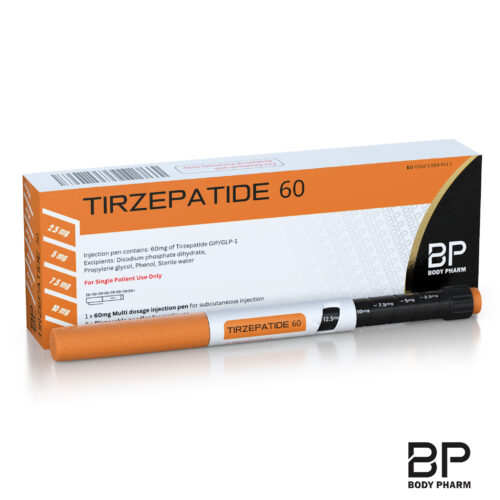
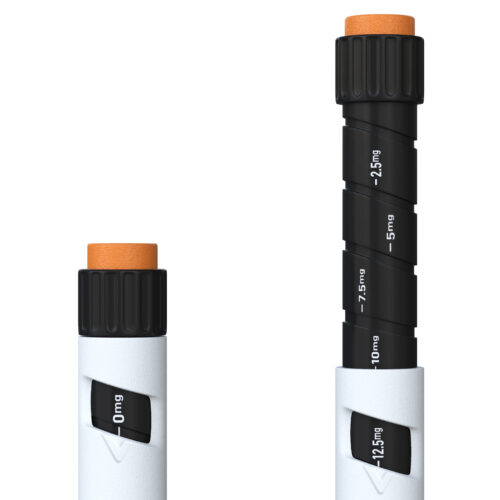
Body Pharm Tirzepatide 60 Pen
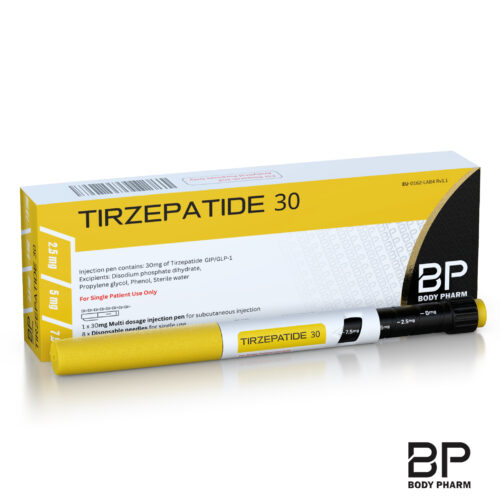

Body Pharm Tirzepatide 30 Pen
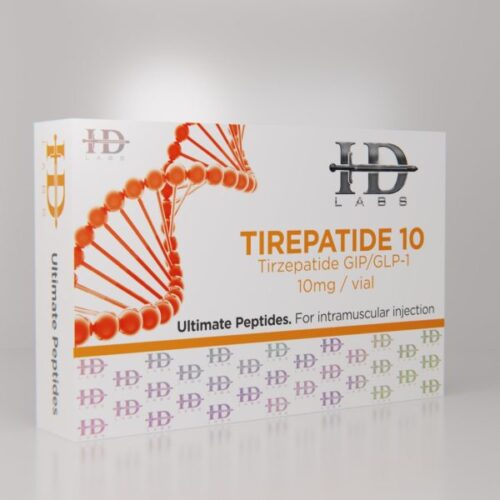
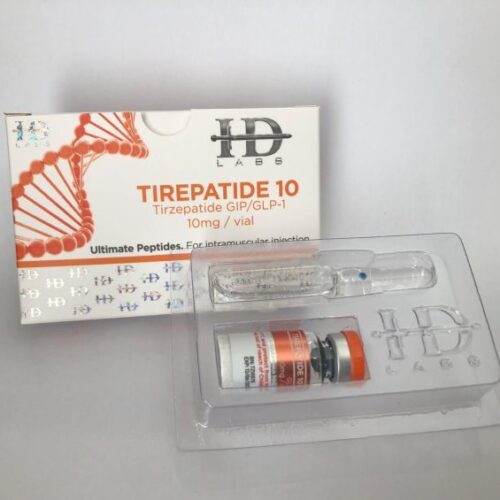
HD Labs Tirzepatide 10
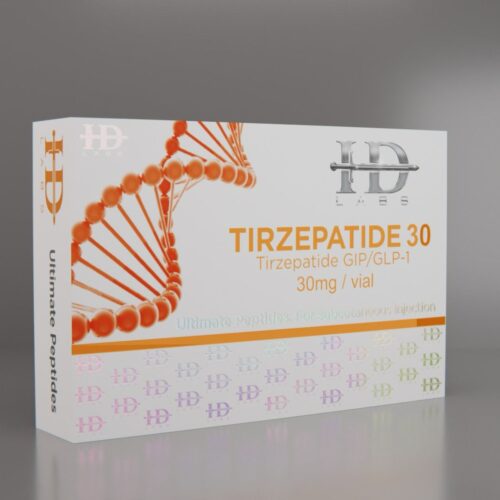
HD Labs Tirzepatide 30

HD Tirzepatide 30 pen
Tirzepatide in South Africa: Price, Dosage & 2026 Guide
Tirzepatide is available in South Africa in 2026 as SAHPRA-registered Mounjaro (Eli Lilly, locally distributed by Aspen since December 2024) for type 2 diabetes, and as unregistered compounded peptide versions (HD Labs, Body Pharm, HD Tirsema) sold by aesthetic and online clinics for off-label weight loss [1][2][4]. Zepbound is not separately SAHPRA-registered. Pricing and regulatory status differ sharply between the two categories because branded products undergo GMP manufacturing and batch testing, while compounded preparations have no independent verification of potency or sterility.
| Product | SAHPRA status (2026) | Typical ZAR price/month |
|---|---|---|
| Mounjaro (branded) | Registered, Schedule 4, T2D indication [1][4] | R3,500–R6,500 (private pharmacy) |
| Zepbound (branded) | Not registered in SA [2] | Not legally available |
| HD Labs / Body Pharm tirzepatide | Compounded, unregistered [9] | R1,800–R3,200 |
| HD Tirsema 44 (tirz + sema combo) | Compounded, unverified ratio [9][20] | R2,500–R3,800 |
Key Takeaways
- Mounjaro is SAHPRA-registered for type 2 diabetes; compounded tirzepatide pens are not verified for potency or sterility
- Tirzepatide works via dual GIP/GLP-1 receptor activation, producing stronger metabolic effects than single-receptor agonists
- Standard dosing starts at 2.5 mg weekly and escalates by 2.5 mg every four weeks to a maximum of 15 mg
- Absolute contraindications include medullary thyroid carcinoma history, MEN2 syndrome, and known hypersensitivity
- Branded Mounjaro costs R8,000–R12,000/month privately; compounded pens range R1,800–R3,500 per multi-dose pen
- Compounded tirzepatide carries regulatory and safety risks that branded Mounjaro does not
What Is Tirzepatide? The Dual-Receptor Mechanism Explained
Tirzepatide is the first dual GIP/GLP-1 receptor co-agonist approved for clinical use. A single molecule activates two gut-hormone receptors that regulate blood sugar, appetite, and fat metabolism. This dual action produces stronger metabolic effects than single-receptor agonists because both pathways work together on appetite centres and insulin secretion. Eli Lilly markets it as Mounjaro for type 2 diabetes (the SAHPRA-registered indication in South Africa) and as Zepbound for obesity and obstructive sleep apnoea in markets where that brand is registered [5][7].
| Receptor pathway | Primary clinical effect |
|---|---|
| GLP-1 (glucagon-like peptide-1) | Slows gastric emptying, suppresses appetite, stimulates glucose-dependent insulin secretion |
| GIP (glucose-dependent insulinotropic polypeptide) | Amplifies insulin response after meals, may improve adipose-tissue insulin sensitivity and lipid handling |
Why dual agonism outperforms GLP-1 alone
GLP-1 activation alone (as with semaglutide) reduces appetite and slows digestion. Adding GIP agonism enhances the metabolic response in fat tissue and amplifies insulin secretion at the pancreas. GIP signalling improves how the body handles glucose and stored fat; GLP-1 signalling delays stomach emptying and acts on brain satiety centres.
In SURMOUNT-1, adults with obesity but without diabetes lost a mean of 20.9% of body weight on 15 mg weekly tirzepatide over 72 weeks, versus 3.1% on placebo [17]. SURMOUNT-3 reported a total mean loss of roughly 25% when tirzepatide followed a 12-week intensive lifestyle programme [19].
What that means in practice
Tirzepatide reduces hunger and food intake through the combined action of both receptor pathways. SURMOUNT-4 showed the effect is treatment-dependent: participants who stopped tirzepatide after a 36-week lead-in regained 14% of body weight, while those who continued lost a further 5.5% [20]. Weight loss tracks active drug exposure, not behaviour change alone.
The locally available compounded options, such as the HD Labs Tirzepatide 30 and the higher-dose Body Pharm Tirzepatide 60 Pen, claim to deliver the same molecule. Potency and dose accuracy are not independently verified [4][13].
Tirzepatide Dosage Schedule: Starting Dose to Maximum
Tirzepatide is administered as a once-weekly subcutaneous injection into the abdomen, thigh, or upper arm. The standard schedule starts at 2.5 mg and increases by 2.5 mg every four weeks to a maximum of 15 mg [4]. The 2.5 mg starting dose is a tolerance dose, not a therapeutic one — it allows the body to adapt to GI side effects before therapeutic doses begin. Therapeutic effect begins at 5 mg and scales with each step.
The standard FDA-approved titration ladder
| Week | Weekly dose | Purpose |
|---|---|---|
| 1–4 | 2.5 mg | Initiation; GI tolerance |
| 5–8 | 5 mg | First therapeutic dose |
| 9–12 | 7.5 mg | Optional intermediate step |
| 13–16 | 10 mg | Common maintenance dose |
| 17–20 | 12.5 mg | Optional intermediate step |
| 21+ | 15 mg | Maximum dose |
Increases happen every four weeks at minimum, and only if the prior dose is tolerated [4]. Many patients stabilise at 5 mg or 10 mg rather than pushing to 15 mg, particularly when nausea, constipation, or reflux flare.
Why slow titration matters
GI side effects (nausea, vomiting, diarrhoea, constipation) are dose-dependent and most intense in the first 1–2 weeks after each step-up. The gut receptors are being activated at higher concentrations. The four-week interval lets receptors adapt and gastric emptying recalibrate, reducing nausea and vomiting severity. Jumping straight to 10 or 15 mg from a low dose materially increases the risk of severe nausea and dehydration. In SURMOUNT-1, the discontinuation rate due to adverse events tracked with dose [20].
Calculating doses from compounded multi-dose pens
Branded Mounjaro KwikPens deliver a single fixed dose per pen. Local compounded products are different: they are multi-dose devices where you draw or dial a fraction of the total. The HD Labs Tirzepatide 30 is marketed as 30 mg total per pen, which on a 5 mg/week schedule notionally yields six weekly doses, or twelve doses at 2.5 mg [1][2]. The Body Pharm Tirzepatide 60 Pen is advertised at 60 mg total, notionally covering 10–12 weeks of titration from 2.5 mg upward [1][2].
These calculations assume the label is accurate. Concentration (mg/mL), fill volume, and per-click dose accuracy are not published on manufacturer spec sheets and are not SAHPRA-verified [1][10]. Do not self-titrate. A prescribing doctor familiar with the specific product should set your schedule and confirm the volume you draw per injection.
Tirzepatide Side Effects: Full Safety Profile for 2026
Tirzepatide carries a boxed warning for thyroid C-cell tumours, including medullary thyroid carcinoma, based on rodent carcinogenicity data, and is contraindicated in anyone with a personal or family history of medullary thyroid carcinoma or Multiple Endocrine Neoplasia syndrome type 2 (MEN2) [18]. This warning applies to every tirzepatide product, branded or compounded, because the active molecule is identical.
The boxed warning and absolute contraindications
The US prescribing information for Mounjaro lists MTC and MEN2 as absolute contraindications, alongside known serious hypersensitivity to tirzepatide or any excipient [18]. Patients who notice a neck mass, persistent hoarseness, dysphagia, or shortness of breath while on therapy should stop and seek urgent assessment [18]. Compounded products such as the Body Pharm Tirzepatide 60 Pen and HD Labs Tirzepatide 30 carry this same pharmacological risk, with the added uncertainty that excipients and impurity profiles are not SAHPRA-verified [1][2].
Common and serious side effects at a glance
| Category | Effects | Notes |
|---|---|---|
| Boxed warning | Thyroid C-cell tumours, medullary thyroid carcinoma | Contraindicated in MTC/MEN2 history [18] |
| Common GI (≥5%) | Nausea, vomiting, diarrhoea, constipation, abdominal pain, dyspepsia | Dose-dependent, worst in first 1–2 weeks after each step-up [21] |
| Serious | Acute pancreatitis, gallbladder disease (cholelithiasis, cholecystitis), acute kidney injury from dehydration | Stop and seek care for severe abdominal pain radiating to the back [18] |
| Cardiovascular | Resting heart rate increase of ~2–4 bpm | Monitor in patients with arrhythmia history [18] |
| Metabolic | Hypoglycaemia, especially when combined with insulin or sulfonylureas | Dose reduction of co-therapy often required [18] |
| Other | Injection-site reactions, hypersensitivity, diabetic retinopathy complications in T2D, suicidal ideation (post-marketing signal under review) | [18] |
When to stop and seek medical help
Stop tirzepatide and contact a doctor immediately if you experience any of the following:
- Severe, persistent abdominal pain, particularly radiating to the back (possible pancreatitis)
- A new neck lump, hoarseness, or trouble swallowing
- Right upper-quadrant pain, fever, or jaundice (possible gallbladder disease)
- Signs of severe dehydration from prolonged vomiting or diarrhoea, especially with reduced urine output
- Symptoms of severe hypoglycaemia: confusion, sweating, tremor, loss of consciousness
- Facial or throat swelling, rash, or breathing difficulty (hypersensitivity)
In SURMOUNT-1, discontinuation due to adverse events rose with dose, and the GI events that drove most stoppages clustered around titration steps [21]. Compounded multi-dose pens with unverified concentration add a further variable: if a draw delivers more than the intended milligrams, side-effect severity scales accordingly [1][20].
Tirzepatide in South Africa: SAHPRA Regulatory Status 2026
Mounjaro (tirzepatide) is registered with SAHPRA for adults with type 2 diabetes and has been locally available through Aspen since December 2024 [1]. Zepbound, the obesity-specific tirzepatide brand sold in the US, is not separately registered with SAHPRA as of early 2026, which means any tirzepatide prescription for weight loss in South Africa is technically off-label use of Mounjaro [2][3]. Verify at time of reading — regulatory status changes; check the SAHPRA registered medicines database directly [4].
SAHPRA (the South African Health Products Regulatory Authority) is the country’s equivalent of the US FDA or UK MHRA. It evaluates safety, efficacy, and quality before a medicine can be legally marketed, and assigns a schedule that determines how it’s dispensed. Tirzepatide sits in the Schedule 4 prescription-only band alongside semaglutide and liraglutide, meaning it can only be supplied on a valid script from a registered prescriber [3][11].
The Section 21 pathway
Section 21 of the Medicines and Related Substances Act 101 of 1965 allows a registered doctor to apply to SAHPRA for authorisation to prescribe an unregistered medicine for a specific named patient [5]. Because Mounjaro is now registered, Section 21 is not required for standard prescriptions. It would only become relevant if a doctor sought to import a presentation (such as Zepbound or a Mounjaro KwikPen strength) not on the local register.
Where compounded peptide tirzepatide sits legally
Locally compounded tirzepatide products, including pens marketed as HD Labs Tirzepatide 30 and Body Pharm Tirzepatide 60 Pen, are not SAHPRA-registered products [4][7]. They are prepared under the general compounding provisions of the Medicines Act and the Pharmacy Council’s Good Pharmacy Practice rules, which permit named-patient sterile compounding but do not permit compounders to mass-produce copies of a registered brand or market them as interchangeable generics [5][6]. The US FDA has taken exactly this position post-shortage, restricting 503A and 503B compounders from producing tirzepatide that duplicates Mounjaro or Zepbound, and South African regulators are signalling a similar direction [12].
What this means for buyers
Three practical realities apply:
- Buying compounded tirzepatide without a prescription is illegal under Schedule 4 rules, regardless of what an online checkout allows [11].
- Compounded pens have no SAHPRA-verified potency, sterility, or stability data, unlike Mounjaro [4][20].
- Medical-scheme reimbursement (e.g., Discovery chronic benefits) applies only to registered Mounjaro for qualifying type 2 diabetes patients, never to compounded peptides [3].
Consult a registered South African GP or endocrinologist before sourcing tirzepatide from any channel.
Tirzepatide Price in South Africa: 2026 ZAR Comparison
Compounded tirzepatide in South Africa ranges from roughly R1,800 to R3,500 per multi-dose pen in 2026, while branded Mounjaro, sold through private pharmacies on prescription, typically lands in the R8,000–R12,000 per month band at maintenance doses, with Zepbound not separately registered locally [1][3][4]. The table below was verified in February 2026 against the Beskinny storefront and published price references.
| Product | Format | Total tirzepatide | Price (ZAR) | Approx. cost per mg | Local availability |
|---|---|---|---|---|---|
| Mounjaro (Eli Lilly, branded) | Single-use vial / KwikPen | Varies by strength (2.5–15 mg weekly) | ~R8,000–R12,000/month (private script) | Not directly comparable | SAHPRA-registered for T2D [1][3] |
| Zepbound (Eli Lilly, branded) | Multi-dose pen | Varies by strength | Import only; ~R18,000–R19,000/month equiv. at US list price | Not directly comparable | Not separately SAHPRA-registered [3][10] |
| HD Labs Tirzepatide 30 | Multi-dose vial | 30 mg | R1,800 | ~R60/mg | Compounded, not SAHPRA-registered [4][8] |
| HD Labs Tirzepatide 30 mg Pen | Multi-dose pen | 30 mg | R2,100 | ~R70/mg | Compounded, not SAHPRA-registered [4][8] |
| Body Pharm Tirzepatide 60 Pen | Multi-dose pen | 60 mg | R3,500 | ~R58/mg | Compounded, not SAHPRA-registered [4][8] |
How to read these numbers
Per-mg cost is the cleanest like-for-like metric across compounded pens, but it does not equal cost per weekly dose. A standard titration starts at 2.5 mg/week and steps up to 5, 7.5, 10, 12.5, or 15 mg, so a single 60 mg pen could cover anywhere from four weeks (15 mg maintenance) to roughly 12 weeks (early titration) of injections.
Branded context
US list prices sit near US$1,023/month for Mounjaro and US$1,060/month for Zepbound (2024–2025 data, GoodRx and KFF) — roughly R18,000–R19,000/month at R18/US$ before insurance or rebates [10][11][12]. South African Mounjaro pricing through Aspen channels is materially lower than US list, but still 3–5× the cost of local compounded pens [1][3]. Prices change frequently; reconfirm at point of purchase.
Branded vs Compounded Tirzepatide: Key Differences
Branded tirzepatide (Mounjaro) is a SAHPRA-registered, GMP-manufactured pharmaceutical with published batch testing and pre-dosed delivery devices. Compounded tirzepatide pens sold in South Africa are unregistered peptide preparations whose purity, concentration, and dose accuracy are not independently verified [12][5]. That single distinction drives almost every other trade-off below. GMP manufacturing includes documented quality controls, stability testing, and sterility assurance that compounding pharmacies are not required to publish.
| Dimension | Branded (Mounjaro/Zepbound) | Compounded peptide tirzepatide (SA) |
|---|---|---|
| Regulatory approval | Mounjaro SAHPRA-registered for T2D since December 2024; Zepbound not separately listed [12][13][14] | Not SAHPRA-registered; sold as compounded preparations [4][5] |
| Manufacturing | Eli Lilly GMP-certified facilities | Compounding pharmacies or peptide labs; no harmonised SA standard [3][10] |
| Purity & sterility | Batch-tested, published stability and impurity data per FDA/EMA filings [1] | Quality depends on supplier; no public certificates of analysis for HD Labs or Body Pharm products [5][6] |
| Dose precision | Pre-filled, fixed-dose pen (2.5/5/7.5/10/12.5/15 mg clicks) [1] | Multi-dose vials/pens; user measures volume by units on syringe or pen dial; concentration not always disclosed [5] |
| Price (SA, 2025–2026) | ~R8,000–R12,000/month private script for Mounjaro; Zepbound ~R18,000–R19,000 equiv. at US list [10][11] | R1,800 (HD Labs Tirzepatide 30) to R3,500 (Body Pharm Tirzepatide 60 Pen) per pen [4] |
| Legal status in SA | Schedule 4, prescription-only, dispensed through registered pharmacies [12][14] | Compounded on a named-patient basis under the Medicines Act and GPP rules; legally grey when mass-marketed online [9][10] |
| Clinical evidence | All SURMOUNT trials (SURMOUNT-1 through -4) used Eli Lilly’s branded tirzepatide [17][18][19][20] | Zero RCT data; efficacy and safety inferred, not demonstrated |
Why some patients still choose compounded
Cost is the honest answer. A SURMOUNT-1 patient on 15 mg achieved a mean −20.9% body-weight loss at 72 weeks on branded drug [17]. Replicating that protocol on Mounjaro in South Africa runs to roughly R90,000–R130,000 over 18 months at private-script rates, versus a fraction of that on compounded pens. Access matters too: Zepbound is not separately registered with SAHPRA, so weight-loss-indication patients are using Mounjaro off-label or sourcing alternatives [13][14].
The trade-offs you accept
Buying compounded means accepting uncertain potency per milligram, no independent sterility guarantee, and no recourse if a batch is sub-standard. The US FDA, after tirzepatide left its shortage list in 2024, has actively restricted 503A/503B compounding of tirzepatide copies and issued enforcement actions [7][8]. SAHPRA has not published a tirzepatide-specific circular as of early 2026, but the regulatory direction internationally is clearly tightening.
Available Tirzepatide Products at Beskinny: Dosages & Formats
Beskinny stocks three single-agent tirzepatide SKUs plus one combination peptide pen, all supplied as compounded preparations rather than SAHPRA-registered Mounjaro [10][14]. The table below summarises format, total active content, and the titration window each pen is marketed to cover.
| Product | Format | Total tirzepatide | Marketed use case |
|---|---|---|---|
| HD Labs Tirzepatide 30 | Multi-dose vial | 30 mg | Initiation and early titration (2.5–5 mg weekly), ~6–10 weeks of supply [3] |
| HD Labs Tirzepatide 30 mg Pen | Pre-filled multi-dose pen | 30 mg | Same total dose as the vial, delivered via metered pen for users who prefer not to draw with a syringe [3] |
| Body Pharm Tirzepatide 60 Pen | Pre-filled multi-dose pen | 60 mg | Mid-to-late titration (7.5–15 mg weekly); roughly 4–8 weeks of supply depending on dose [10] |
| HD Tirsema 44 Pen | Pre-filled multi-dose pen | 44 mg total peptide (tirzepatide + semaglutide combination; exact ratio not disclosed by the compounder) | Marketed as a dual-agonist option; ratio and pharmacokinetics are unverified [3][16] |
Concentration in mg/mL and the exact number of metered clicks per pen are not consistently published by either compounder, so dose accuracy depends on the dispensing pharmacist’s instructions [3][10]. I treat any printed “10-week schedule” on these pens as a marketing estimate, not a validated dose count.
Storage and injection basics
Store all four products in a fridge at 2–8°C and never freeze them. Eli Lilly’s prescribing information for branded Mounjaro allows up to 21 days at room temperatures below 30°C once in use [7]. Compounded pens have no equivalent stability data, so I default to keeping them refrigerated except during the injection itself. Inject subcutaneously into the abdomen, thigh, or upper arm once weekly, rotating sites, and discard any pen showing cloudiness, particulates, or discolouration.
Browse the full tirzepatide range at Beskinny before deciding which strength matches your current titration step.
Who Should Not Use Tirzepatide: Contraindications
Tirzepatide is contraindicated in anyone with a personal or family history of medullary thyroid carcinoma (MTC), Multiple Endocrine Neoplasia syndrome type 2 (MEN2), or a known hypersensitivity to tirzepatide or any excipient in the formulation [7]. These are absolute contraindications carried directly from Eli Lilly’s prescribing information for Mounjaro and apply equally to compounded peptide versions sold locally, because the active molecule is the same [7].
The relative cautions are broader and require a prescriber’s judgement rather than a self-assessment.
| Category | Condition | Why it matters |
|---|---|---|
| Absolute | Personal/family history of MTC | Rodent studies showed dose-dependent thyroid C-cell tumours; human risk unquantified [7] |
| Absolute | MEN2 syndrome | Elevated baseline risk of medullary thyroid cancer [7] |
| Absolute | Hypersensitivity to tirzepatide | Risk of anaphylaxis and angioedema [7] |
| Caution | History of pancreatitis | Acute pancreatitis reported in SURMOUNT and SURPASS trials [13][14] |
| Caution | Severe gastroparesis or GI disease | Tirzepatide slows gastric emptying and can worsen symptoms [7] |
| Caution | Pregnancy or breastfeeding | No adequate human data; discontinue if pregnancy is planned [7] |
| Not indicated | Type 1 diabetes | SAHPRA approval covers type 2 diabetes only [4][17] |
| Caution | Severe renal impairment | Dehydration from GI side effects can precipitate acute kidney injury [7] |
Compounded tirzepatide from HD Labs or Body Pharm has no separate safety dataset, so the same exclusions apply. A South African doctor must screen for thyroid history, pancreatitis, and renal function before prescribing, and continue monitoring at each dose escalation. This is not a medication to source and self-administer based on a friend’s experience.
Tirzepatide vs Other Weight Loss Options in South Africa
Tirzepatide produces greater average weight loss than semaglutide in head-to-head trial data, sits below the experimental triple agonist retatrutide on early efficacy figures, and outperforms oral weight-loss tablets by a wide margin. For most South African adults with obesity or type 2 diabetes in 2026, it remains the strongest evidence-backed injectable currently registered with SAHPRA [1][3].
| Option | Mechanism | Best evidence (weight loss) | SA status 2026 |
|---|---|---|---|
| Tirzepatide (Mounjaro) | Dual GIP/GLP-1 agonist | −20.9% at 72 weeks, 15 mg (SURMOUNT-1) [18] | SAHPRA-registered for T2D; off-label for obesity [1][3] |
| Semaglutide (Ozempic/Wegovy) | GLP-1 agonist | −9.6% HbA1c-matched weight loss vs tirzepatide’s −13.1% (SURPASS-2, 40 weeks) | Ozempic registered for T2D; Wegovy not yet locally registered [3] |
| Retatrutide | Triple GIP/GLP-1/glucagon agonist | Up to −24.2% at 48 weeks (Phase 2) | Not approved anywhere; compounded peptide only |
| Oral weight-loss tablets | Various (appetite suppressants, lipase inhibitors) | Typically 3–8% over 12 months | Several registered, weaker evidence |
Semaglutide: the closest registered alternative
In SURPASS-2, tirzepatide 15 mg weekly produced larger HbA1c and body-weight reductions than semaglutide 1 mg weekly over 40 weeks in adults with type 2 diabetes. For weight-loss-focused users in South Africa, Wegovy (semaglutide 2.4 mg) is not yet locally registered, so the practical choice is often between Mounjaro and compounded tirzepatide pens like the HD Labs Tirzepatide 30 or the higher-strength Body Pharm Tirzepatide 60 Pen [3].
Retatrutide: the next-generation contender
Retatrutide is a triple agonist (GIP, GLP-1, glucagon) currently in Phase 3 trials, with Phase 2 data published by Jastreboff et al. (NEJM, 2023) showing up to 24.2% mean weight loss at 48 weeks. It is not registered with SAHPRA or any major regulator in 2026, and any local retatrutide product is a research-grade compounded peptide, not an approved medicine. Tirzepatide remains the safer evidence-based choice until retatrutide completes Phase 3 and pursues registration.
Frequently Asked Questions: Tirzepatide South Africa 2026
Is tirzepatide available in South Africa?
Yes. Mounjaro (tirzepatide) has been available in South Africa since December 2024, when Aspen confirmed local launch following SAHPRA registration for type 2 diabetes in adults with inadequately controlled glycaemia [2]. Compounded tirzepatide peptide pens from suppliers like HD Labs and Body Pharm are marketed locally, but these are not SAHPRA-registered products [1][6].
Do I need a prescription for tirzepatide in South Africa?
Yes. Tirzepatide is a prescription-only medicine in South Africa, sitting in the Schedule 4 band alongside other GLP-1 agonists, and Mounjaro is dispensed only against a doctor’s script through private pharmacies [1][2]. Compounded tirzepatide pens should be supplied on a named-patient basis under a prescriber’s direction, not sold over the counter [4][5].
How long does it take for tirzepatide to work?
Appetite suppression typically begins within 1–2 weeks of the first 2.5 mg dose, with clinically meaningful weight loss emerging from week 12 onward as the dose escalates. In SURMOUNT-1 (Jastreboff et al., JAMA 2022), mean weight loss reached −15.0% to −20.9% by week 72 at maintenance doses of 5–15 mg weekly [21].
Can I use tirzepatide if I don’t have diabetes?
In South Africa, yes, but only off-label. Zepbound (tirzepatide for obesity) is not separately registered with SAHPRA as of 2026, so non-diabetic adults using tirzepatide for weight loss are doing so off-label under a doctor’s discretion. Only liraglutide (Saxenda) is currently SAHPRA-registered specifically for obesity [1].
What is the difference between tirzepatide and semaglutide?
Tirzepatide is a dual GIP/GLP-1 receptor agonist; semaglutide is a GLP-1 agonist only. In the head-to-head SURPASS-2 trial in type 2 diabetes, tirzepatide 15 mg produced larger HbA1c and weight reductions than semaglutide 1 mg over 40 weeks [1].
Is compounded tirzepatide safe?
Compounded tirzepatide carries higher uncertainty than branded Mounjaro. Potency, sterility, and beyond-use dating of products like the HD Labs Tirzepatide 30 or Body Pharm Tirzepatide 60 Pen are not independently verified, and the US FDA has moved to restrict compounded tirzepatide since the 2024 shortage resolution [6][8].
Next Steps: How to Source Tirzepatide Safely in South Africa
If you have type 2 diabetes or obesity and are considering tirzepatide, start by consulting a registered South African GP, endocrinologist, or weight-loss specialist. A doctor can assess your thyroid history, pancreatitis risk, renal function, and current medications before prescribing. If you qualify, ask about branded Mounjaro through a private pharmacy, which carries SAHPRA verification and batch testing. If cost is a barrier, discuss the risks and benefits of compounded tirzepatide with your prescriber, who can then source and monitor a specific product with known concentration and sterility standards. Never self-source or self-dose tirzepatide from online retailers without a doctor’s oversight, regardless of price. The boxed warning for medullary thyroid carcinoma and the dose-dependent side-effect profile demand professional supervision.