NAD+
R380,00
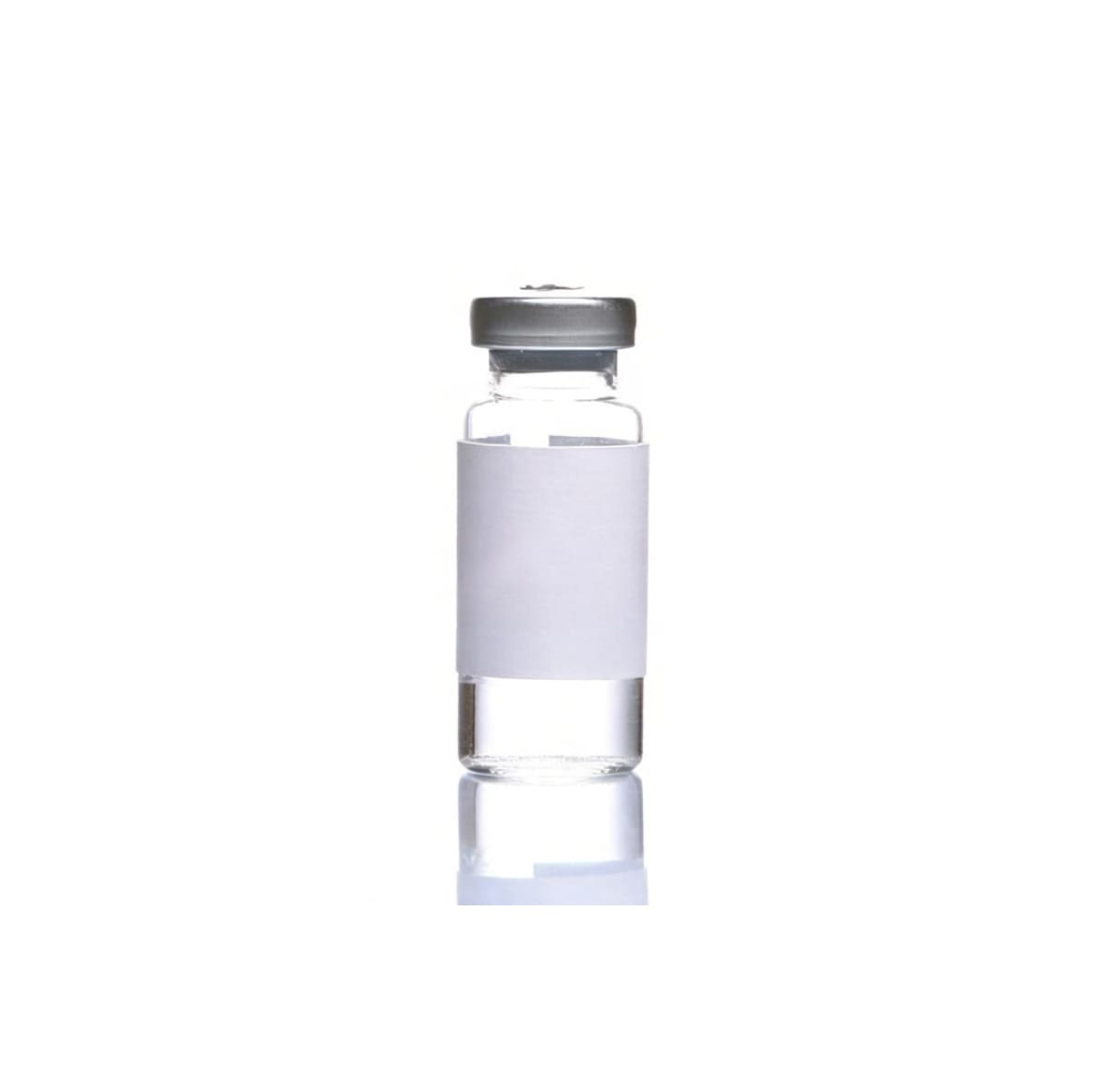
NAD+ 600mg Vial with 4ml Sterile Water
NAD+ supplementation is ideal for those seeking improved energy, faster recovery, better mental focus, and long-term anti-aging benefits. It’s especially useful for high performers, those under chronic stress, or anyone wanting to slow the effects of aging and stay mentally and physically sharp.
Out of stock
Description
NAD+ Supplement Injection: Benefits, Dosage & Where to Buy
NAD+ supplement injection delivers nicotinamide adenine dinucleotide (NAD+) — a coenzyme central to cellular energy and DNA repair — directly into the body via intramuscular (IM), subcutaneous (SubQ), or intravenous (IV) routes, bypassing oral absorption losses. South African buyers access NAD+ through compounding pharmacies on prescription or via at-home injectable vials such as the Beskinny 600 mg NAD+ vial. Protocols range from 50–100 mg IM/SubQ weekly to 500–1,000 mg IV infusions.
In this guide, you will learn:
- How injectable NAD+ works and why levels decline with age.
- Evidence-based dosage, side effects, and realistic timelines for results.
- Where to legally buy injectable NAD+ in South Africa, with pros and cons of each option.
Key Takeaways
- NAD+ declines roughly 50% between your 20s and 60s, driven by upregulated CD38 enzyme activity and a slowing salvage pathway biosynthesis.
- Injectable NAD+ bypasses gut degradation, delivering near-complete systemic availability versus an estimated 20–40% from oral NMN or NR precursors.
- Five evidence-supported benefits: cellular energy, sirtuin/DNA repair activation, cognitive clarity, recovery, and metabolic/insulin sensitivity.
- Standard at-home protocol: 50 mg SubQ/IM 2–3x weekly (week 1), titrating to 100 mg 2x weekly.
- Common side effects: transient flushing, mild nausea, brief chest tightness — almost always tied to injection speed.
- Risks and contraindications: pregnancy, breastfeeding, active cancer, and concurrent oncology treatment.
- South African pricing: clinic IV drips cost R2,500–R10,000 per session; at-home vials cut per-dose cost substantially.
What Is NAD+ and Why Levels Decline With Age
NAD+ levels fall with age primarily because the NAD+-consuming enzyme CD38 increases in older tissue, while the biosynthetic salvage pathway slows. Researchers documented this dual effect in Camacho-Pereira et al. (2016, Cell Metabolism)30084-6).
NAD+ (nicotinamide adenine dinucleotide) is a coenzyme present in every living cell. NAD+ shuttles electrons during ATP (adenosine triphosphate) production and fuels sirtuins and PARP (poly-ADP ribose polymerase) enzymes — the proteins that repair DNA, regulate genes, and maintain mitochondrial function. Without sufficient NAD+, cells cannot generate energy efficiently or repair daily damage, which is why NAD+ levels correlate tightly with biological age.
Inside the mitochondria, NAD+ accepts electrons from glucose and fatty acid breakdown and becomes NADH. NADH then drives the electron transport chain, producing roughly 90% of your cellular ATP. NAD+ also activates SIRT1 and SIRT3 — the “longevity enzymes” central to David Sinclair’s research at the Harvard Sinclair Lab — which silence inflammatory genes and protect mitochondrial integrity (Covarrubias et al., 2021, Nature Reviews Molecular Cell Biology).
The decline is steep and measurable. Skin biopsy data from Massudi et al. (2012, PLOS ONE) found NAD+ concentrations in donors aged 60–70 were roughly half those of donors aged 20–30. This NAD+ loss drives the oxidative stress that accelerates cellular ageing. Camacho-Pereira et al. (2016)30084-6) attributes much of the loss to age-related upregulation of CD38, supported by NIH longevity research programmes.
The downstream consequences are exactly what most adults aged 40–55 describe: persistent fatigue, slower post-exercise recovery, brain fog, blunted insulin sensitivity, and visible skin ageing. Some readers may worry whether the science here is settled — the mechanism (CD38 upregulation reducing NAD+) is well established, while the clinical magnitude of restoring NAD+ in humans remains an active research area. As a result, injectable NAD+ — and complementary peptides such as the Body Pharm GHK-Cu 50 Pen for collagen and skin repair — has become a cornerstone of the wellness injections category for South Africans treating cellular ageing as a modifiable variable.
Injectable NAD+ vs Oral Supplements
Injectable NAD+ delivers the molecule directly into systemic circulation. Oral NMN (nicotinamide mononucleotide) and NR (nicotinamide riboside) supplements, by contrast, must survive stomach acid, gut microbial degradation, and hepatic first-pass metabolism before cells convert them into usable NAD+. This route difference is the single biggest reason South African biohackers move from capsules to vials: bypassing the gut means the dose you inject closely matches the dose your cells receive.
Skeptical readers may ask whether injection is worth the extra effort. The short answer: when you have already tried oral NMN or NR for 8–12 weeks without measurable change, the route — not the molecule — is often the limiting factor.
Bioavailability: why route matters
Oral NAD+ itself is essentially useless. The intact molecule degrades in the gut before reaching the bloodstream, which is why oral protocols rely on NMN or NR precursors that cells must enzymatically convert to NAD+ (Irie et al., 2020, npj Aging and Mechanisms of Disease). No published head-to-head randomised controlled trial (RCT) directly compares oral precursor bioavailability to injectable NAD+ in humans. Compounding pharmacy data and clinical practitioners consistently report near-100% systemic availability for injected NAD+ versus an estimated 20–40% effective conversion from oral precursors (Conze et al., 2019, Scientific Reports). Treat the “100%” figure as clinically reasonable rather than peer-reviewed gospel — the evidence gap is real.
IM, SubQ, and IV: three routes, three trade-offs
Intramuscular (IM) injection into the deltoid or glute creates a slow-release depot. Absorption runs over 30–90 minutes with minimal flushing — the route most South African at-home users choose.
Subcutaneous (SubQ) injection into abdominal fat is gentler still, slightly slower in onset, and the easiest for needle-averse beginners.
Intravenous (IV) drips administered in a clinic produce the fastest plasma spike but require 2–4 hour infusions. The slow drip prevents the chest tightness, nausea, and vasodilation that occur when NAD+ activates purinergic receptors too quickly (Braidy et al., 2019, Antioxidants & Redox Signaling).
Cost and convenience in South Africa
IV NAD+ drips at Johannesburg, Cape Town, and Durban wellness clinics typically run R2,000–R6,000 per session, with most protocols recommending 4–10 sessions. The Beskinny 600 mg NAD+ vial, by contrast, supports at-home IM or SubQ self-administration. At-home dosing drops per-dose cost dramatically while preserving the bioavailability advantage — the same logic driving uptake across the broader South African wellness and biohacking market.
Top 5 Benefits of NAD+ Injections
Injectable NAD+ delivers five evidence-supported benefits:
- Enhanced cellular energy via mitochondrial ATP synthesis.
- Activation of longevity pathways through sirtuins and DNA repair.
- Improved cognitive function.
- Reduced inflammation and faster physical recovery.
- Better metabolic and insulin sensitivity.
The strongest human data sits in metabolic and cognitive endpoints. Longevity claims remain mechanistically plausible but clinically unproven — readers should weigh that uncertainty against the cost of long-term protocols.
1. Cellular energy and mitochondrial ATP synthesis
NAD+ is the obligate cofactor for Complex I of the electron transport chain. Every ATP molecule your mitochondria produce depends on adequate NAD+ supply. Rajman, Chwalek and Sinclair’s 2018 review in Cell Metabolism documents how restoring NAD+ rescues mitochondrial function in aged tissue, reversing pseudohypoxia and re-establishing nuclear-mitochondrial communication (Rajman et al., 2018, Cell Metabolism30005-1)). Users typically report the energy lift within 24–72 hours of their first IM dose.
2. Sirtuin activation and DNA repair
NAD+ is the rate-limiting substrate for SIRT1 and SIRT3. These enzymes regulate DNA repair, genomic stability, and cellular senescence. Gomes et al. (2013) showed that raising NAD+ in aged mice reversed mitochondrial decline within one week, with effects mediated through SIRT1 (Gomes et al., 2013, Cell01521-3)). Massudi et al. quantified roughly a 50% NAD+ decline in human skin between donors aged 20–30 and 60–70 — the deficit injection therapy aims to correct (Massudi et al., 2012, PLOS ONE).
3. Brain health and cognitive clarity
NAD+ supports neuronal energetics, axonal integrity, and the SARM1-dependent pathway that governs neurodegeneration. Hou et al. (2018) demonstrated in an Alzheimer’s mouse model that replenishing NAD+ improved cognitive performance, reduced neuroinflammation, and enhanced DNA repair in hippocampal neurons (Hou et al., 2018, PNAS). Anecdotally, South African users describe the cognitive effect as “lifted brain fog” rather than stimulant-like sharpening — consistent with restored baseline metabolism rather than receptor agonism.
4. Recovery and reduced inflammation
NAD+ injection lowers oxidative stress markers and accelerates recovery by fuelling PARP-mediated DNA repair after exercise-induced damage. Braidy et al. (2019) review evidence that administering NAD+ precursors reduces pro-inflammatory cytokines (IL-6, TNF-α) and improves redox balance in human and animal trials (Braidy et al., 2019, Antioxidants & Redox Signaling). For aesthetic and skin-repair stacking, the Body Pharm GHK-Cu 50 Pen pairs naturally with NAD+, combining mitochondrial support with collagen-synthesis signalling.
5. Metabolic support and insulin sensitivity
The cleanest human RCT in this space is Yoshino et al. (2021). Researchers gave 25 prediabetic postmenopausal women 250 mg/day NMN for 10 weeks. The trial demonstrated significantly improved muscle insulin sensitivity and upregulated PPARGC1A, a master regulator of mitochondrial biogenesis (Yoshino et al., 2021, Cell Metabolism00271-3)). Body composition did not shift in 10 weeks. Set expectations accordingly: NAD+ optimises the metabolic machinery, but fat loss still requires the usual energy-balance levers.
Who Should Consider NAD+ Supplementation
Injectable NAD+ suits adults aged 35 and over who experience measurable declines in energy, recovery, or cognitive sharpness — particularly those whose lifestyles already optimise sleep, training, and nutrition but who feel they have hit a ceiling. The intervention makes most sense when oral NMN or NR precursors have plateaued or when faster, higher systemic exposure is the goal.
Ideal candidates
The clearest fit is the high-performing professional or athlete who reports persistent fatigue despite good baselines. Examples include:
- Founders and executives running on chronic cortisol load.
- Masters-category athletes seeking faster recovery from PARP-mediated DNA damage post-training.
- Adults aged 40–60 whose NAD+ levels have dropped roughly 50% compared with their twenties (Massudi et al., 2012, PLOS ONE).
- Burnout sufferers, perimenopausal women navigating metabolic shifts, and biohackers running structured longevity stacks.
Those exploring broader protocols may want to review the full wellness injections range to map NAD+ against complementary options.
Contraindications and cautions
NAD+ is not appropriate for everyone, and readers should weigh these risks before starting. Pregnant or breastfeeding women should avoid NAD+ — no safety data exists in this population. Individuals with active malignancies or a recent cancer history should consult their oncologist first. NAD+ is a cofactor for sirtuins and PARPs, and Nacarelli et al. (2019) showed senescent cells can exploit NAD+ biosynthesis to drive a pro-tumorigenic secretory phenotype (Nature Cell Biology). Anyone on chemotherapy, immunosuppressants, or experimental oncology drugs should treat NAD+ as a prescription-level decision, not a wellness add-on.
Stacking for synergy
For users focused on skin, recovery, and aesthetic outcomes, the Body Pharm GHK-Cu 50 Pen stacks logically with NAD+. Restoring mitochondrial function paired with copper-peptide collagen signalling addresses both cellular energy and structural repair. Always clear new protocols with a registered medical practitioner before starting.
NAD+ 600 mg Vial: Dosage Protocol
The Beskinny 600 mg NAD+ vial ships as a lyophilised (freeze-dried) vial. Reconstitute the vial with 4 ml bacteriostatic or sterile water to yield a 150 mg/ml solution. One vial delivers 6–12 SubQ or IM doses depending on your weekly dose size.
Most users start at 50 mg (0.33 ml) two to three times weekly. From week two onward, they titrate up to 100 mg (0.67 ml) twice weekly. This conservative ramp mirrors compounding pharmacy protocols and minimises the flushing, nausea, and chest tightness that rapid NAD+ delivery can cause. New users often worry the protocol is too aggressive; the slow titration directly addresses that concern.
Dosing schedule
| Week | Dose | Frequency | Route |
|---|---|---|---|
| Week 1 (titration) | 50 mg | 2–3x per week | SubQ or IM |
| Week 2+ (maintenance) | 100 mg | 2x per week | SubQ or IM |
| Optional pulse | 150–200 mg | 1x per week | IM preferred |
This protocol aligns with published compounding pharmacy NAD+ dosing charts for self-administered injections. The protocol sits well below clinical IV protocols, which typically deliver 500–1,000 mg per session over 2–4 hours (Braidy et al., 2019, Antioxidants & Redox Signaling).
Injection technique and timing
SubQ injection into the abdomen or thigh, using a 29–31G insulin syringe, is the most tolerable route for at-home use. IM delivery into the deltoid or vastus lateralis offers faster systemic uptake but produces more localised soreness. Inject in the morning — NAD+ supports circadian sirtuin activity and can disrupt sleep when dosed late. Rotate sites weekly to prevent fibrosis.
Users stacking with the Body Pharm GHK-Cu 50 Pen should space injections 12 hours apart. Those building broader protocols can cross-reference dose timing across the wellness injections range.
How to reconstitute your NAD+ vial
Reconstituting a 600 mg NAD+ lyophilised vial requires sterile water, an insulin syringe, alcohol swabs, and unhurried technique. The entire process takes under three minutes and determines whether your full dose stays bioactive or oxidises within days. Foaming is the single biggest cause of potency loss because agitation denatures the molecule and accelerates degradation (USP Compounded Preparations guidelines).
Follow these steps in order:
- Gather supplies on a clean surface: your NAD+ powder vial, a 5 ml vial of bacteriostatic or sterile water, a 3 ml reconstitution syringe (21G), a 29–31G insulin syringe for injection, and two alcohol swabs.
- Wipe both vial tops (NAD+ and sterile water) with a fresh alcohol swab and let the tops air-dry for 10 seconds.
- Draw 4 ml of sterile water into the reconstitution syringe — this volume yields a 150 mg/ml concentration.
- Inject the water slowly down the inner wall of the vial at a 45° angle — never blast water directly onto the powder, which causes foaming and degrades the molecule.
- Swirl gently in a circular motion until the powder dissolves. Do not shake.
- Inspect the solution — the liquid should be clear to pale yellow with no particulates. Discard if cloudy.
- Draw your prescribed dose into a fresh insulin syringe (e.g. 0.33 ml = 50 mg).
- Administer SubQ or IM per your protocol, rotating sites.
- Refrigerate the remainder at 2–8 °C in its original vial, protected from light, and use within 28 days.
Safety note: Use a fresh sterile needle for every injection — never re-enter the vial with a used needle. Users running parallel protocols with the Body Pharm GHK-Cu 50 Pen or other wellness injections should label vials clearly to avoid mix-ups.
Side Effects: What to Expect
Injectable NAD+ is generally well tolerated. A substantial proportion of users experience transient flushing, warmth, or mild chest tightness — particularly when they push the injection too quickly. The fix is mechanical: slow the plunger down.
In IV clinical settings, infusions of 500–1,000 mg deliberately stretch over 2–4 hours because rapid delivery overwhelms the body’s capacity to metabolise NAD+. Fast delivery triggers vasodilation via purinergic receptor activation and mast cell mediators (Braidy et al., 2019, Antioxidants & Redox Signaling). The same principle applies to IM and SubQ shots — push over 30–60 seconds, not 5.
The flushing relates mechanistically to niacin flush (NAD+ is downstream of vitamin B3) and is harmless, typically resolving within 10–15 minutes. Other commonly reported effects include mild nausea, transient headache, brief muscle tension, and occasional digestive discomfort. Injection-site redness or tenderness is normal and resolves within hours.
Many first-time users worry the flushing signals an allergic reaction. Flushing does not indicate allergy — but should symptoms intensify, persist beyond 30 minutes, or include difficulty breathing, stop and seek medical attention. Start at 50 mg for your first three injections to gauge personal tolerance before titrating to 100 mg. Should flushing become uncomfortable, halve your injection speed and ensure the solution sits at room temperature before administration. This guidance is educational, not medical advice — consult your doctor before starting, especially when you have a history of malignancy, are pregnant, or take prescription medications.
What Results to Expect: Week-by-Week
On a 100 mg twice-weekly protocol, most users report a recognisable pattern of cumulative benefits. Subjective changes emerge between week two and week four, while measurable cellular effects accrue through week eight and beyond. Individual response varies based on baseline NAD+ levels, age, sleep quality, and metabolic health.
Week 1: Adjustment phase
Expect mild flushing, transient warmth, and possibly a brief energy lift within hours of injection. A subset of users report slightly disrupted sleep on injection nights — administer in the morning to avoid this disruption. No meaningful biomarker changes occur yet; this week tests tolerance.
Weeks 2–3: Sleep and cognitive clarity
Users typically report deeper sleep, fewer afternoon energy crashes, and a clearer “morning start.” Cognitive effects — sharper word recall, easier task-switching — begin to surface but remain subtle. This timeline aligns with the intracellular NAD+ repletion kinetics observed in NMN trials, where blood metabolite shifts appeared within 2–3 hours but functional changes took weeks (Irie et al., 2020, npj Aging).
Weeks 4–6: Recovery and sustained focus
Physical recovery improvements become more obvious: faster gym bounce-back, reduced delayed-onset muscle soreness (DOMS), and steadier daily energy. Mental stamina during long work sessions noticeably extends. Users stacking with the Body Pharm GHK-Cu 50 Pen often report visible skin improvements emerging in this window.
Week 8+: Cumulative metabolic benefits
Most peer-reviewed NAD+ precursor trials run 8–12 weeks because measurable shifts in NAD+ metabolome and downstream markers require this duration (Conze et al., 2019, Scientific Reports). Consistency matters more than dose escalation — sporadic injections deliver sporadic results. Wondering whether to keep going past week eight? The data argues yes: the largest changes show up here. Users committing to a structured protocol alongside other wellness injections report the most durable outcomes.
NAD+ Injections in South Africa: Where to Buy
South African buyers have two practical routes: in-clinic IV drips at premium wellness centres, or at-home injectable vials from specialist online suppliers.
Clinic IV NAD+ sessions in Johannesburg, Cape Town, and Sandton typically run R2,500–R6,500 per infusion, with high-dose 750–1,000 mg protocols at premium venues reaching R8,000–R10,000. For most users, that pricing is unsustainable as an 8–12 week protocol — the exact duration peer-reviewed precursor trials require for measurable change (Conze et al., 2019, Scientific Reports).
At-home injectable vials change the maths considerably. A Beskinny 600 mg NAD+ vial reconstitutes into roughly six 100 mg doses, delivering equivalent total NAD+ at a fraction of clinic pricing across an 8-week protocol. The trade-off: at-home use requires you to manage reconstitution, sterile technique, and dosing yourself, whereas a clinic handles all of that.
Pricing referenced above is current as of mid-2024; confirm with the supplier or clinic before committing.
Is NAD+ legal to self-administer in South Africa?
Yes. Injectable NAD+ is not a scheduled substance under the Medicines and Related Substances Act and sells legally as a wellness compound in South Africa. The South African Health Products Regulatory Authority (SAHPRA) regulates compounded preparations, and supplier transparency on sourcing matters more here than in jurisdictions with registered NAD+ products. Pharmaceutical-grade lyophilised powder, sterile manufacturing, clear vial labelling with concentration and batch information, and explicit reconstitution instructions are non-negotiable.
Beskinny: national shipping and stack options
Beskinny ships NAD+ vials nationwide via secure checkout and stocks the broader wellness injections range users typically stack with — including the Body Pharm GHK-Cu 50 Pen for skin and collagen synergy, Body Pharm Somatropin for human growth hormone (HGH) protocols, and TB500 for recovery.
Should the NAD+ vial show out of stock, use the restock notification on the product page. Supply runs intermittent given compounding lead times, and notified buyers get first access on the next batch.
NAD+ Stacking With Other Wellness Protocols
Experienced biohackers rarely use NAD+ in isolation — NAD+ functions as the metabolic backbone of a stack, with each addition targeting a different longevity pathway. A common reader concern: “Is stacking safe?” The honest answer is that combining injectable compounds raises risk, and any multi-protocol stack should run past a registered medical practitioner first. The three combinations below are the most common in South African protocols.
NAD+ with GHK-Cu peptide for skin
The GHK-Cu peptide pairs naturally with NAD+ because both upregulate cellular repair, but via different routes. NAD+ drives sirtuin and PARP-mediated DNA repair; GHK-Cu stimulates fibroblast collagen and elastin synthesis. Users running aesthetic-focused protocols often inject the Body Pharm GHK-Cu 50 Pen on alternating days from NAD+ to compound the regenerative effect.
NAD+ with Somatropin and TB500 for recovery
Adding Body Pharm Somatropin layers anabolic and tissue-repair signalling on top of NAD+’s mitochondrial uplift. This combination is relevant for athletes or those rehabilitating an injury alongside TB500. Somatropin/HGH protocols require medical oversight given the endocrine impact.
NAD+ with resveratrol (the Sinclair stack)
David Sinclair publicly takes 1,000 mg NMN with 1,000 mg resveratrol and a fat source each morning. The rationale: resveratrol activates SIRT1 only when NAD+ substrate is sufficient. Add a B-complex for methylation support — NAD+ metabolism consumes methyl donors — and the stack is metabolically complete. NAD+ is compatible with glucagon-like peptide-1 (GLP-1) weight-loss protocols for users wanting metabolic and mitochondrial support in parallel.
Frequently Asked Questions
Is injectable NAD+ legal in South Africa?
Yes. Injectable NAD+ is not listed as a scheduled substance under the Medicines and Related Substances Act and is sold through wellness retailers alongside the broader wellness injections category. South African adults can purchase NAD+ for personal use, though sourcing from a reputable supplier with verified purity is essential.
How long does one 600 mg vial last?
A single 600 mg vial typically lasts 6–12 doses depending on protocol. Users on a 50 mg SubQ maintenance dose get roughly 12 injections per vial, while those running 100 mg IM sessions deplete a vial in 6 doses. Once reconstituted with bacteriostatic water, store the vial refrigerated at 2–8 °C and use within approximately 28 days.
Can I inject NAD+ myself at home?
Yes — both IM and SubQ NAD+ suit self-administration with proper aseptic technique. SubQ injections into abdominal fat are the easiest entry point, using insulin-style needles, alcohol swabs, and a slow push to minimise the histamine flush most users experience. IV administration, by contrast, requires a clinician.
How quickly will I feel results?
A subset of users report sharper energy and mental clarity within the first few days of consistent dosing. The full mitochondrial and sirtuin-mediated benefits build over 4–8 weeks. This timeline aligns with the cellular changes documented in Yoshino et al., 202100271-3), where measurable insulin-sensitivity gains emerged after 10 weeks of daily NAD+ precursor dosing.
Does NAD+ help with weight loss?
NAD+ supports metabolic function, mitochondrial efficiency, and energy expenditure rather than acting as a direct fat-loss agent. South African users frequently stack NAD+ with GLP-1 weight loss injections to amplify metabolic output while suppressing appetite. Expect NAD+ to improve training capacity and recovery, not replace caloric strategy.
What is the difference between NAD+, NMN, and NR?
NAD+ is the active coenzyme your cells use directly. NMN (nicotinamide mononucleotide) and NR (nicotinamide riboside) are precursors the body must convert into NAD+ via enzymatic steps, indexed across PubMed and NIH literature. Injectable NAD+ delivers the active molecule directly into systemic circulation, bypassing the gut degradation that limits oral precursor bioavailability to an estimated 20–40%.
Can NAD+ stack with HGH, peptides, or GLP-1 protocols?
Yes. NAD+ pairs with somatropin/HGH and TB500 for anabolic recovery, with GHK-Cu for skin and collagen, and with GLP-1 weight-loss injections for metabolic support during caloric restriction. Always space injections, rotate sites, and clear multi-protocol stacks with a registered medical practitioner.
Ready to Start Your NAD+ Protocol?
Take the next step: order the Beskinny 600 mg NAD+ vial with nationwide South African shipping, or set a restock notification when the current batch is sold out. For a complete cellular-repair stack, add the Body Pharm GHK-Cu 50 Pen at checkout, and consult your doctor before starting any new injectable protocol.