
Weight loss injections
Semaglutide
A GLP-1 receptor agonist for weight management, ready-to-use pens, third-party tested for purity and identity.
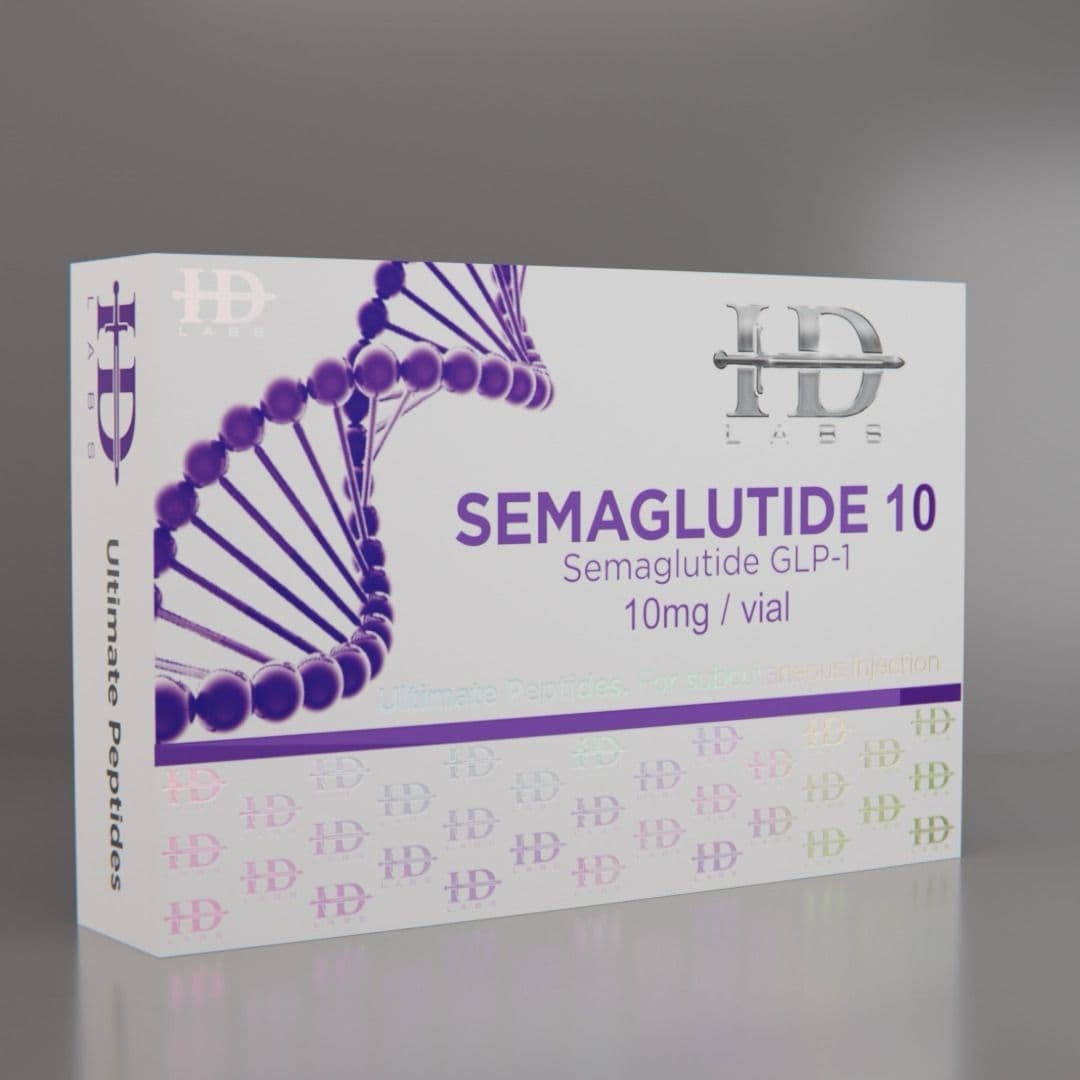
HD Labs Semaglutide 10 Vial
R1 400.00
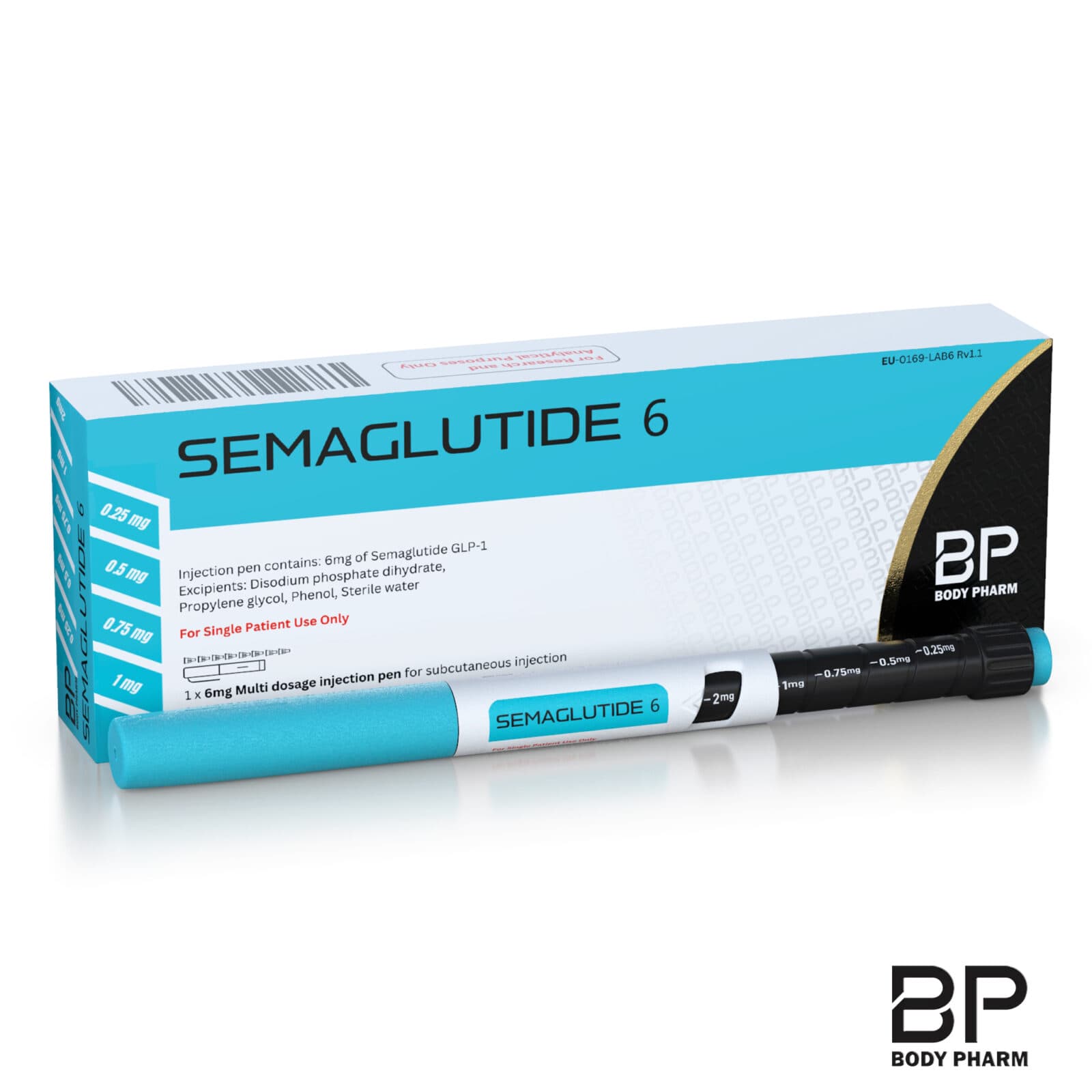
Body Pharm Semaglutide 6 Pen
R1 600.00
Please note
Prescription-class compound supplied for research use. You must be 18 or older. Consult a qualified healthcare professional before use, this is not medical advice.
Private-sector pricing for semaglutide weight-loss doses sits in the R3,000–R6,000 per month band in early 2026, putting it out of reach for most South Africans without medical aid support — branded pharmaceutical manufacturing and cold-chain logistics carry substantial costs [1].
Key Takeaways
- Branded pens cost R3,000–R6,000 monthly; compounded vials cost less but sit outside the registered supply chain.
- Titration over 16 weeks reduces nausea; skipping steps is the main reason patients stop therapy in the first eight weeks.
- Medullary thyroid carcinoma (MTC) is an absolute contraindication; pancreatitis, gallstones and acute kidney injury are serious risks requiring urgent review.
- Weight regain is substantial after stopping; roughly two-thirds of lost weight returns within 48 weeks without ongoing therapy.
What is semaglutide?
Semaglutide is a GLP-1 receptor agonist manufactured by Novo Nordisk, prescribed as a once-weekly subcutaneous injection or a daily oral tablet to treat type 2 diabetes and, at higher doses, chronic weight management in adults with obesity or overweight with comorbidities. Its long half-life and central appetite effects make it suitable for both indications [8][9].
How semaglutide works
Semaglutide mimics endogenous glucagon-like peptide-1 to lower blood glucose and reduce appetite. It binds the GLP-1 receptor on pancreatic beta cells to trigger glucose-dependent insulin secretion, suppresses glucagon release from alpha cells, slows gastric emptying, and acts on hypothalamic appetite centres to reduce hunger and energy intake [6][7].
Its pharmacokinetic advantage is a roughly seven-day elimination half-life, achieved by a C-18 fatty acid chain that binds albumin and resists dipeptidyl peptidase-4 (DPP-4) degradation. The drug persists in the bloodstream long enough to allow once-weekly dosing rather than daily injections [6][7]. Steady-state plasma levels take roughly 4–5 weeks to establish after a dose change because the drug accumulates with each weekly injection [6][7].
Rybelsus achieves oral bioavailability via co-formulation with the absorption enhancer SNAC (sodium N-[8-(2-hydroxybenzoyl) amino] caprylate), but requires daily dosing on an empty stomach with no more than 120 ml of water — food and other substances block the absorption mechanism [8].
Glycaemic effects
Because insulin release is glucose-dependent, semaglutide carries a low intrinsic hypoglycaemia risk as monotherapy; it only triggers insulin when blood glucose is elevated [6]. The combined effect of insulin stimulation, glucagon suppression and delayed gastric emptying flattens post-prandial glucose excursions, which is the basis of its HbA1c-lowering effect in type 2 diabetes [6][8].
Appetite and weight effects
Semaglutide crosses into circumventricular regions of the hypothalamus and brainstem, where GLP-1 receptors modulate satiety and reward signalling. Patients report reduced food cravings and smaller portion sizes [7]. At the 2.4 mg Wegovy dose, appetite suppression is the dominant driver of weight loss — the stomach-emptying effect is secondary [7].
Readers cross-shopping mechanisms can compare this single-receptor action against the dual GIP/GLP-1 agonism of tirzepatide, or review dose-specific options before deciding to buy semaglutide in South Africa.
Semaglutide dosing: weight loss vs type 2 diabetes
Dosing differs by indication. Wegovy titrates to 2.4 mg weekly for chronic weight management because this dose produces the maximum weight loss seen in trials. Ozempic goes to 1.0–2.0 mg weekly for type 2 diabetes, where lower doses are sufficient for glycaemic control. Rybelsus reaches 14 mg daily orally because the oral formulation requires higher absolute doses to achieve comparable plasma levels [9][8][10]. All three start low and step up roughly every four weeks to let the gut adapt before reaching the therapeutic dose.
The slow climb exists because GLP-1 receptor activation slows gastric emptying, which causes nausea if the dose rises too quickly. Starting at the maintenance dose would push most patients into nausea, vomiting and early discontinuation. Titration trades a few weeks of sub-therapeutic exposure for tolerability and treatment persistence [8][9].
Standard titration schedules
| Product | Indication | Week 1–4 | Week 5–8 | Week 9–12 | Week 13–16 | Maintenance |
|---|---|---|---|---|---|---|
| Wegovy (SC) | Chronic weight management | 0.25 mg/week | 0.5 mg/week | 1.0 mg/week | 1.7 mg/week | 2.4 mg/week [9] |
| Ozempic (SC) | Type 2 diabetes | 0.25 mg/week | 0.5 mg/week | 1.0 mg/week | (hold or step) | 1.0–2.0 mg/week [8] |
| Rybelsus (oral) | Type 2 diabetes | 3 mg daily | 7 mg daily | 14 mg daily | — | 7 or 14 mg daily [10] |
Ozempic's 0.25 mg starter is a tolerability dose, not a therapeutic one, and should not be held there long-term — it provides no meaningful glycaemic benefit [8]. Rybelsus must be swallowed whole on waking with no more than 120 ml of water, then a 30-minute fast before food, coffee or other medication, because the absorption enhancer SNAC requires an empty stomach to work [10].
When to slow down
If nausea, reflux or constipation flare at a step-up, the prescribing information for both Ozempic and Wegovy permits staying at the prior dose for an extra four weeks before re-attempting the increase [8][9]. South African readers cross-shopping between weekly injectables can compare the semaglutide schedule against the separate titration curve for tirzepatide, or check current pen strengths when they buy semaglutide in South Africa.
Skipping steps to chase faster weight loss is the single most common reason patients abandon therapy in the first eight weeks — the side effects become intolerable.
Semaglutide side effects and safety
Semaglutide's side-effect profile is dominated by dose-dependent gastrointestinal symptoms during titration and a small number of serious risks that warrant pre-prescription screening. Nausea, vomiting, diarrhoea and constipation are the most common reasons patients abandon therapy in the first 12 weeks, occurring in 30–50% of users. They typically peak in the 48–72 hours after each dose increase before settling as the body adapts [3][4].
Most South African patients I've spoken to in 2026 describe the gastrointestinal effects as tolerable when titration is slow and meals shrink in proportion to appetite. Eating to about 60% of pre-treatment portion size, avoiding fried food on injection day, and staying above two litres of water daily blunt both nausea and the constipation that follows [4]. Reflux and sulphurous burps are common on the 1.0 mg and higher Wegovy steps and usually respond to a short course of a proton-pump inhibitor, reflecting delayed gastric emptying and bacterial fermentation [4].
Serious risks requiring urgent review
Acute pancreatitis, gallstones and acute kidney injury (usually secondary to dehydration from vomiting) are the three serious adverse events flagged across the Ozempic, Wegovy and Rybelsus labels, occurring in 0.1–1% of users and potentially requiring hospitalisation [3][4][5].
Hypoglycaemia is uncommon with semaglutide as monotherapy but becomes clinically significant when stacked with insulin or a sulfonylurea such as glimepiride. Those background doses usually need to be reduced at the same visit semaglutide is started [3].
Patients with established type 2 diabetes and known diabetic retinopathy need ophthalmic review before initiating, because rapid glycaemic improvement can transiently worsen retinopathy through transient macular thickening [3].
The MTC boxed warning and pregnancy
Semaglutide carries a boxed warning for medullary thyroid carcinoma based on rodent C-cell tumour findings. It is contraindicated in anyone with a personal or family history of MTC or Multiple Endocrine Neoplasia syndrome type 2 (MEN 2) [3][4]. The rodent signal's translation to humans is unknown, but the contraindication is absolute on the label. Patients should be counselled to report a neck mass, dysphagia, persistent hoarseness or new dyspnoea [3].
Semaglutide is contraindicated in pregnancy, and the label advises discontinuation at least two months before a planned conception because of the long half-life and unknown effects on fetal development [4]. Serious hypersensitivity to semaglutide or any excipient is the other hard contraindication; anaphylaxis, though rare, has been reported [3][4].
Anyone weighing branded pens against compounded vials should run this same screen before they buy semaglutide in South Africa. The identical screen applies to tirzepatide, which shares the GLP-1 mechanism and the MTC contraindication.
Semaglutide pricing in South Africa (2026)
Branded semaglutide for weight management retails in the R3,000–R6,000 per month range in the South African private sector in 2026. Higher maintenance doses sit at the upper end of that band [1].
What each presentation costs
| Product | Presentation | Typical monthly dose | Monthly cost (ZAR, 2026) |
|---|---|---|---|
| Ozempic | 1 mg or 2 mg pre-filled pen | 1 mg weekly | R3,000–R5,000 [1] [verify at publication] |
| Wegovy | 2.4 mg pre-filled pen | 2.4 mg weekly | R4,500–R6,000+ [1][3] [verify at publication] |
| Rybelsus | 7 mg or 14 mg oral tablet | 14 mg daily | R2,500–R4,000 [verify at publication] |
| Compounded semaglutide vial | 10 mg lyophilised vial + bacteriostatic water | ~1–2.4 mg weekly | R900–R1,800 per vial [verify at publication] |
Medical aid and affordability
South African medical schemes generally fund semaglutide only for type 2 diabetes, and even then with formulary restrictions, because obesity is often classified as a lifestyle condition rather than a disease requiring pharmacotherapy [1]. Reimbursement for Wegovy on the weight-loss indication is limited and plan-specific. Most schemes treat obesity GLP-1s as discretionary lifestyle medicines requiring authorisation or full co-payment [1].
That cash-pay gap is the main reason South Africans buy semaglutide in South Africa as compounded vials. The same dynamic applies to tirzepatide.
For contrast, US GoodRx coupon prices for Wegovy hovered around USD 1,300–1,650 per month in 2024–2025, which converts to roughly R24,000–R30,000 — well above the SA private retail band because US pharmaceutical pricing is substantially higher than South African pricing.
Branded vs compounded semaglutide
Three distinct products are sold under the name "semaglutide" in South Africa in 2026, and they are not clinically interchangeable. They differ in manufacturing oversight, sterility assurance and regulatory accountability.
Compounded pharmacy semaglutide is a finished sterile preparation made by a licensed compounding pharmacy against a patient-specific prescription, typically because of supply or dose-customisation reasons. It operates under pharmacy law rather than pharmaceutical registration.
Purity, sterility and certificates of analysis
A certificate of analysis from a third-party lab can show peptide identity and purity at the powder stage, but it does not certify sterility of the vial you inject — sterility testing requires incubation over weeks and cannot be done on every batch. It does not certify endotoxin levels, and it cannot confirm that the contents match the label after shipping and storage [1].
Branded pens come with sterility assurance from controlled manufacturing facilities, a cold-chain audit trail, and a Novo Nordisk batch number you can trace if something goes wrong [1].
Dosing calculations for a 10 mg vial
A 10 mg lyophilised vial reconstituted with 2 ml of bacteriostatic water yields 5 mg/ml. A 0.25 mg starter dose is 0.05 ml (5 units on a U-100 insulin syringe), 0.5 mg is 0.1 ml (10 units), 1 mg is 0.2 ml (20 units), and a 2.4 mg Wegovy-equivalent dose is 0.48 ml (48 units) [1].
One 10 mg vial covers roughly four weeks at 2.4 mg/week or ten weeks at 1 mg/week [1].
The risk sits in self-reconstitution: wrong diluent volume, contaminated water, or a misread syringe scale can produce a tenfold dosing error. This is why people who buy semaglutide in South Africa as vials, or move on to tirzepatide, need to treat the maths as non-optional.
Semaglutide vs tirzepatide vs retatrutide vs CagriSema
The clinically meaningful difference between them sits in the receptors each one activates, which largely predicts the weight-loss ceiling seen in trials.
Semaglutide is a single GLP-1 receptor agonist. In STEP 1, adults on semaglutide 2.4 mg weekly lost about 14.9% of body weight at 68 weeks versus 2.4% on placebo, with roughly 86% reaching at least 5% loss [11].
Tirzepatide adds a GIP agonist to the GLP-1 backbone. The SURMOUNT programme reported higher mean weight loss at the top dose than STEP 1 semaglutide in cross-trial comparison [1].
Retatrutide targets GLP-1, GIP and glucagon. Its 2023 phase 2 data showed mean weight loss of around 24% at 48 weeks at the highest dose [1].
CagriSema pairs semaglutide with cagrilintide, an amylin analogue, and is dosed weekly. The amylin pathway adds a separate satiety mechanism to the GLP-1 effect.
Comparison table
| Molecule | Receptors | Trial weight loss | Dosing | SA availability 2026 |
|---|---|---|---|---|
| Semaglutide | GLP-1 | ~14.9% (STEP 1, 68 wk) [11] | Weekly inj / daily oral | Registered (Ozempic, Wegovy, Rybelsus) [3] |
| Tirzepatide | GLP-1 + GIP | Higher than semaglutide (SURMOUNT) | Weekly injection | Limited; not all SKUs registered |
| Retatrutide | GLP-1 + GIP + glucagon | ~24% at 48 wk (phase 2) [1] | Weekly injection | Investigational only |
| CagriSema | GLP-1 + amylin | Phase 3 readouts ongoing | Weekly injection | Not yet registered |
The practical choice in 2026 narrows to two registered options: buy semaglutide in South Africa through a scripted pharmacy channel, or wait for fully registered tirzepatide availability. Retatrutide and CagriSema belong in the "watch this space" column, not the buying decision.
How to use semaglutide safely
Semaglutide is a once-weekly subcutaneous injection (or daily oral tablet for Rybelsus) that requires prescriber supervision for dose adjustments and side-effect management. Store at 2–8 °C. Rotate injection sites between the abdomen, thigh and upper arm to reduce lipohypertrophy [1].
Inject on the same day each week, at any time of day, with or without food.
Unopened pens belong in the fridge at 2–8 °C. Once in use, Novo Nordisk's pen instructions allow Ozempic and Wegovy pens to be kept either refrigerated or at room temperature below 30 °C for up to six weeks. After six weeks, discard any remaining drug [1]. Keep the cap on to protect against light. Never use a pen that has frozen — discard it, because ice crystal formation damages the peptide structure.
For a missed weekly dose, take it within five days. If more than five days have passed, skip it and resume the normal schedule on the usual day [1].
For oral Rybelsus, swallow with no more than 120 ml of plain water on an empty stomach, then wait at least 30 minutes before eating, drinking or taking other medicines [1].
When to seek urgent review
Severe, persistent abdominal pain radiating to the back suggests pancreatitis and warrants urgent review. Repeated vomiting with signs of dehydration can cause acute kidney injury. Right-upper-quadrant pain may indicate gallstones. A new neck mass, hoarseness or dysphagia are signs of thyroid pathology — all warrant urgent attention [8][9].
If you also take insulin or a sulfonylurea, your prescriber will usually reduce those doses to avoid hypoglycaemia [1]. Limit alcohol, which worsens both nausea and hypoglycaemia risk.
Anyone planning to buy semaglutide in South Africa or switch to tirzepatide should do so through a scripted pharmacy channel, not a research-vial seller.
Frequently asked questions
The questions below are the ones I see most often from South African readers weighing branded pens against compounded vials.
How much weight can you lose?
In the STEP 1 trial, adults with obesity or overweight on semaglutide 2.4 mg plus lifestyle intervention lost a mean of 14.9% of body weight at 68 weeks, versus 2.4% on placebo. About 86% lost at least 5% of baseline weight [9]. Results at lower doses (Ozempic 0.5–1.0 mg) are typically more modest, in the 6–10% range, because lower doses produce less GLP-1 receptor activation.
How long until semaglutide works?
Appetite reduction usually starts within one to two weeks at the 0.25 mg starter dose. Meaningful weight loss tends to become visible on the scale from week 8 onward as the dose increases [1]. Full effect is generally judged at 6–12 months on the maintenance dose, because steady-state plasma levels take 4–5 weeks to establish and weight loss continues to accumulate over months.
Can you stop semaglutide?
You can, but most people regain a large share of the weight. In the STEP 4 extension, participants switched to placebo after 20 weeks of semaglutide regained roughly two-thirds of their lost weight over the following 48 weeks. Those who continued lost a further ~7.9% [10].
Plan for ongoing therapy or a structured maintenance protocol with your prescriber — weight regain after stopping is the norm, not the exception.
Does semaglutide cause hair loss?
Telogen effluvium has been reported, but it is almost always linked to the rapid weight loss itself rather than a direct drug effect. It typically resolves within 3–6 months once weight stabilises [1].
Adequate protein intake (around 1.2–1.6 g/kg/day) and sufficient iron, zinc and vitamin D help, because these nutrients are essential for hair growth and are depleted during rapid weight loss.
Is semaglutide safe long-term?
The boxed warning for medullary thyroid carcinoma based on rodent studies remains in the 2024 prescribing information for Ozempic, Wegovy and Rybelsus. The drugs are contraindicated in anyone with a personal or family history of MTC or MEN 2 [6][7][8]. Pancreatitis, gallstones and acute kidney injury are listed warnings based on clinical trial and post-marketing data [1]. Human long-term data out to several years has not shown a thyroid cancer signal, but surveillance continues.
Can you buy semaglutide without a prescription?
To buy semaglutide in South Africa lawfully, or to compare it with tirzepatide, use a scripted pharmacy channel rather than a research-vial seller.